The Pearl of Downers Grove elicits strongly polarized experiences: a substantial number of families and residents describe compassionate caregiving, an effective rehabilitation program, and engaging activities, while other accounts raise operational concerns that may affect longer stays or higher-acuity needs.
Care and staffing: Many reviewers praise the nursing, CNAs, and therapy teams for attentive bedside care, strong progress in rehab (walking and discharge goals), and individualized therapy plans. Admissions and reception staff are frequently described as warm and helpful, and some families highlight accessible administration and follow-through on aftercare planning. However, a recurring operational theme is inconsistent staffing levels, particularly overnight and on weekends, which reviewers link to delays in call-light response, toileting assistance, and medication timing. These delays are characterized as care-process gaps rather than isolated incidents and may be especially relevant for residents requiring close supervision or long-term care.
Dining and activities: The facility offers a varied activities roster, active exercise classes, and an engaged activities director; many residents report meaningful social programming and outdoor courtyard access. Meal service receives mixed feedback: several reviewers commend texture-modified and accommodating meal options and a pleasant dining room, while others describe institutional or inconsistent meal quality and temperature control in dining areas. Families considering placement for extended stays should ask about current menu planning and meal-service consistency.
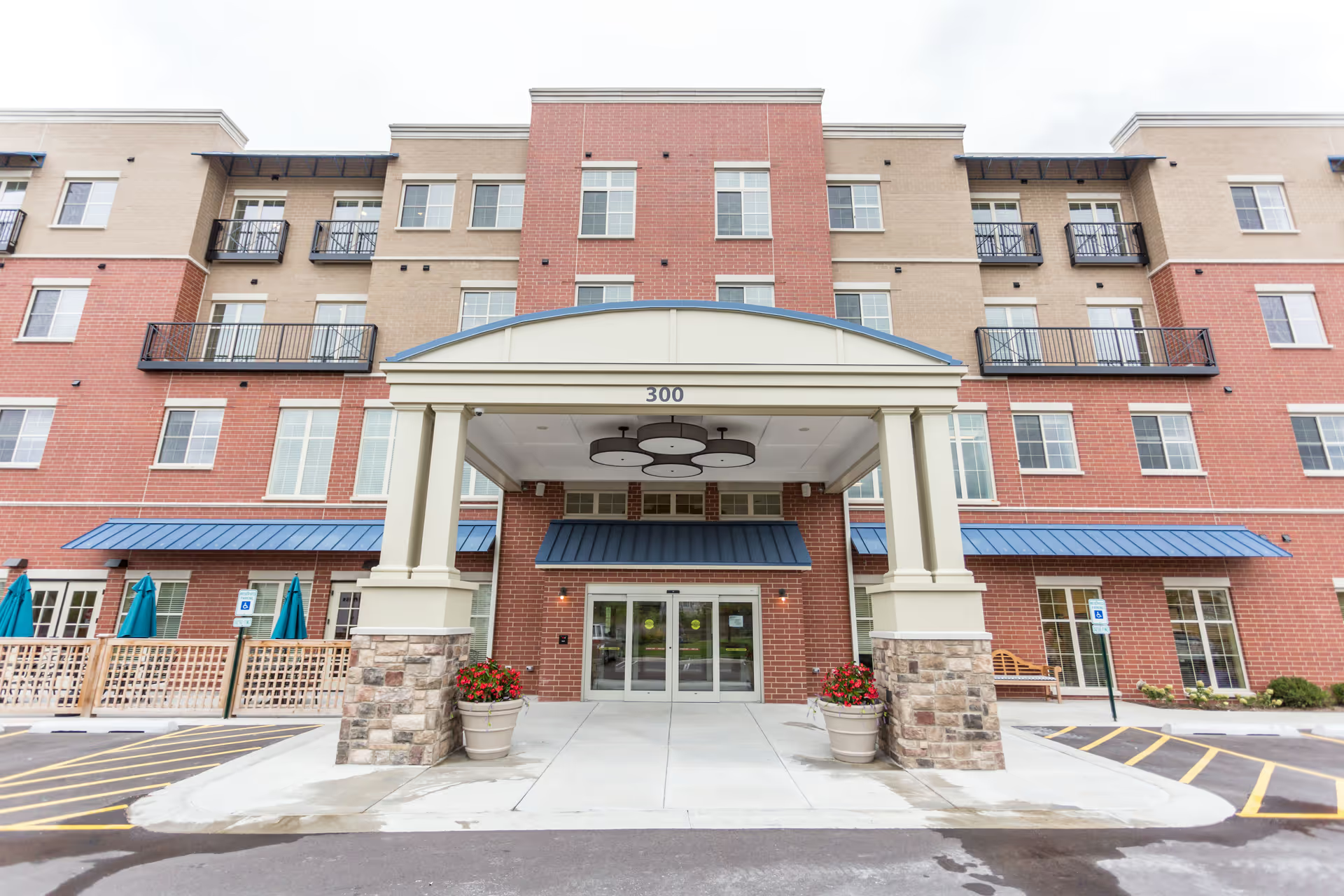
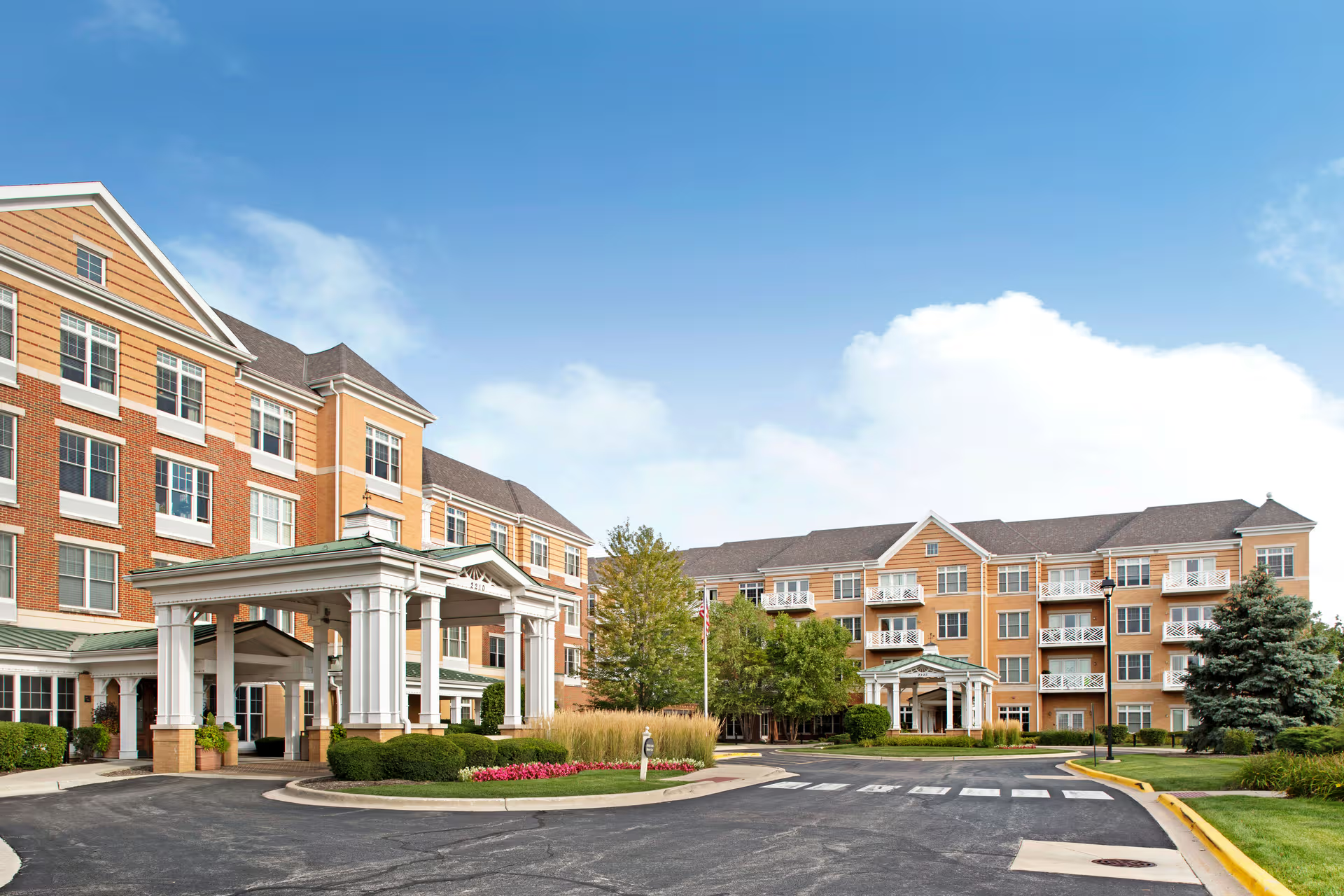
Facilities and maintenance: Numerous comments describe clean, welcoming public areas and well-maintained family spaces. Conversely, other accounts point to maintenance and cleanliness inconsistencies in some units—examples include localized mold or peeling surfaces, clogged fixtures, and general wear that requires attention. Sanitation and upkeep appear variable across the building rather than uniformly deficient; prospective visitors should inspect the resident wing and bathrooms during tours.
Management, communication, and safety: Several reviewers commend responsive leadership, open-door administration, and staff who addressed concerns constructively. At the same time, there are repeated descriptions of breakdowns in communication and coordination—missing or incomplete discharge paperwork, gaps in documented care plans, uncoordinated orientation/scheduling, and transportation failures for external appointments. Safety-related themes include questions about bed-rail policies and available fall-mitigation options, occasional lapses in infection-control practices and PPE adherence, and concerns about personal-belongings security. These items reflect system-level processes that families should review before placement.
Notable patterns and guidance: The overall pattern suggests the facility performs strongly in short-term rehabilitation contexts where therapy intensity and administrative attention are prioritized. For residents needing stable, high-dependency long-term care, the operational issues above—staffing consistency, call response, medication timing, documentation, and maintenance variance—are the principal risks cited. Prospective families should tour the unit, observe staffing levels at different times, request current care-plan and medication-administration procedures, ask about infection-control protocols, and clarify transportation and personal-property policies to assess fit for their loved one.