Medina Nursing Center and Outpatient Therapy presents a mixed picture: reviewers frequently praise the front-line caregivers while also describing several operational and facility-level concerns. Positive commentary centers on the nursing and certified nursing assistant staff, who are described as kind, attentive, and willing to go beyond standard duties. The outpatient therapy and short-stay rehabilitation services receive favorable remarks, with families noting that those stays were comfortable and often preferable to acute-hospital experiences. Reviewers also emphasise a focus on resident comfort and happiness, and multiple comments reflect strong family satisfaction and a warm, memory-making atmosphere.
At the same time, a pattern of systemic weaknesses appears across reviews. Staffing inconsistency and high nurse turnover emerged as a recurring operational trait; families reported frequent changes in assigned nurses and uneven continuity of care. Relatedly, reviewers described gaps in clinical monitoring and in timely response to health changes. In a small number of serious accounts, a health issue escalated to higher-level care; these have been framed here as concerns about clinical-incident response and follow-up rather than single isolated events. Equipment-safety practices were also questioned: at least one account described medical equipment left disconnected, which points to inconsistent equipment checks and monitoring protocols.
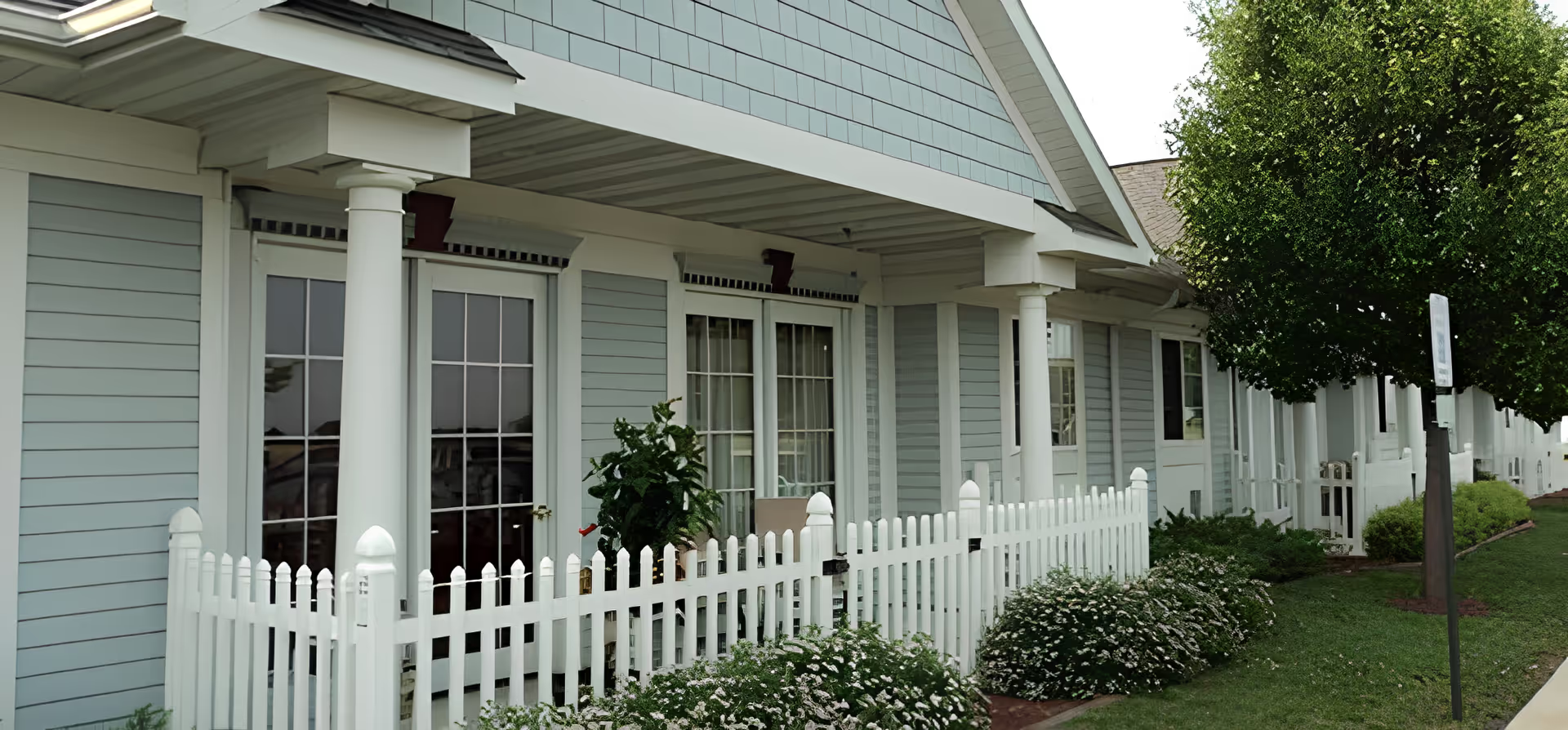
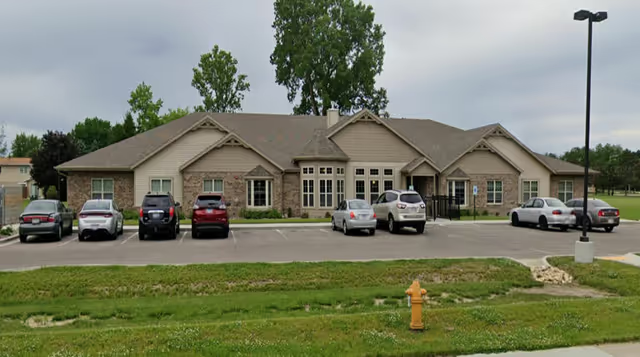
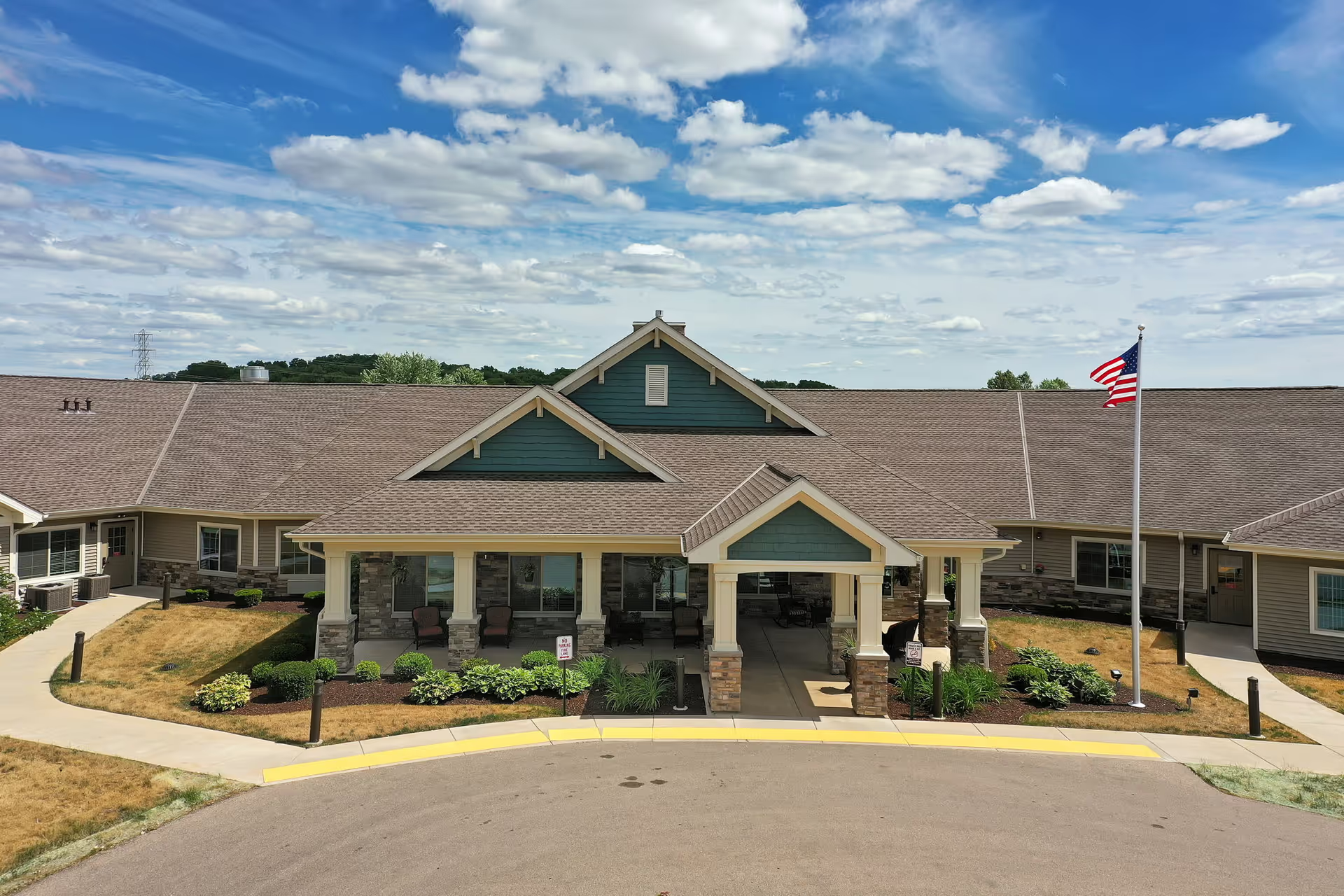
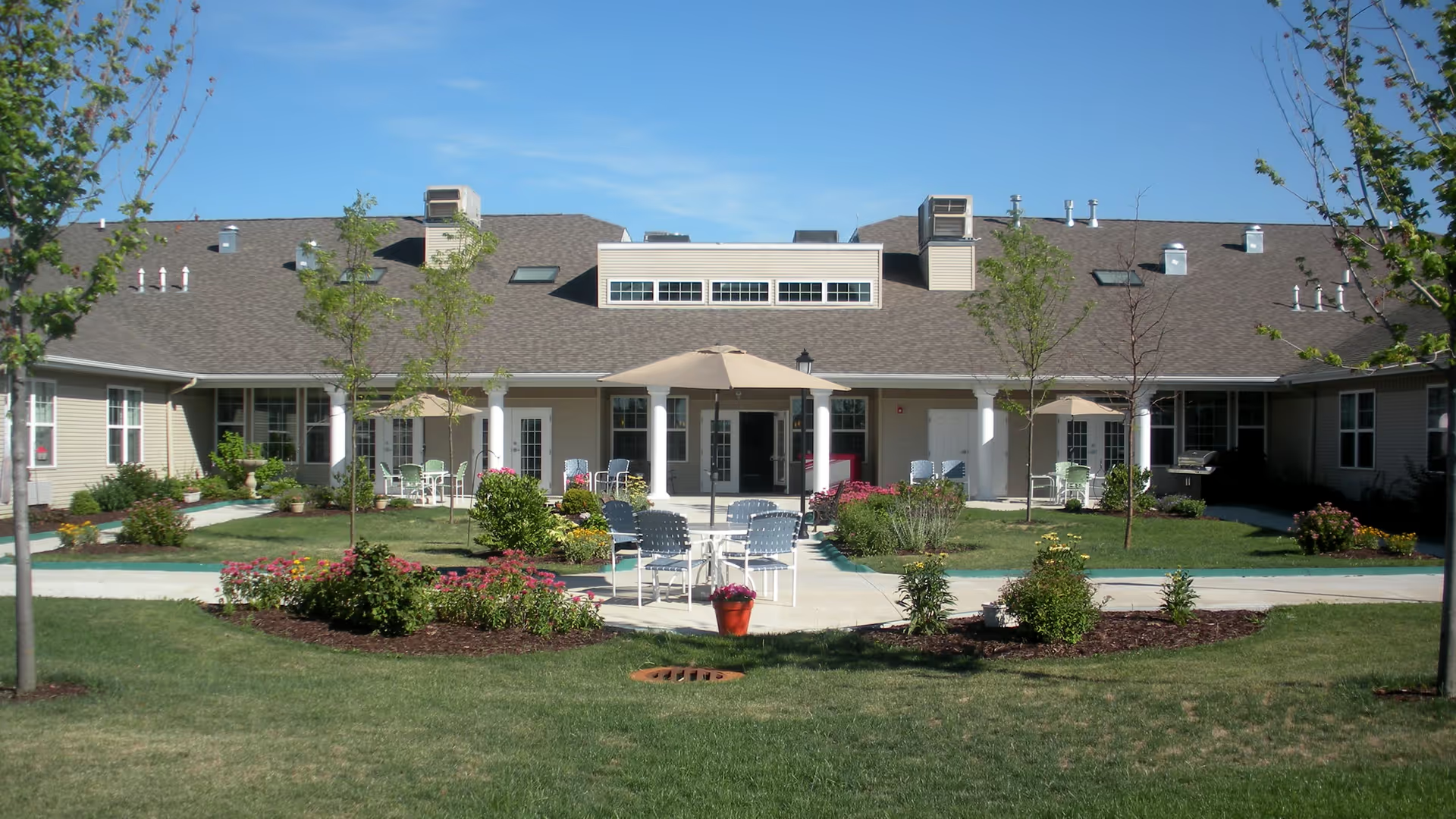
Facility and environmental issues were noted alongside staffing concerns. Several reviewers mentioned odor concerns and other cleanliness issues in common and resident areas, which suggests opportunities to strengthen housekeeping and incontinence-related care processes. The building is described as older, with maintenance and accessibility needs that include crowded corridors and storage of mobility equipment that can impede circulation for residents and staff. While some rooms and furnishings (for example, bedding) were praised as comfortable, the overall physical plant appears to require focused maintenance and organizational improvements.
Management and communication are another mixed area. Owners and some managers are credited with a visible presence and supportive interactions, but other comments describe a defensive tone from management when families raise concerns. This dynamic contributes to frustration among relatives and can complicate resolution of clinical or operational issues. There are also positive indications that caregiving staff strive to provide individualized attention; reinforcing those strengths while addressing communication style and operational protocols would likely have a measurable impact.
Practical considerations for prospective residents and families: if caregiver warmth and short-stay rehabilitation quality are priorities, this facility has clear strengths. However, families should assess staffing consistency, ask about clinical-incident response protocols and equipment-check procedures, and review environmental-cleaning and maintenance plans. Visiting during different shifts to observe corridor traffic, staff-resident interactions, and cleanliness practices may help form a balanced impression. Finally, clarify how management handles family concerns and escalation so you understand the facility's communication and resolution pathways.