Reviews describe a facility with a mix of clear strengths and persistent operational weaknesses. Many families praised individual caregivers—particularly certain CNAs—who were described as compassionate, engaging, and effective at engaging residents during meals and activities. Several accounts note that the rehabilitation team can be attentive and experienced, and a number of families observed positive changes after a recent management transition. The activities program and resident engagement (singing, games, social events) are consistently noted as strong points that contribute to resident well-being.
Care quality appears uneven across staff and shifts. Multiple reviewers highlighted examples of attentive, skilled care—wound management and close monitoring of behavioral needs were specifically mentioned—but others described delays in personal-care delivery and inconsistent assistance with toileting and bathing. This variability suggests differences in individual staff performance and shift coverage rather than uniform clinical capability. Staffing instability and turnover were cited as factors that undermine continuity of care.
Communication and family engagement are recurring themes. Several families reported gaps in outreach, inconsistent updates about status changes or discharge plans, and frustration with front-line staff not answering calls. Conversely, some family members praised specific staff who provided timely, informative updates. These mixed experiences point to inconsistent communication protocols and uneven adherence to family notification practices.
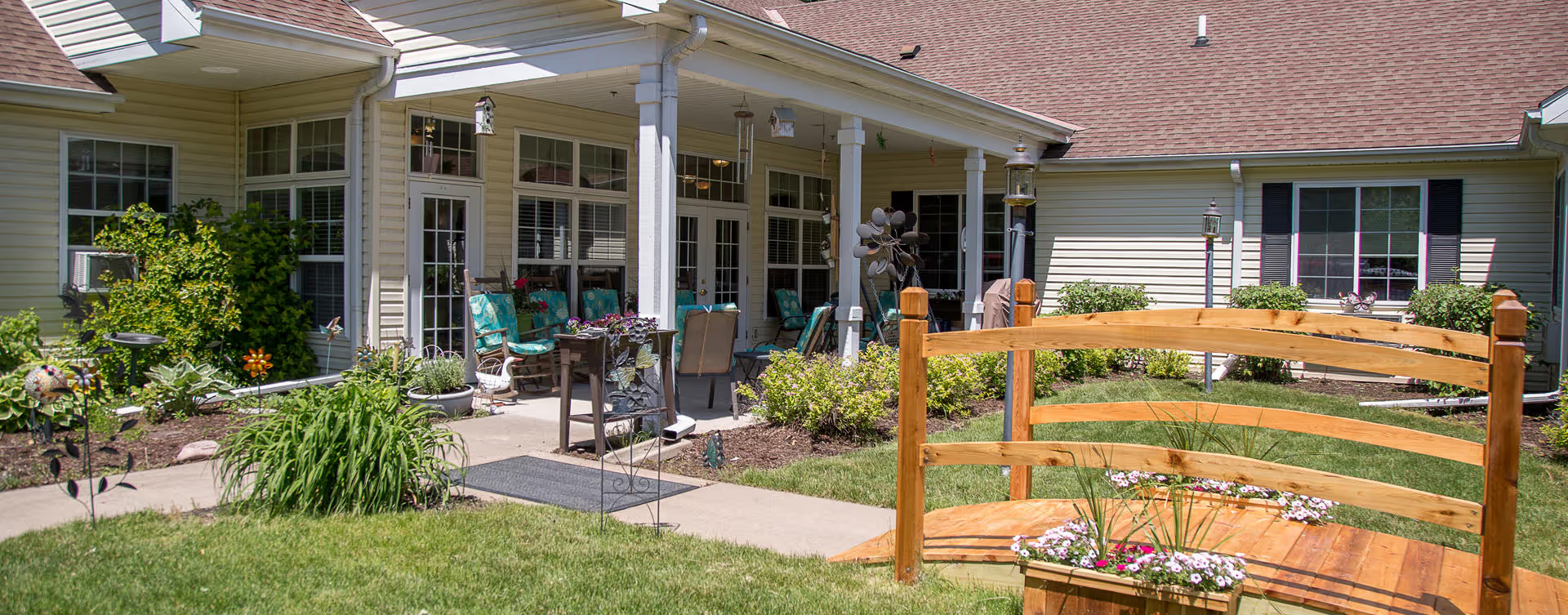
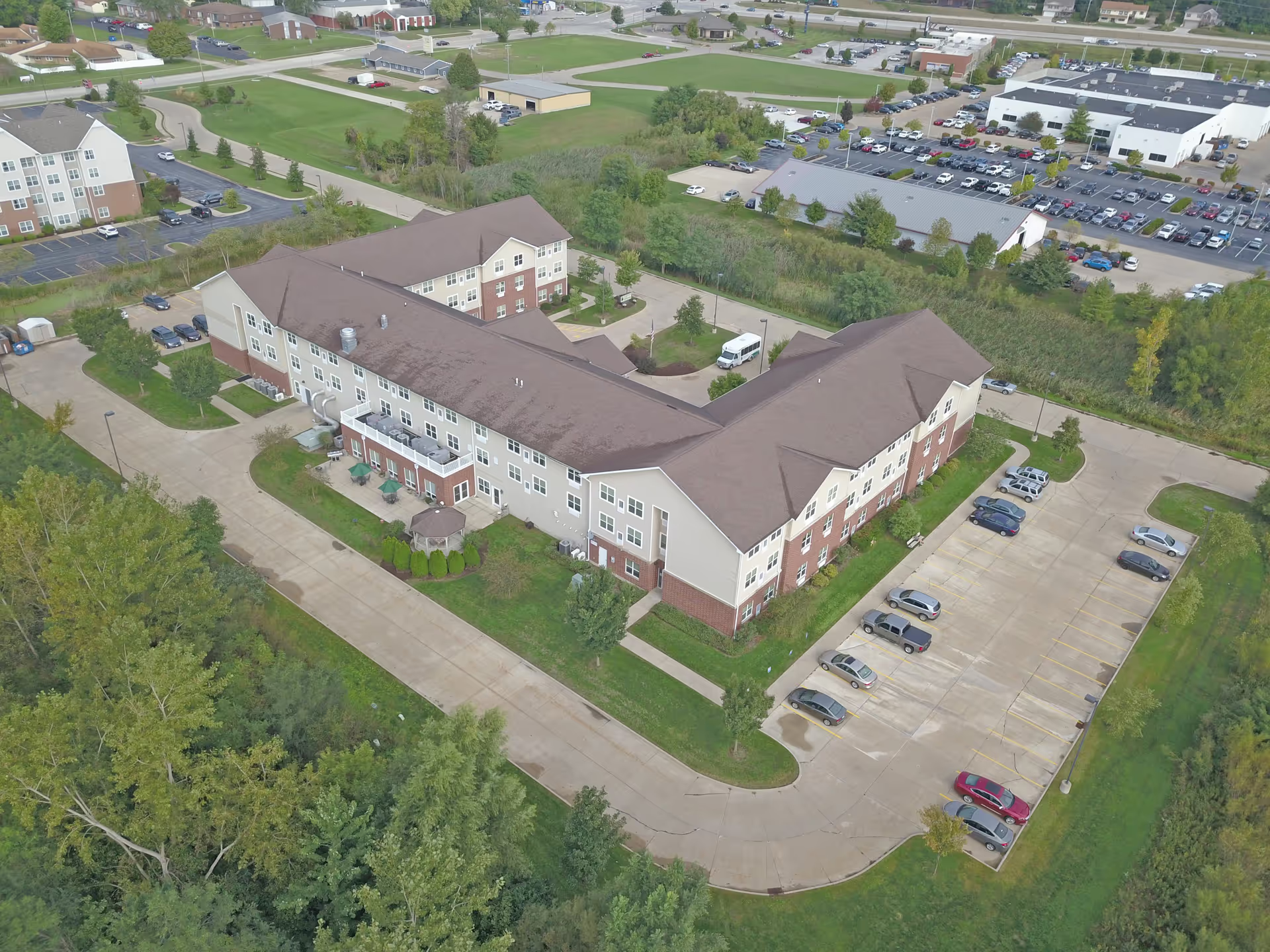
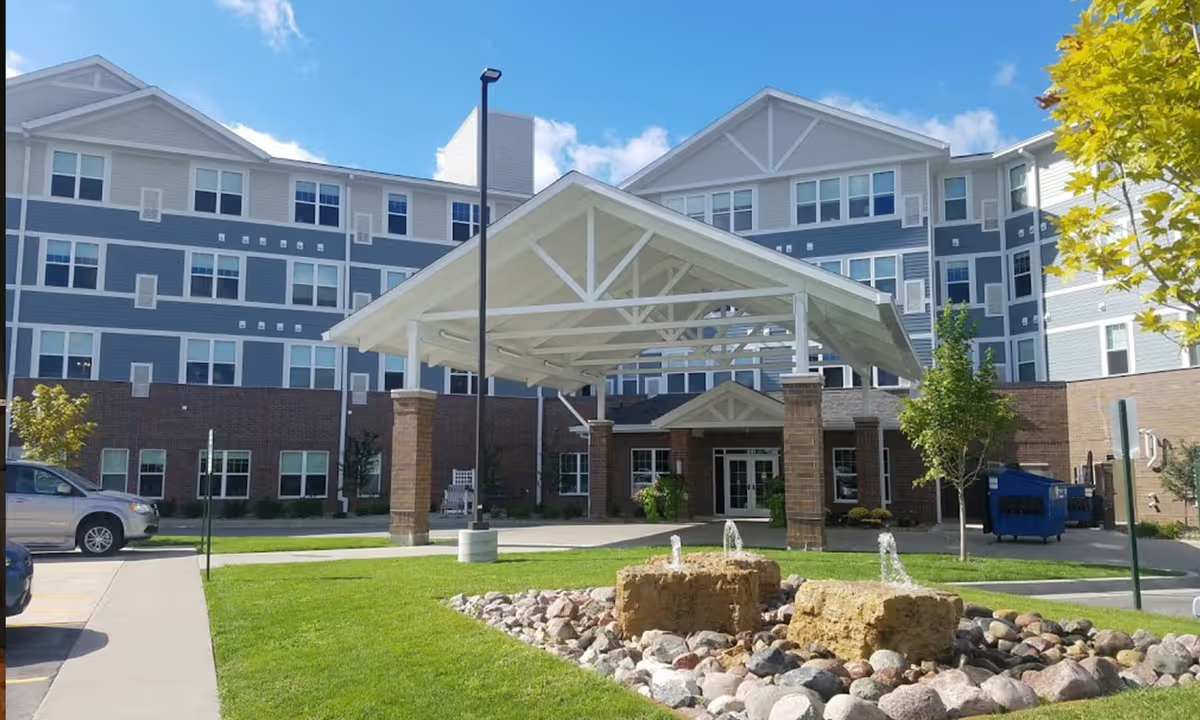
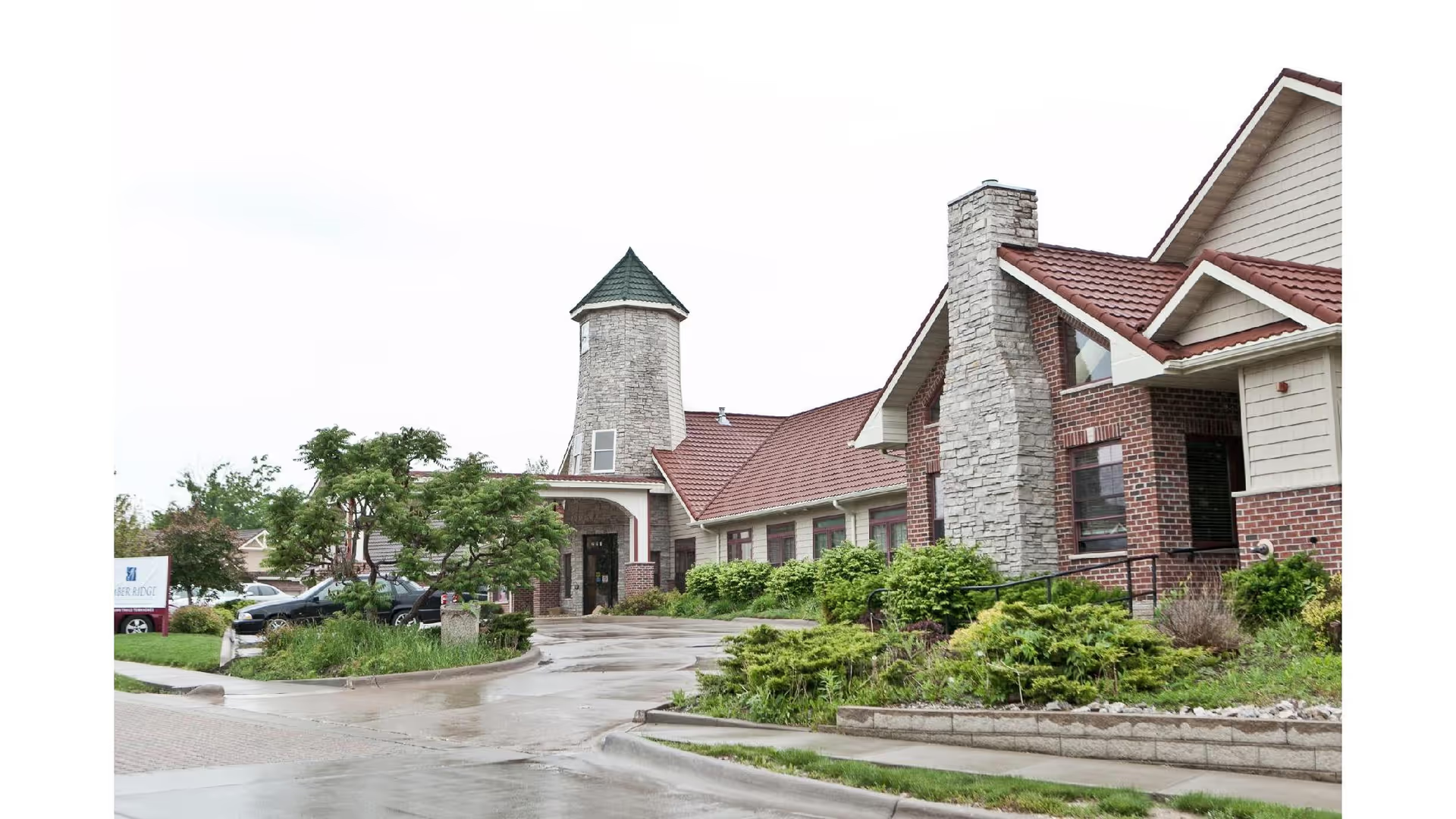
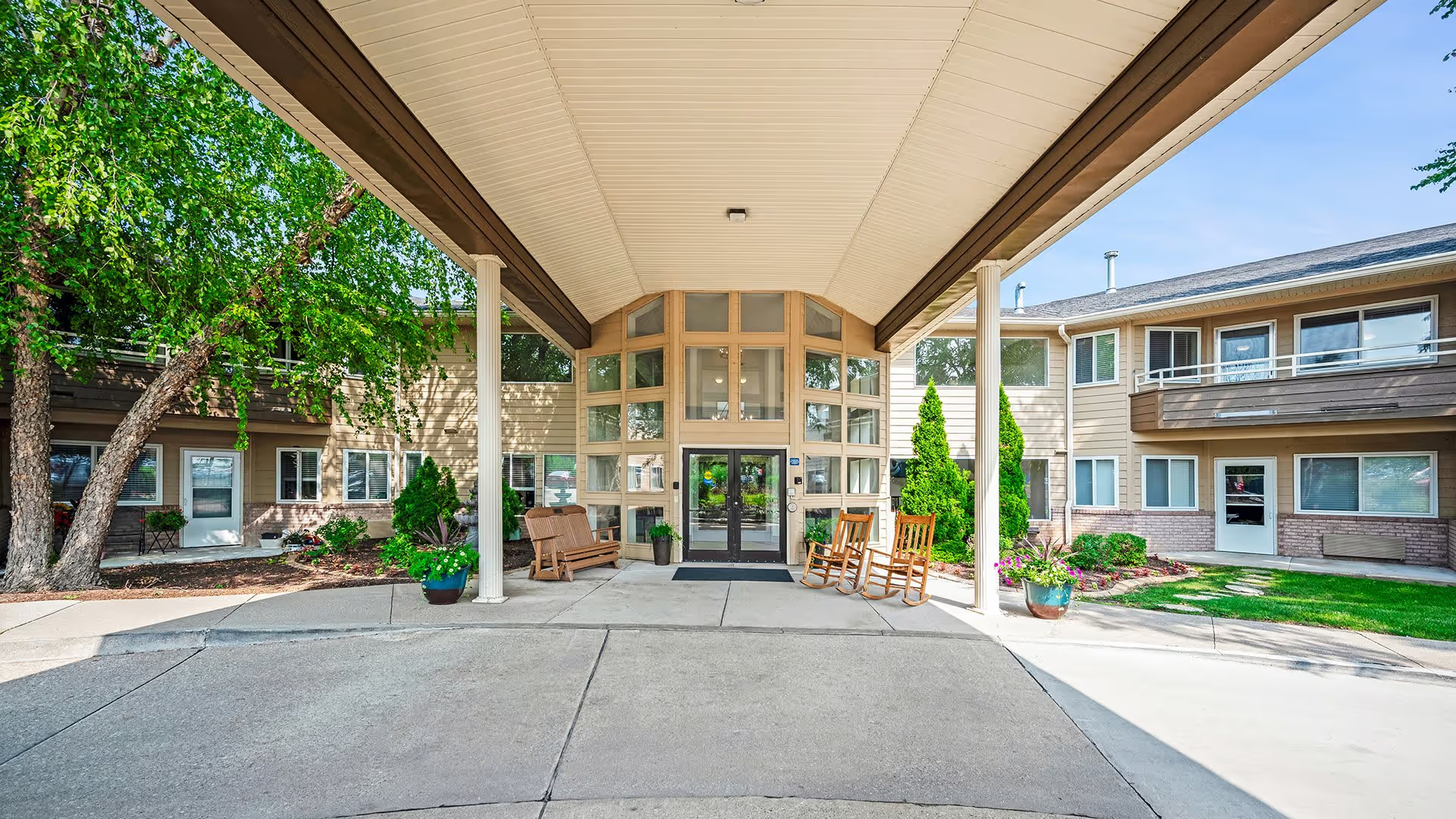
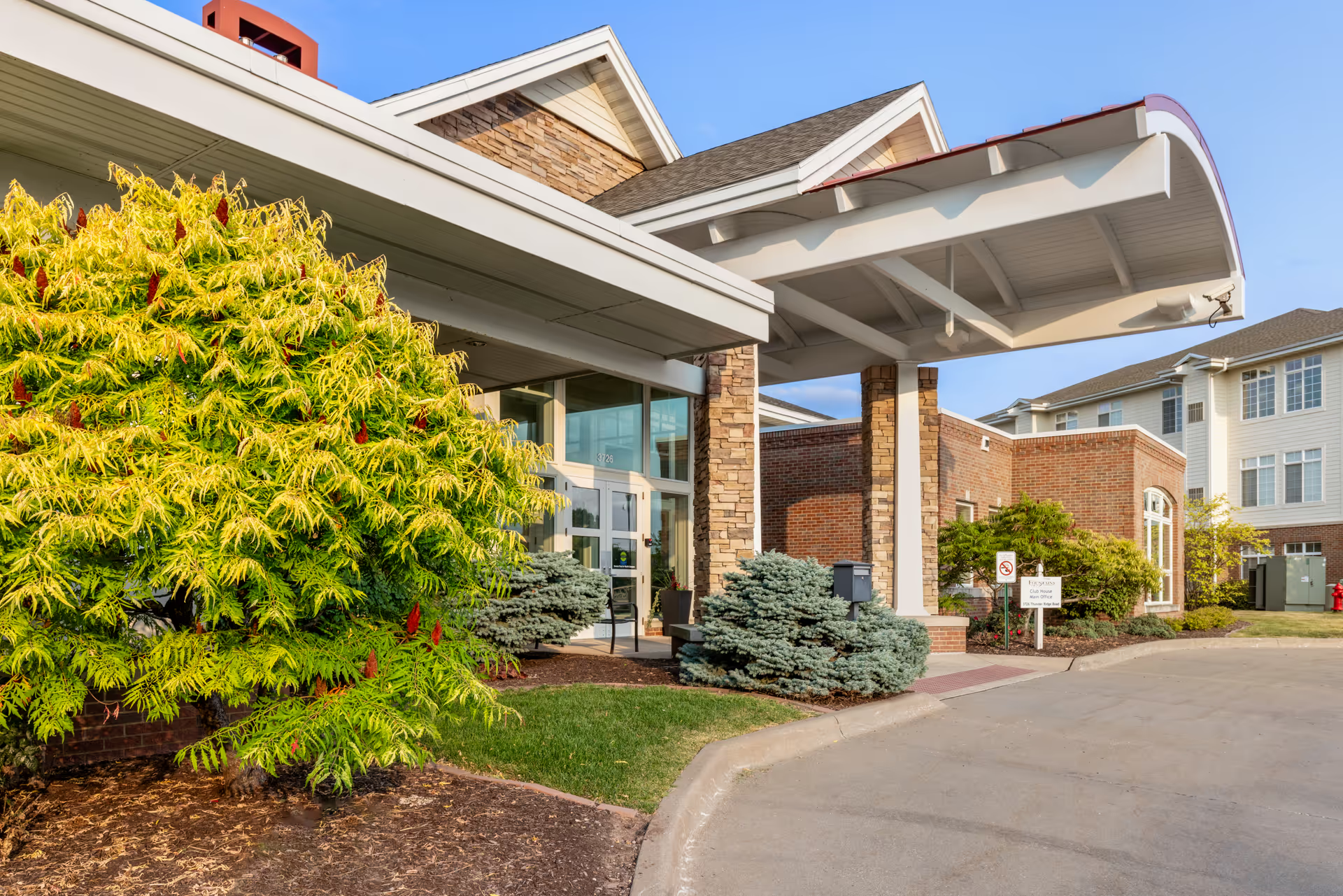
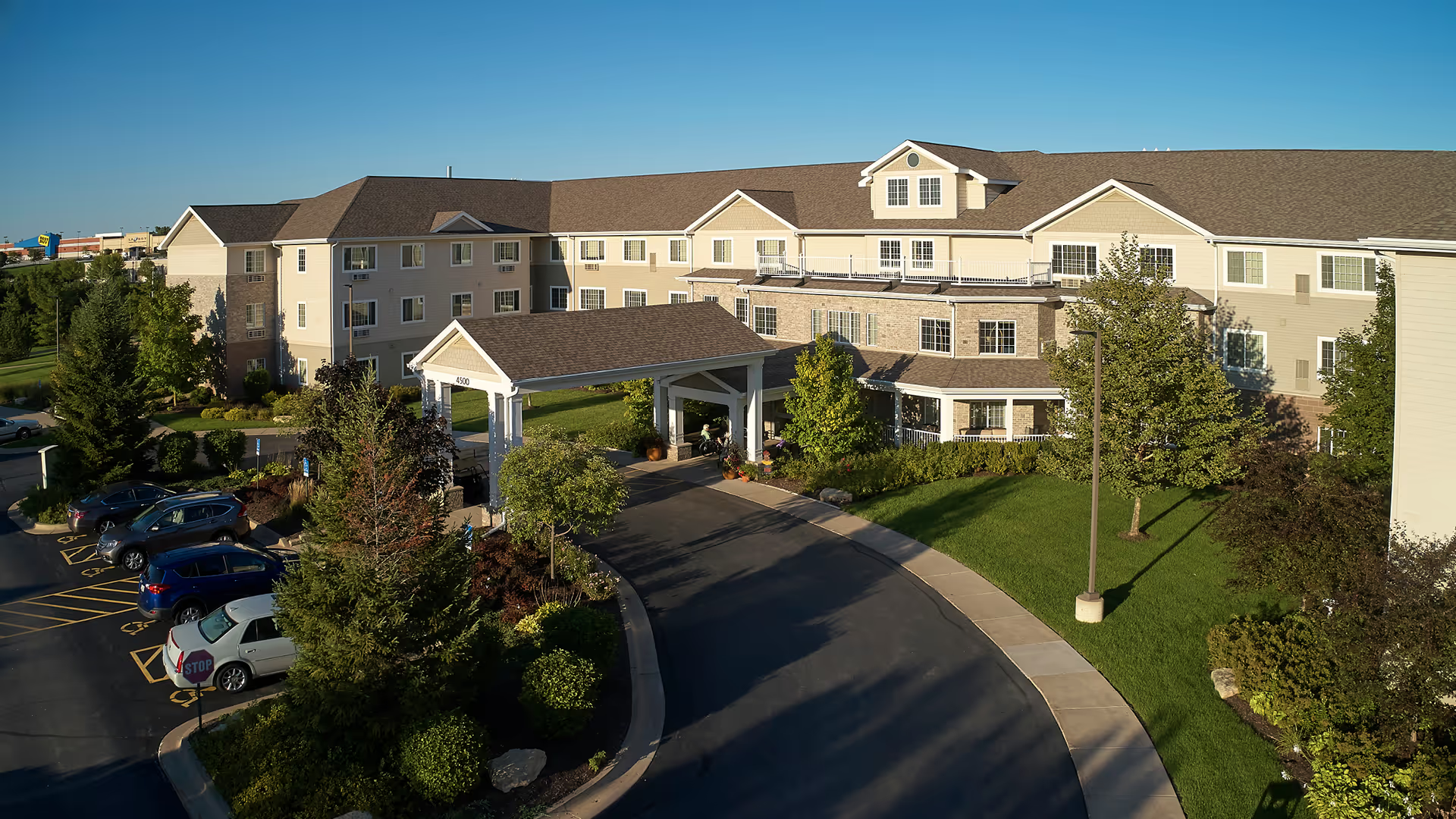
Facility condition and operational management raise notable concerns. Multiple reviewers described sanitation issues, odor concerns, pest-control concerns, and visible maintenance needs such as unfinished drywall and general wear in some areas. Food-service was another area of inconsistency: complaints ranged from late meal service to off-putting food odors, while others experienced timely discharges and satisfactory mealtimes. Front-desk coverage and entrance monitoring lapses were mentioned, which has implications for security and visitor management.
There are serious operational allegations that prospective families should weigh, including missing personal items. While some reviewers described significant negative incidents and unprofessional conduct by specific staff, others described appreciable improvements since new leadership arrived. Transportation to external medical appointments was described as limited, and a few families found the short-stay rehabilitation experience inadequate relative to their expectations.
In summary, Allure of Moline shows strengths in individual caregiver engagement, activity programming, and pockets of strong rehabilitation care, but also demonstrates recurring operational issues: inconsistent staffing and communication, sanitation and maintenance shortfalls, food-service variability, entrance-monitoring gaps, and concerns about personal property security. Prospective residents and families should consider visiting multiple times, asking about current staffing levels, infection-control and maintenance protocols, family-notification procedures, and recent changes under new administration to assess whether the facility’s improvements meet their expectations.