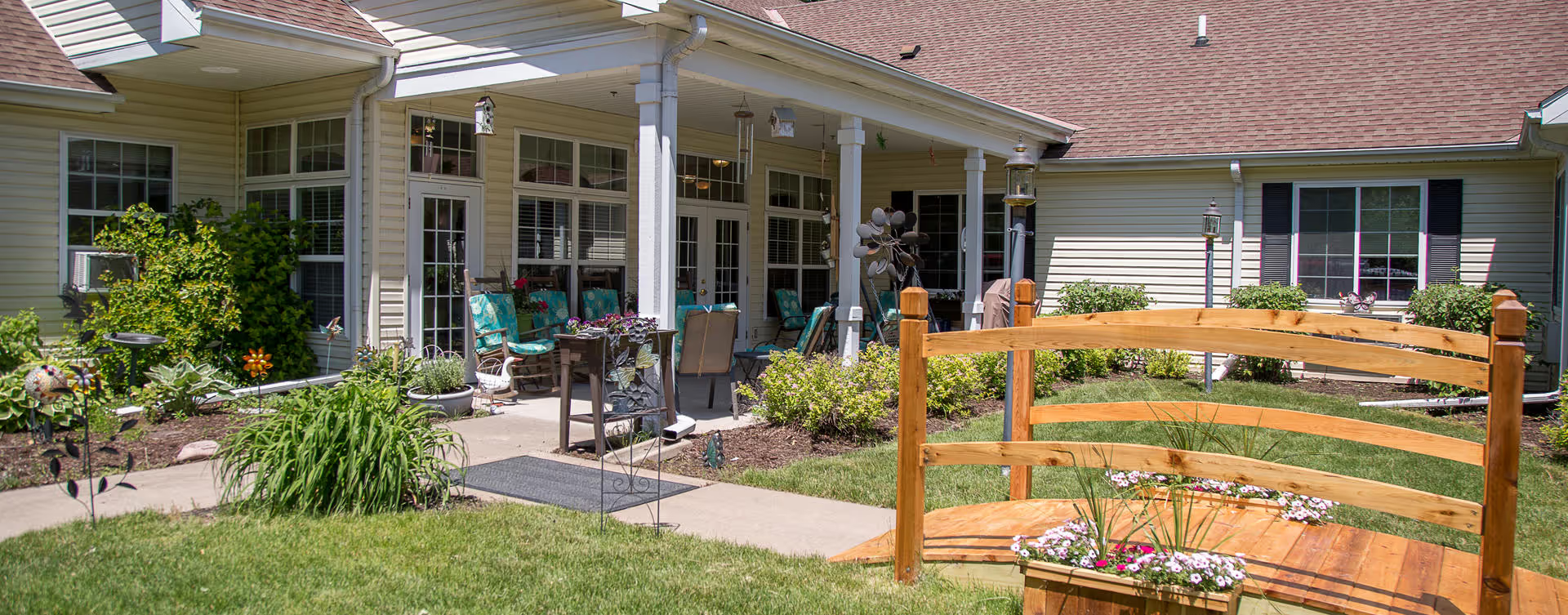
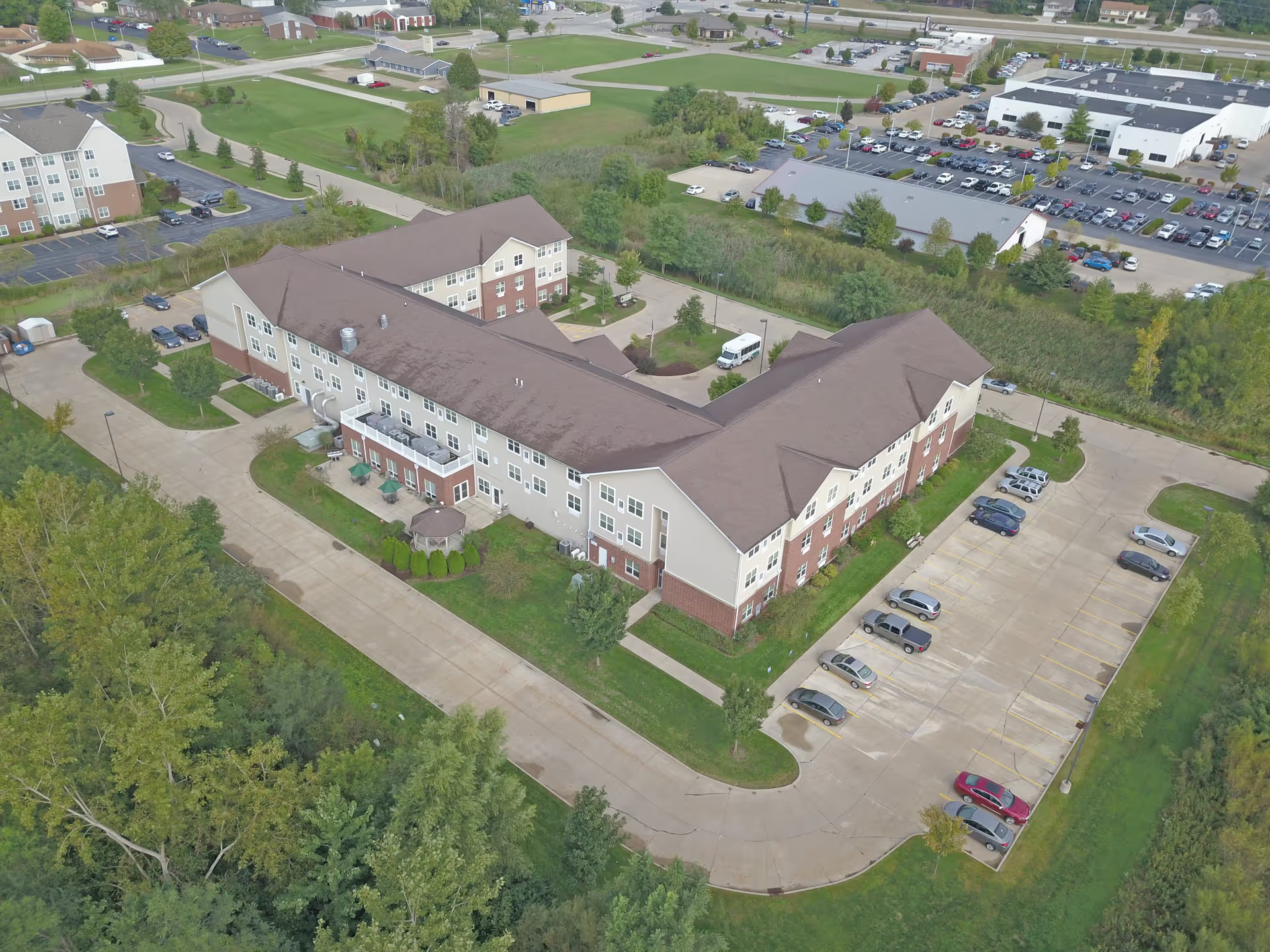
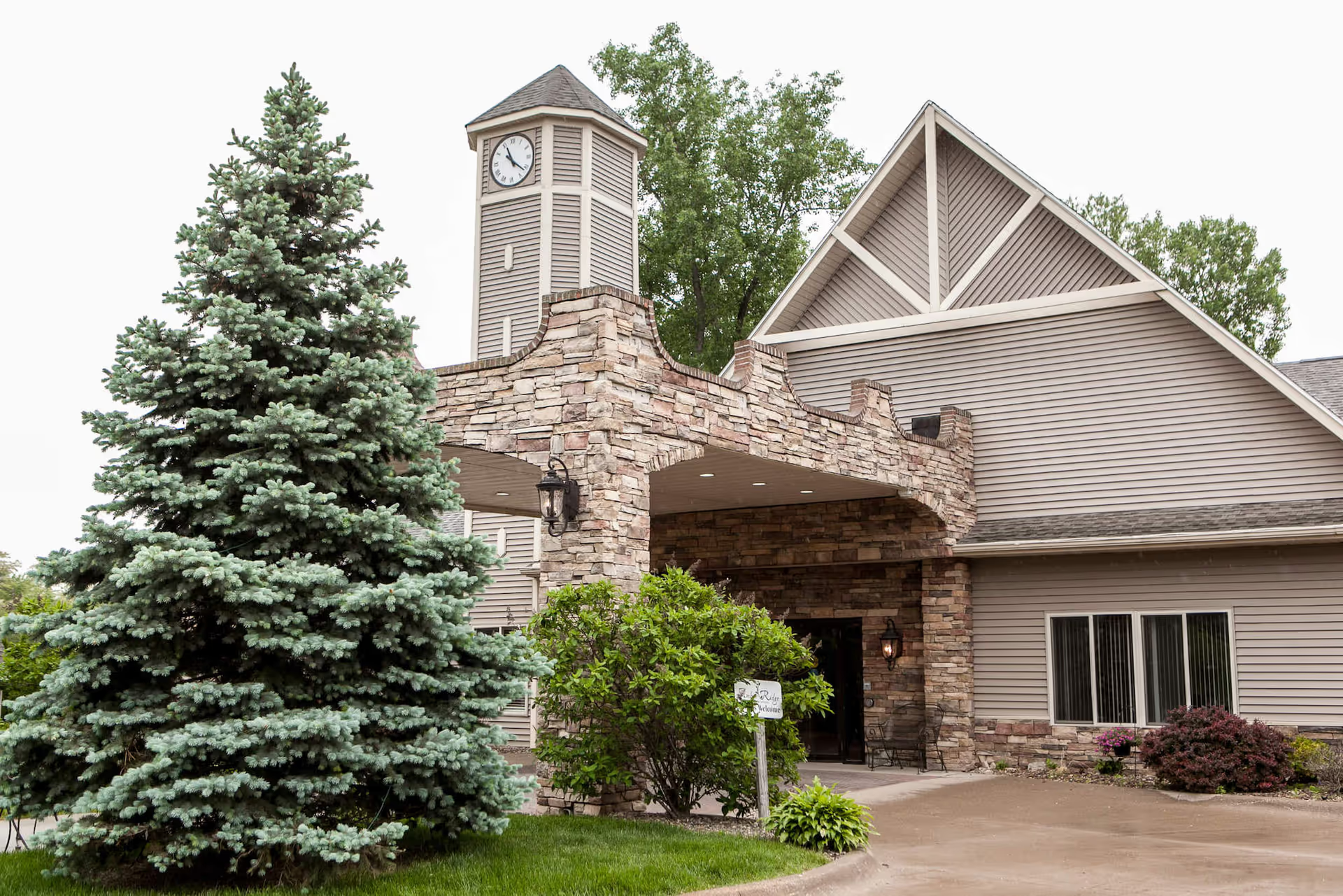
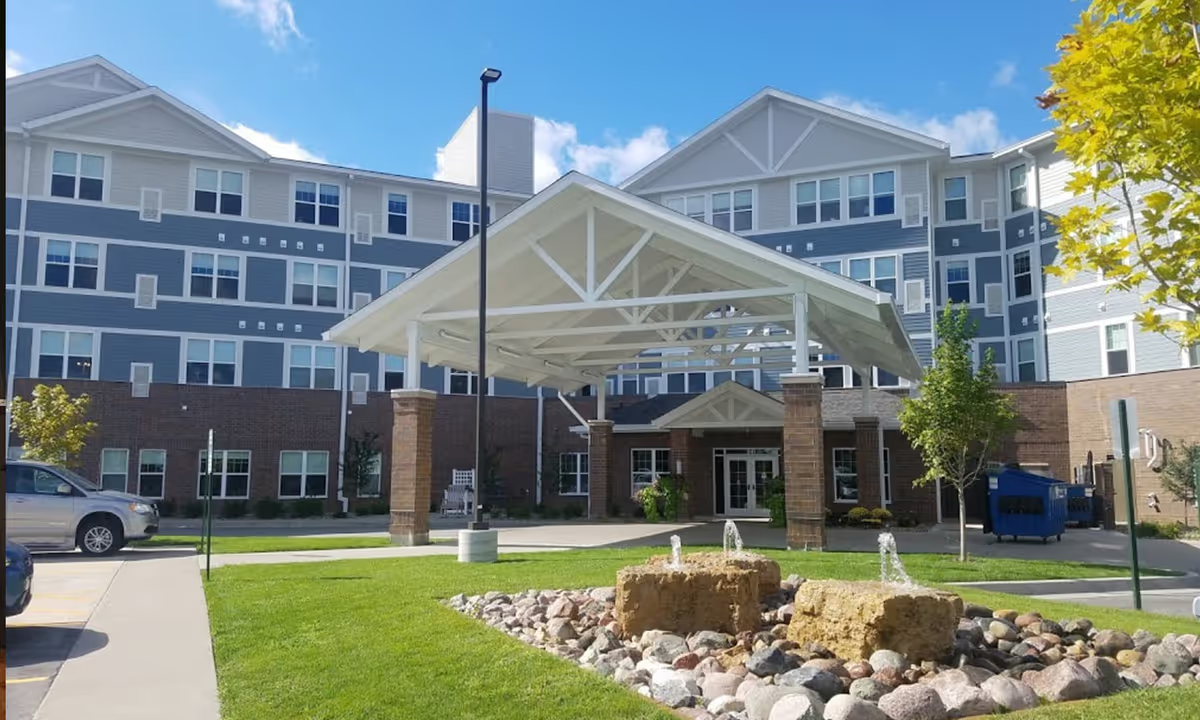
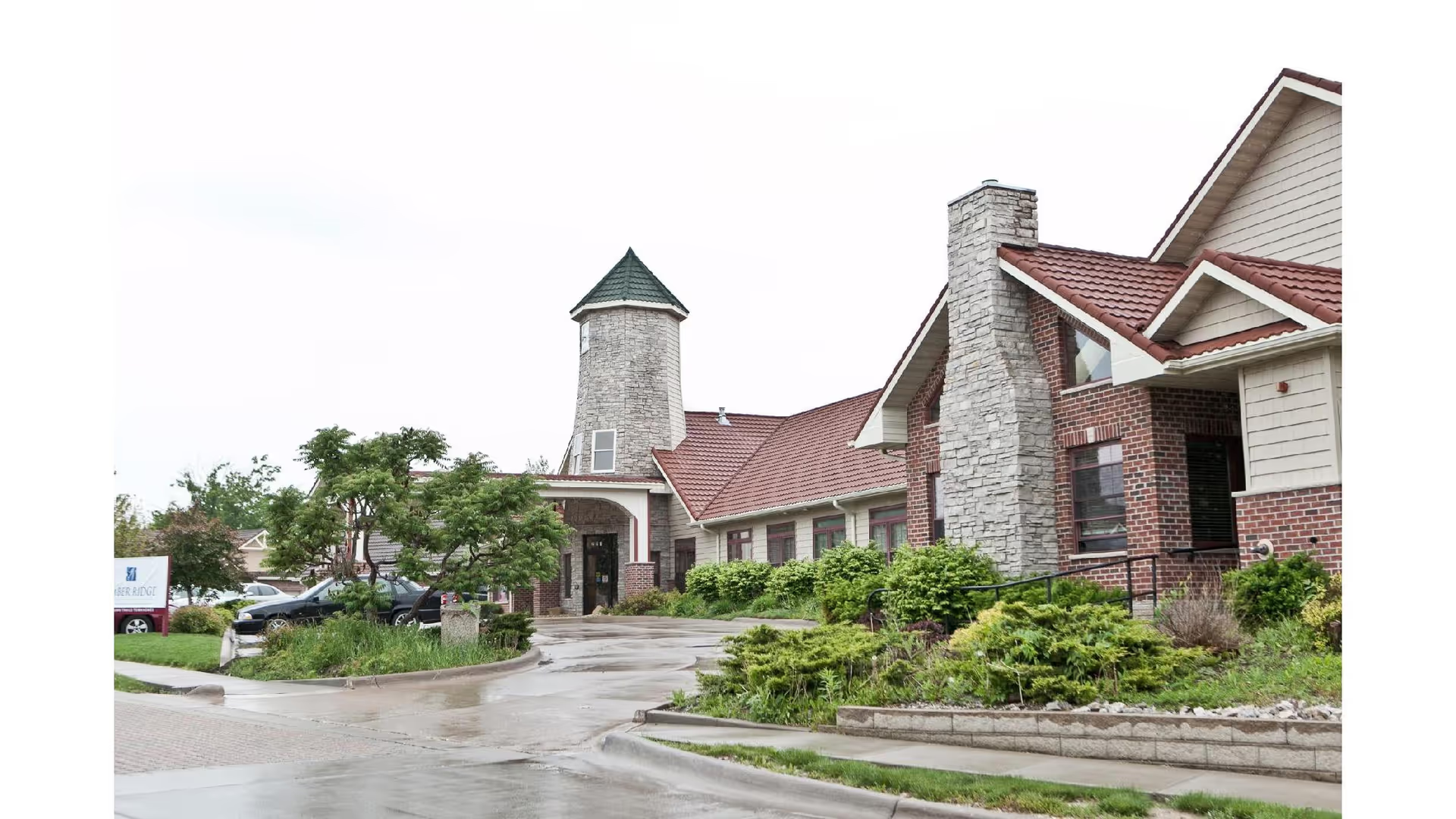
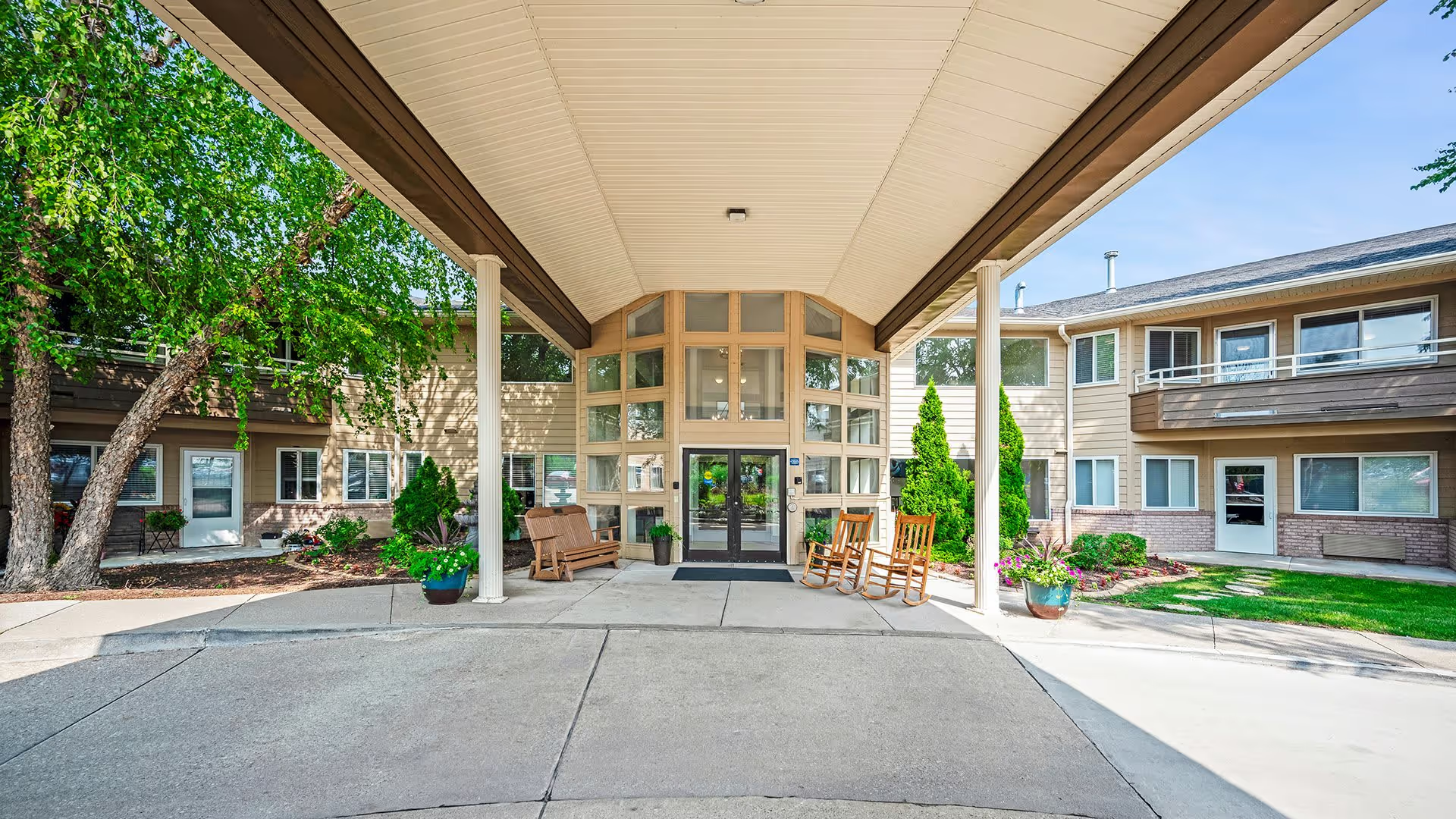
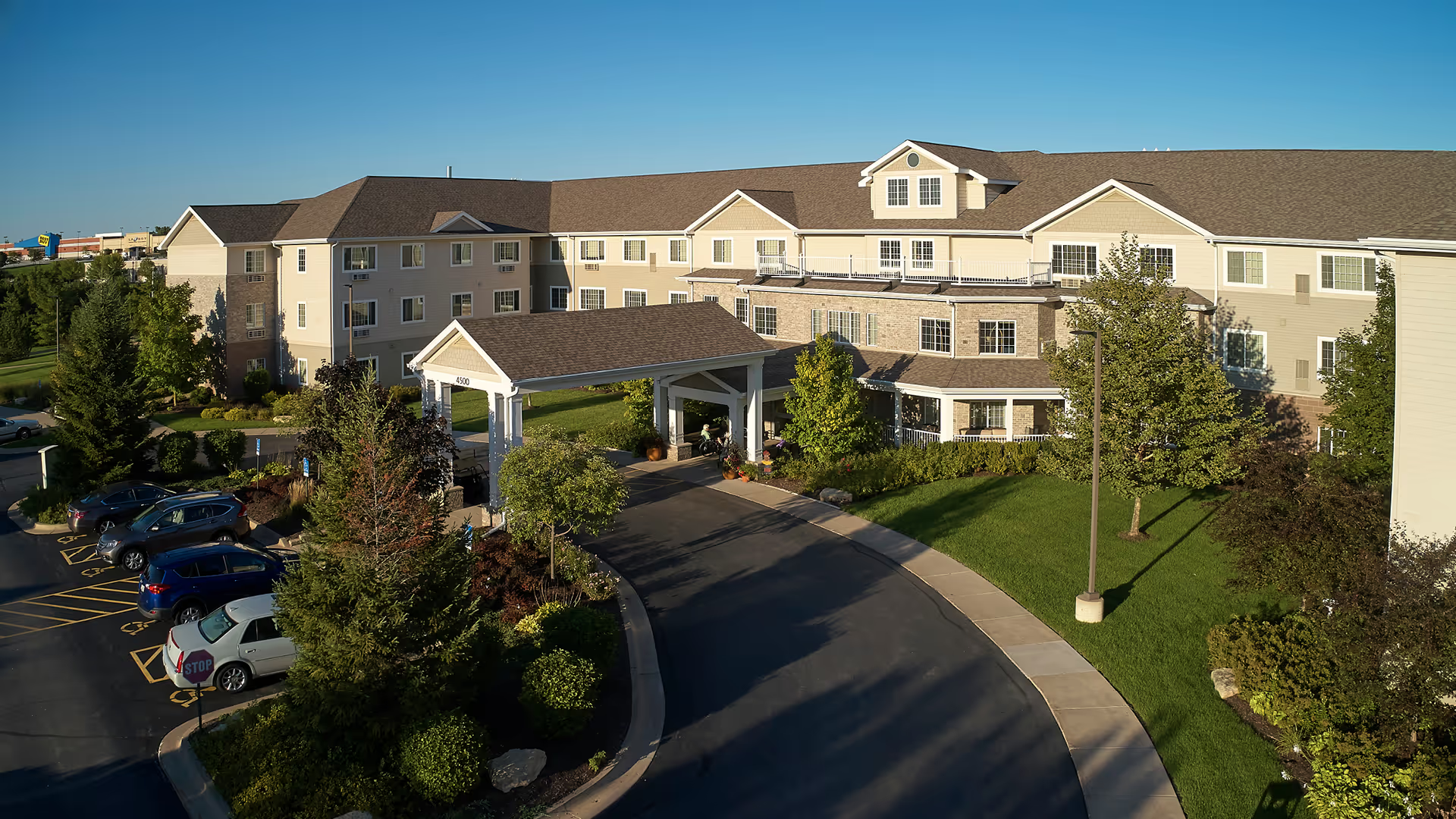
Hope Creek Nursing Rehab & Care presents a mixed profile. Numerous reviewers praised frontline caregivers, therapy teams, and the facility’s public spaces: families cited compassionate CNAs and hospice nurses, effective physical and occupational therapy, restorative programs, and a generally welcoming reception experience. The facility offers private rooms with adjustable beds, secure entry procedures, and a range of activities and therapy amenities that many residents and families found valuable during rehabilitation or long-term stays.
At the same time, a consistent cluster of operational concerns emerges across reviews. Staffing levels and availability were frequently described as inconsistent, leading to delays in nursing responses and extended wait times for assistance with activities of daily living. Reviewers specifically described problems with bathing and toileting assistance schedules, linen-change frequency, and other continence-care processes. These service gaps were sometimes associated with sanitation and odor concerns in particular rooms or units and with variability in housekeeping and laundry follow-through.
Clinical coordination and safety monitoring also appear uneven. Several accounts indicate breakdowns in handoffs among nursing, CNA, and therapy staff, inconsistent medication timing, and challenges coordinating end-of-life and hospice wishes. There are recurring descriptions of safety-monitoring and transfer-practice gaps (for example, prolonged unassisted periods after falls or delayed responses to alarms). Memory-care inhabitants and families noted a need for stronger dementia-specific supervision and additional staff training to manage behavioral and cognitive needs with greater consistency.
Dining and nutrition received mixed feedback: some families praised meals and specific dishes, while others described inconsistent food quality and failures to honor dietary restrictions. Activities and social programming were generally seen as strengths when present; however, a subset of families felt memory-unit engagement could be improved. Facility amenities and common areas were often described as clean and well-maintained, though reports of localized sanitation and pest-control concerns indicate variability between units.
Management and administrative performance are another area of divergence. Positive impressions arose around admissions, tours, and several individual administrators or staff who communicated clearly and compassionately. Conversely, other families reported delayed follow-up from administrators or social-work staff, documentation and billing inconsistencies, and frustration with accountability when clinical issues arose. A few reviews referenced serious adverse events and concerns following resident deaths; these items underscore the importance of transparent communication, timely clinical documentation, and consistent adherence to advanced-care plans.
In summary, prospective residents and families will likely encounter strong rehabilitative resources and many dedicated caregivers at Hope Creek, alongside operational variability in staffing, clinical coordination, and environmental services. If considering this facility, families should clarify staffing ratios and response expectations, review continence and bathing schedules, confirm how dietary restrictions and hospice wishes are implemented, and ask about unit-specific cleanliness and pest-control protocols. Those steps can help align expectations and identify whether the facility’s strengths match an individual’s clinical and supervisory needs.