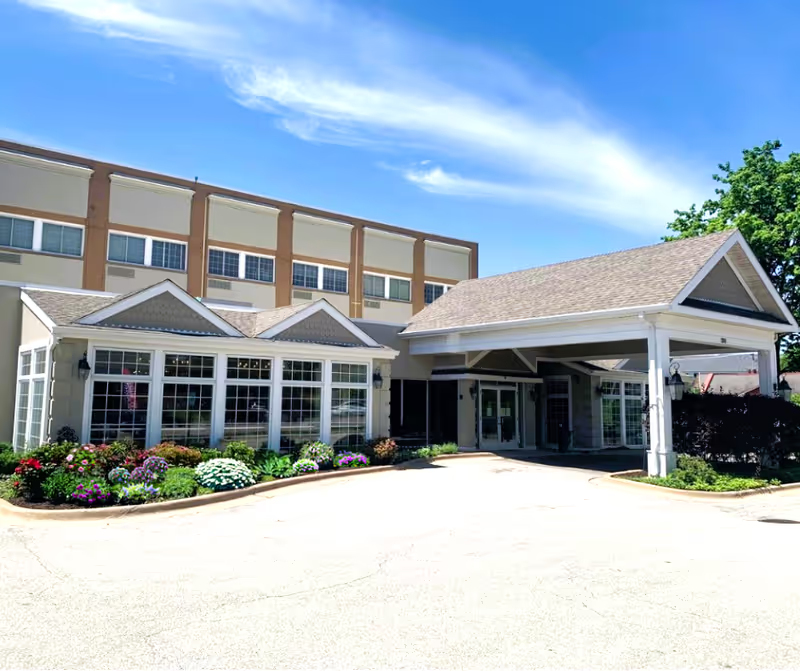
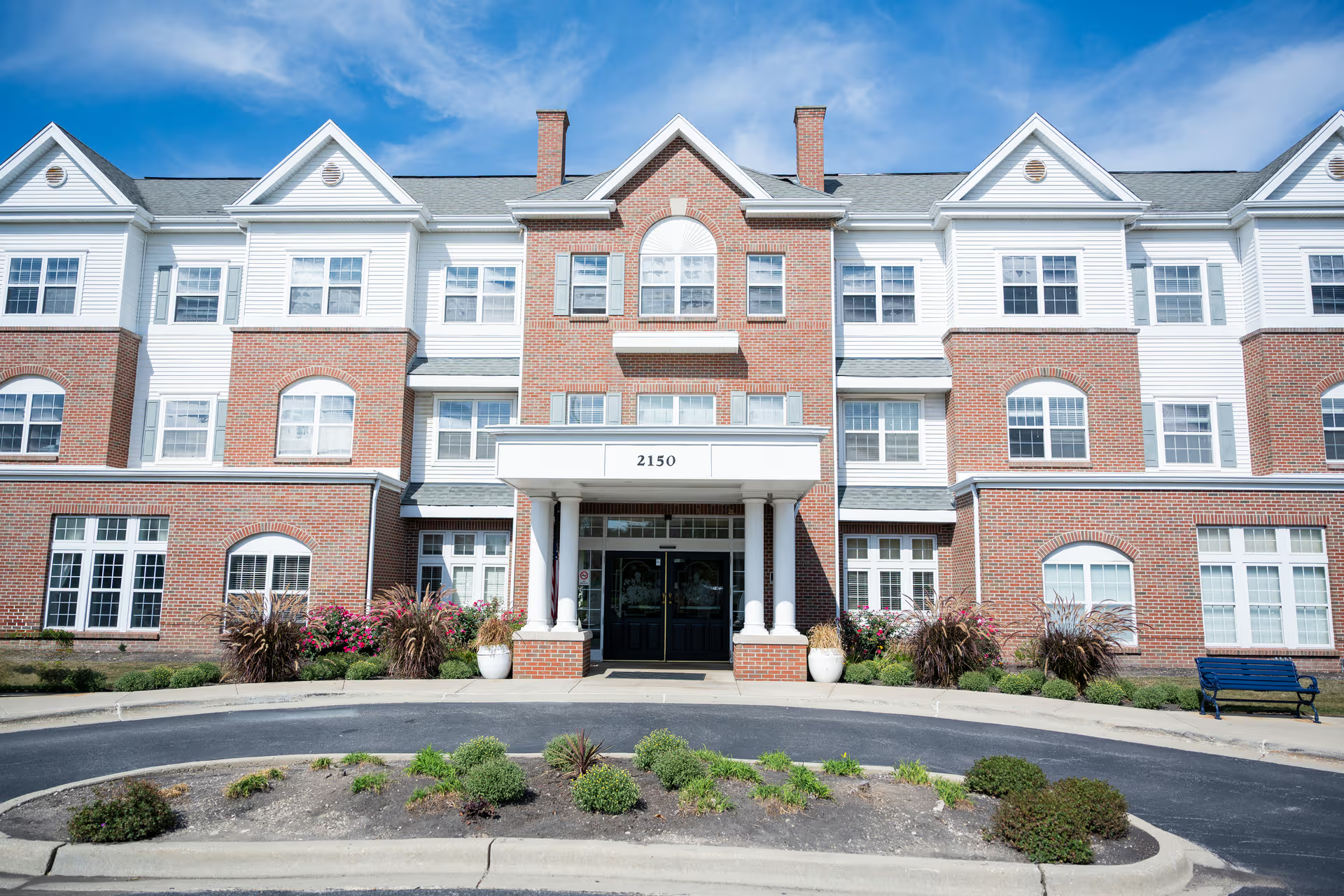
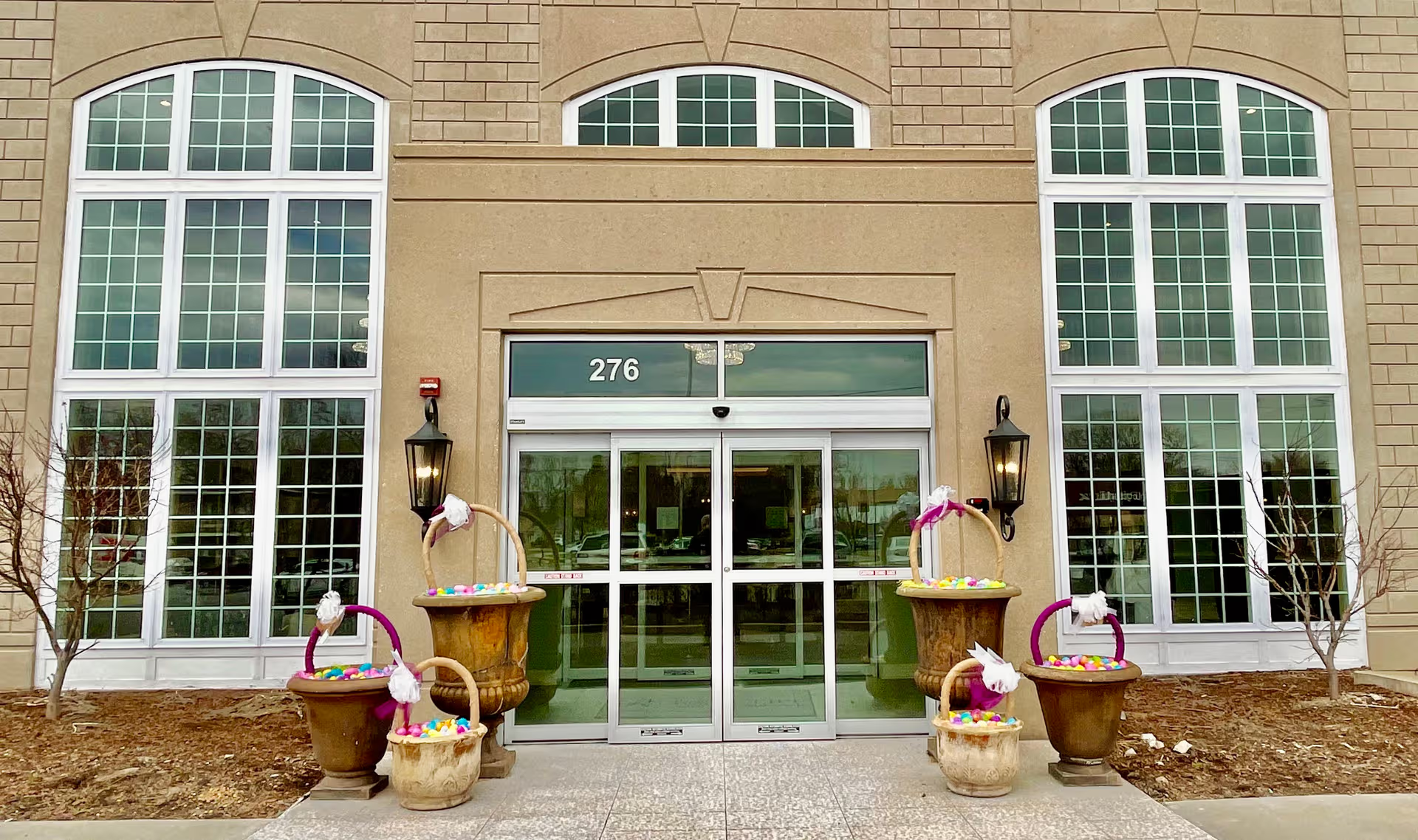
The Pearl of Elk Grove elicits a wide range of experiences. Many families and patients praised the facility’s rehabilitation strengths, cleanliness, and welcoming environment: reviewers commonly cited strong physical and occupational therapy programs, attentive and experienced nursing and CNA staff, well‑maintained common areas with ample natural light, pleasant outdoor spaces, and restaurant‑style dining in a number of units. Admissions and social‑services staff are frequently described as helpful and knowledgeable, and several accounts highlight effective discharge coordination and one‑on‑one advocacy for transitions of care.
Clinical care and staffing show a mixed picture. Therapy services (PT/OT) are a clear strength for short‑term rehab and post‑hospital recovery, with multiple mentions of daily therapy schedules and therapists tailoring exercise plans. Nursing and CNA performance was described both positively and negatively: many reviewers praised compassionate, long‑tenured staff and attentive nurses, while a consistent pattern of concerns centers on staffing instability, particularly at night, delayed responses to call lights, and inconsistent personal‑care routines (bathing and incontinence care). There are also reports raising serious clinical concerns — including wound care outcomes and issues that led to heightened family concern; these have given rise to allegations and concerns following a resident’s death in at least one account. Prospective families should ask specifically about wound‑care protocols, pressure‑injury prevention, and clinical oversight processes.
Dining and housekeeping are similarly variable. The facility offers restaurant‑style service and several reviewers were satisfied with meal quality and presentation; others reported late or cold meals and an inconsistent food program. Housekeeping and overall cleanliness received many favorable comments, but sanitation and odor concerns were raised in specific units or shifts. Maintenance and some room‑level fixtures (e.g., TVs, faucets, closet/storage space) were noted as areas needing improvement.
Management and operational patterns merit attention. Positive comments reflect helpful front‑desk staff, proactive admissions personnel, and social workers who facilitate care planning. Conversely, reviewers described communication gaps with administration, problems with timely transfer of records, apparent management turnover, and increased reliance on temporary staff—factors that appear to affect continuity of care. Night staffing, responsiveness to alarms and call buttons, and discharge planning processes were recurring operational weaknesses.
Activities and amenities are commonly regarded as strong points: an active activities program, salon, exercise and recreational rooms, and regular outings contribute to a home‑like atmosphere in many wings. Facility layout features—spacious corridors, single‑story sections, and private rooms with natural light—are often cited positively, though some residents experienced smaller shared rooms with limited storage.
Overall, The Pearl of Elk Grove offers demonstrable strengths in rehabilitation, therapy, and pockets of very compassionate care, alongside operational risks tied to staffing consistency, night coverage, call‑response times, and variable food and sanitation outcomes. The reviews are polarized: many highly positive experiences coexist with reports of serious care lapses. When considering placement, families should tour the building, observe staffing patterns across shifts, inquire about staffing ratios and use of agency personnel, review wound‑prevention and infection‑control protocols, confirm call‑light response expectations, and ask for documentation of medication and discharge‑planning practices.