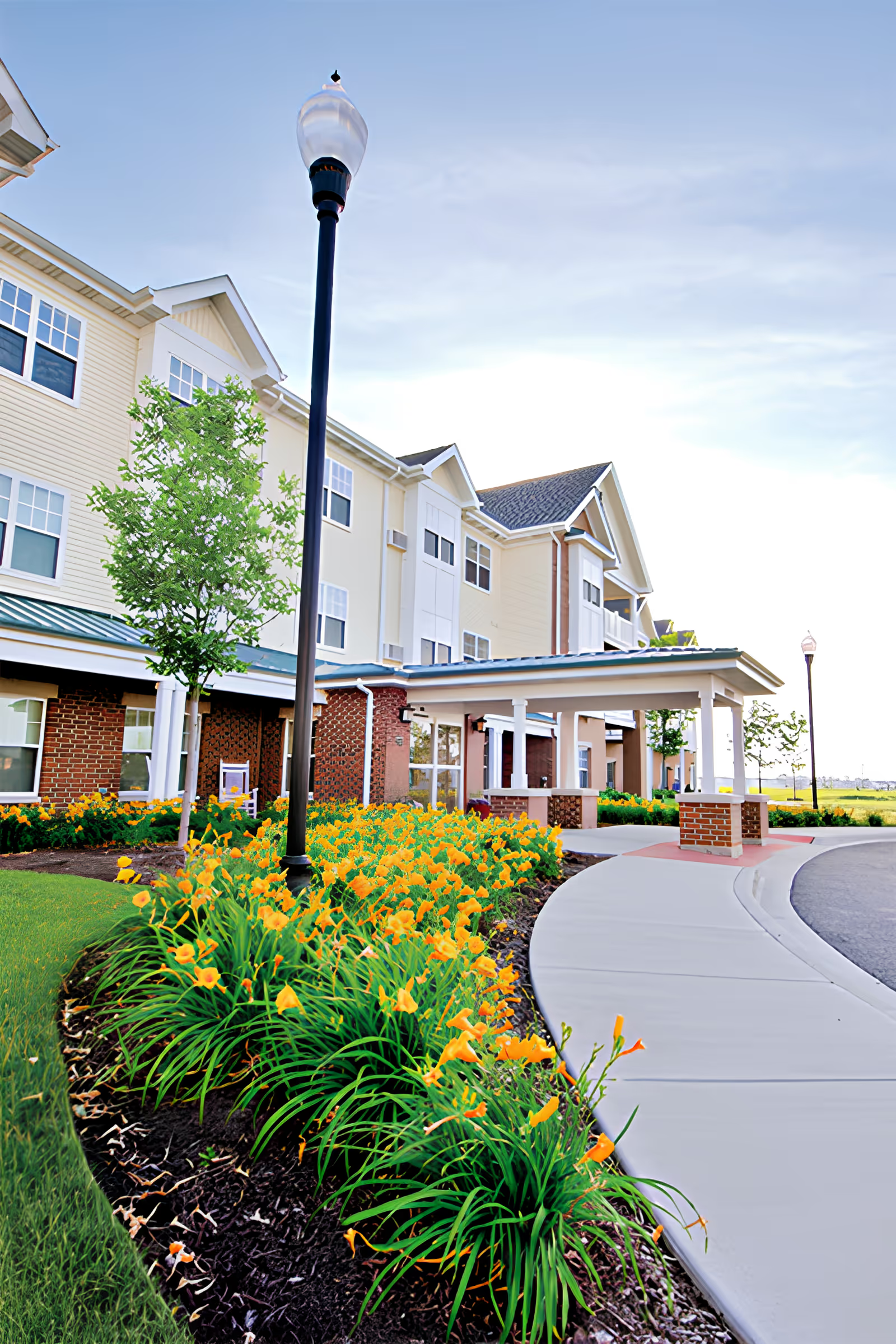
Reviewers present a highly mixed picture of care at the facility, with both strong endorsements and serious operational concerns. Positive accounts emphasize compassionate, skilled nurses and CNAs, effective therapists who achieve measurable recovery, an active and engaging activities program (often singled out by name), and a generally clean, well-maintained environment. Several families praised the dietary team for varied, well-seasoned meals and the facility’s ability to accommodate preferences and allergies. Maintenance responsiveness and attentive admissions/medical-records staff are also recurring strengths.
Conversely, a number of reviews describe systemic weaknesses that affect clinical care and family confidence. Communication breakdowns with families and poor administrative follow-through are frequently noted: missed or delayed updates, unanswered calls from management, and billing or deposit disputes. Staffing patterns—including heavy reliance on agency staff, high turnover, and chronic understaffing—are associated with delays in responding to call lights, inconsistent hygiene and toileting assistance, and variable CNA availability. Clinical-care concerns include gaps in wound care and pressure-injury prevention, some transfer- and gait-belt practice issues, and isolated reports suggesting medication-handling and bedside storage lapses.
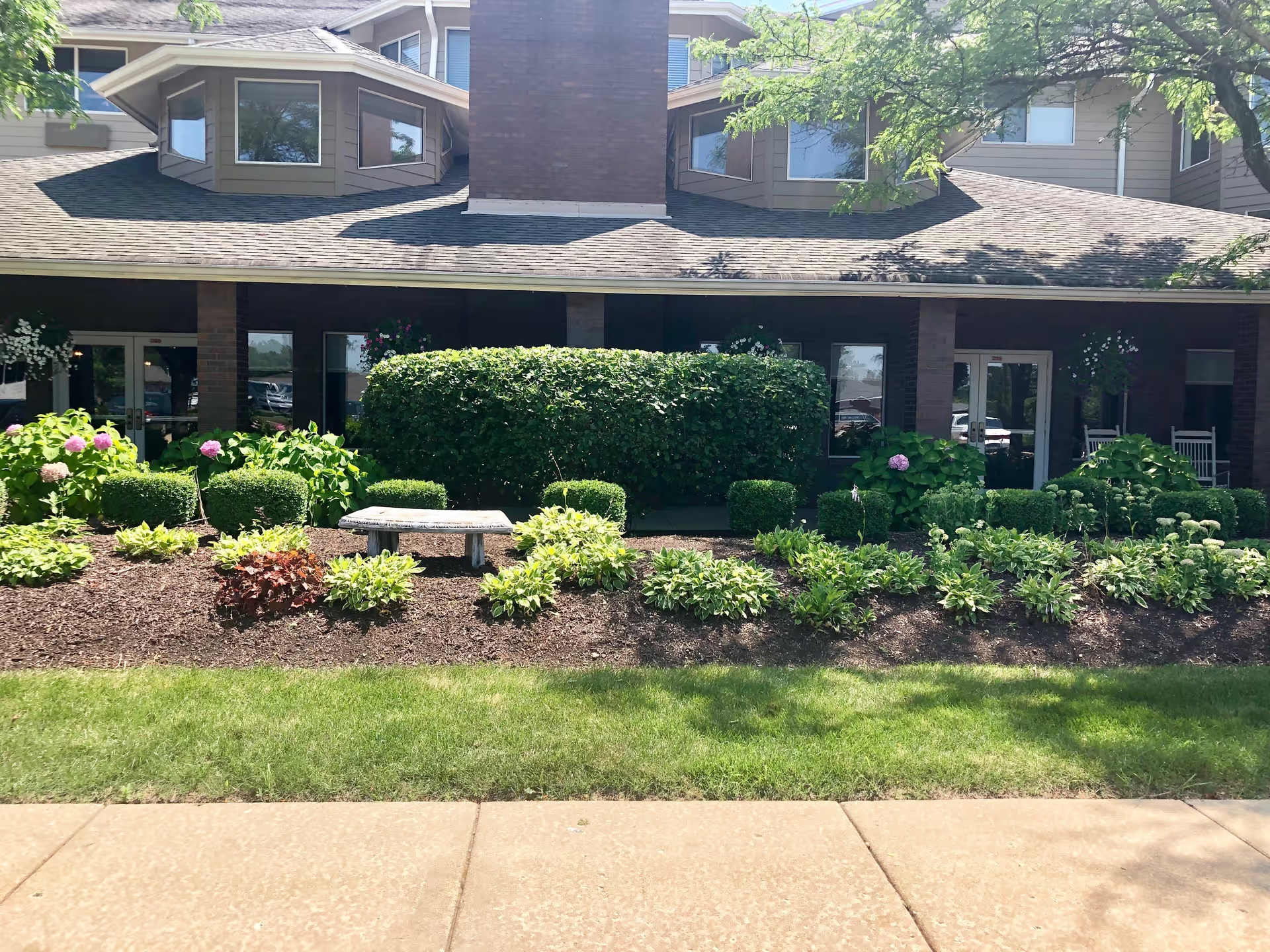
Dining and facilities receive mixed feedback. Many reviewers commend the dietary manager and the quality and variety of meals, while others report inconsistent meal temperature and occasional service lapses. The facility’s physical environment is described as clean and fresh-smelling by many families, but there are also sanitation and pest-control concerns, dusty areas, and limited climate control in parts of the building. Equipment and amenity issues (outdated beds or small/nonworking TVs in some rooms) were raised alongside praise for responsive maintenance in other instances. Reviewers also described real differences across wings and shifts, with some units cited for consistently better care than others.
Management and governance are a common theme. Several accounts highlight improvements under new leadership—calmer operations, stronger dietary oversight, and better resident care—while other reports point to unresponsive administration, poor communication about clinical and financial matters, and unresolved complaints. There are a small number of serious claims, including allegations of financial misconduct and concerns following resident deaths; these were not uniformly documented and should prompt direct inquiry. Families who had positive experiences often stressed individualized attention and strong teamwork among nurses, CNAs, therapists, and activities staff.
Taken together, the reviews suggest a facility with clear strengths in direct caregiving, therapy, activities, and certain operational areas, but with recurring organizational challenges that can affect day-to-day resident experience. Prospective residents and families would be well served to tour the specific wing under consideration, ask for current staffing ratios and turnover data, review wound-prevention and infection-control protocols, verify billing and deposit policies in writing, and request regular family communication plans before admission.