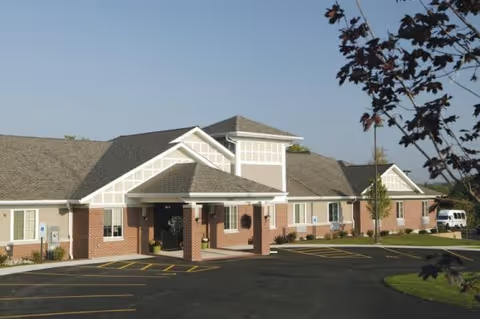
Village at Victory Lakes elicits strong positive impressions around staff engagement, rehabilitation services, amenities, and campus environment, while also showing recurring operational weaknesses that prospective families should evaluate.
Care quality and staffing: Many families praised the compassionate nature of caregivers, strong therapy and rehab teams, and individualized nursing attention in non-skilled settings. The community offers a clear clinical continuum—independent living through memory care and hospice—which several reviewers found helpful for long-term planning. At the same time, a recurring theme is variability in staffing levels and responsiveness. Reviewers described delayed assistance calls, uneven attention in skilled nursing contexts, and inconsistent caregiver conduct. These accounts point to staffing and supervisory variability rather than uniformly poor care; some units and teams are consistently praised while others are described as less reliable.
Clinical processes and transitions: Strengths include attentive case managers and proactive social-services staff when present. However, reviewers identified operational gaps in medication management, clinical handoffs, and discharge coordination—examples include missing prescriptions at discharge and unclear discharge communication. These issues suggest the facility may benefit from clearer cross-shift protocols and tighter pharmacy/discharge workflows to ensure continuity of care for complex medical needs.
Dining and nutrition: The community provides restaurant-style dining, meal plans, and accommodations for dietary restrictions; many residents and families complimented specific menu items and personalized meal handling. At the same time, dining quality appears inconsistent across time and reviewers: some describe excellent food and attentive dietary staff, while others noted declines in meal quality, limited menu flexibility, or service-model issues in the dining rooms. Prospective residents should sample meals and ask about current menu cycles and accommodations.
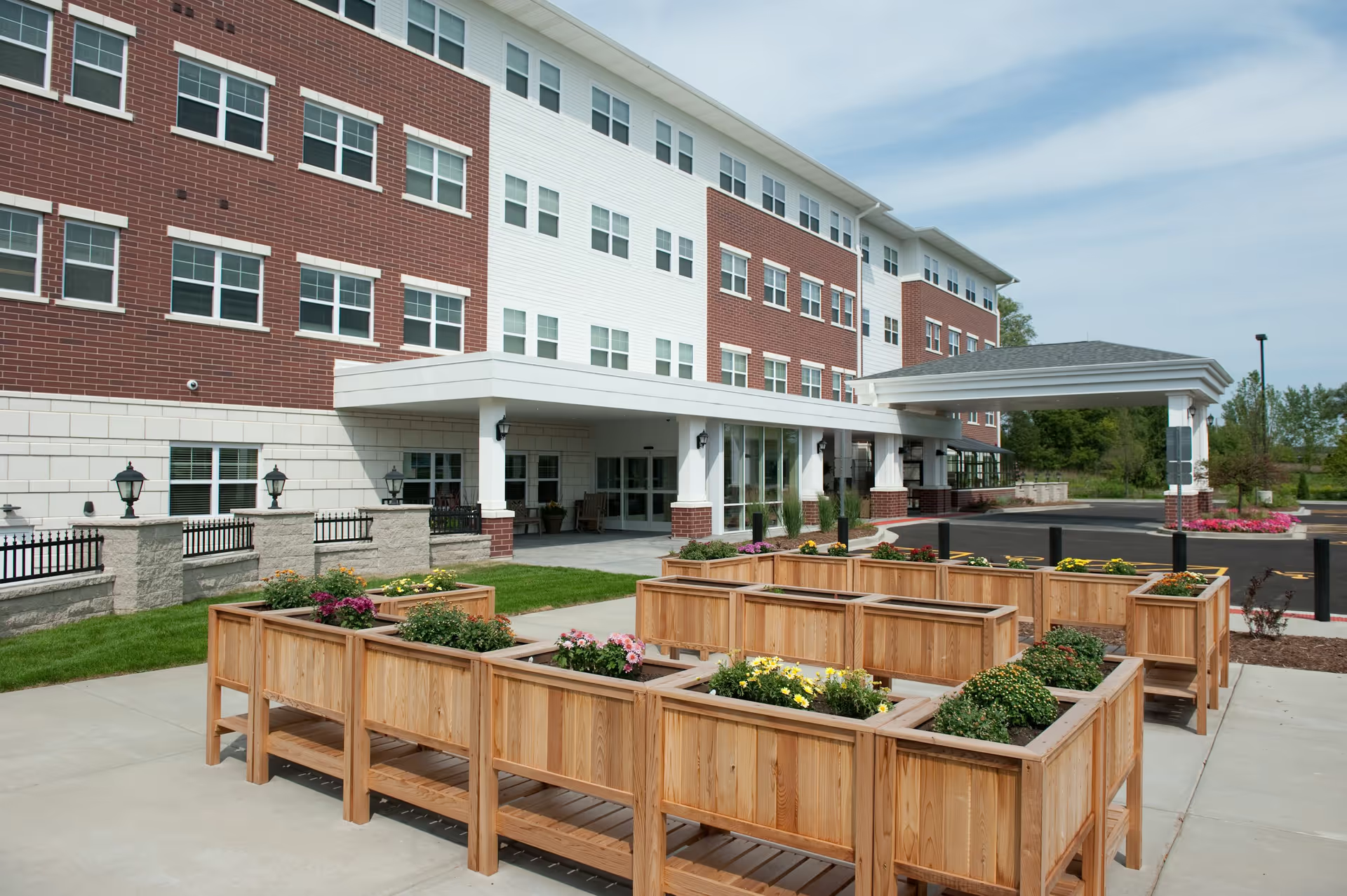
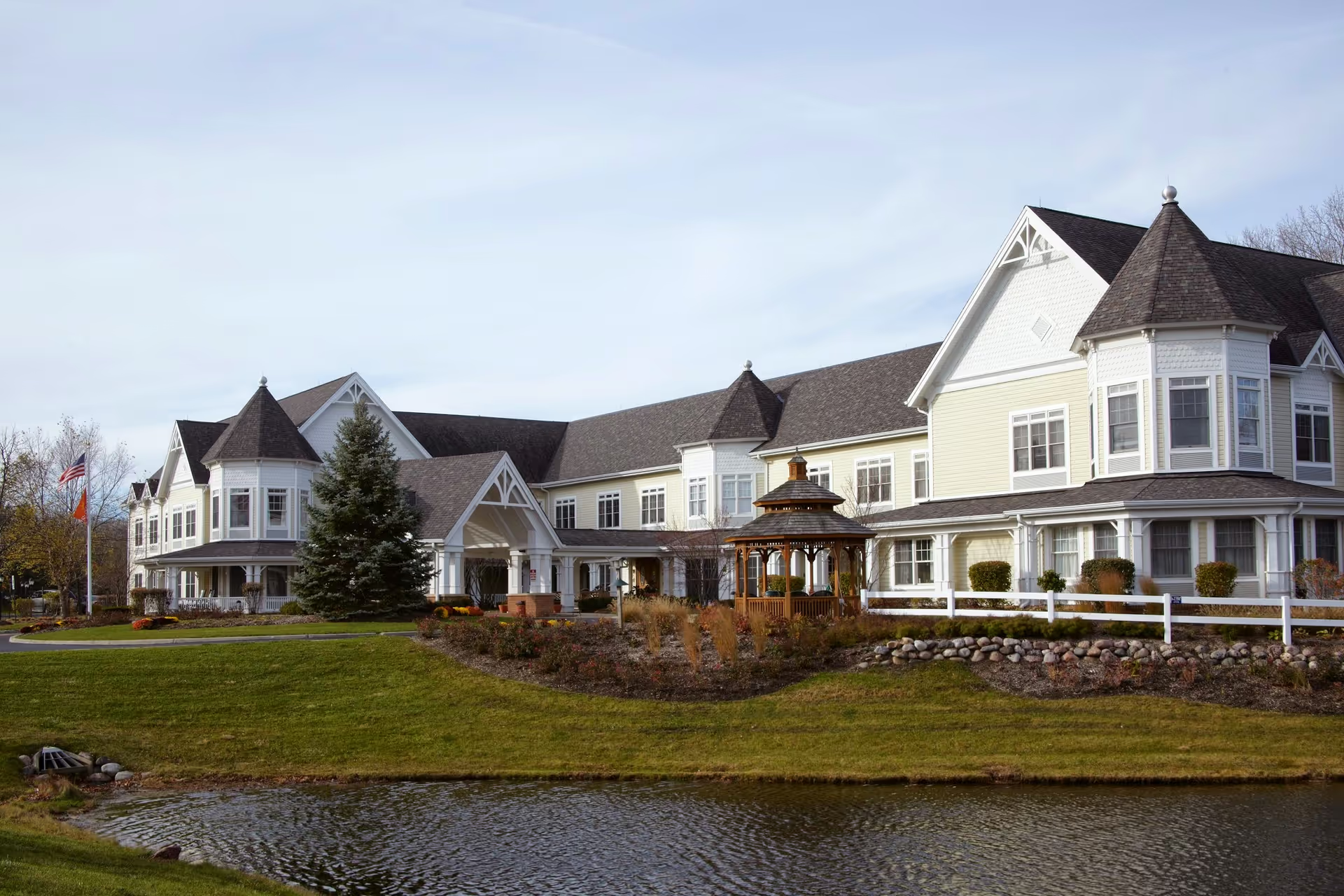
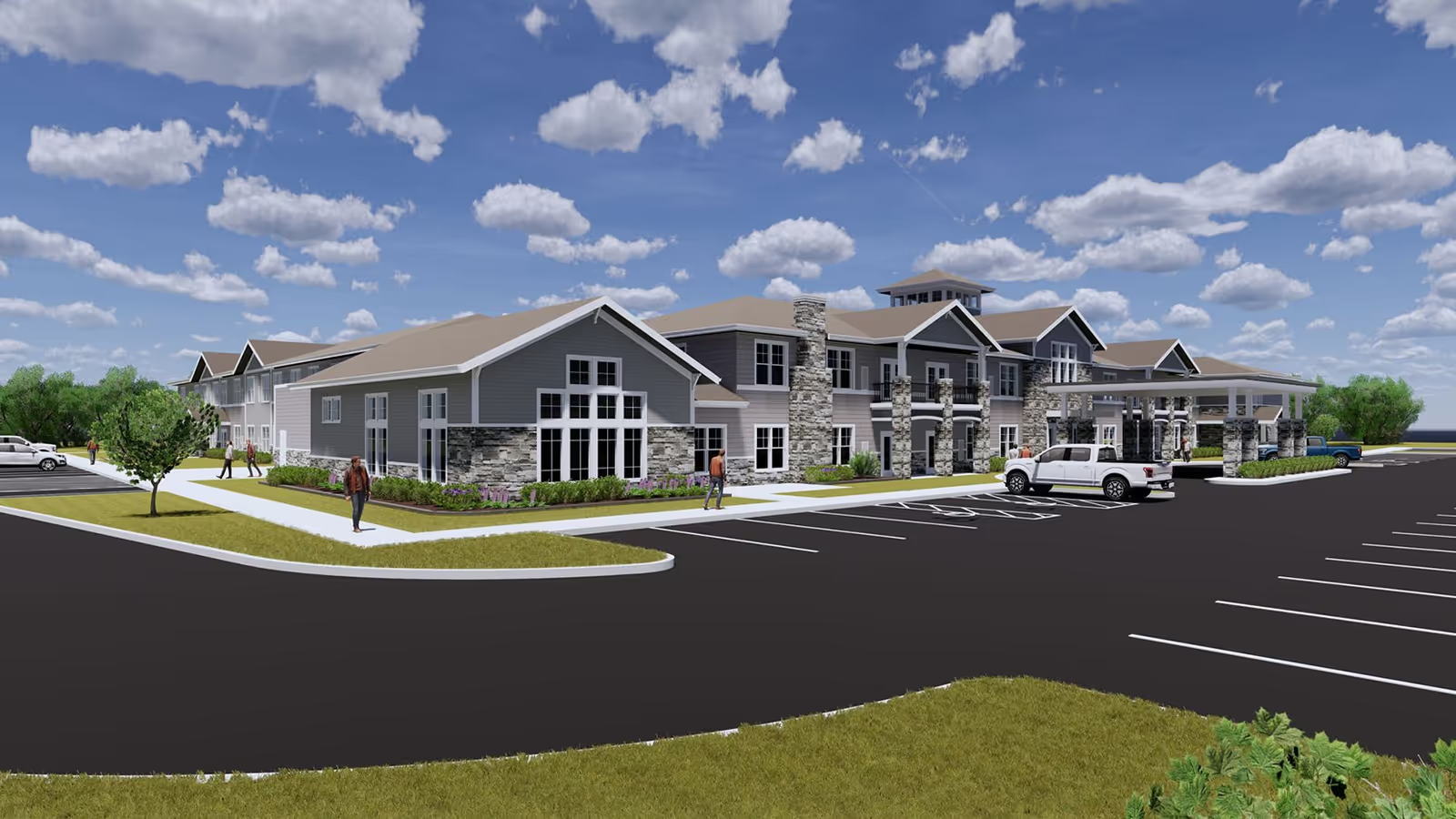
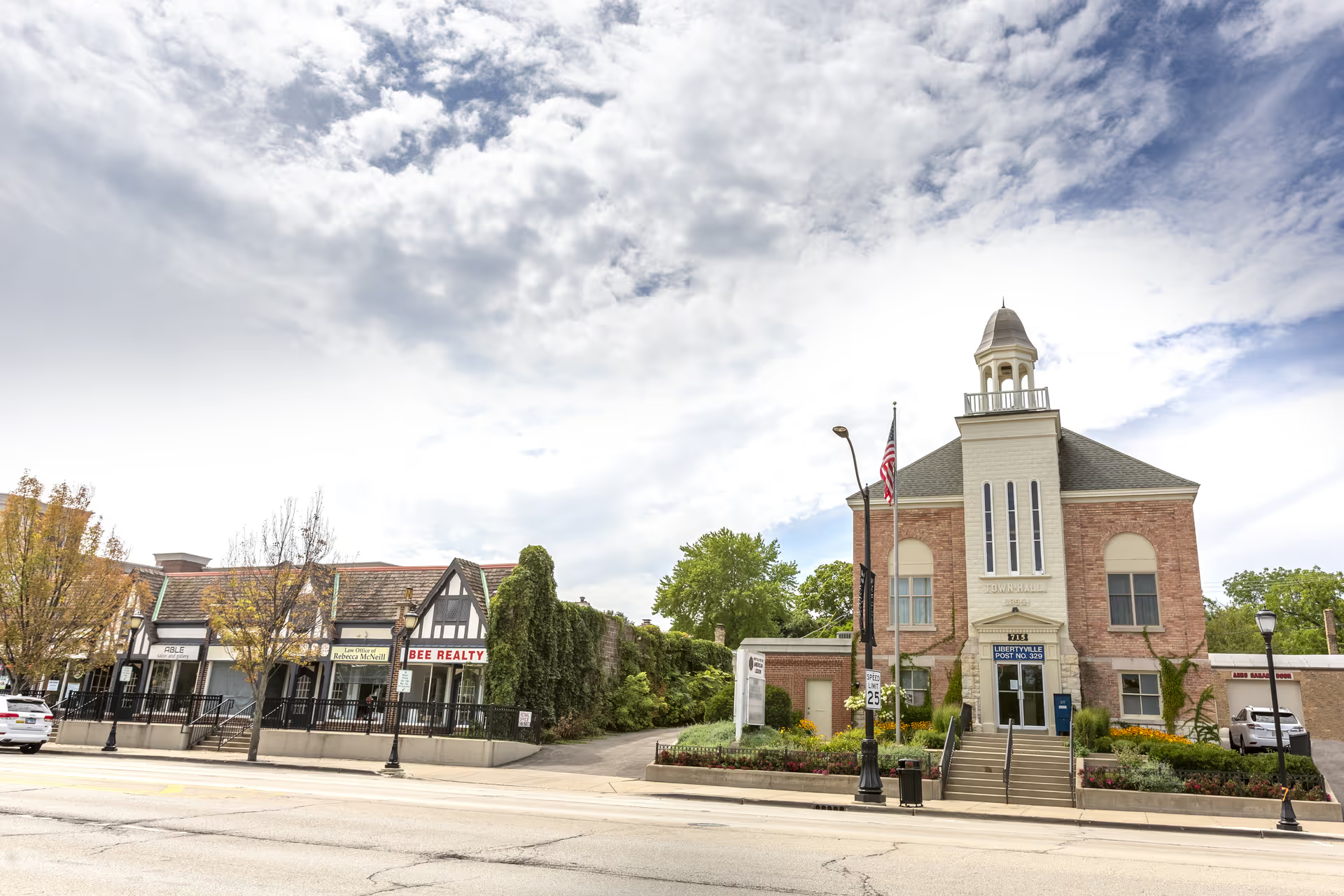
Activities, amenities, and facilities: Victory Lakes scores highly for activities, social programming, and campus amenities. Life-enrichment programming, transportation for outings, fitness classes, and varied on-site options (theater, pub, salon, library) are repeatedly cited as strengths that support an active social life. Units are generally described as bright and well-appointed, with attractive grounds and outdoor trails. The setting is often characterized as resort-like, though a few families noted that the campus is somewhat distant from shopping and town activities.
Management, billing, and policies: Management responsiveness receives mixed assessments. Many families reported that management listened and addressed concerns promptly; others described billing disputes, opaque charges (including fees for unused services), and perceived rigidity in buy-in/minimum-stay policies. These operational and financial issues appear to be a consistent source of family frustration and merit careful pre-admission review of contracts, refund policies, and billing practices.
Notable safety and operational patterns: A small but important cluster of reviews raised concerns about sanitation and laundry processes, security or infection-control events (including COVID-era issues), and occasional lapses in skilled-nursing oversight. While not universal, these concerns highlight the importance of verifying infection-control practices, staff training, and oversight for residents with higher medical needs.
Bottom line and recommendations: Village at Victory Lakes offers a strong amenities package, active life-enrichment, and many dedicated staff and clinical teams that families found supportive and effective, particularly for rehabilitation and long-term continuum planning. However, variability in staffing, medication/discharge coordination, dining consistency, and administrative transparency are recurrent operational weaknesses. Prospective residents and families should tour multiple care neighborhoods, request recent staffing ratios and turnover data, review the discharge/medication handoff process, sample meals, and obtain a detailed explanation of buy-in and billing policies before committing. Asking for references from current families in the specific care level of interest (independent, assisted, memory, or skilled nursing) may provide the most relevant perspective for individual needs.