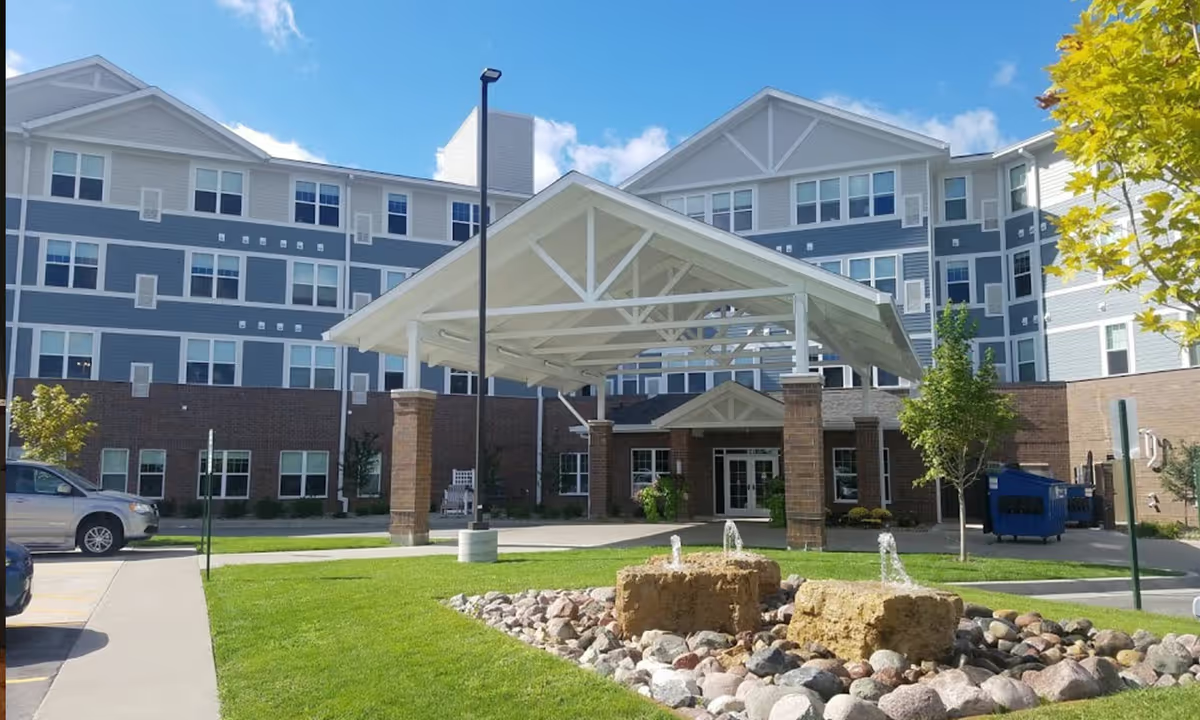
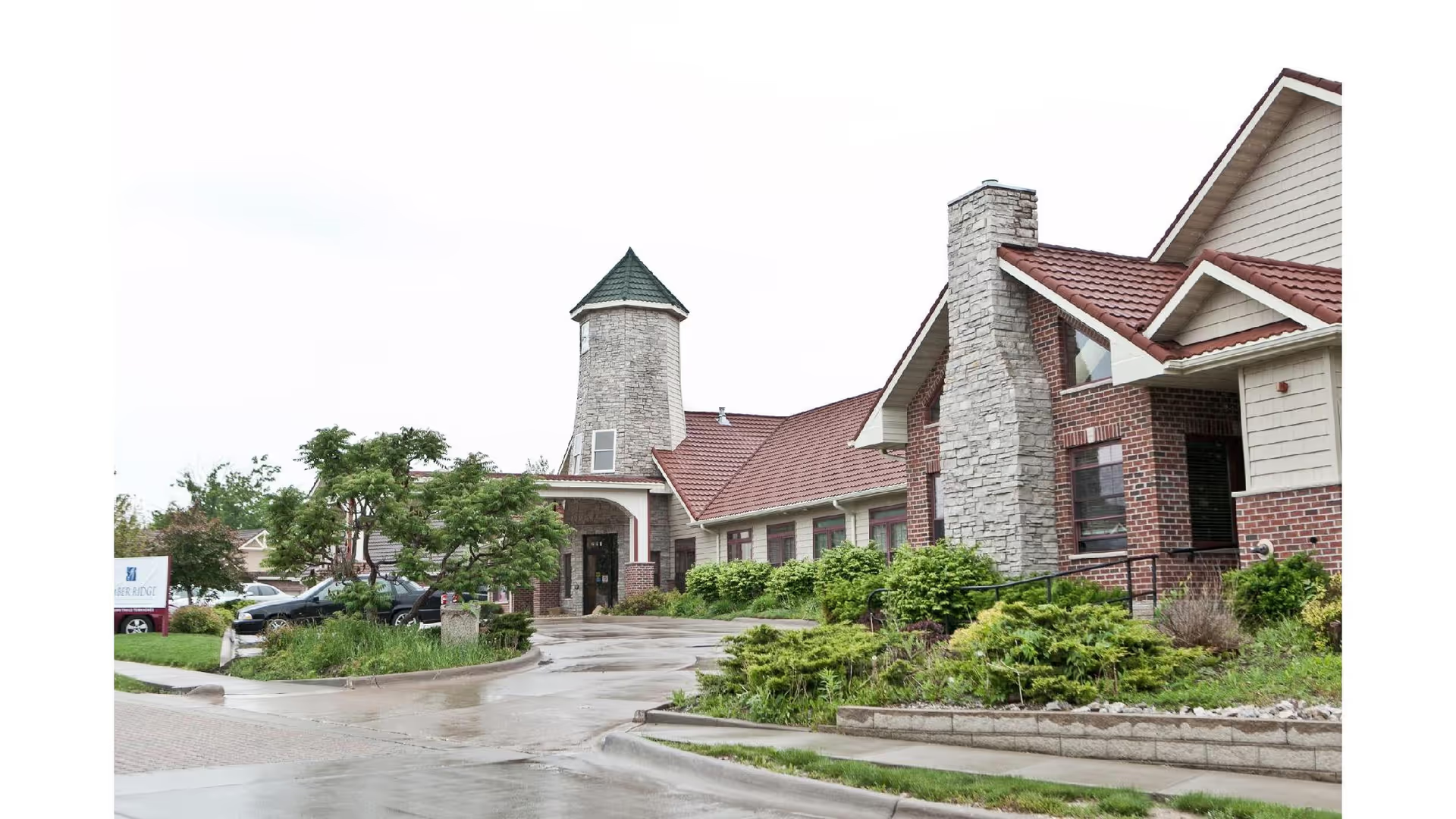
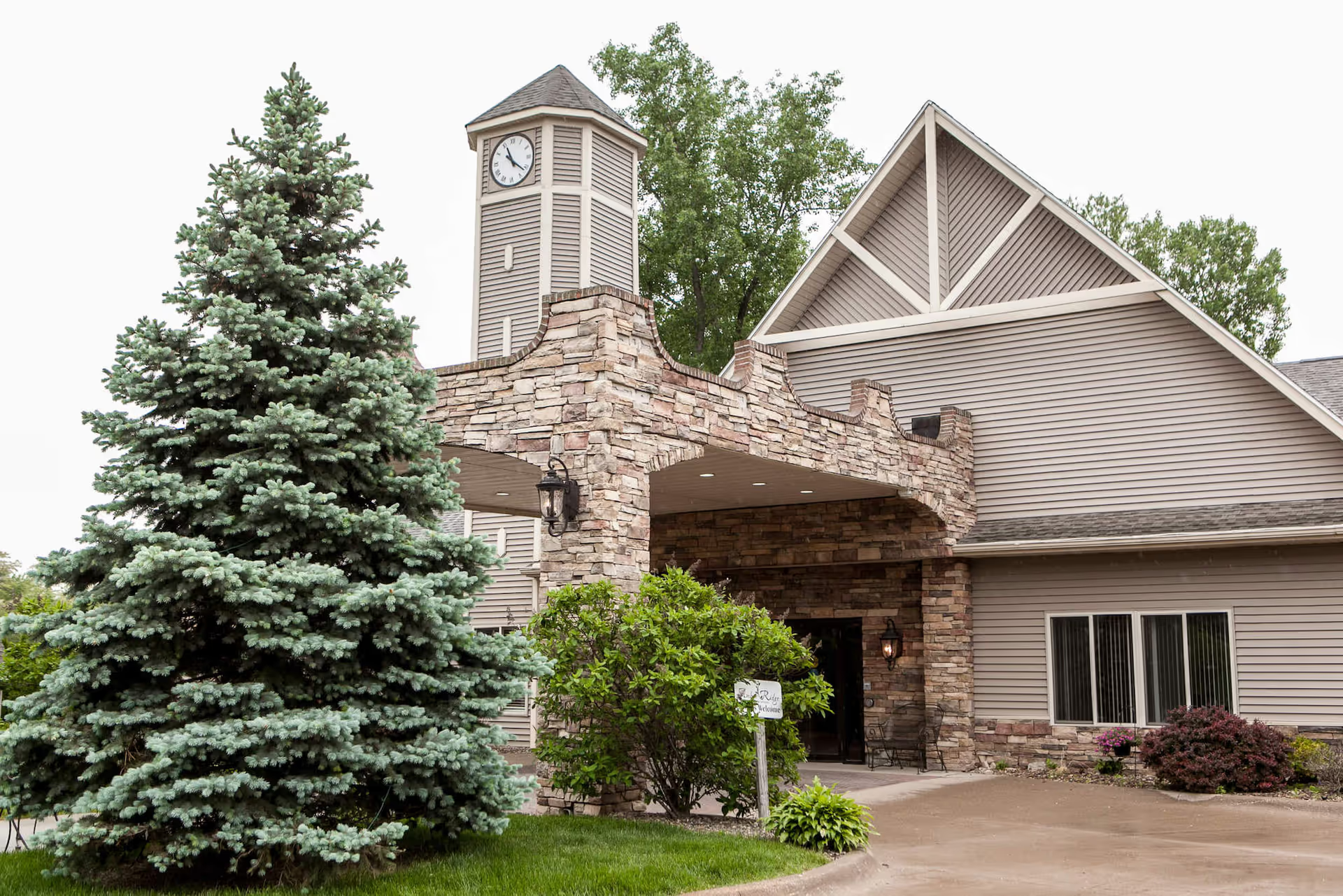
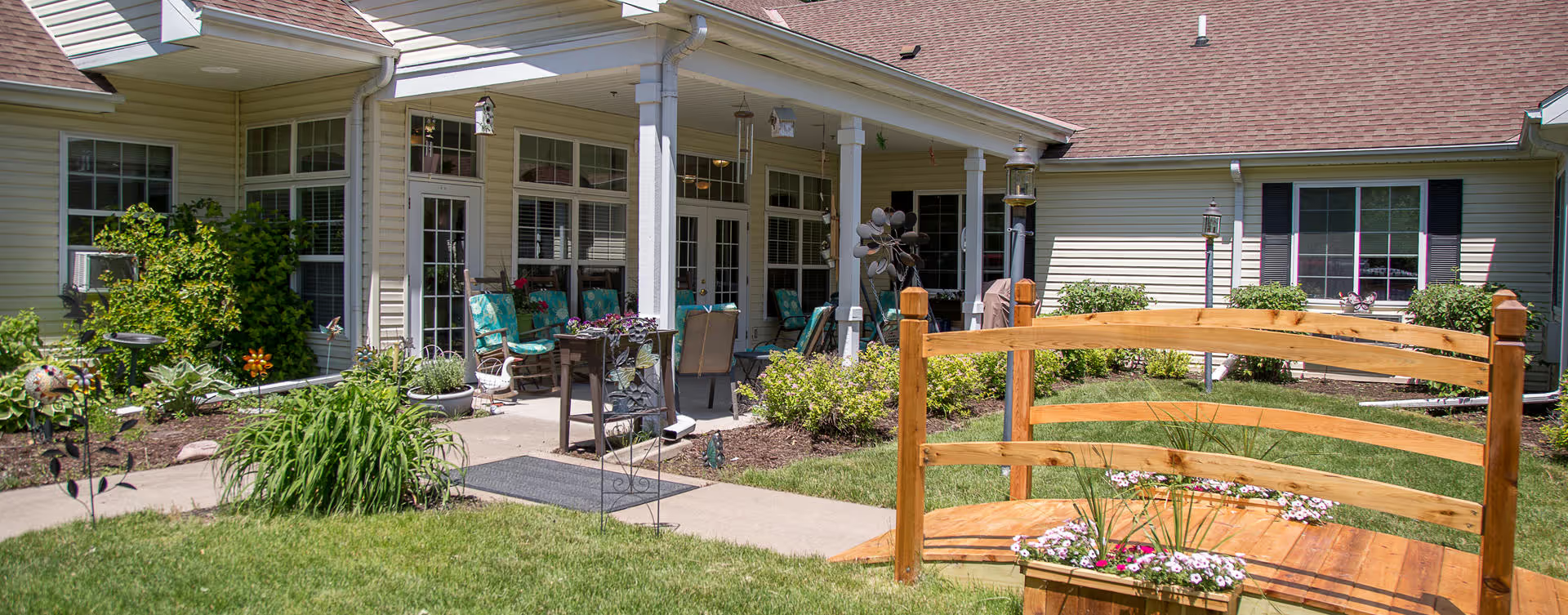
Feedback presents a mixed but clear pattern: the facility demonstrates important clinical and program strengths alongside operational inconsistencies that families should assess before placement. Rehabilitation services and therapy staff receive consistently strong praise for restoring function and enabling discharge home. Nursing assistants and many nurses are described as compassionate and helpful, and several reviewers highlight specific staff members as attentive and knowledgeable. The facility is generally described as clean, with bright rooms, private-room options, and accessible outdoor spaces that contribute to a pleasant environment for residents.
Care quality shows a dual character. On one hand, therapy, day-to-day assistance, and many hands-on caregivers are described as skilled and effective. On the other hand, reviewers raise recurring concerns about clinical oversight and medication-management processes — examples include feeding or medication decisions that were questioned by families and at least one serious clinical concern following a resident's death that reviewers highlighted. There are also consistent accounts of delayed responses to call lights and delays in attending to resident needs, which reviewers link to staffing levels and workload. Families should ask about nurse-to-resident ratios, response-time expectations, and medication-administration protocols.
Communication and management practices are a prominent pattern. Many families found front-line staff approachable and supportive, but experiences with social work and administrative leadership vary considerably. Specific operational weaknesses include inconsistent admission and checkout procedures, unclear family-notification practices, and variability in how managers involve or inform families when care decisions are made. Reviewers also describe differences in how individual managers and social workers handle visitation, disputes, and resident placement decisions; transparency around these processes appears uneven.
Dining and activities are generally strengths, but not uniformly so. The dining program is frequently described as generous with good variety and the ability to accommodate allergies, and there are multiple dining rooms to match assistance needs. At the same time, reviewers report intermittent issues with meal accuracy, temperature, and unintentional dietary nonadherence. The activities program is robust, with scheduled daily options, musical events, in-room activities, and outings that many families found engaging and appropriate for memory-care residents.
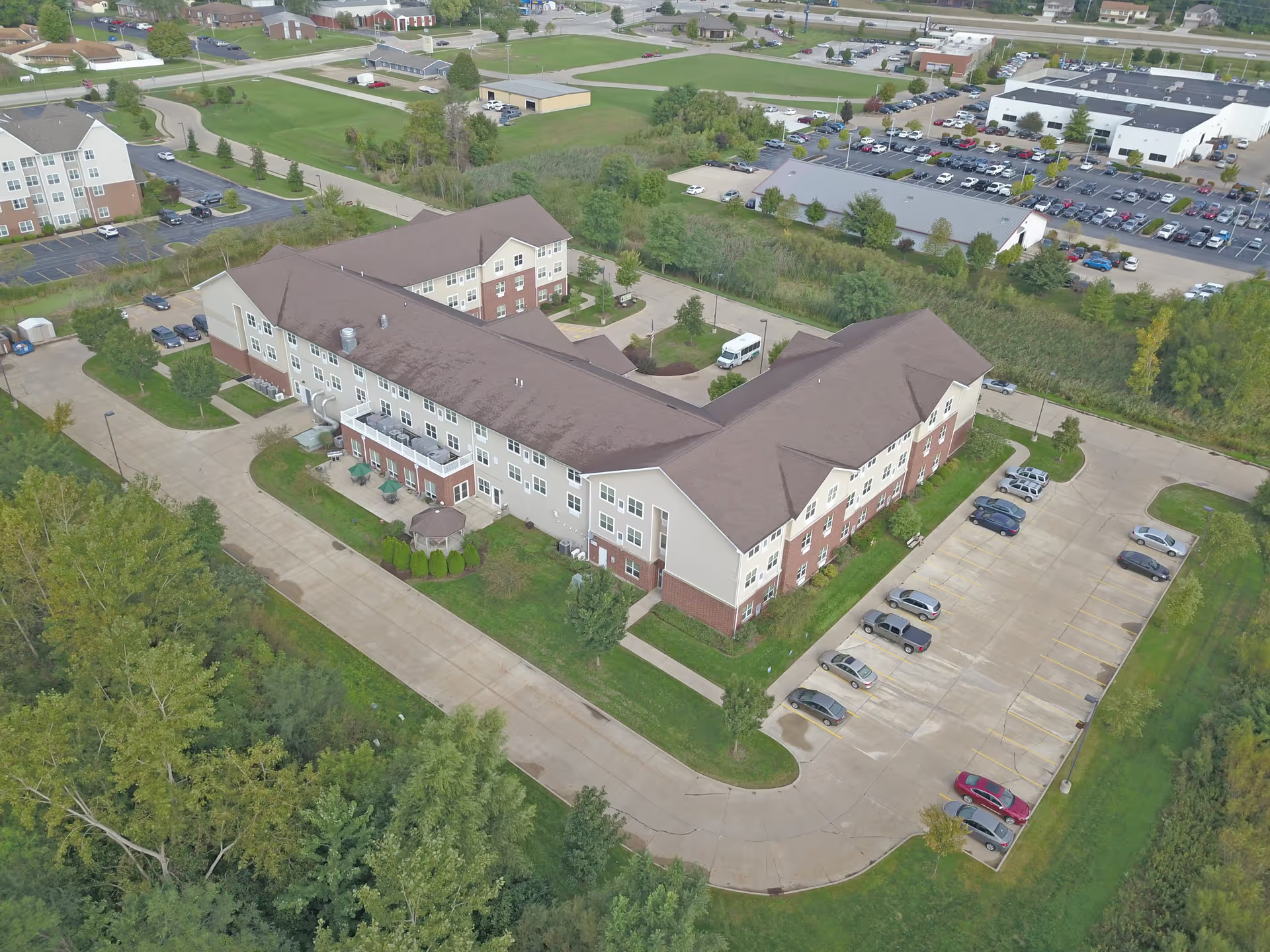
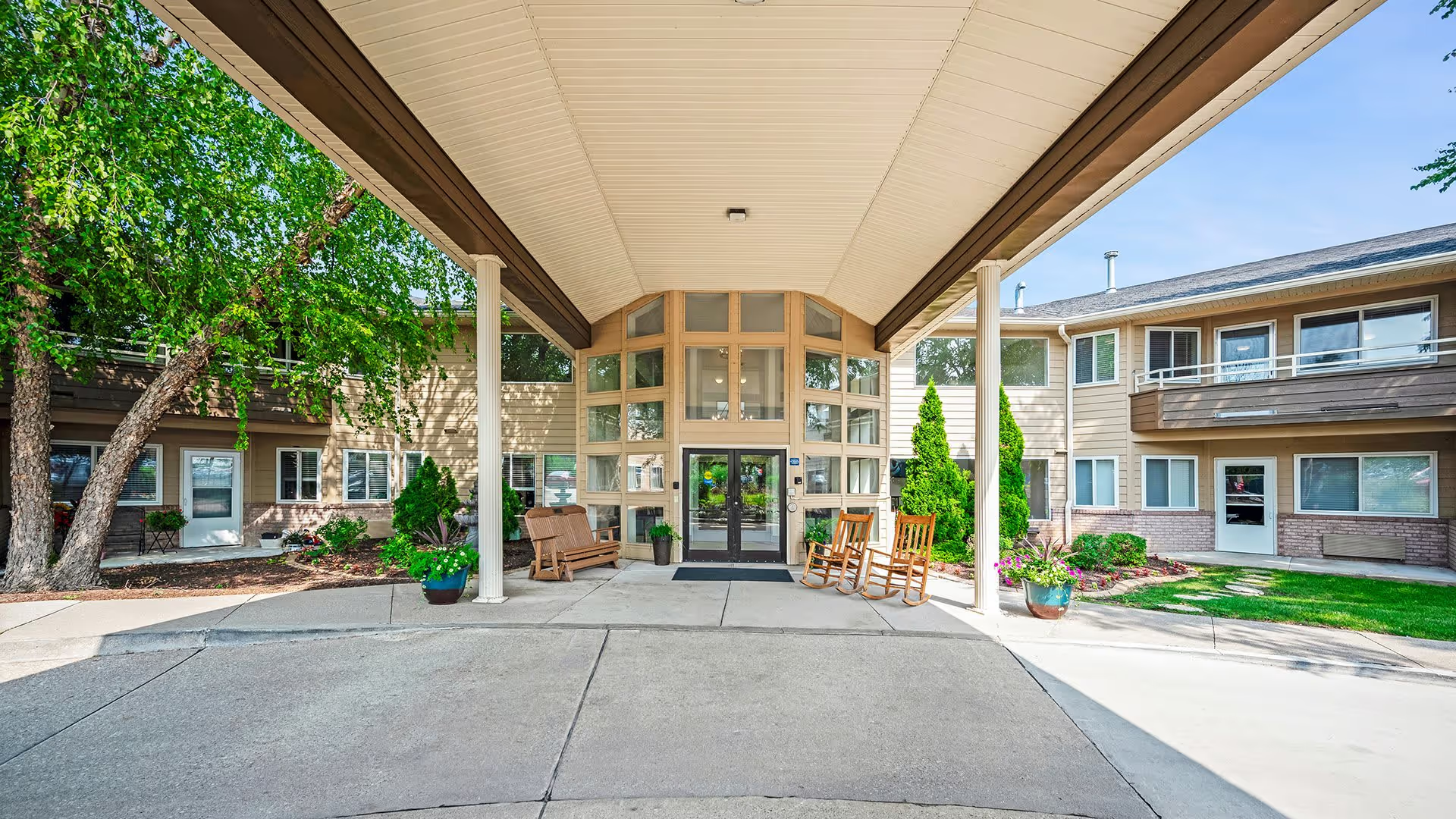
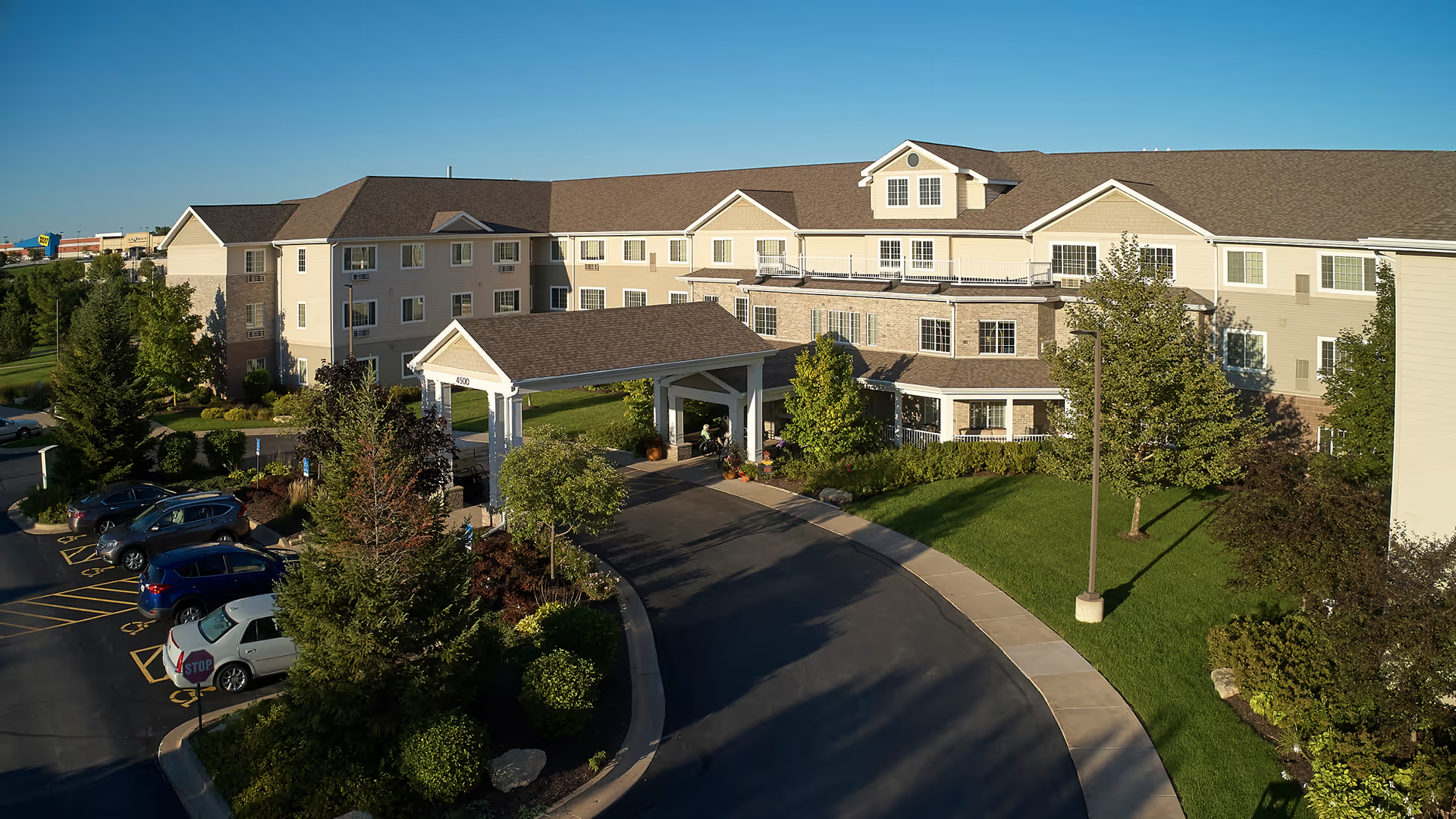
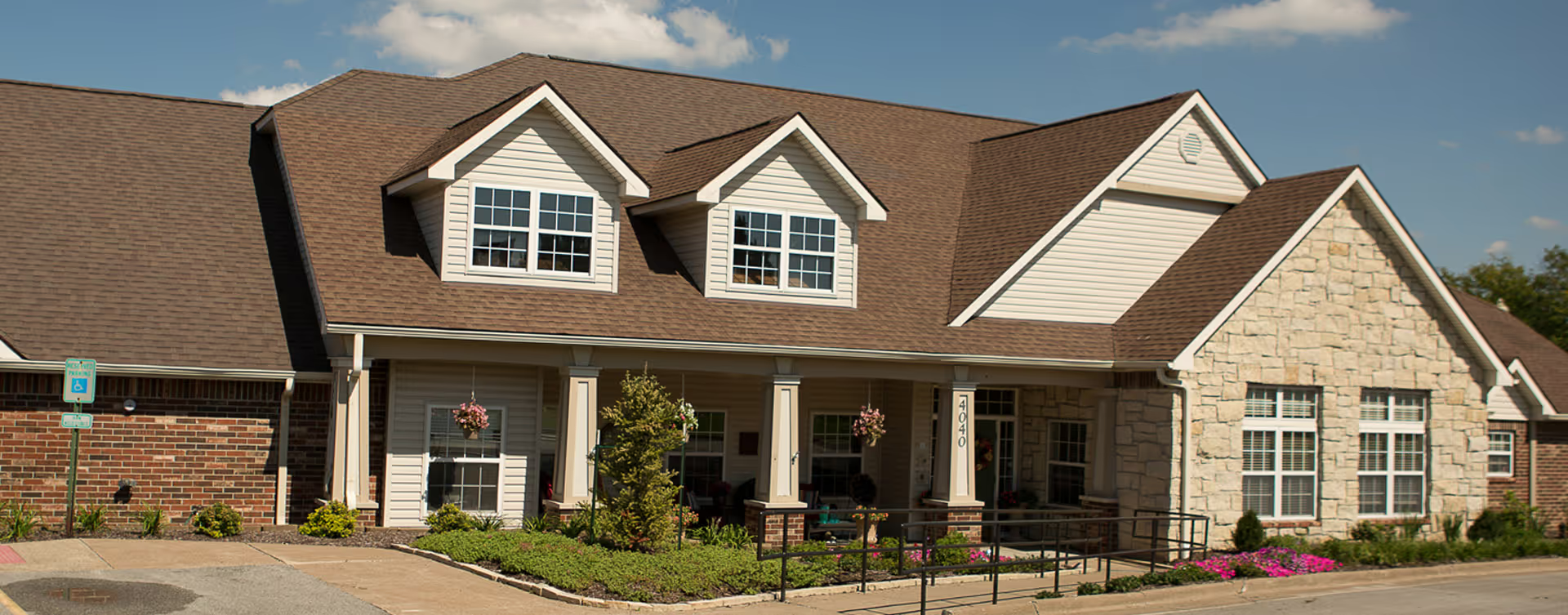
Facility characteristics are positive in many respects: the building and common spaces are described as clean and well-maintained; memory-care areas are secured and separated for safety; rooms are often bright with large windows; and outdoor porches/patios are available. Operational facility concerns include equipment maintenance (for example, wheelchair condition and other safety equipment), occasional plumbing/room maintenance issues that were corrected, and roommate-placement practices that can result in limited visitor space or disruptive roommates for some residents.
In sum, Allure of Quad Cities appears to offer strong rehabilitation services, a lively activities program, and many dedicated caregivers, alongside persistent operational issues in staffing consistency, clinical oversight, communication, and meal-service reliability. Prospective residents and families should consider touring during mealtimes and activities, ask specific questions about staffing ratios and response times, review medication and behavioral-management policies, and clarify admission/discharge and visitation procedures before placement.