Overall impression: The reviews reflect a polarized but informative picture of Celebrate of Moline. Many families and resident accounts describe genuinely attentive, compassionate caregivers, strong therapy services, and an active activities program. At the same time, a distinct subset of reviews cites operational problems that have direct implications for safety, hygiene, and continuity of care. Prospective residents and families should weigh both the strengths and the operational risks described below and verify current conditions with an on-site visit and direct questions to management.
Care and clinical oversight: There are repeated compliments about nurses, CNAs, and therapists who provide hands-on, respectful care and good therapy outcomes. Families noted rapid healing after coordinated therapy, clear clinical communication in favorable cases, and timely medication distribution for many residents. Conversely, other reviews describe clinical gaps—most notably in wound management, monitoring of chronic conditions (including acute blood-sugar events), and inconsistent follow-through on identified clinical issues. These descriptions suggest variability in clinical oversight and escalation practices across shifts and units.
Staff and responsiveness: Positive reviews emphasize warm, engaging, and family-oriented staff who create a comfortable atmosphere and build rapport with residents. However, a frequent operational theme is inconsistent staffing levels and uneven responsiveness. Reviewers described long waits for assistance, limited shower support, unanswered call bells, staff distraction or poor communication tone, and uneven behavior among frontline employees. These patterns point to staffing and supervision pressures that can affect day-to-day responsiveness even where individual caregivers are highly regarded.
Dining and activities: Dining and activity offerings are frequently cited as strengths. Many families praised varied, tasty, and customizable menu options as well as a robust schedule of social programs (arts and crafts, bingo, restaurant clubs, holiday events, and commemorative gestures). That said, a minority of reviews raise concerns about meal timing, occasional declines in food quality, and late dinners during particular shifts or units. Overall, activity programming and therapy coordination appear to be reliable positive contributors to resident satisfaction in many cases.
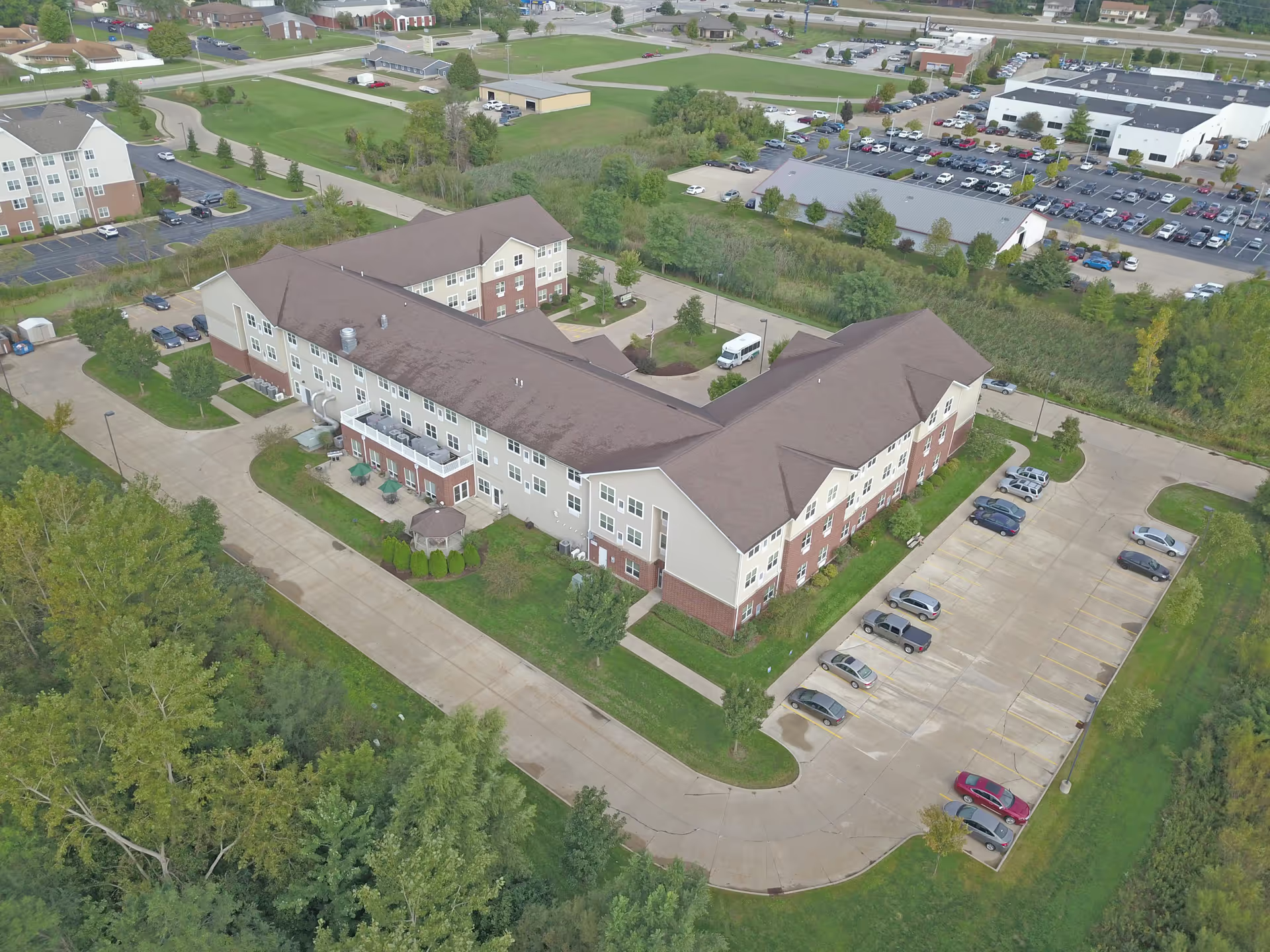
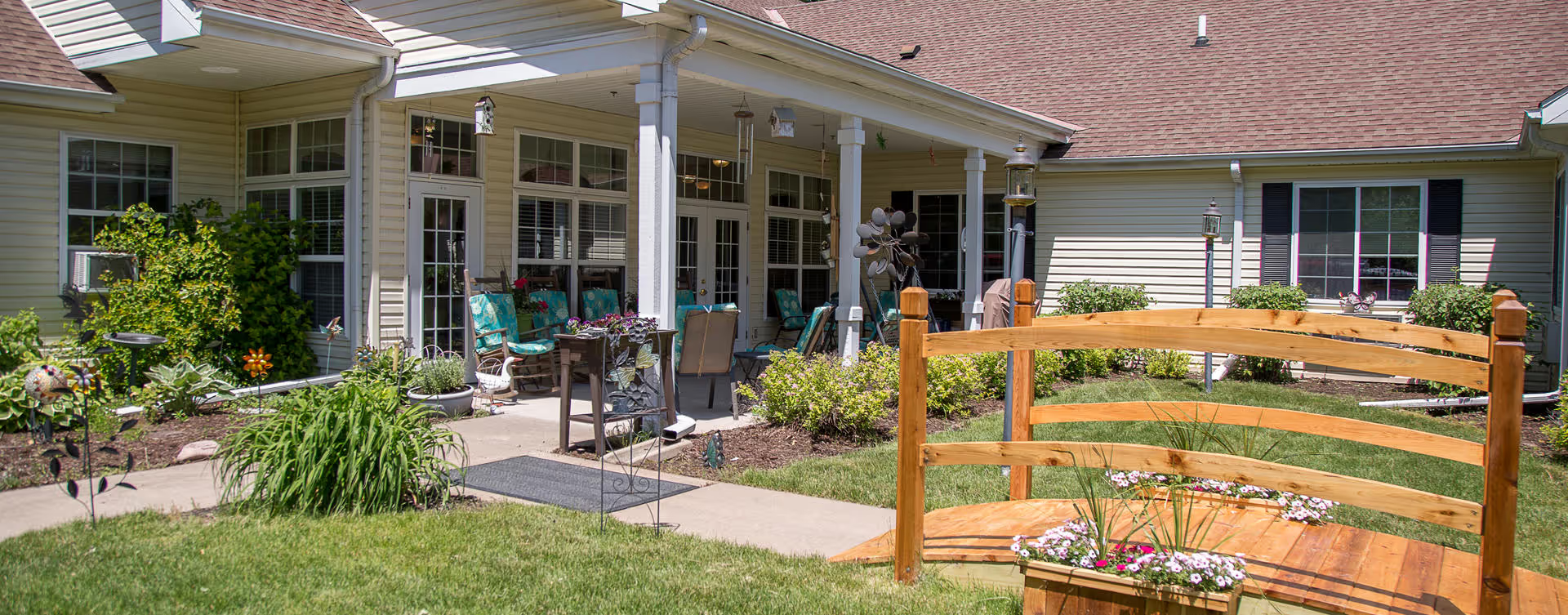
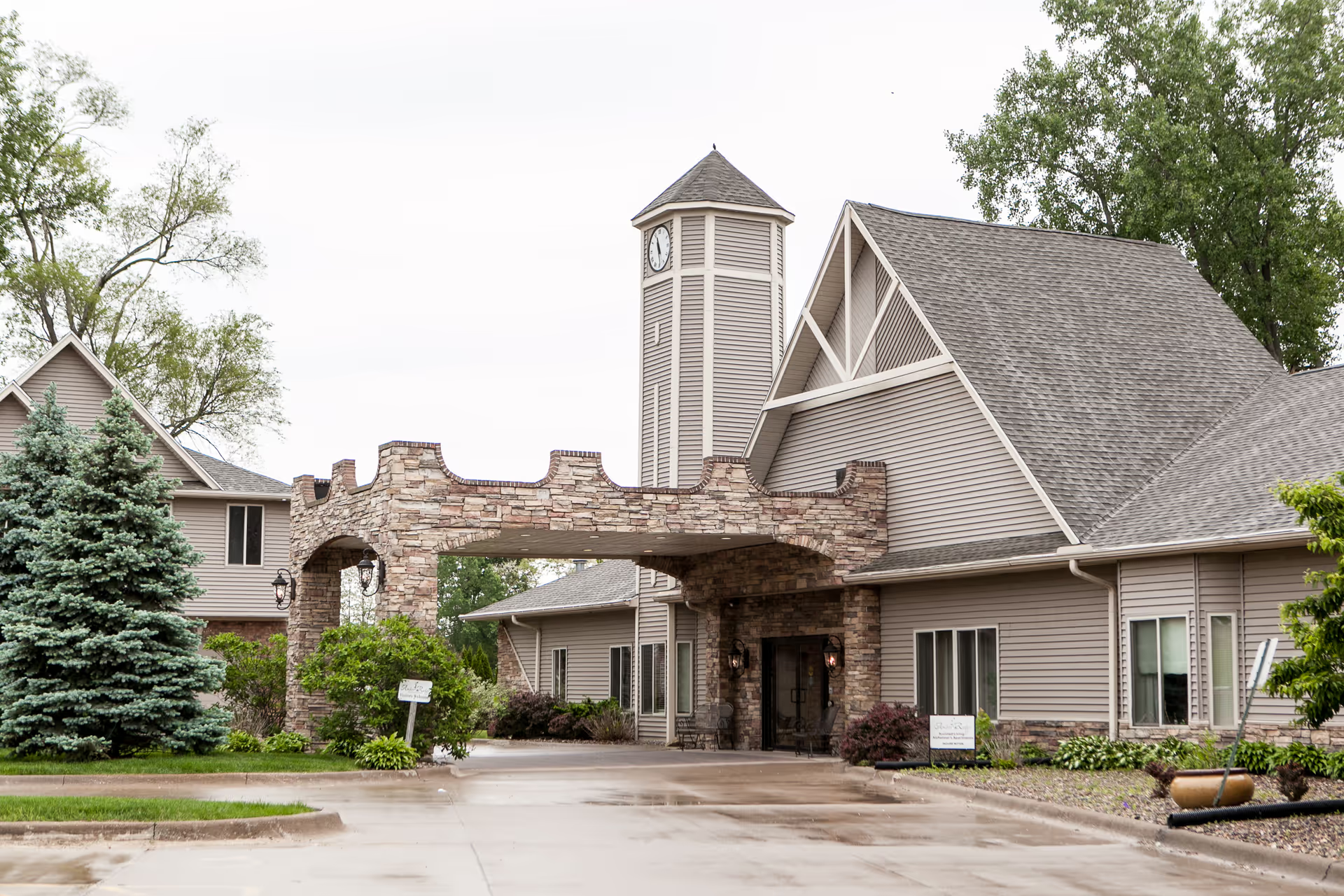
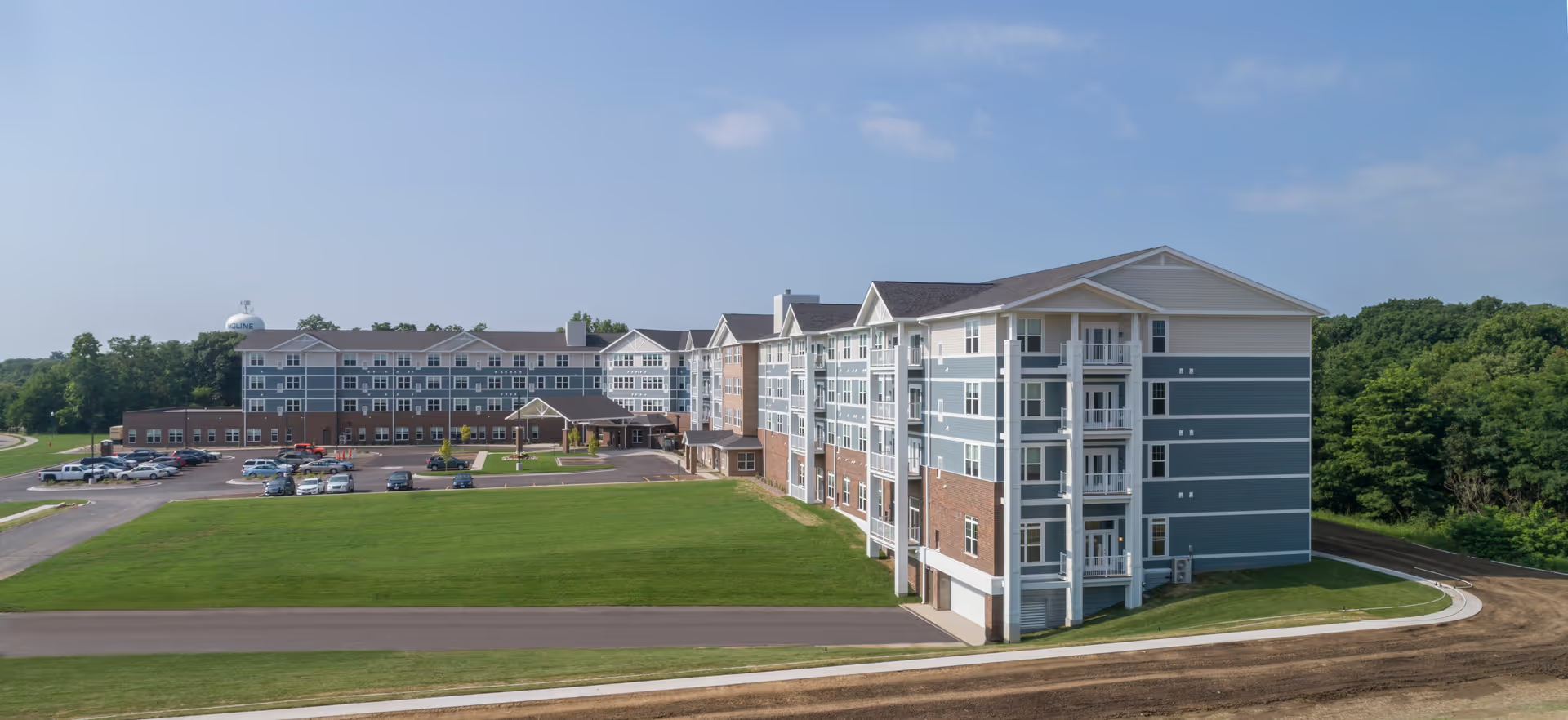
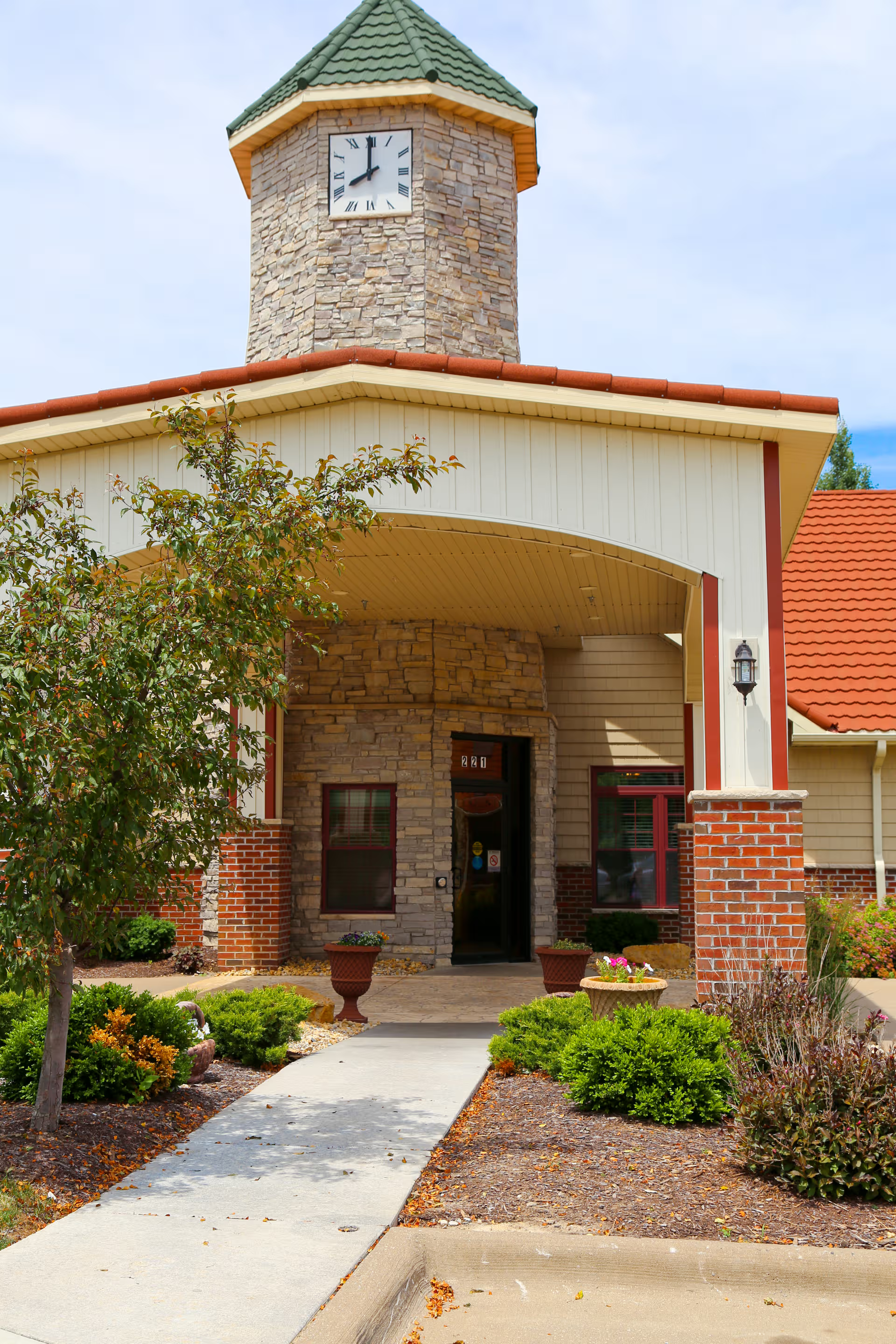
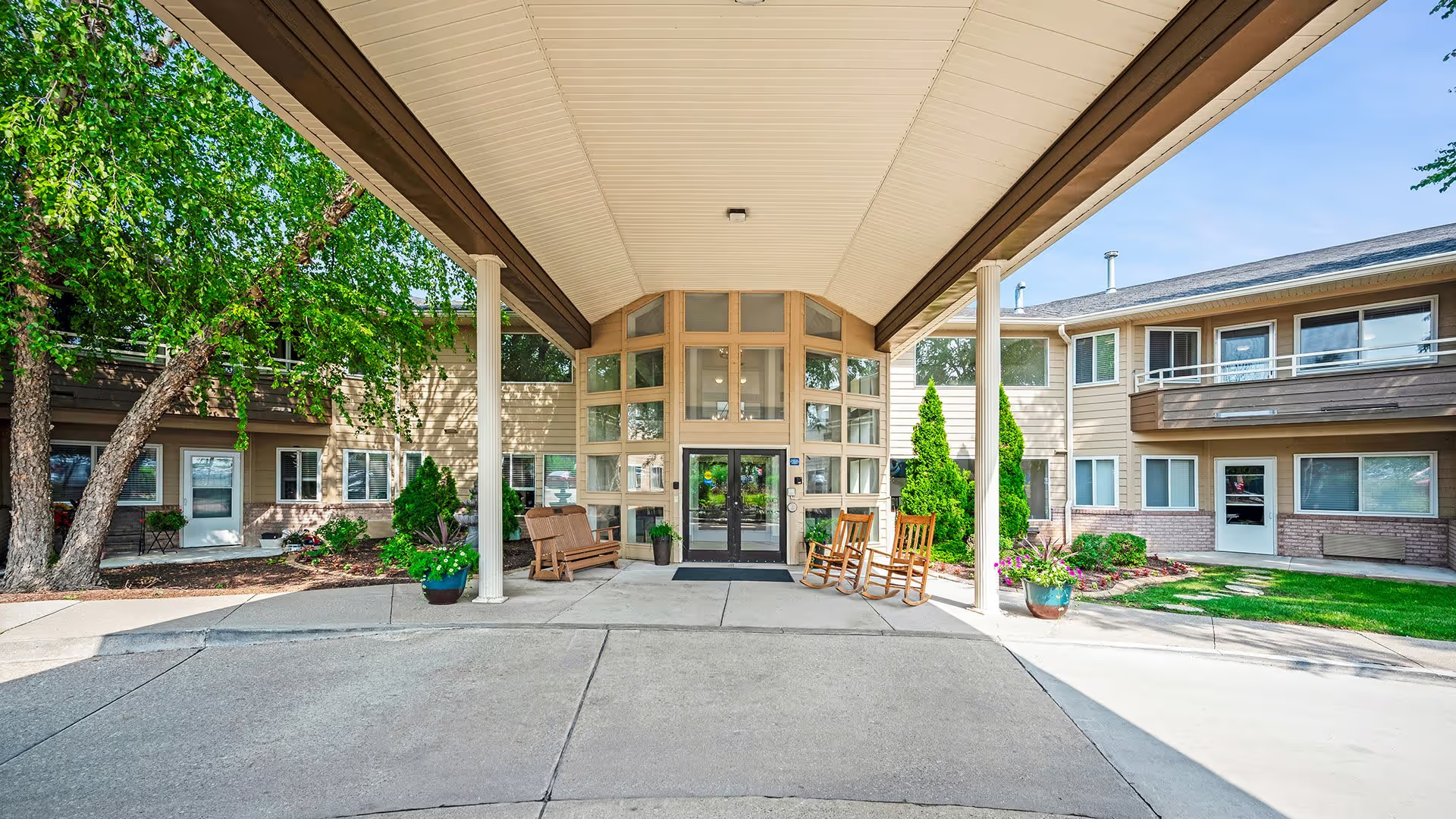
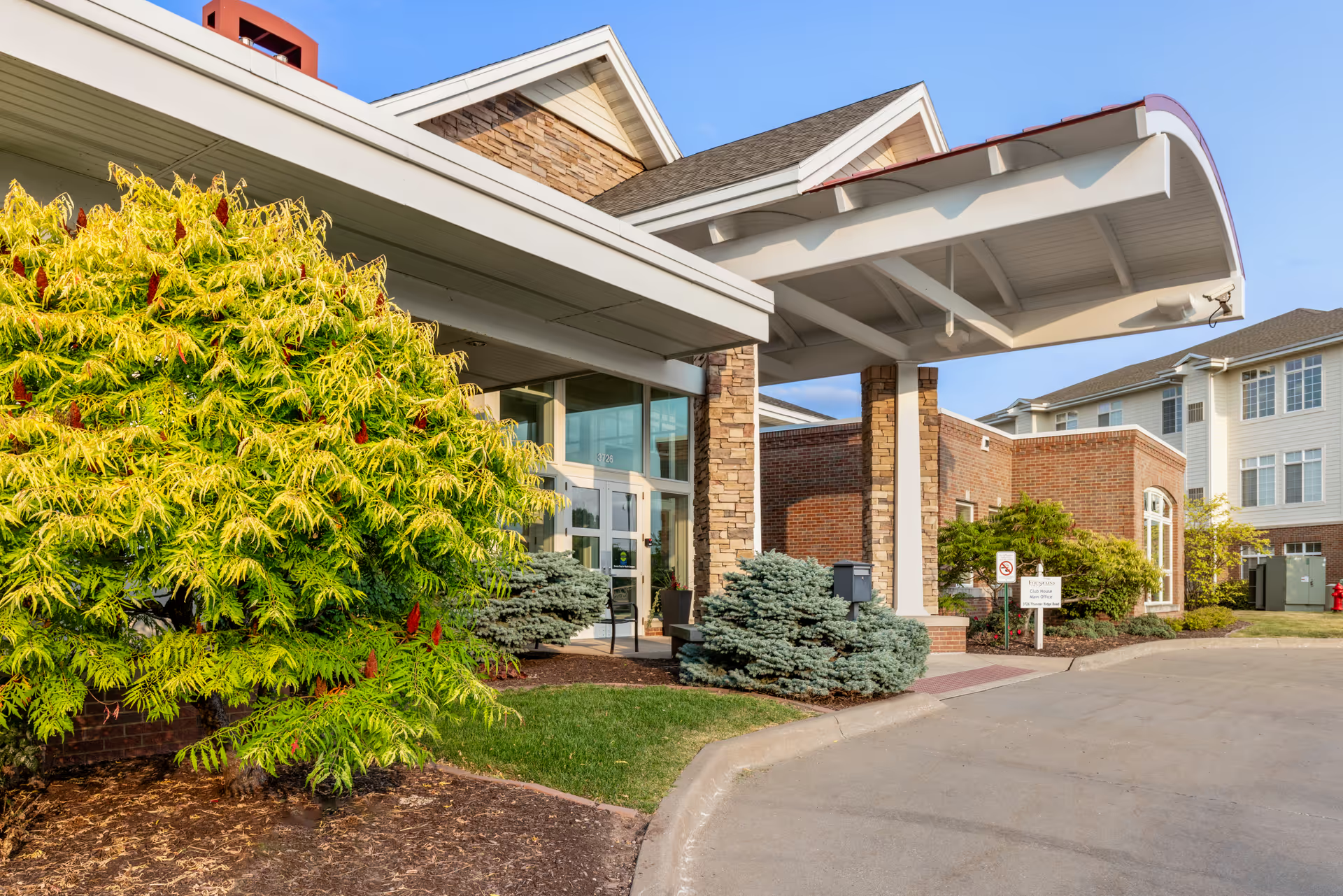
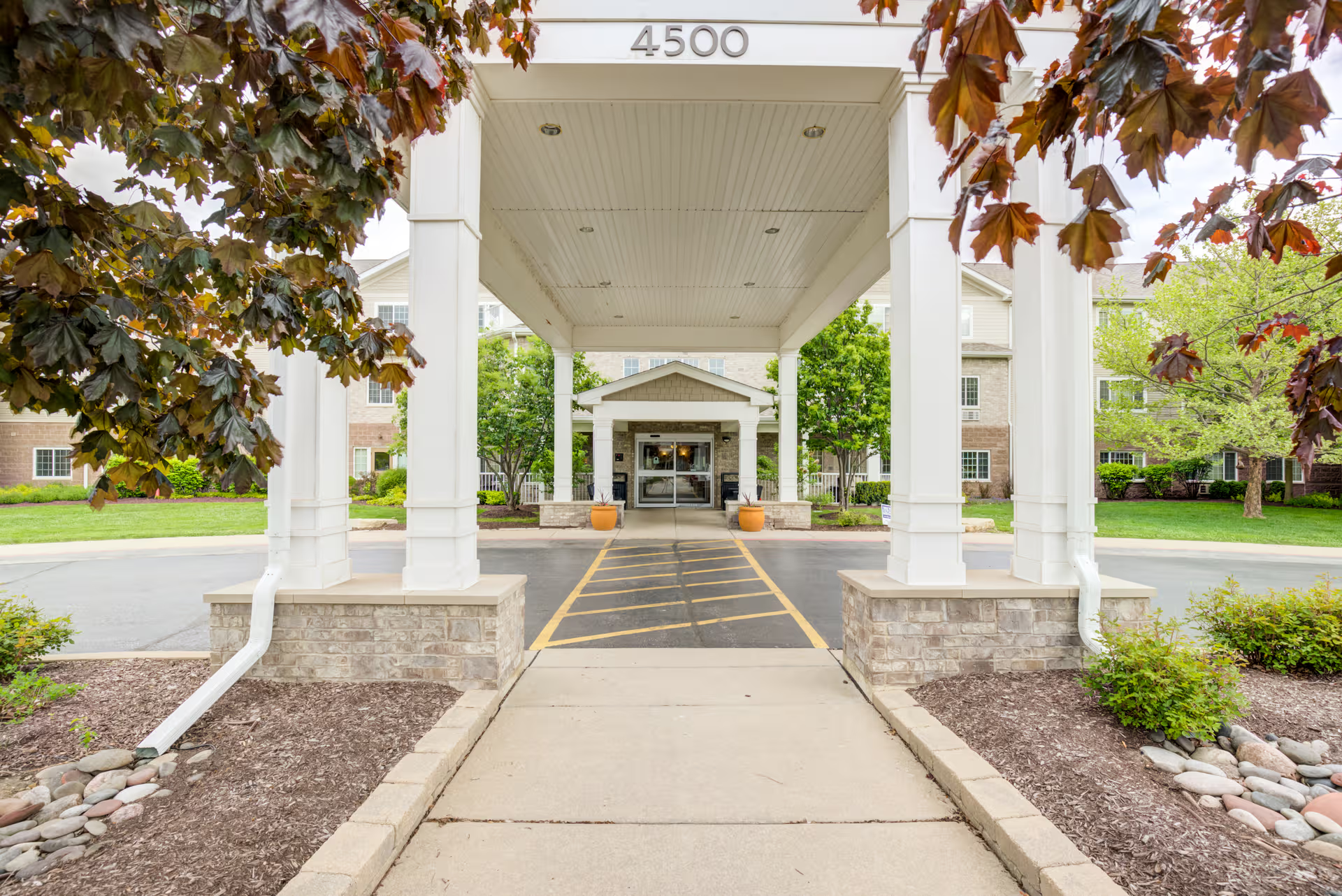
Facilities and sanitation: Several reviews describe clean, well-decorated communal areas and rooms that felt welcoming during visits. At the same time, some accounts raise sanitation and odor-control concerns in specific units or halls, as well as isolated reports of unclean equipment and stained rooms at move-in. Those issues indicate inconsistent housekeeping and environmental-service performance across the facility rather than a uniformly clean or unclean environment.
Management, accountability, and transitions: There are contrasting impressions of leadership. Some families indicate that recent management changes have improved operations and responsiveness, and that social-work coordination was effective during transitions. Other reviews reference contested discharges, billing/Medicare–Medicaid disputes, regulatory citations and fines, and difficulties obtaining timely resolutions for clinical or property concerns. These items suggest variability in administrative responsiveness and in the facility’s ability to resolve higher-level disputes consistently.
Notable patterns and recommendations: The narrative across reviews is one of variability — high-quality, attentive care and good therapy outcomes coexist with operational weaknesses that can materially affect resident experience and safety. Key patterns to verify in person include current staffing levels by shift, wound-care and escalation protocols, call-bell response times, personal-property safeguards, housekeeping routines for specific units, and any recent regulatory actions or payer/placement disputes. Families visiting the facility should ask for written policies and recent staffing/quality metrics, tour the specific unit where the resident would reside (not just public areas), and request names of primary caregivers expected on the resident’s shifts.
In summary, Celebrate of Moline appears capable of delivering strong, person-centered care and therapy for many residents, supported by an active life-enrichment program and caring staff. At the same time, inconsistent operational practices—notably staffing, sanitation, wound and chronic-condition management, and administrative follow-through—have been associated with negative experiences. A thorough, up-to-date assessment from an in-person visit and direct questions to leadership is advised before placement or transfer decisions.