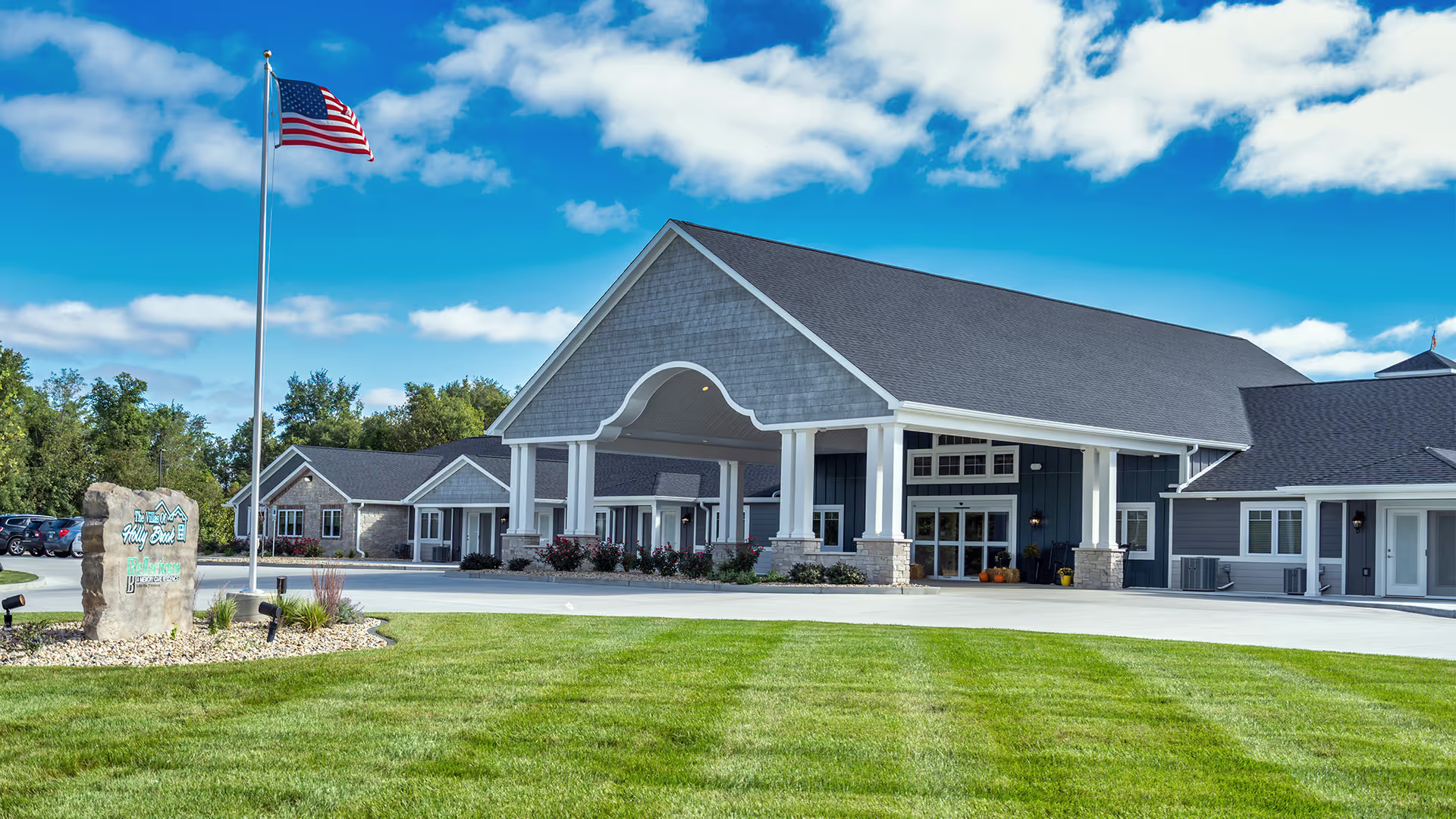
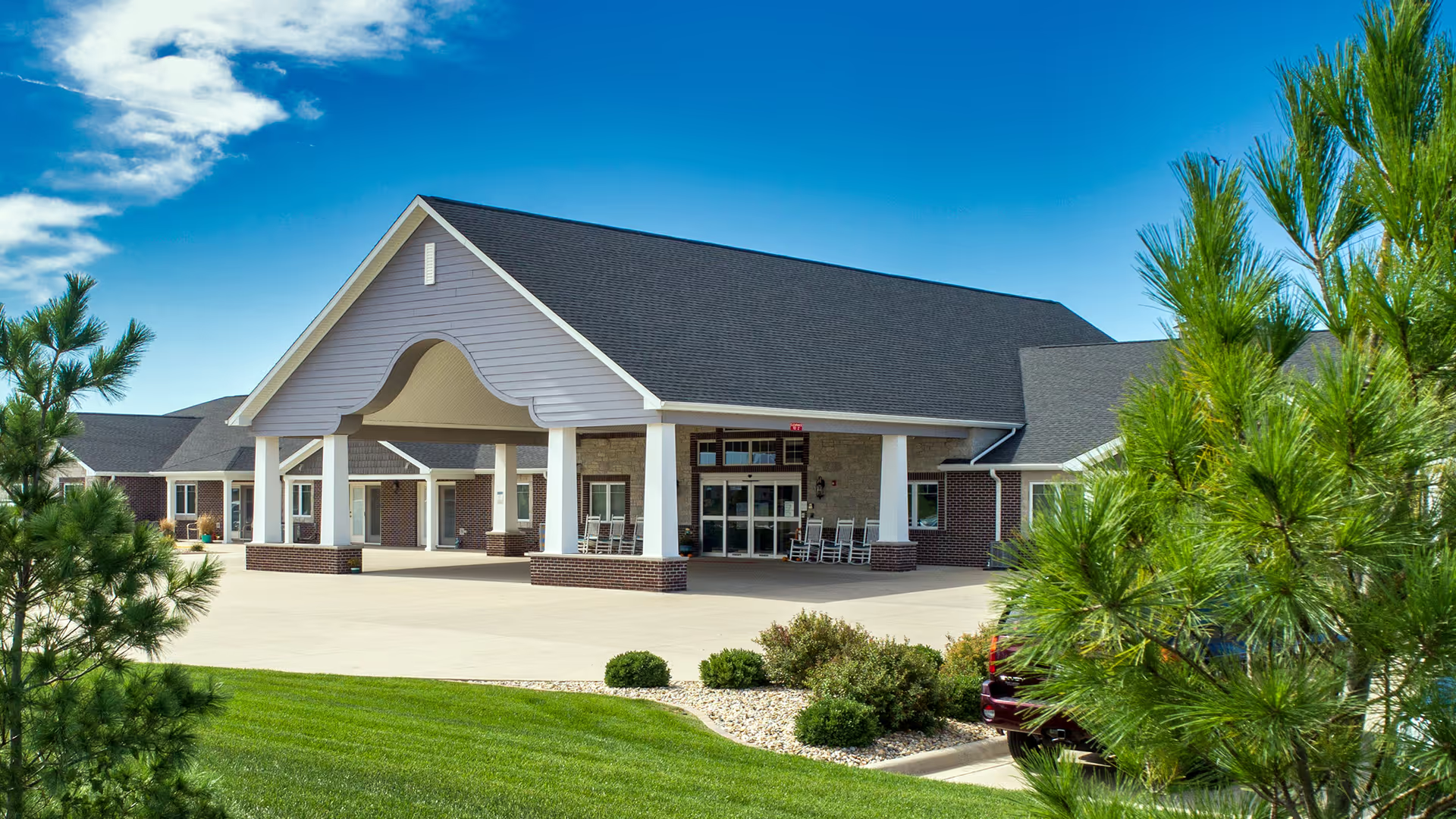
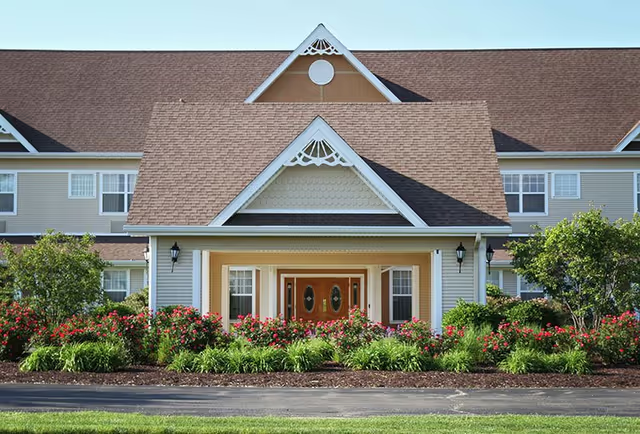
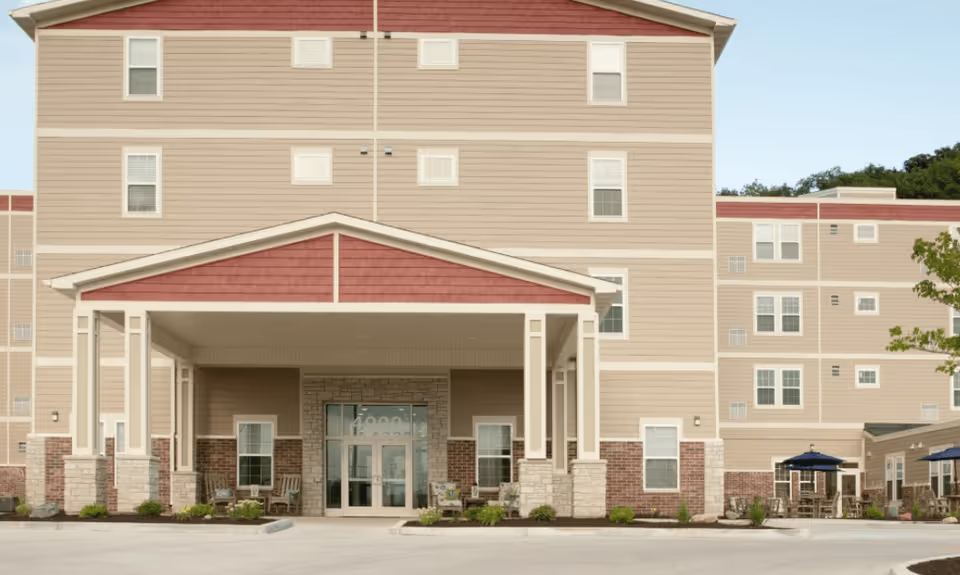
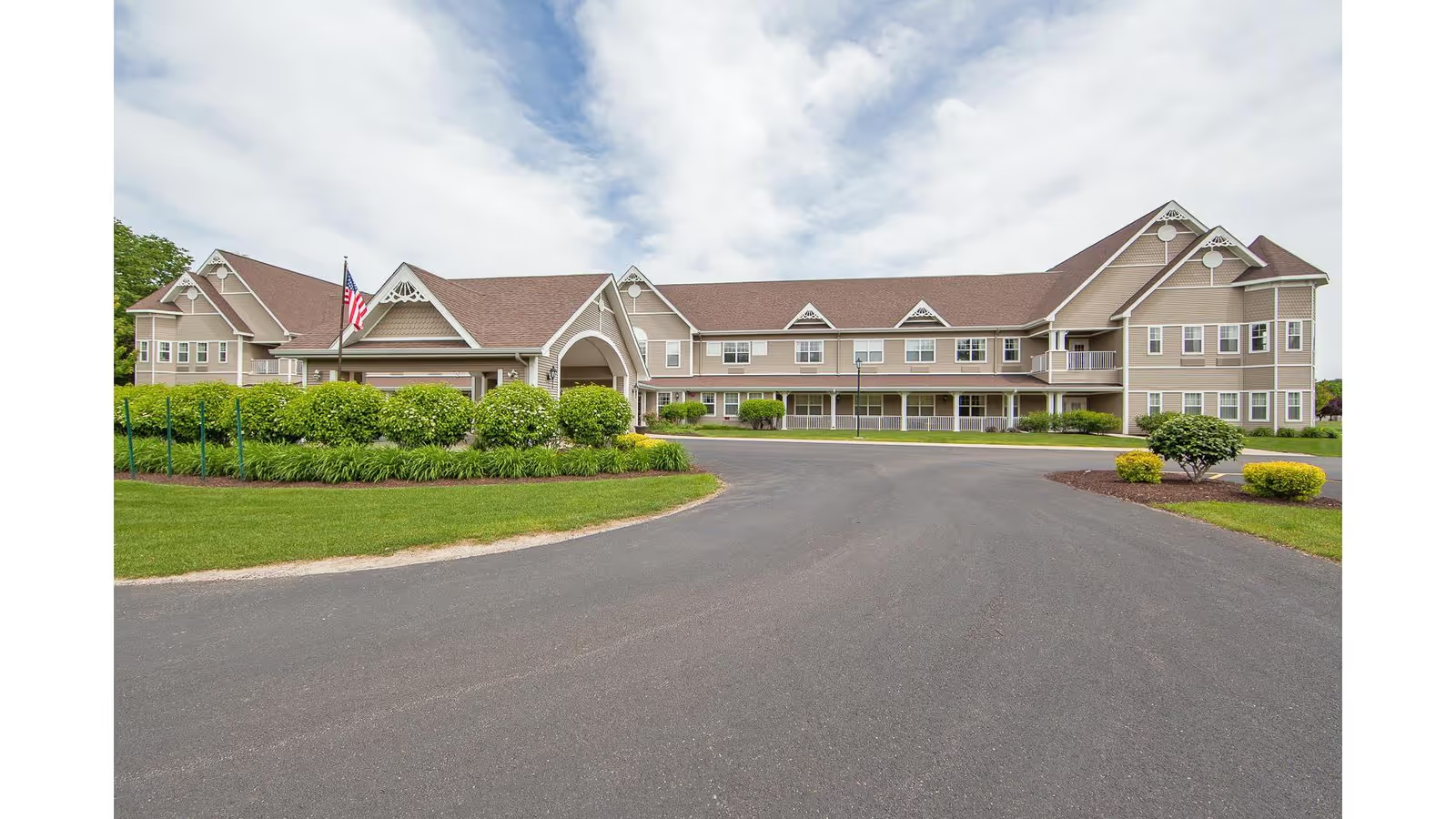
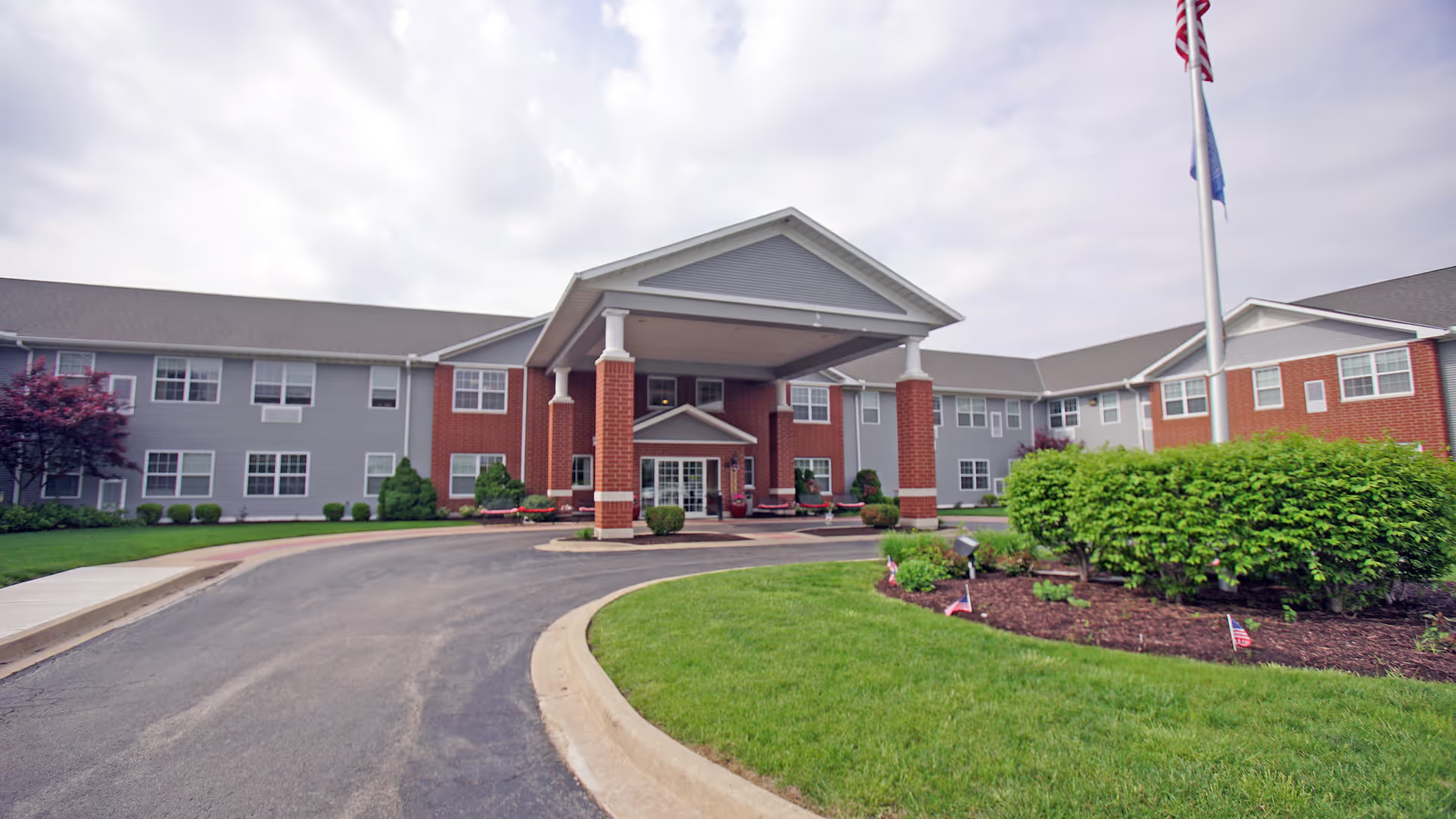
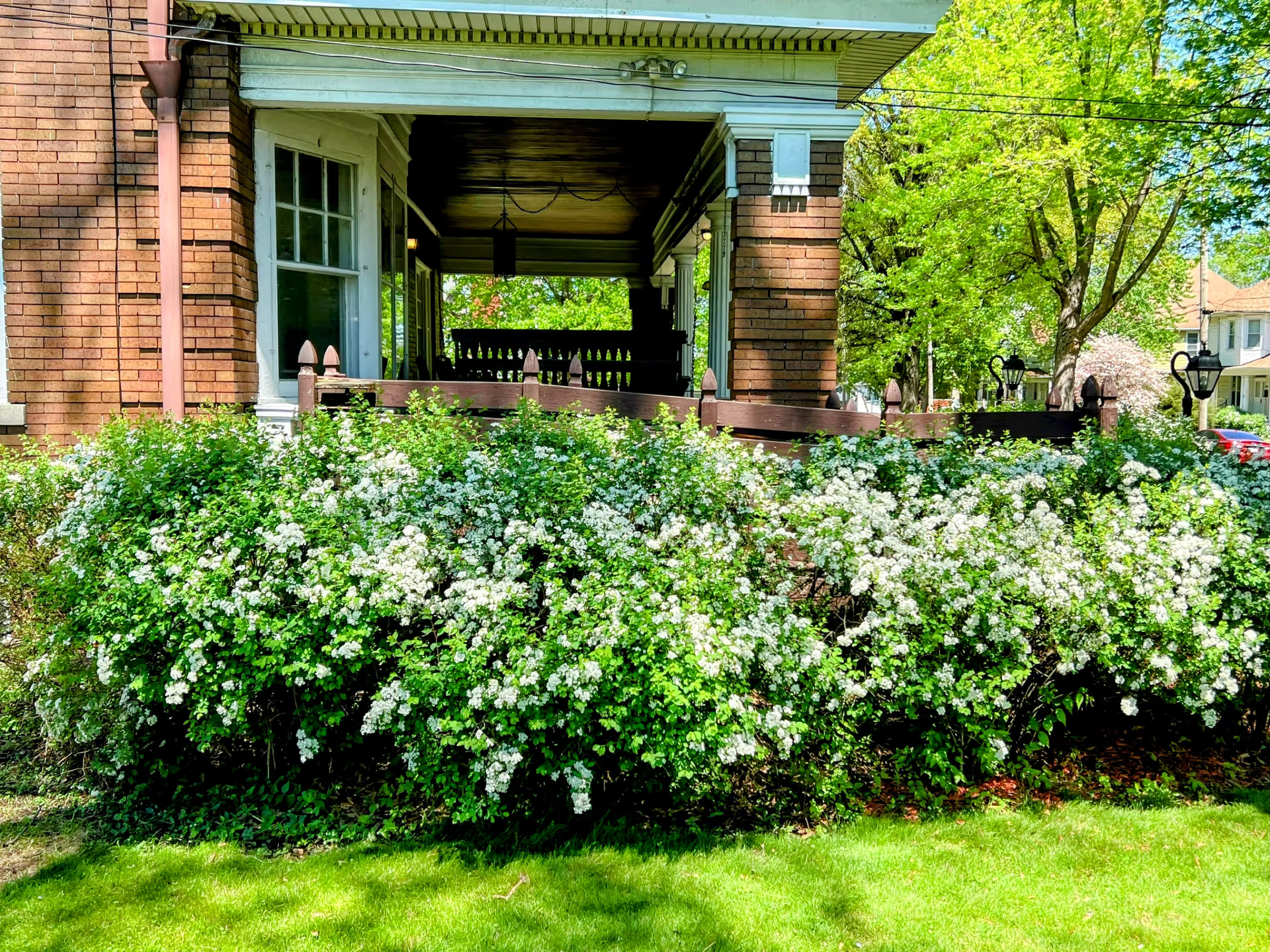
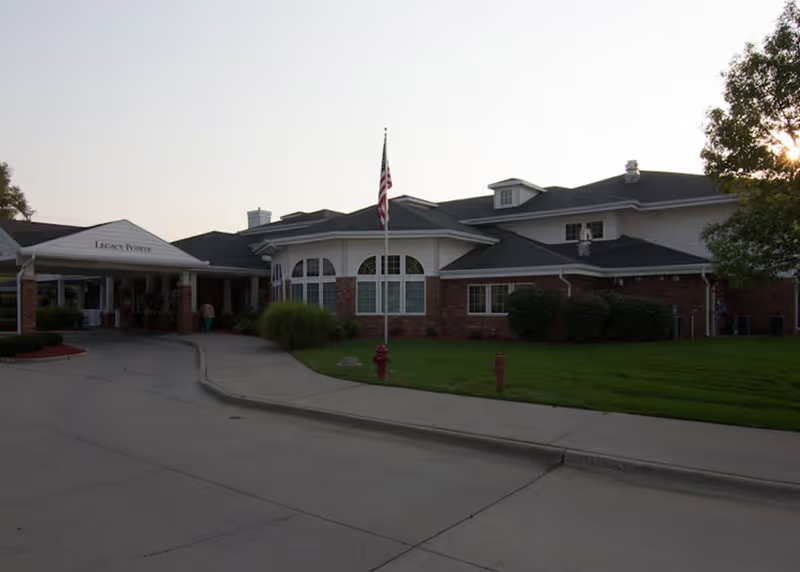
Reviews of Apostolic Christian Restmor, Inc. present a broadly positive picture of the facility’s hygiene, atmosphere, and daily life while also highlighting several operational weaknesses prospective families should investigate. Many comments emphasize a clean, attractive campus with well-maintained interior spaces, pleasant outdoor courtyards and shaded seating, and an active activity program that encourages socialization. Dining and food-service are generally described positively, and on-site physical therapy is available as part of the continuum of care.
Staff performance receives mixed but often favorable remarks: staff are frequently described as friendly, professional, and attentive, and some families express strong confidence in the clinical care and leadership. At the same time, reviewers raise facility-level clinical concerns that could affect decisions for residents with specific needs. Notably, the dementia unit is characterized as staffing-constrained, and there are generalized medication-administration reliability issues that warrant clarification of protocols and oversight. Rehabilitation services are available on-site, but reviewers note inconsistent capacity and outcome quality and occasional lack of available rehab space; confirming current rehab resources and typical therapy intensity is advisable.
On the services and amenities side, the facility’s activity offerings, communal areas, and dining are strengths that support social engagement and day-to-day comfort. The physical plant is described as attractive and well-kept, contributing to an overall pleasant environment. However, several reviewers call out the facility’s pricing and bed availability: the cost of care is high relative to typical budgets, and room availability can be limited. These are practical considerations for planning and budgeting.
Management and family communication show a pattern of divergence in perception. Some families praise leadership for putting people first and providing high-quality, compassionate care; others perceive a stronger emphasis on financial priorities and note inconsistent customer-service interactions, particularly around sensitive situations and end-of-life family support. For faith-sensitive residents, there are comments suggesting variable alignment with stated religious or spiritual expectations.
Practical steps for prospective residents and families: tour the dementia unit and ask about staffing ratios and training; review written medication-administration policies and recent audit practices; confirm the current state of on-site rehabilitation capacity and typical therapy plans; verify room availability and total monthly costs including ancillary fees; and discuss communication practices around care changes and bereavement or end-of-life support. Balancing the facility’s clear strengths in environment, meals, and engagement against the operational concerns will help families determine fit for their specific needs.