Reviews describe a facility with meaningful strengths in day‑to‑day resident interactions but consistent operational weaknesses that families should weigh carefully.
Care and staff: Many reviewers praised CNAs, nurses, and therapists for being caring, respectful and cooperative with families. Staff are frequently described as attentive during interactions, helpful with therapy and showers, and willing to prepare residents for activities. At the same time, a recurring pattern of chronic understaffing and high turnover was described; this is associated with inconsistent coverage, slower response times to call buttons, and variability in care quality across shifts. Several reviewers described incidents that raised safety and hygiene concerns (for example, delayed assistance and fall-related hospitalizations), which point to gaps in fall prevention, incident response, and hygiene management protocols. There are also concerns about medication- and hydration-related management that families should clarify during a tour.
Dining and activities: Dining is generally viewed positively — meals are described as appetizing and residents enjoy offerings overall, though individual preferences sometimes go unmet. Activity programming, particularly music and performances, receives consistent praise; staff prepare and engage residents for events, and communal music in the main room contributes to a welcoming atmosphere.
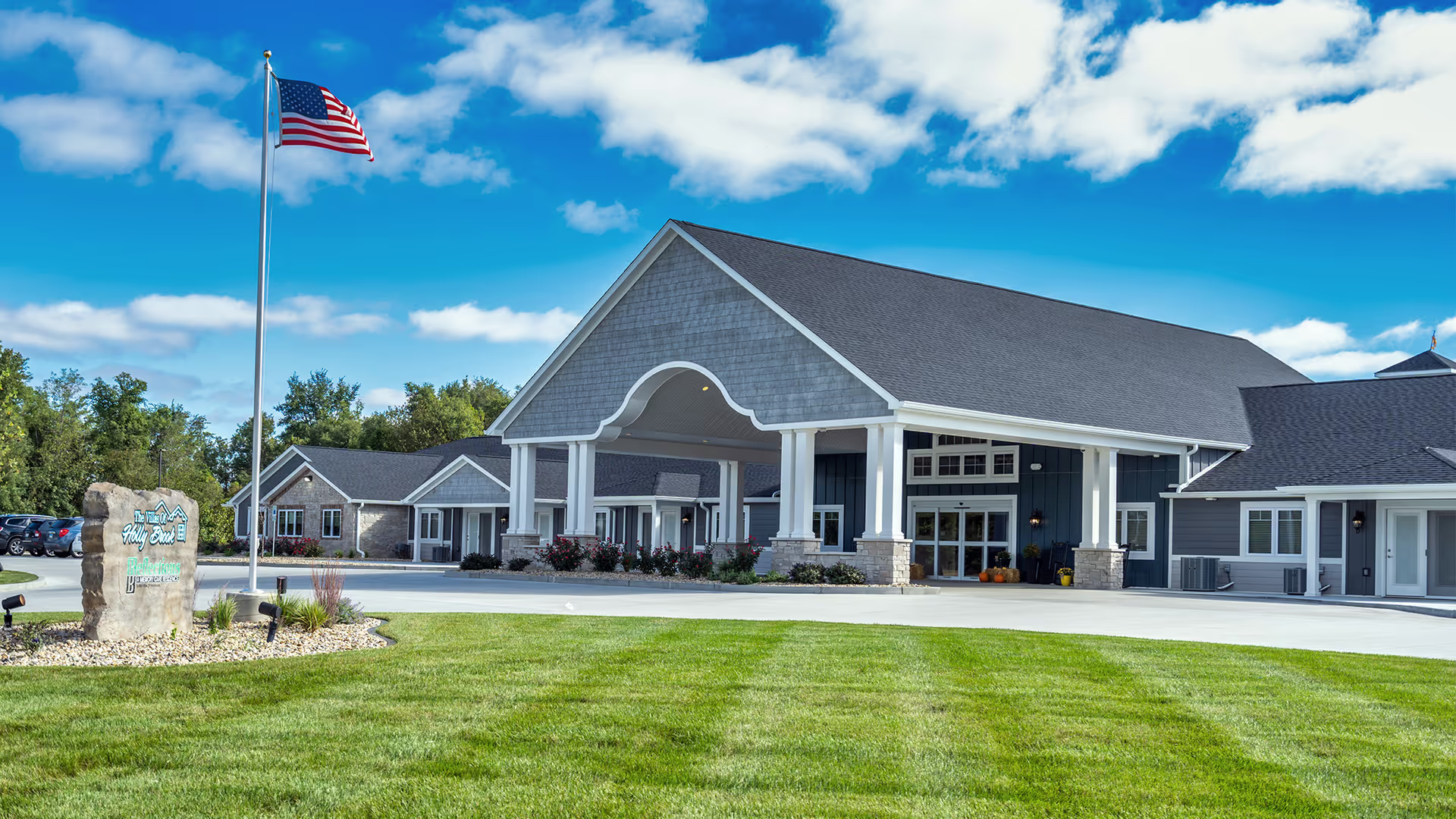
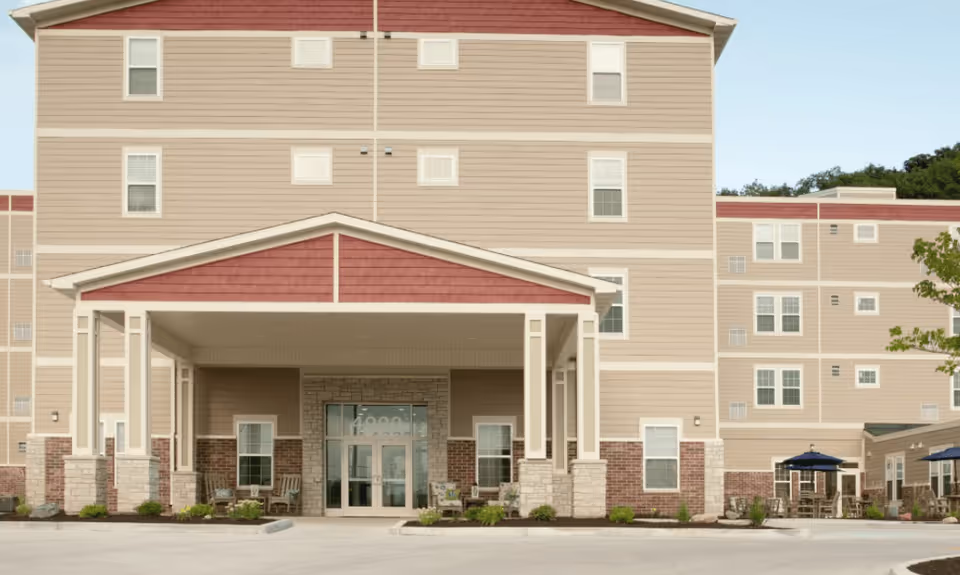
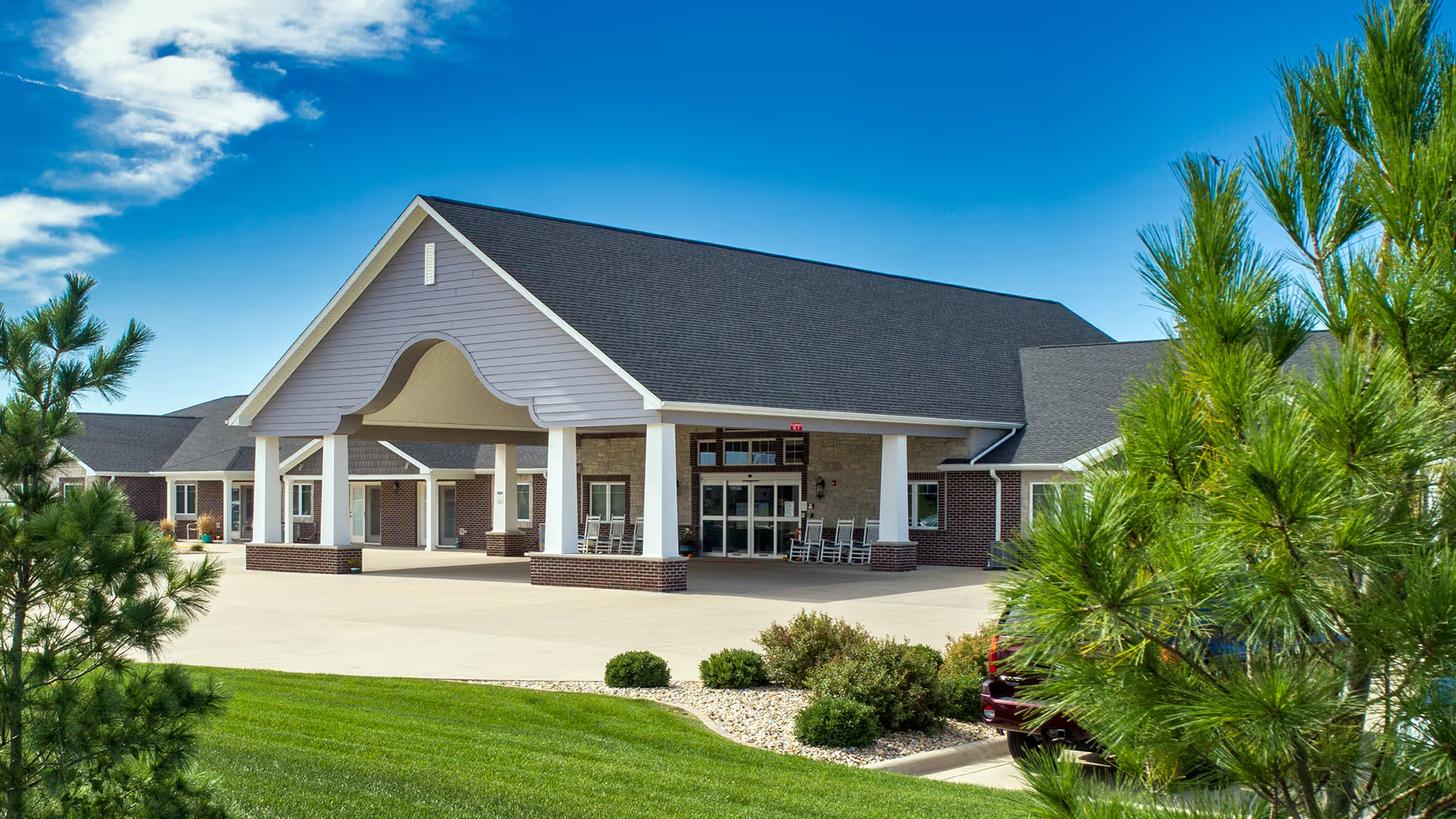
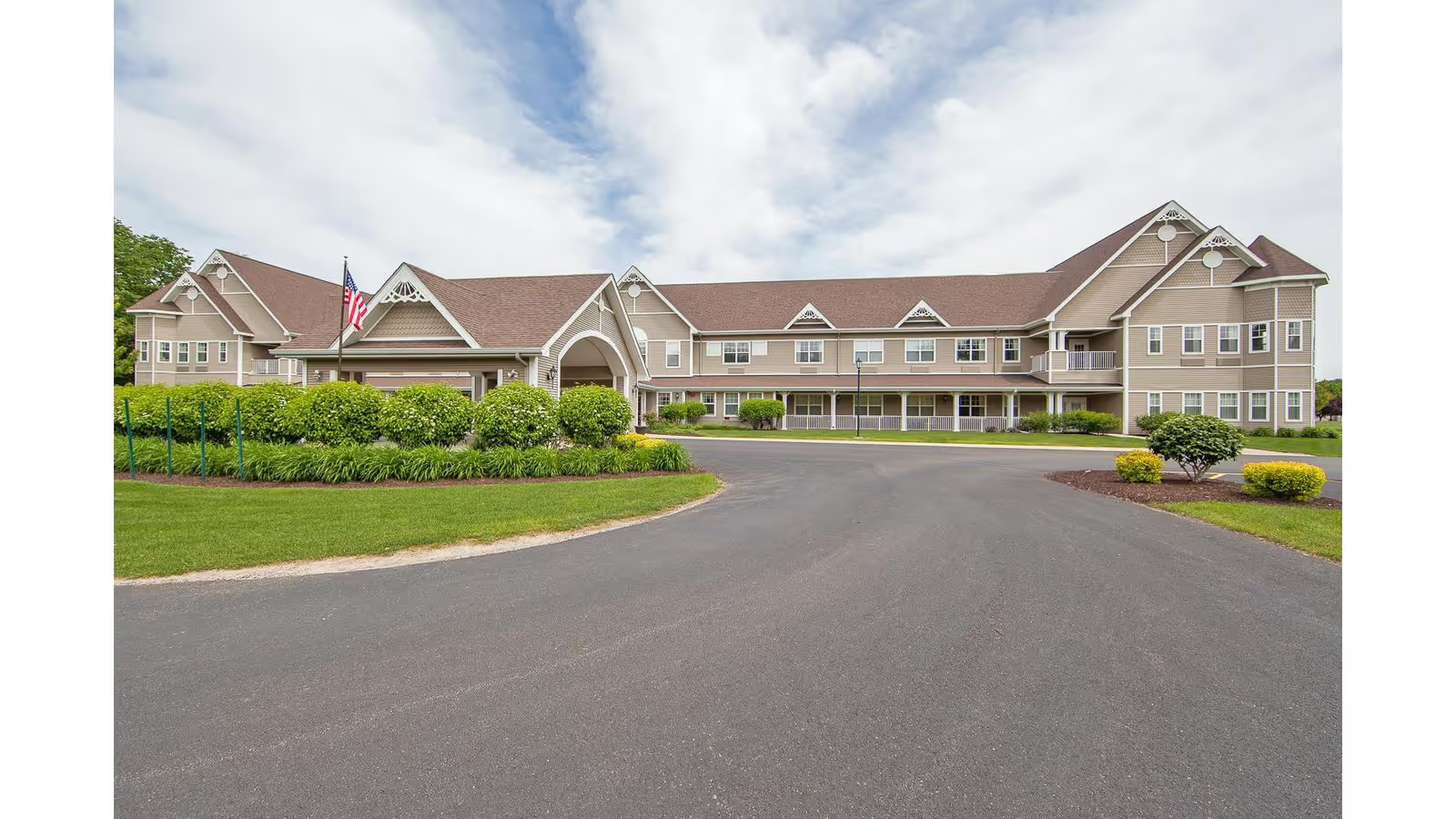
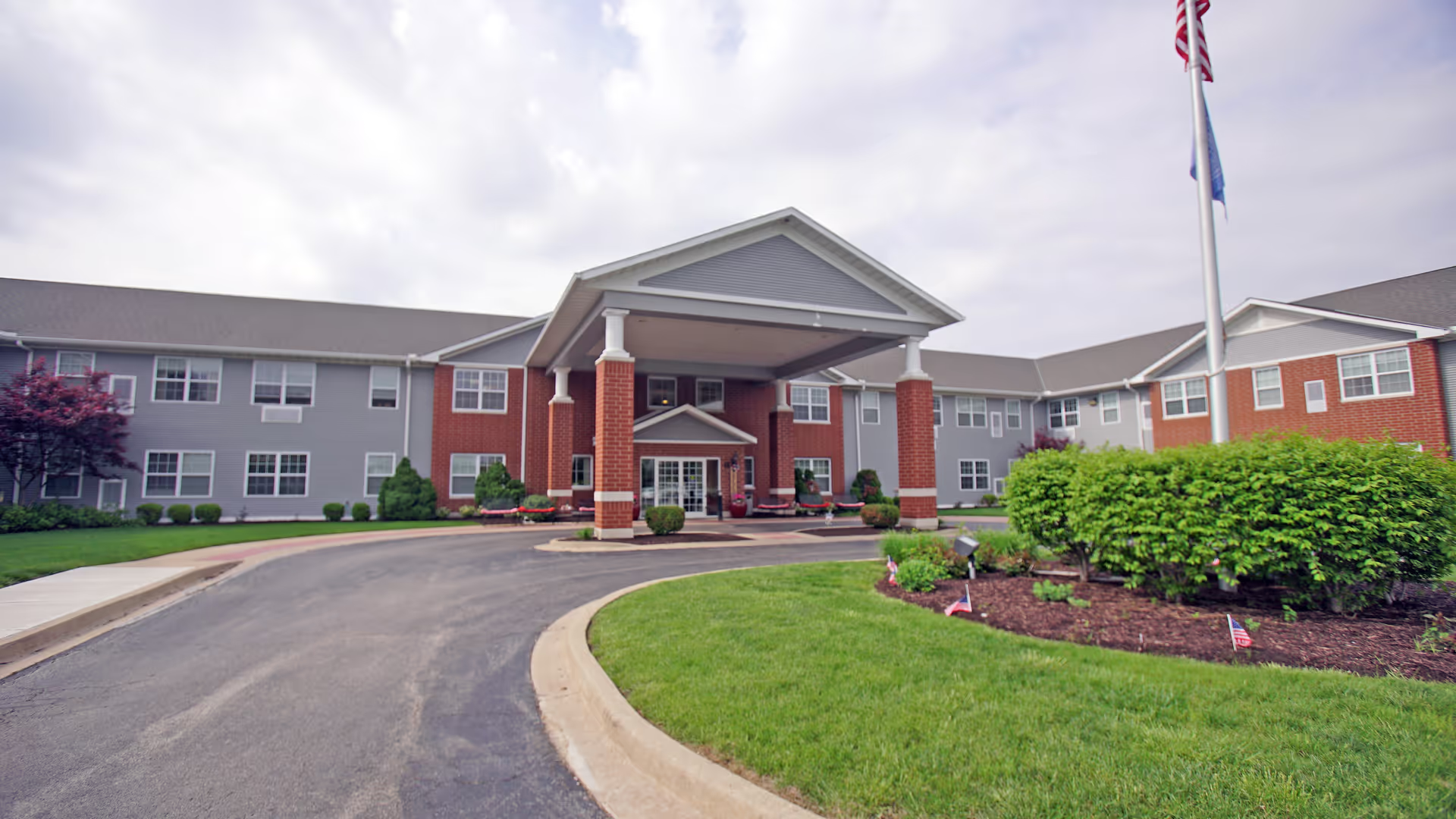
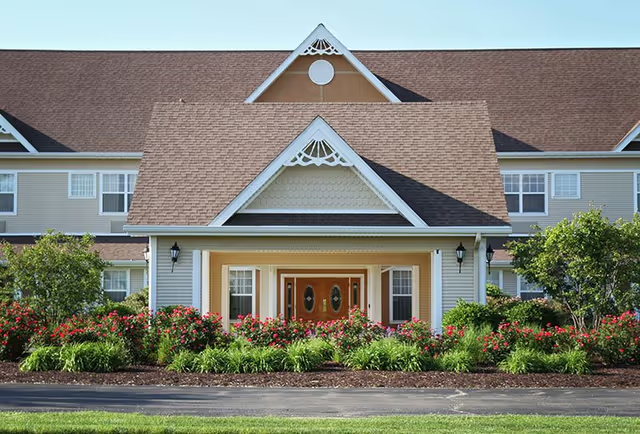
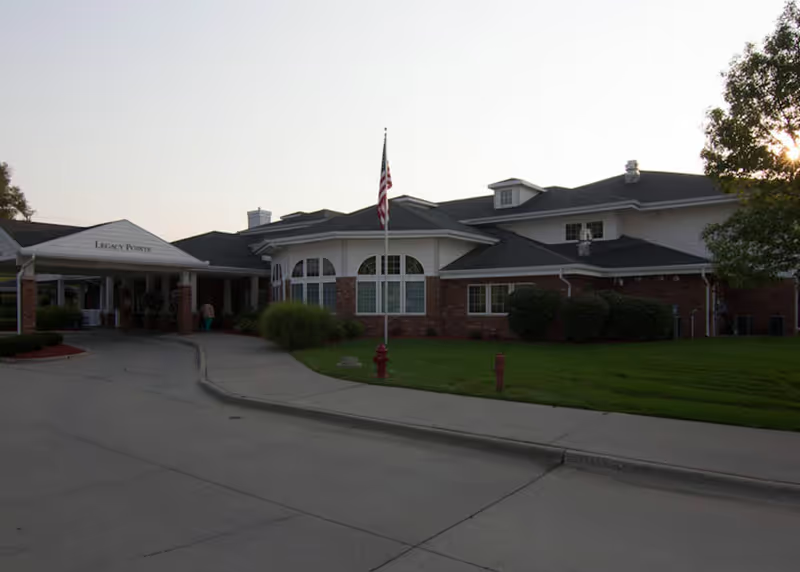
Facilities and supplies: The building and resident rooms are described as well maintained, with private one‑bedroom options noted favorably. However, reviewers cite supply and inventory issues (shortages of items such as personal supplies and certain foods), which can affect daily comfort and care continuity.
Management and communication: The most frequent operational criticism concerns leadership responsiveness. Families report difficulty reaching administration, long hold times on phone calls, unanswered calls, and limited follow‑up after incidents. These communication gaps, combined with perceived weak management oversight, contribute to a sense that systemic issues are not being consistently addressed.
Notable patterns and considerations: There is a clear dichotomy in the feedback: frontline caregivers are frequently seen as dedicated and compassionate, while facility‑level systems (staffing, supply management, leadership responsiveness, and incident communication) appear inconsistent. Prospective residents and families should verify staffing ratios, inquire about recent turnover, review protocols for fall prevention and incident communication, and ask how supply shortages are handled. A tour that includes conversations with clinical leadership and observation across different shifts will provide a clearer picture of current operational reliability versus the positive interpersonal culture described by many reviewers.