Brandel Care Center appears to be a rehabilitation-focused facility with a strong clinical reputation and several clear strengths in post-acute care. Reviewers emphasize the effectiveness of the facility’s rehab program and the skill of its therapy teams; clinical outcomes such as reduced neuropathy pain and improved lymphedema control were specifically mentioned. The center’s nonprofit status and external recognition (US News & World Report listing) contribute to its reputation for outcome-oriented services.
Frontline caregiving is frequently described positively. Multiple accounts highlight attentive nurses, accessible physicians, and compassionate CNAs who provide prompt assistance with activities of daily living. Family communications are often characterized as responsive and kind, with staff making efforts to engage residents creatively during periods of restricted visitation. Several individual staff members and therapy personnel were singled out for praise, which supports a pattern of strong one-to-one care and rehabilitation support.
Dining and nutrition present a mixed picture. The dietician is described as accommodating to resident preferences, and individualized meal planning is a noted strength. At the same time, reviewers expressed inconsistent opinions about the day-to-day food quality, ranging from satisfactory to substandard; prospective families should consider asking for sample menus and meal-service practices to determine whether they meet personal expectations.
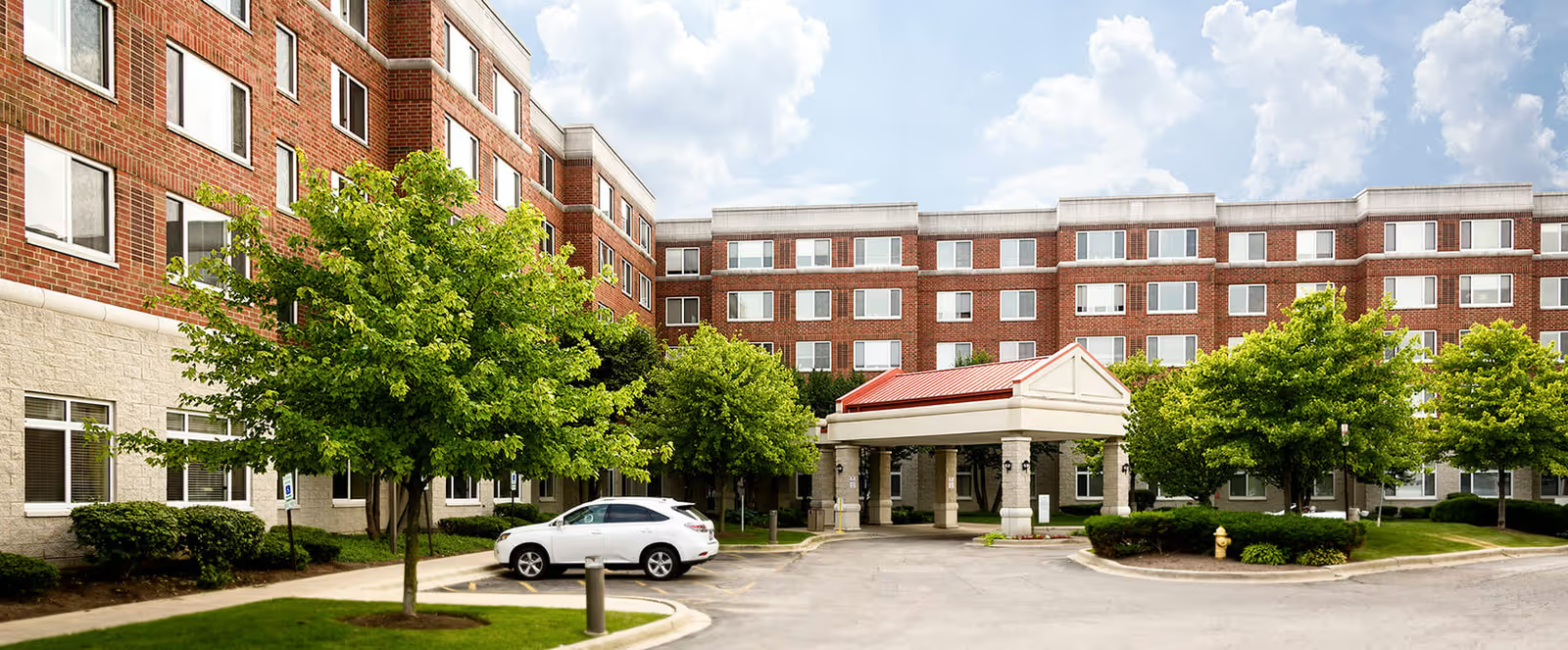
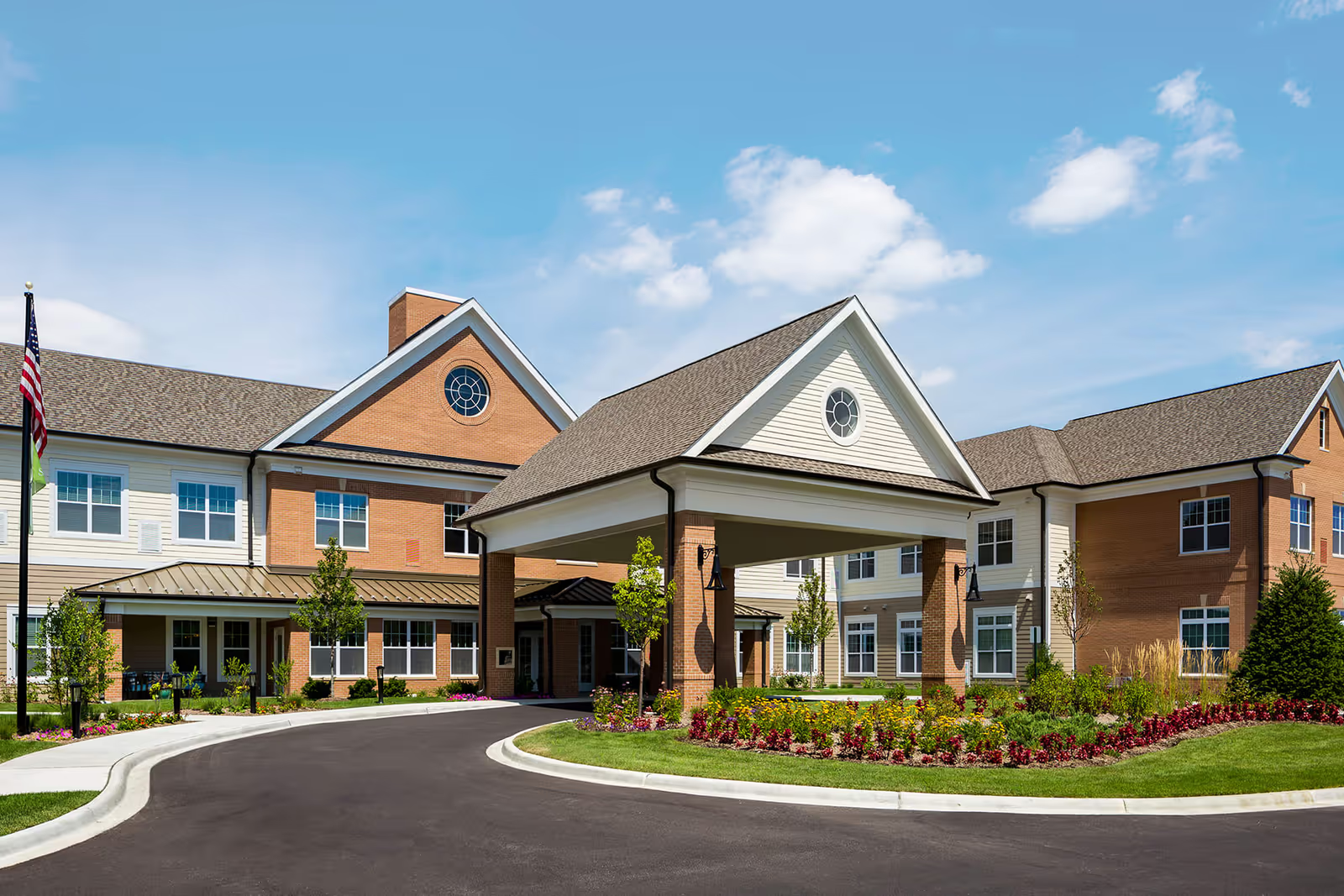
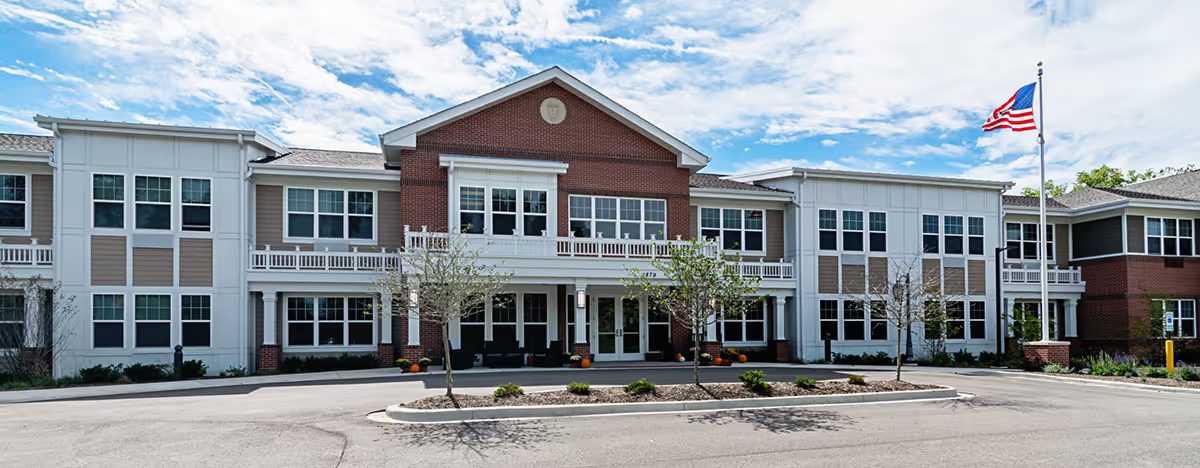
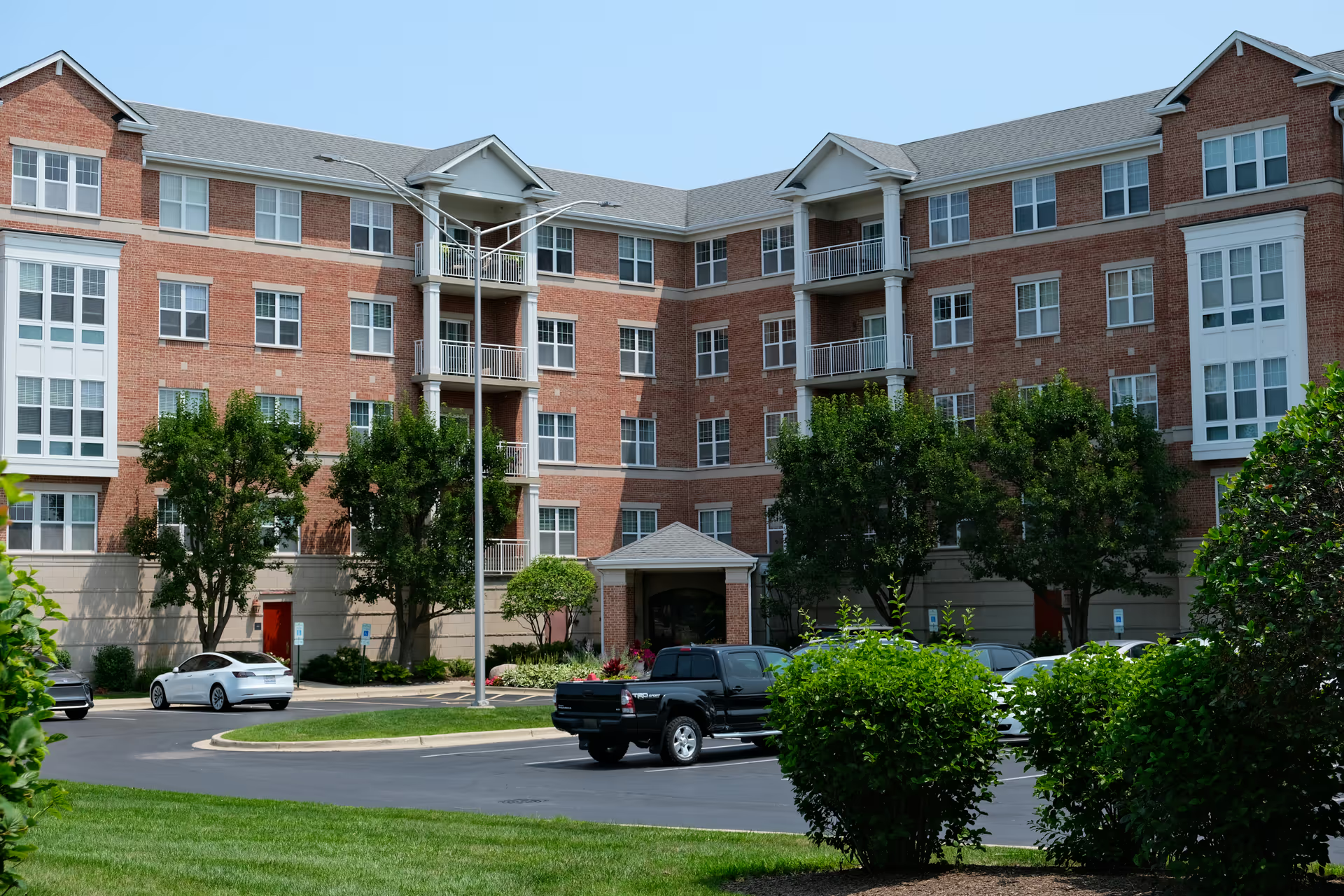
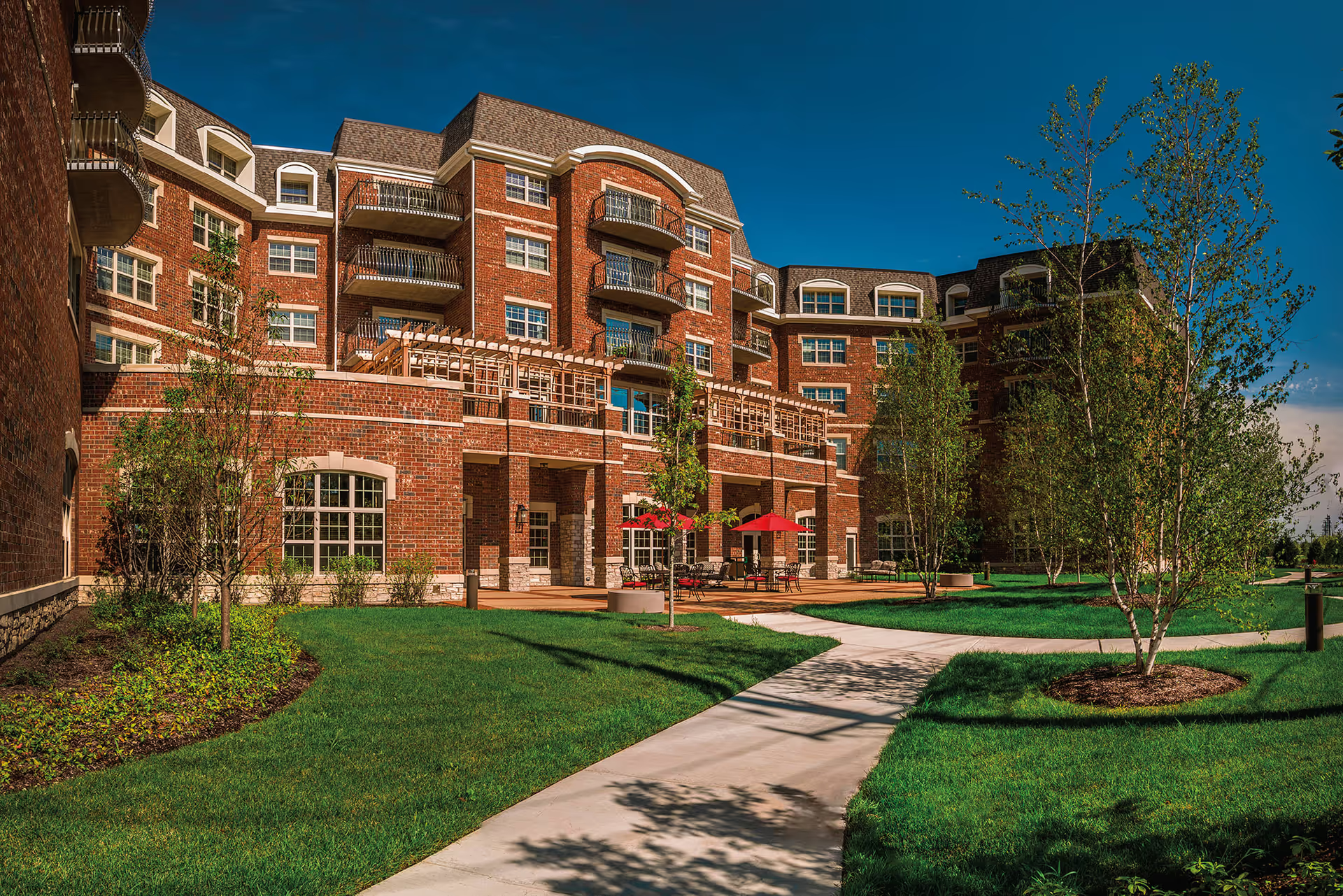
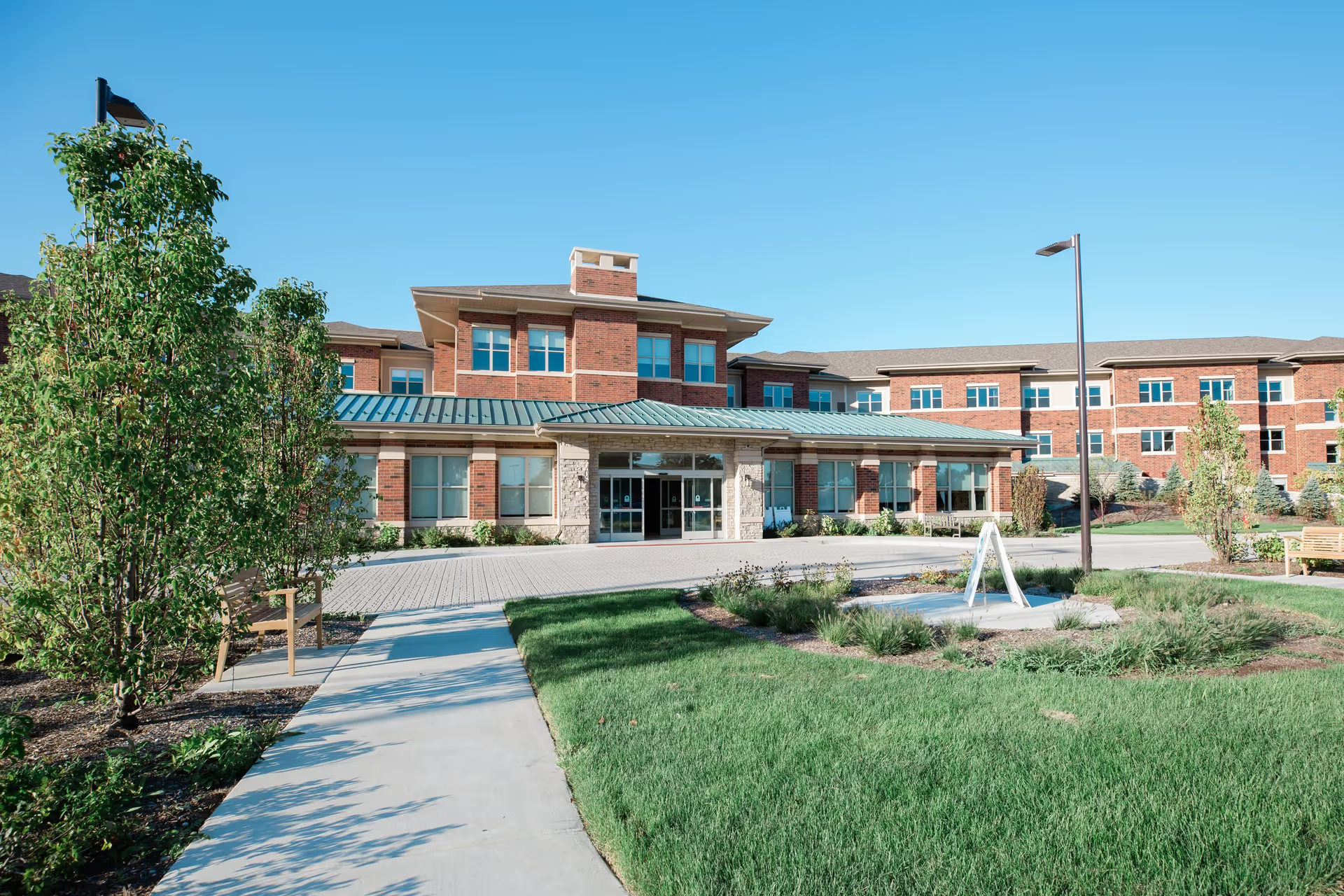
Facility attributes and amenities are generally favorable. Private, spacious rooms with conveniences such as in-room refrigerators and seating, a clean environment, and a convenient Northbrook location were all noted. The facility’s cleanliness and welcoming atmosphere were mentioned repeatedly, reinforcing the perception of a well-maintained physical plant suited to recovery and short-term stays.
Management and accountability are areas with notable variability in reviewer sentiment. While some families praised administrators for consistency and accessibility, a subset of reviewers raised concerns about transparency, complaint handling, and the facility’s response to family concerns. There are specific accounts alleging retaliatory actions tied to complaints and claims that administrative decisions sometimes undermined trust. These reports point to gaps in complaint-resolution processes and staff-administration accountability rather than to clinical care per se.
Overall pattern: clinical and rehabilitative care, particularly therapy-led recovery, is the facility’s primary strength, supported by many positive accounts of staff compassion and responsiveness. Areas for additional due diligence include meal quality consistency and the facility’s formal processes for addressing family concerns and staff accountability. Prospective residents and families would be well served to discuss staffing ratios, incident/complaint procedures, and sample meal plans during a tour to confirm that the operational practices align with their expectations.