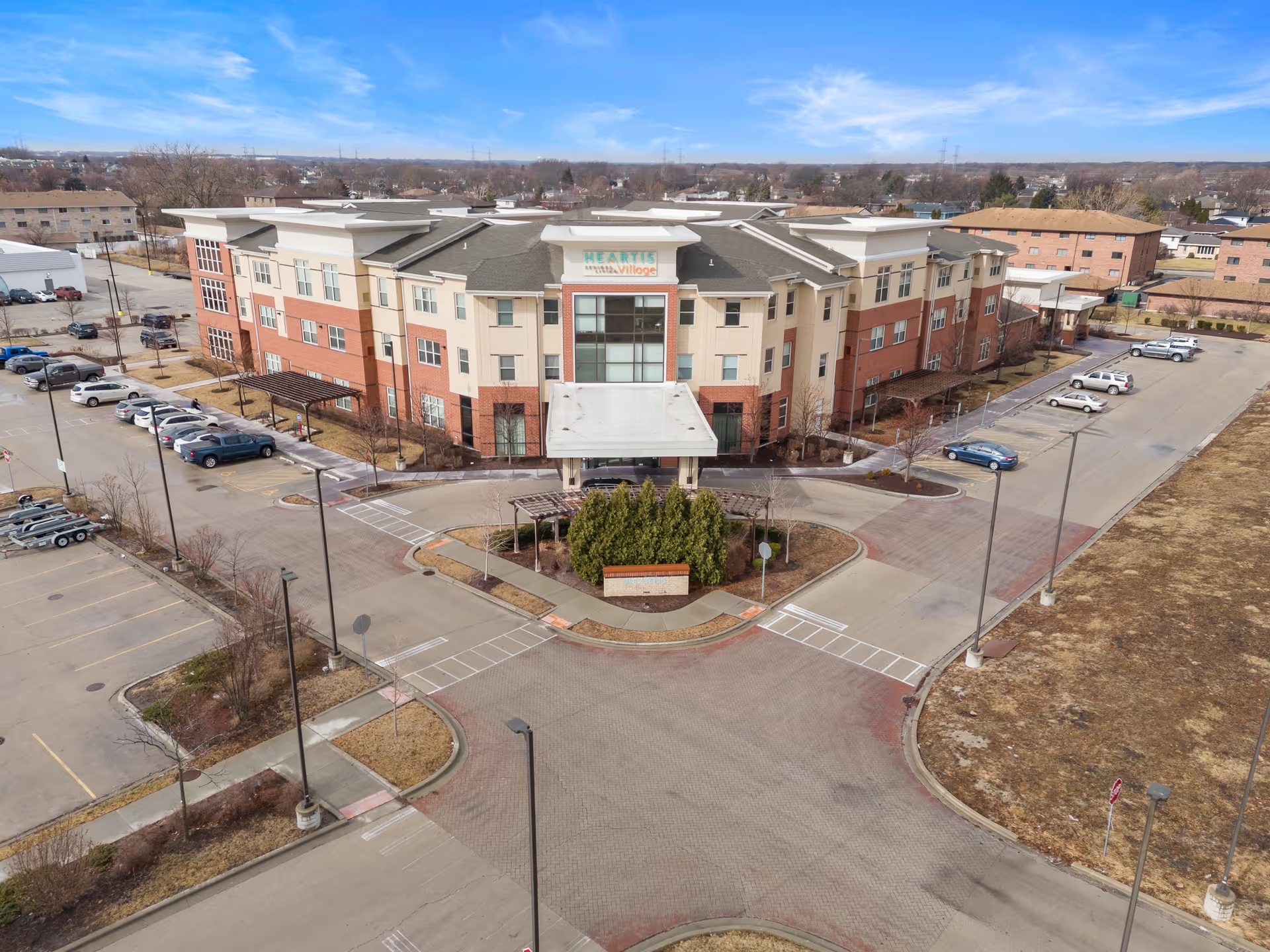
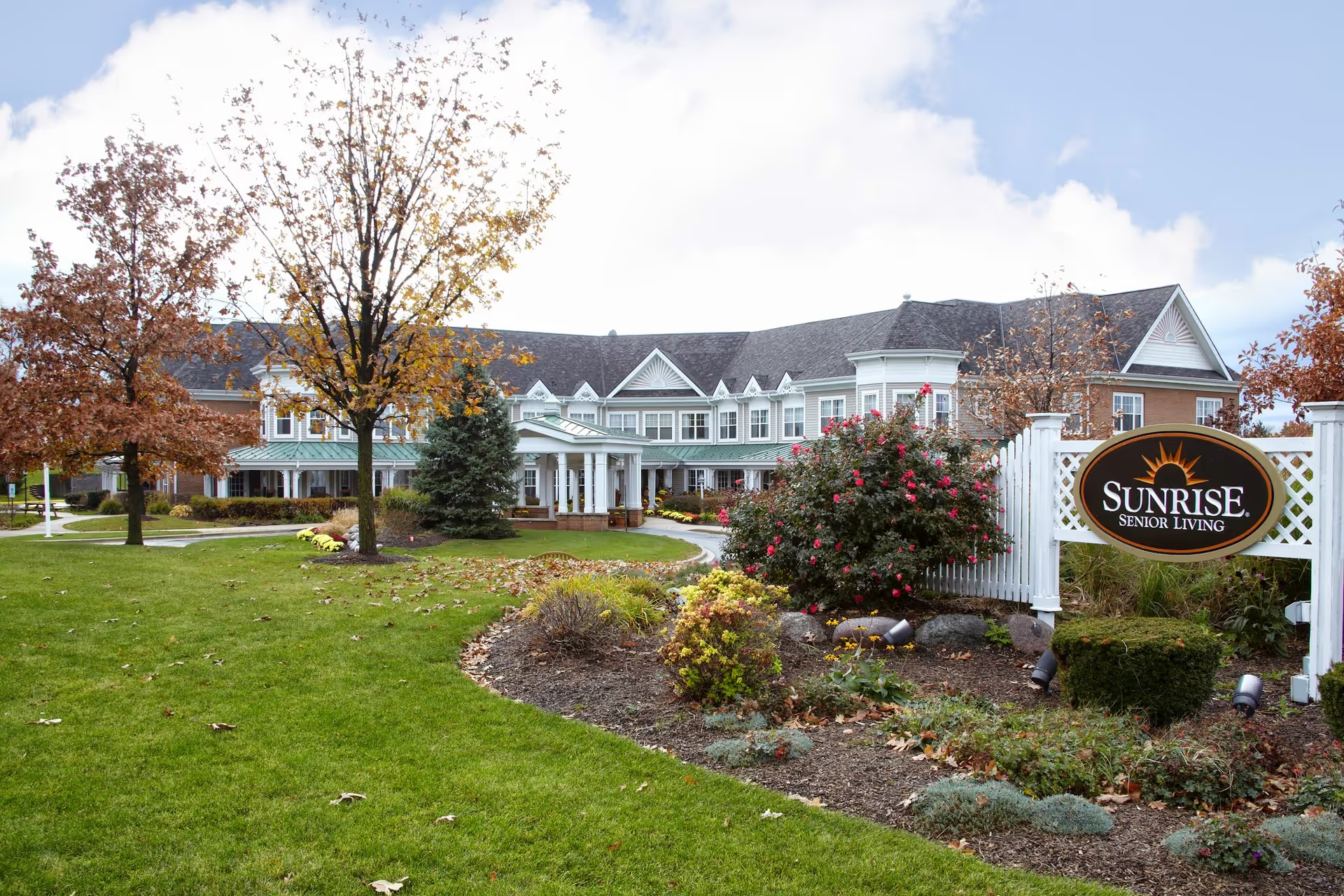
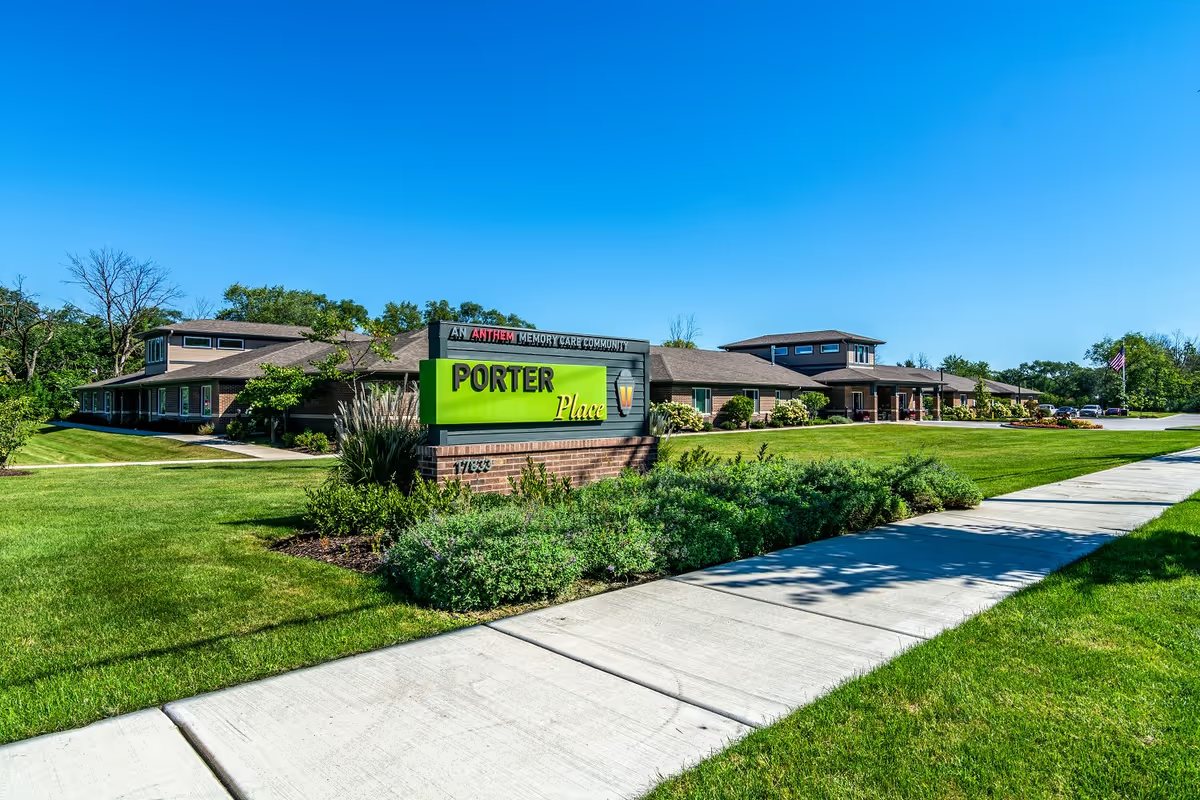
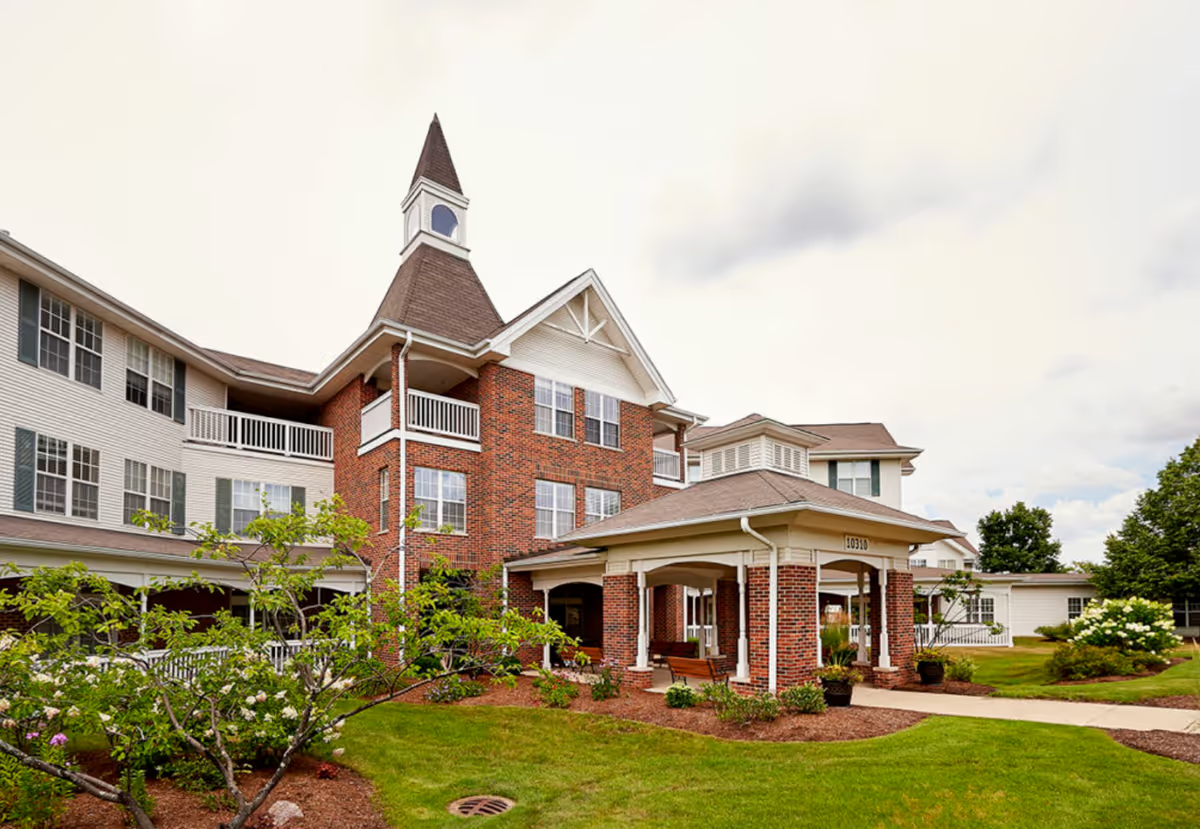
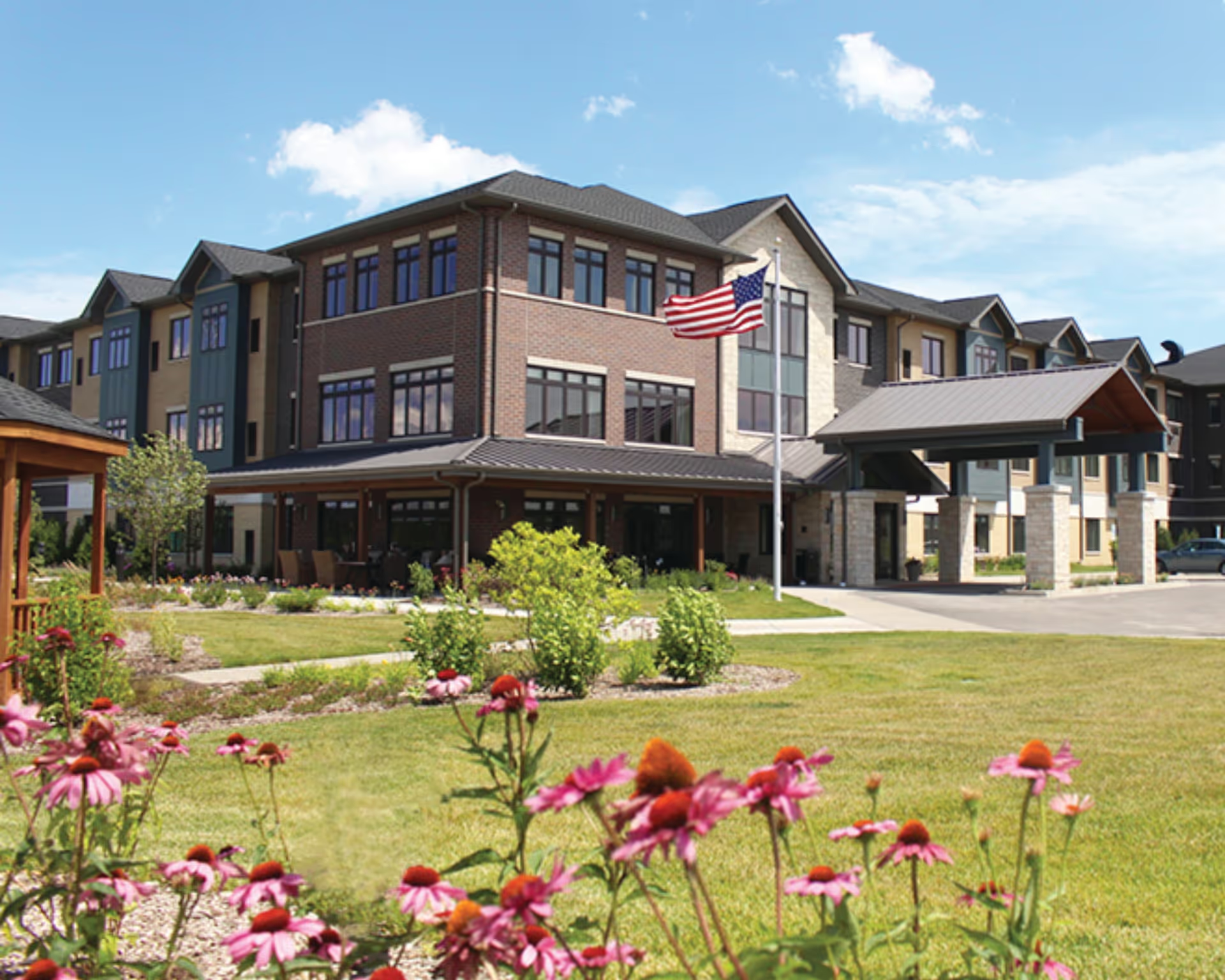
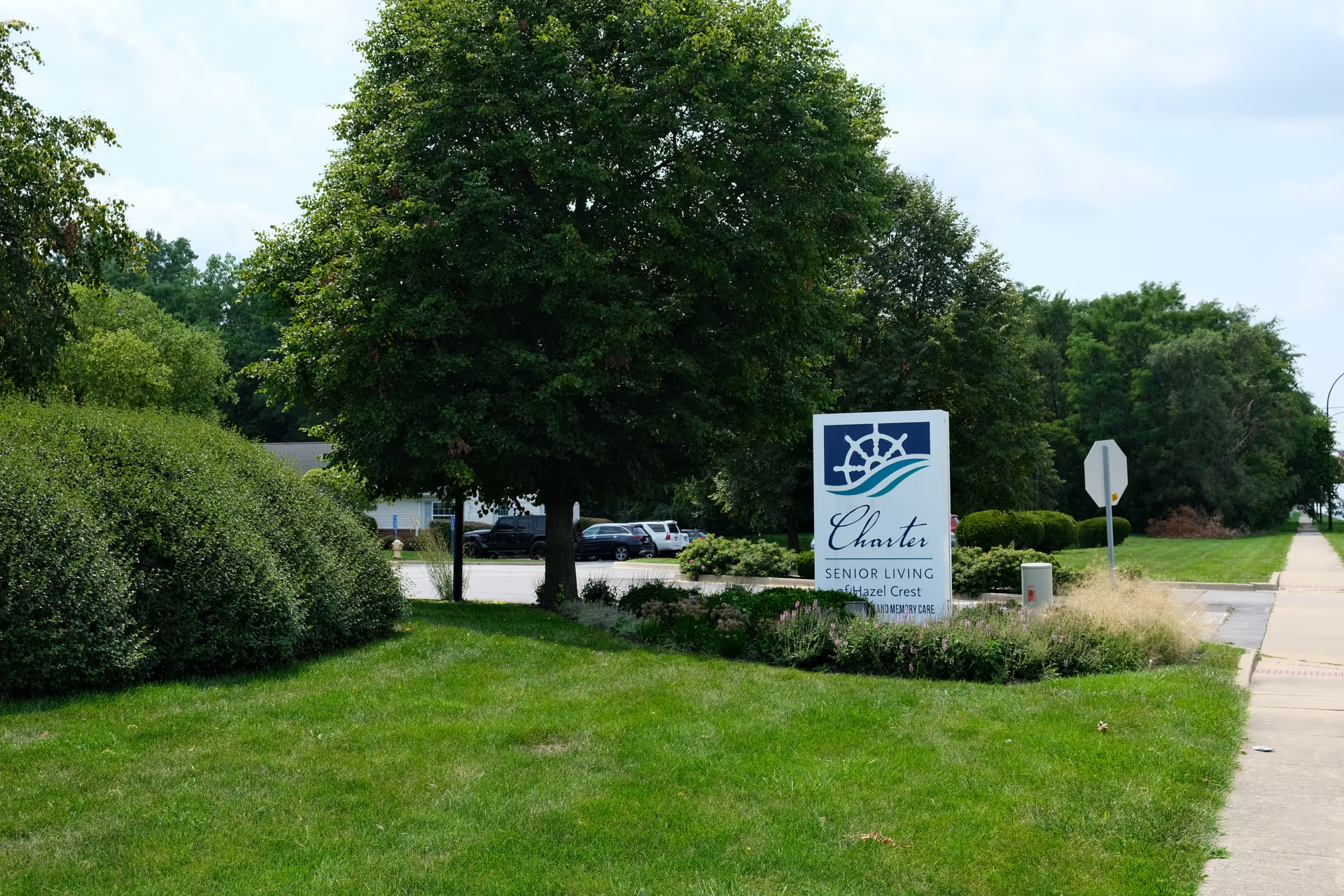
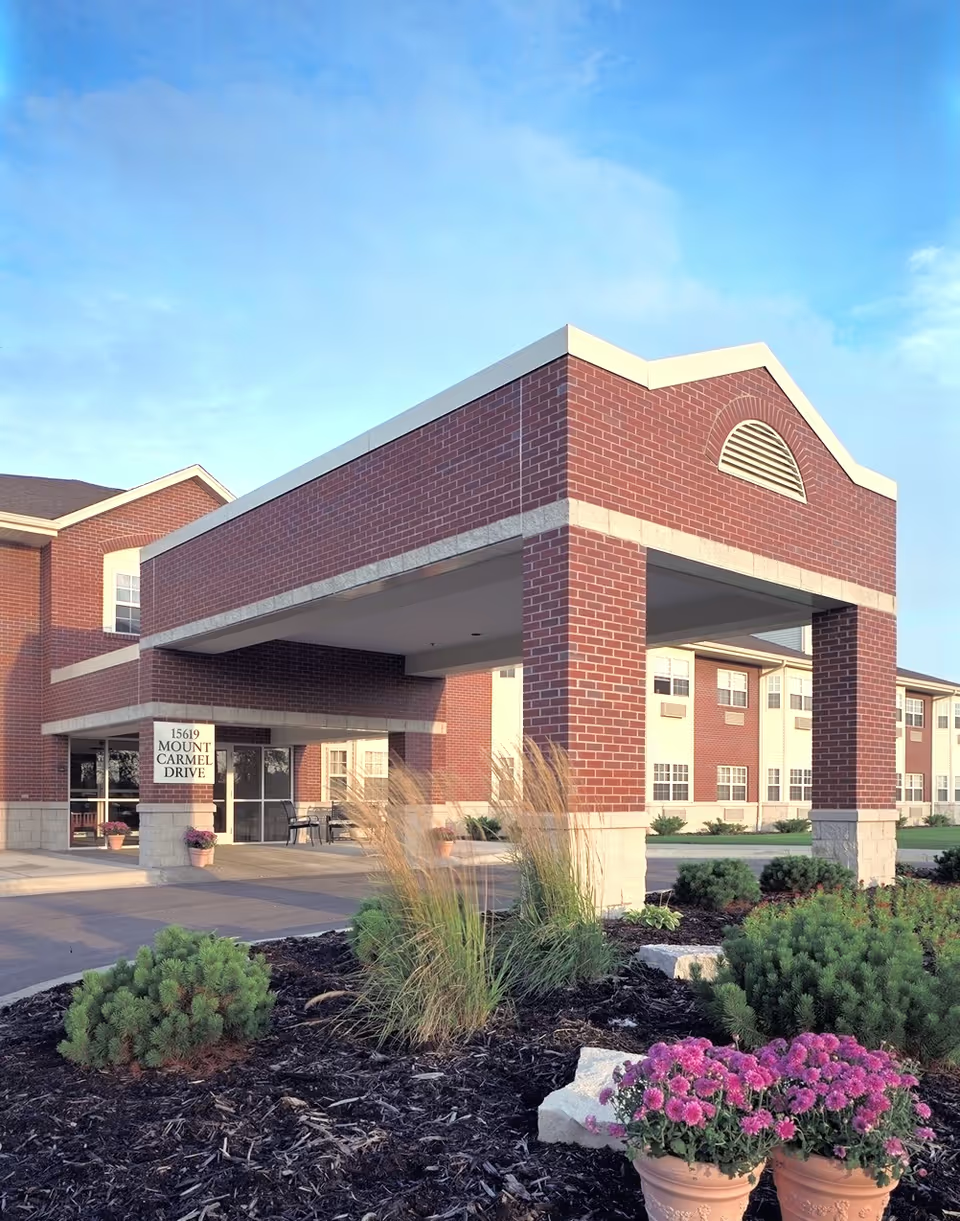
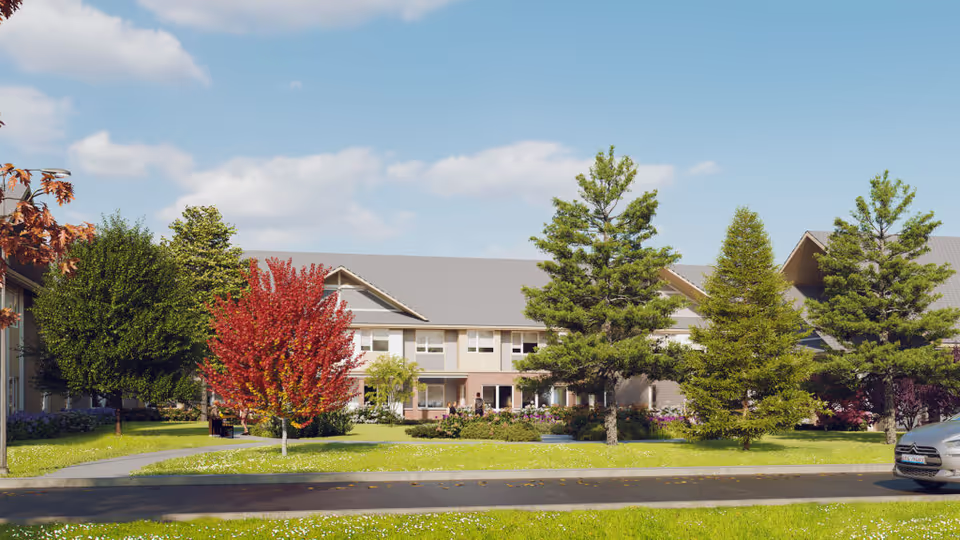
Autumn Leaves of Orland Park elicits markedly mixed but specific impressions. Many families describe a warm, home-like environment with staff who are caring, engaged, and personally connected to residents. Reviewers frequently praise the nursing leadership, dedicated caregivers, active programming, and comfortable communal spaces such as outdoor courtyards and art/activity rooms. The community offers memory-care specialization, on-site clinical services, physical therapy, private rooms, and a range of activities (themed events, outings, celebratory food days) that many residents enjoy.
Care and staffing quality emerge as the central axis of variability. When staffing is stable and leadership is present, families describe timely medications, frequent night checks, attentive personal care, well-managed laundry and housekeeping, and positive communication from the executive director and nursing staff. Conversely, reviewers also describe periods of high staff turnover, frequent use of agency personnel, and understaffed shifts. These operational patterns have been associated with delayed responses to resident needs, missed or inconsistent medication practices, and gaps in supervision—particularly during off hours.
Dining and nutrition receive mixed evaluations. Several families commend generous portions, a willingness to customize meals, hydration stations, and participation in special food-related activities. At the same time, there are consistent complaints about variability in food quality, menu execution (including pureed-meal preparation), and occasional limited meal variety. Meal-service continuity appears to depend on kitchen staffing and management; prospective families should ask about current kitchen staffing and sample menus.
Activities and social programming are a notable strength for many residents. The facility runs a broad calendar of events, volunteer participation, intergenerational visits, and special outings that contribute to resident engagement and mood. A few reviews indicate periods with reduced activity or lower evening stimulation, which again corresponds to staffing patterns.
Facilities are often described as clean, homey, and well maintained in public areas, with attractive common rooms and outdoor spaces. Some reviews, however, raise concerns about inconsistent room-level cleanliness, laundry errors, and limited private-bath availability in certain units. Safety features such as fall-detection in bathrooms and coded entry are present, but reviewers note variability in fall monitoring and response times during understaffed periods.
Management and organizational stability are recurring themes. Multiple reviewers praised responsive leadership, clear communication, and a transparent clinical director when those individuals were present. Others describe management turnover, ownership changes, and weak communication between administrative and direct-care staff, which families associate with uneven service levels. There are case-level allegations of more serious operational failures; prospective families should request current staffing ratios, medication-administration policies, incident-response procedures, and evidence of staff training in dementia care.
Overall, Autumn Leaves of Orland Park offers many elements families seek in memory-care and assisted-living—engaged caregiving staff, strong activity programming, clinical resources on-site, and a homelike setting—but service reliability appears sensitive to staffing stability and leadership continuity. Visitors and prospective residents would benefit from an in-person tour that includes observing a mealtime, reviewing current staffing levels and agency-staff usage, inspecting a resident room, and discussing how the facility handles medication administration, laundry/housekeeping follow-through, and emergency/fall-response protocols.