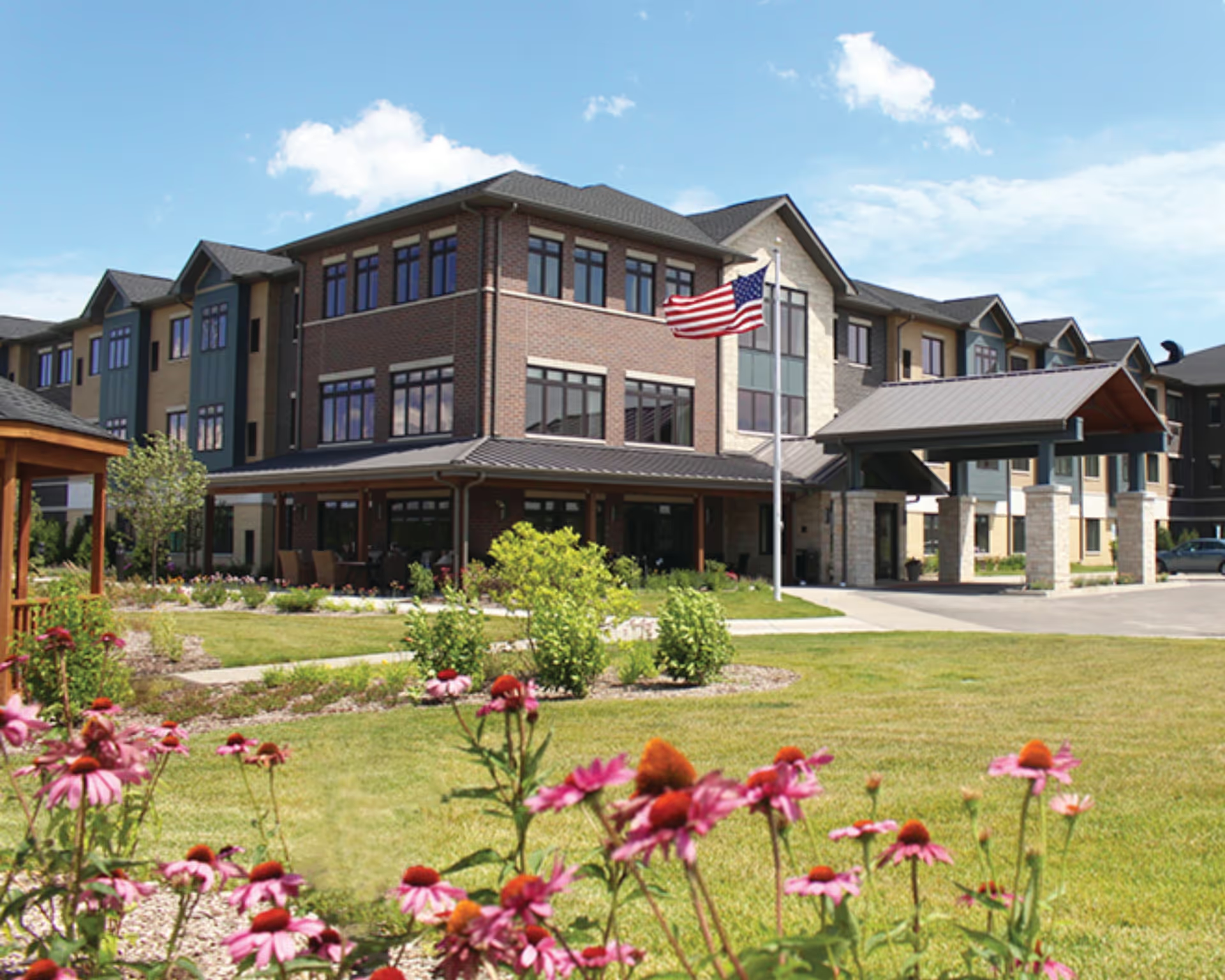
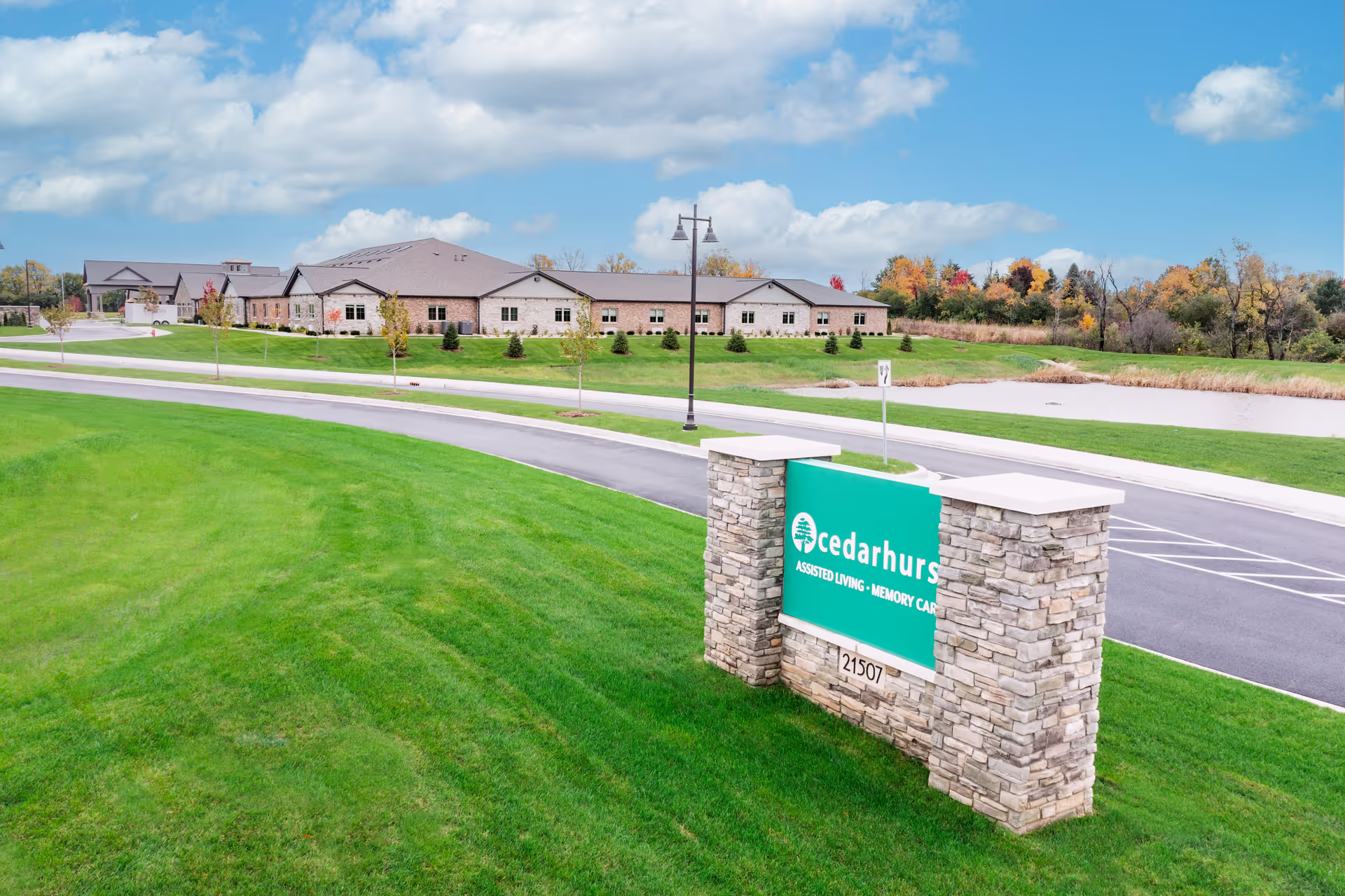
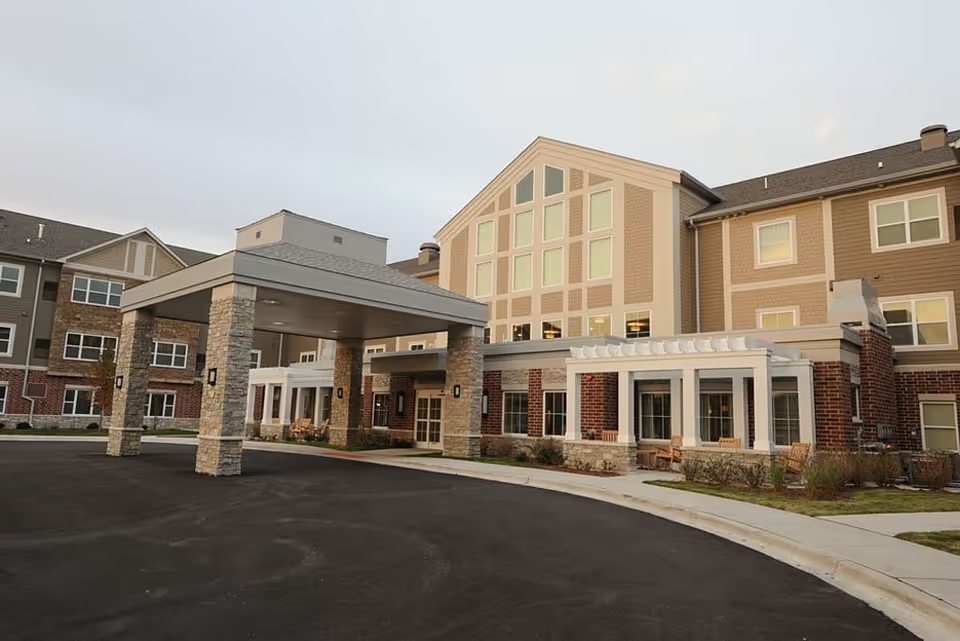
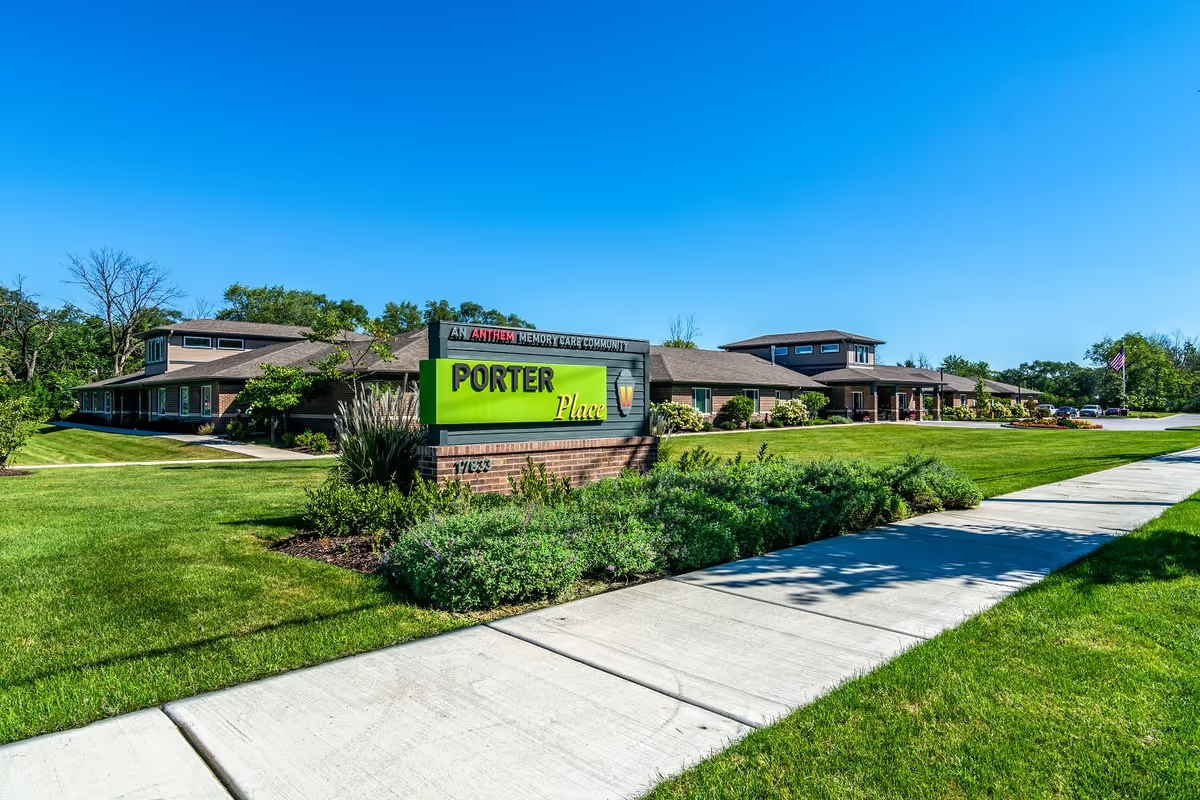
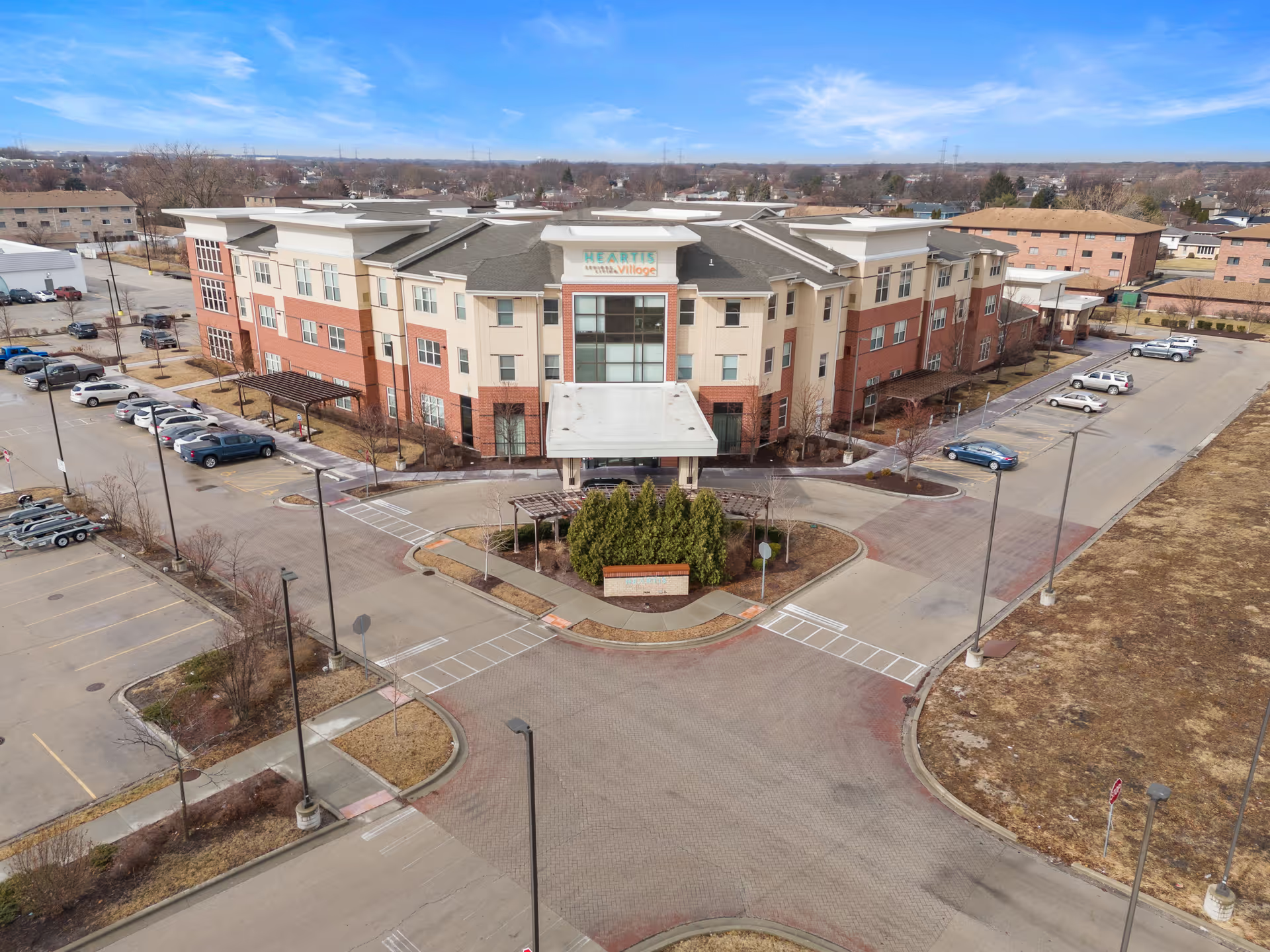
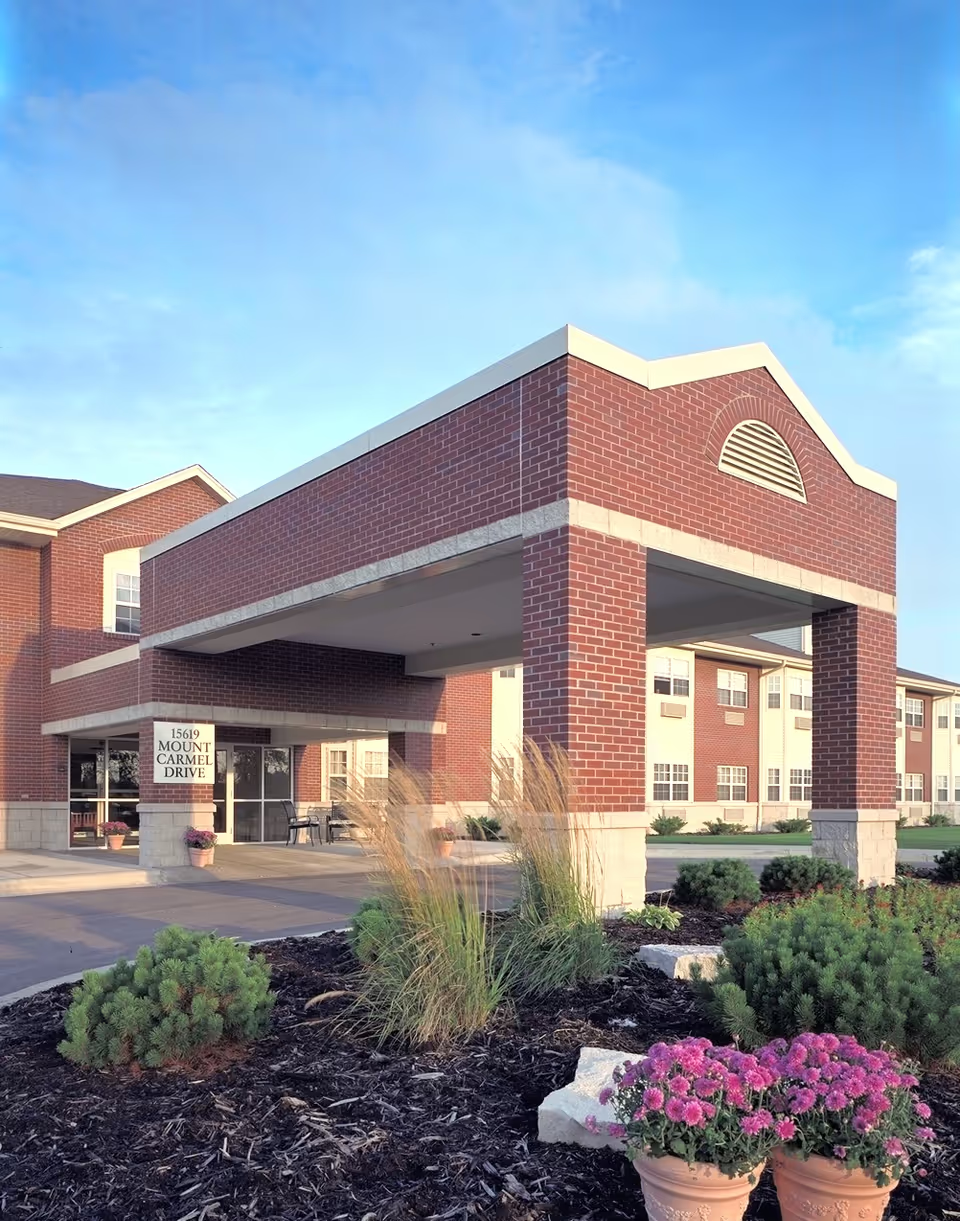
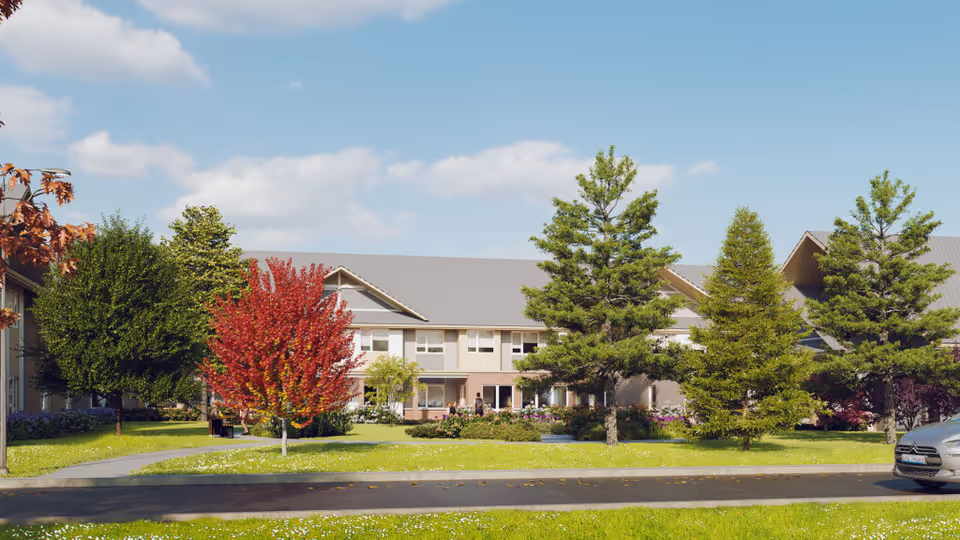
Smith Crossing is frequently described as a visually appealing, modern campus with upscale, well‑appointed apartments and resort‑style common areas. Many families and residents praise the attractive grounds, hotel‑like dining rooms, a bistro, and a broad array of amenities such as a library, fitness and entertainment spaces, underground parking, and ample programming. The facility offers a full continuum of care — independent living through memory care and skilled nursing — and multiple reviewers highlighted successful rehabilitation services (physical, occupational, and speech therapy) and useful transition resources.
Direct‑care staff receive substantial positive feedback for warmth, personalized attention, and engagement. Numerous comments describe caregivers who know residents by name, an active activity director who runs varied programs and outings, frequent social events, and daily check‑ins that contribute to residents’ social engagement and family peace of mind. Cleanliness and interior upkeep are common strengths: common areas and apartments are described as bright, tidy, and attractively furnished.
Alongside these strengths, a pattern of operational challenges appears across reviews. Staffing consistency is a recurring concern — families describe fluctuations in staffing levels and shifts that can affect day‑to‑day care. This inconsistency correlates with variability in clinical care quality, including medication‑administration and communication lapses between clinical staff and families. Some reviewers also indicated irregular therapy scheduling or inconsistent rehabilitation follow‑through, which may affect clinical outcomes for residents relying on those services. There are specific mentions of infection‑related care concerns (including UTIs) and gaps in clinical documentation or timely updates to families.
Dining is a frequently cited strength in many accounts, but there are also repeated notes about variability: while many praise freshly prepared, enjoyable meals, other comments describe cold or over‑dried entrées and limitations in accommodating special diets without additional charges. Transparency around fees and occasional upcharges is another operational concern families should clarify during inquiry.
Management and administrative areas show mixed feedback. Positive experiences with admissions and staff interaction coexist with reports of inconsistent front‑desk professionalism, slow responsiveness to calls or admissions inquiries, and perceptions of leadership and policy instability (including staffing reductions and changes). Additional logistical concerns include pest‑control issues in some rooms, limited outdoor access for the memory‑care unit, and internal layout considerations that can create long walks to dining for mobility‑impaired residents. A restrictive off‑hours visitation policy was also noted and may be important for families to review.
Overall, Smith Crossing presents as a high‑quality, amenity‑rich community with many strong aspects in environment, activity programming, and interpersonal caregiving. However, prospective residents and families should investigate operational consistency: ask for current staffing ratios by unit and shift, medication‑management and incident‑communication protocols, dining accommodations and fee schedules, pest‑control practices, memory‑care outdoor access, and how management addresses service variability. A focused tour and direct questions about these operational areas will help clarify whether the facility’s strengths align with an individual resident’s clinical and social needs.