Overall impression: Aliya of Palatine elicits mixed but patterned feedback. Many families and staff commenters describe a compassionate, person-centered culture on the care floor—particularly within the locked memory-care unit—while others raise operational concerns that appear to stem from staffing and communication gaps. Strengths center on daily caregiving, social engagement, and visible clinical leadership; weaknesses concentrate on consistency of staffing, safety monitoring, and communication with families.
Care and staff: Reviewers frequently praise bedside staff for patience, dignity, and individualized attention. Multiple comments highlight proactive CNAs and thoughtful nursing leadership, and several families described positive interactions with the director and director of nursing. The facility’s memory-care programming and short-term therapy services are noted as effective; activities such as group games and music are regularly cited as beneficial. At the same time, recurring concerns point to inconsistent staffing levels, which reviewers link to delays in response, uneven monitoring, and situational lapses in oversight.
Safety, clinical oversight, and medication: There are consistent themes around gaps in resident monitoring and clinical oversight. Concerns include unexplained marks or injuries, unease about certain staff-to-resident interactions, and questions about medication practices. Some families described perceptions that sedative or PRN medications were used in ways that affected resident alertness. Taken together, these items suggest opportunities for strengthened clinical protocols, medication-review practices, and enhanced supervision to ensure consistent resident safety.
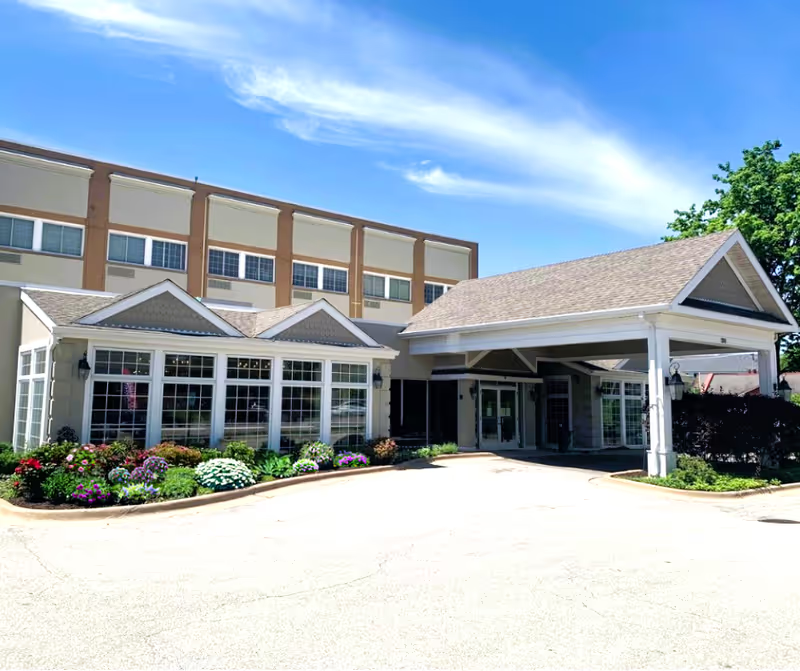
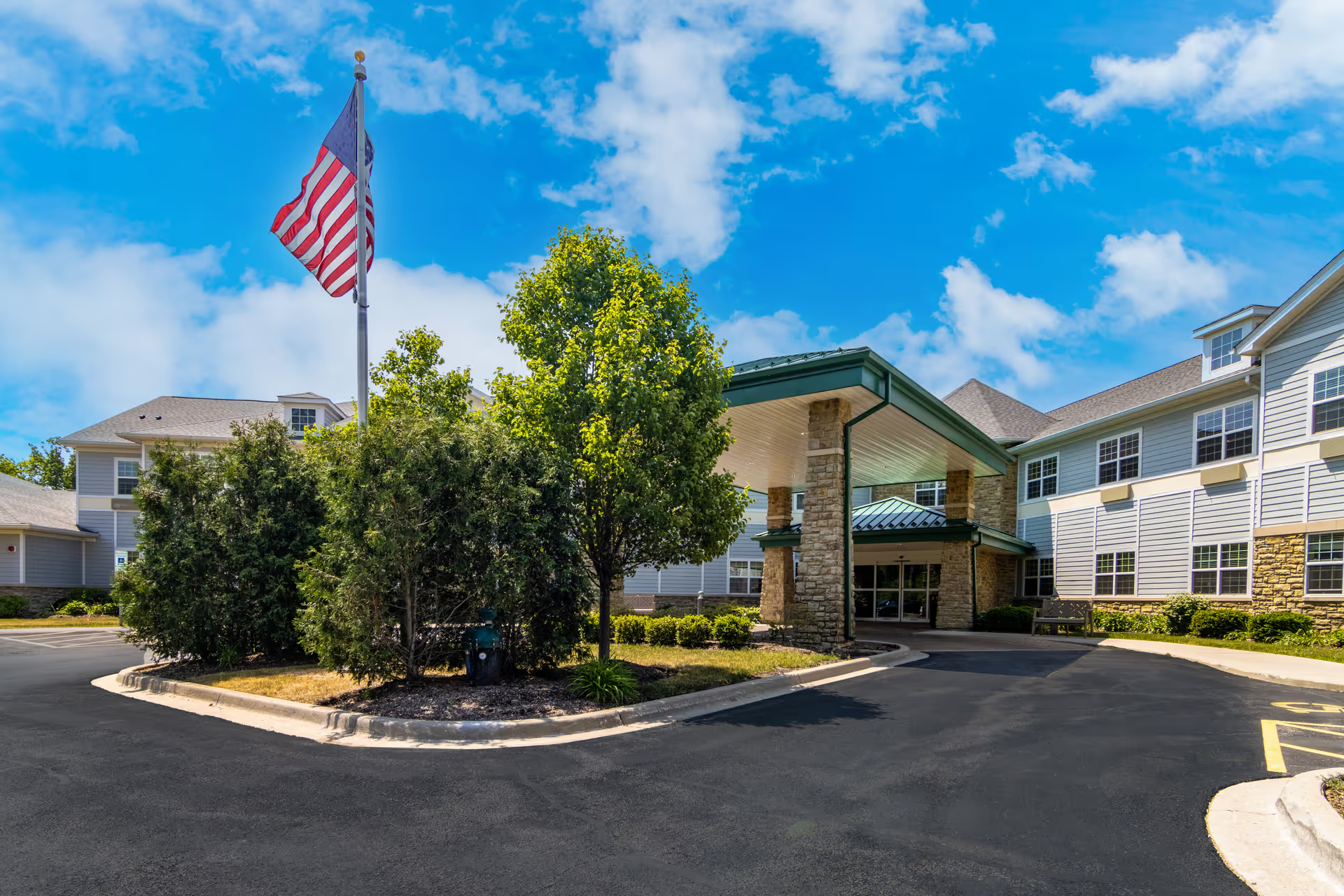
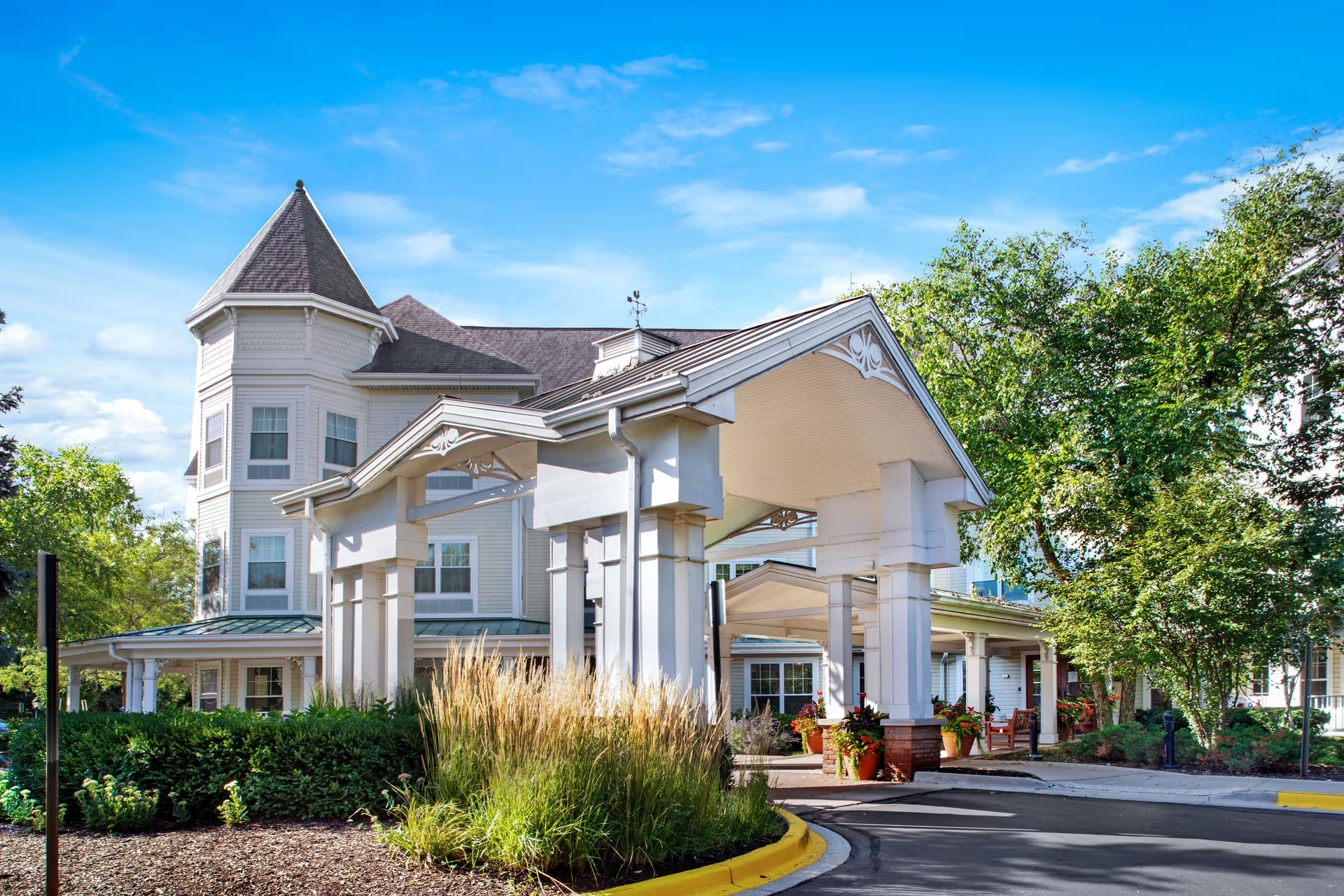
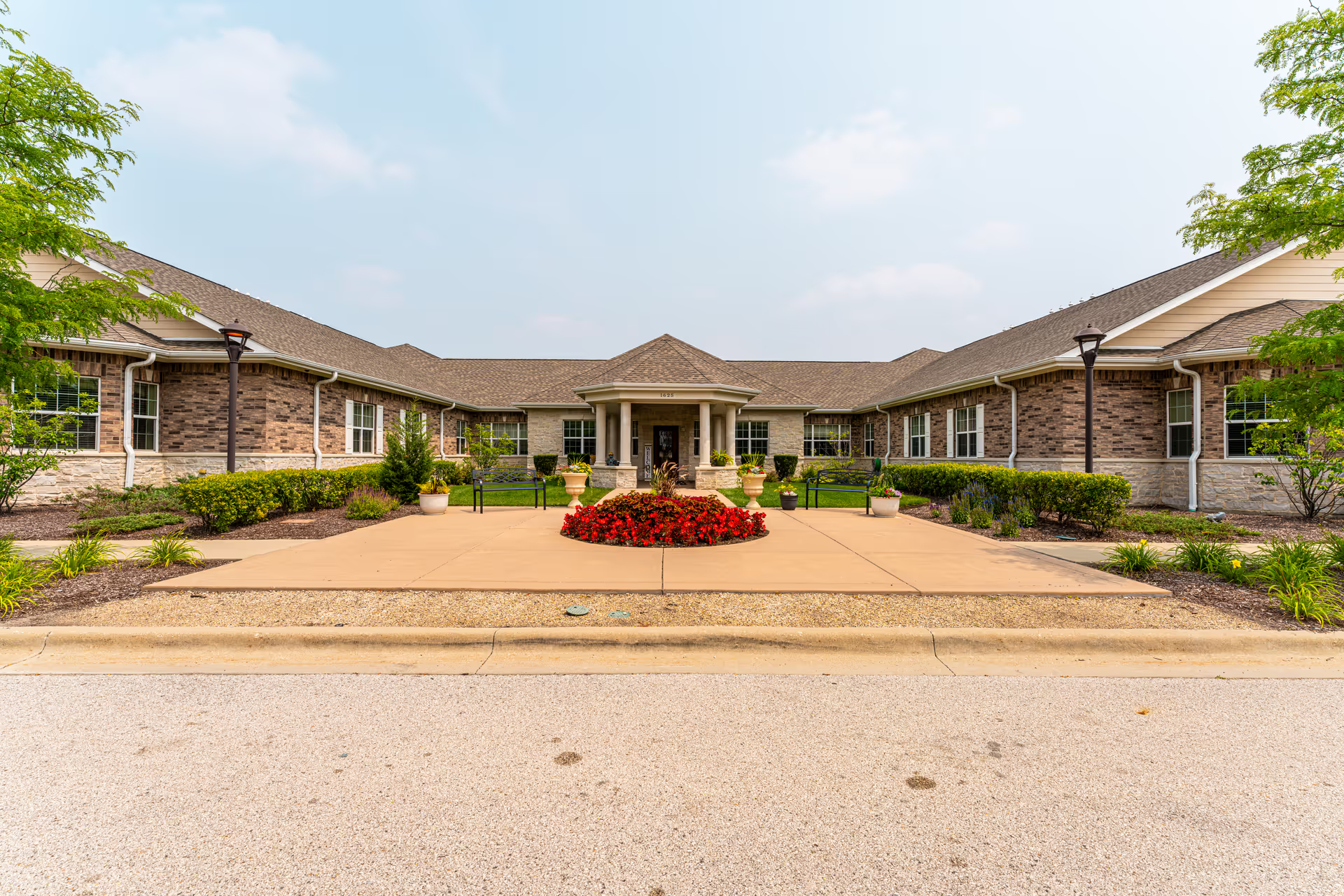
Dining, activities, and environment: Activity programming is a clear positive—residents are observed participating in social events, movement, and cognitive engagement. Dining experiences vary in the feedback: some families report quality meals and positive dining atmospheres, while others cite inconsistent food preparation and room-service issues. The interior is generally described as clean and home-like, but the exterior and some dated areas could benefit from cosmetic attention.
Management and communication: Leadership presence is repeatedly cited as a strength; reviewers single out proactive administrators and nursing managers who conduct rounds and engage with families. However, parallel concerns about callbacks, phone-response delays, and coordination of care suggest uneven communication systems. There are also comments about unanticipated room moves and transfer processes that would benefit from clearer policies and family notification practices.
Notable patterns and considerations for families: Prospective residents and families should weigh the facility’s strengths in compassionate, activity-oriented memory care and visible clinical leadership against recurring operational issues tied to staffing, supervision, and communication. If clinical consistency and timely family communication are high priorities, visitors should inquire about current staffing ratios, medication-review procedures, incident-reporting practices, and the facility’s protocols for room changes and family notification. Conversely, those seeking active social programming, coordinated hospice interfaces, and a warm, home-like atmosphere may find important positives at this community.