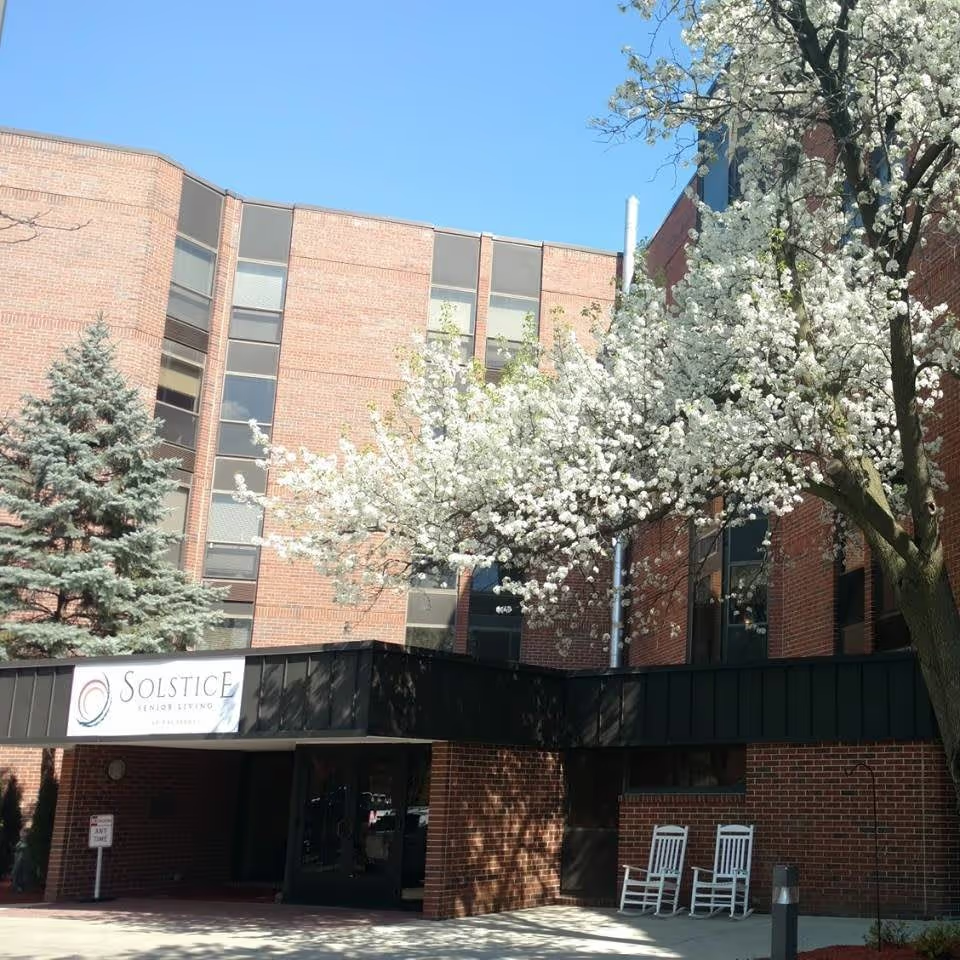
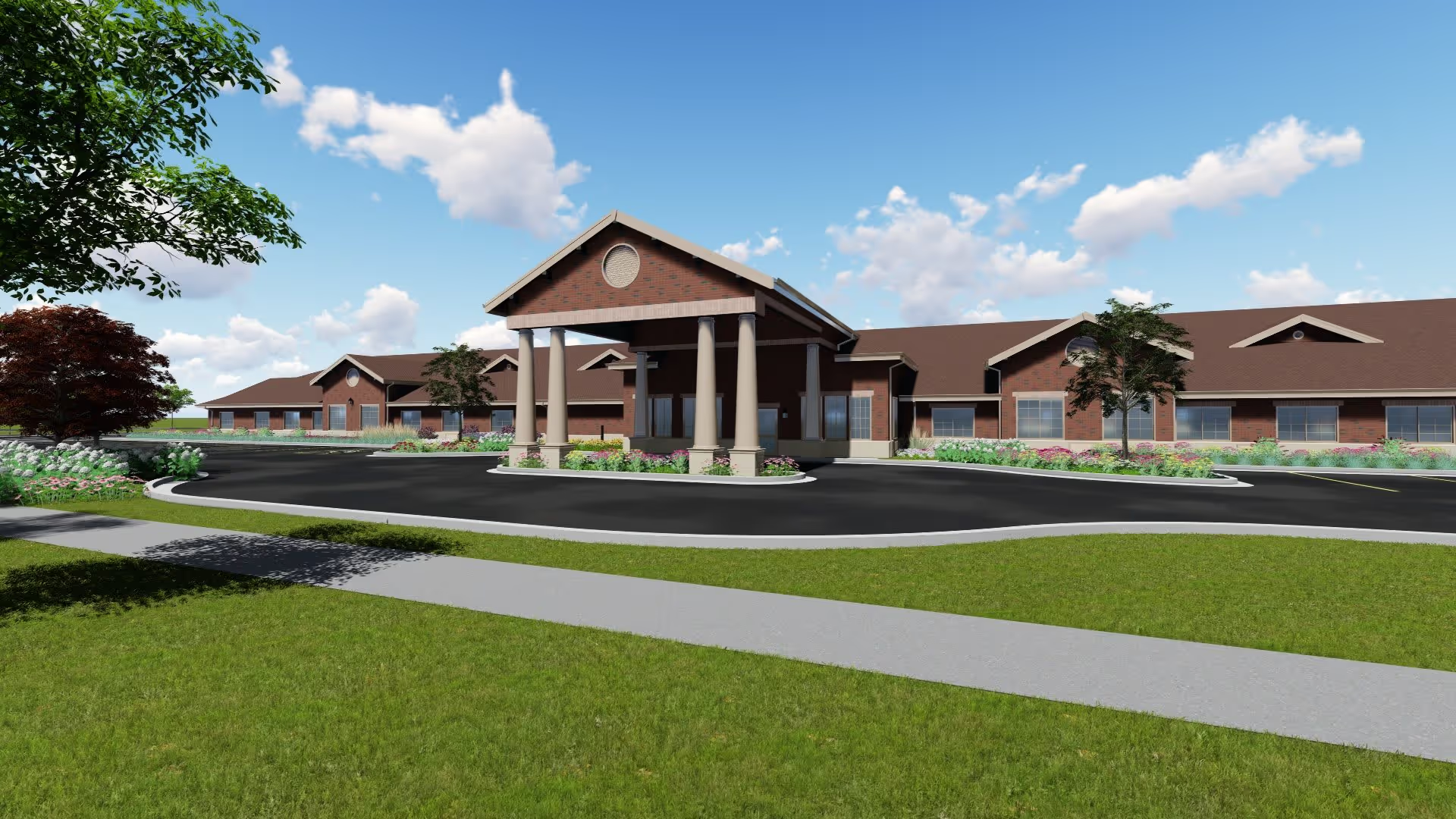
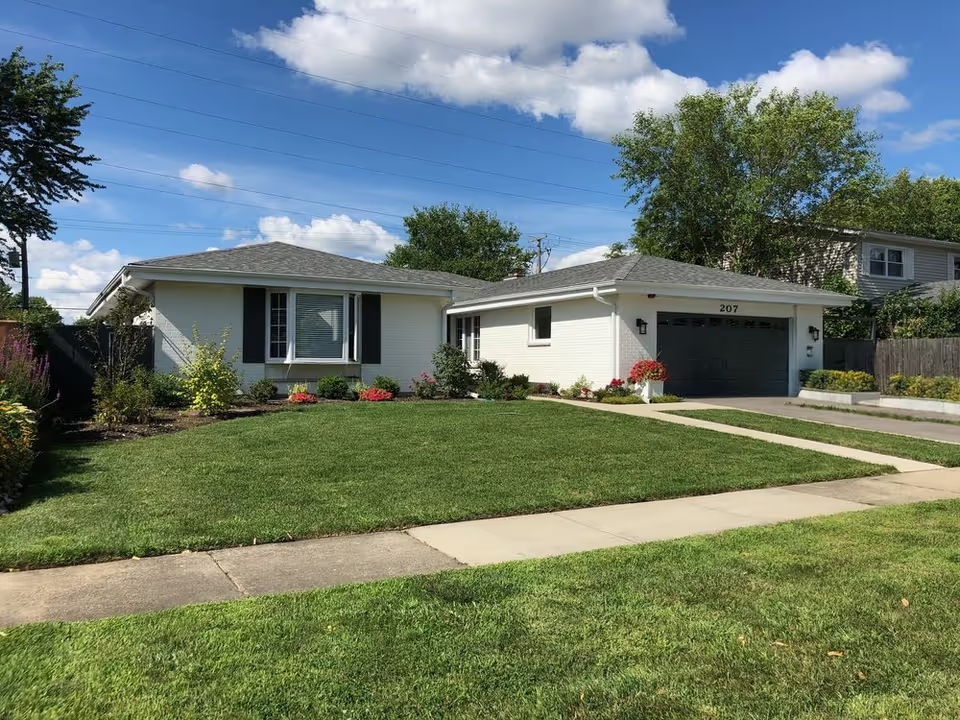
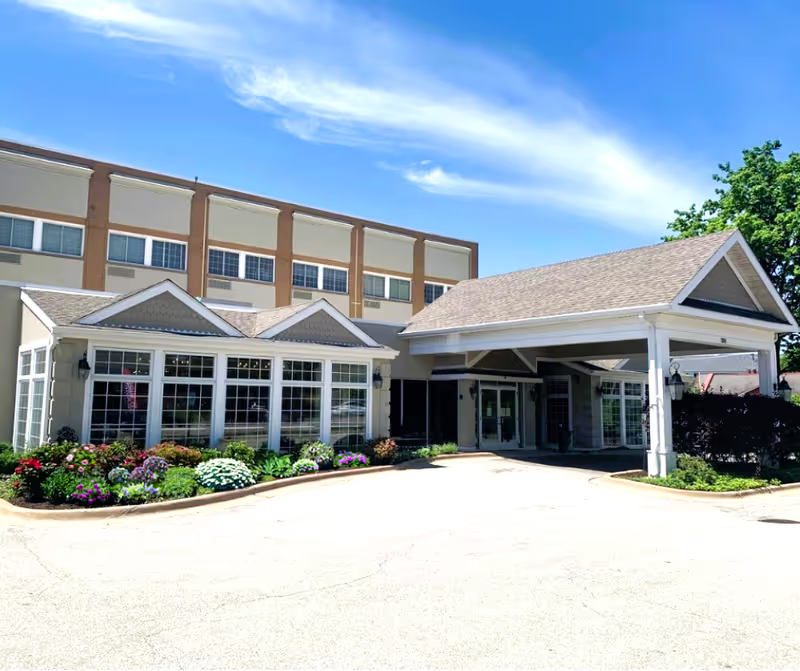
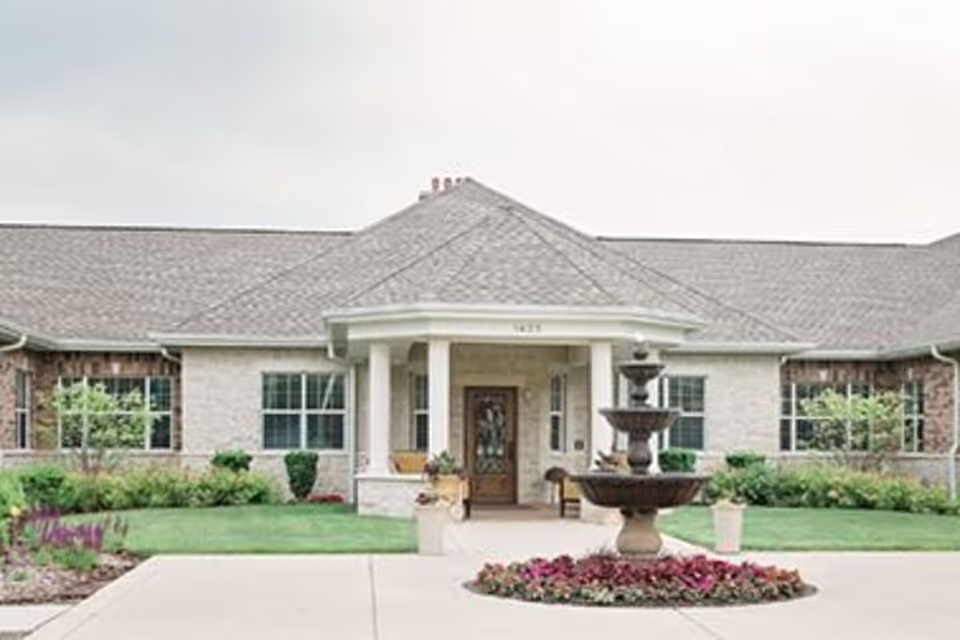
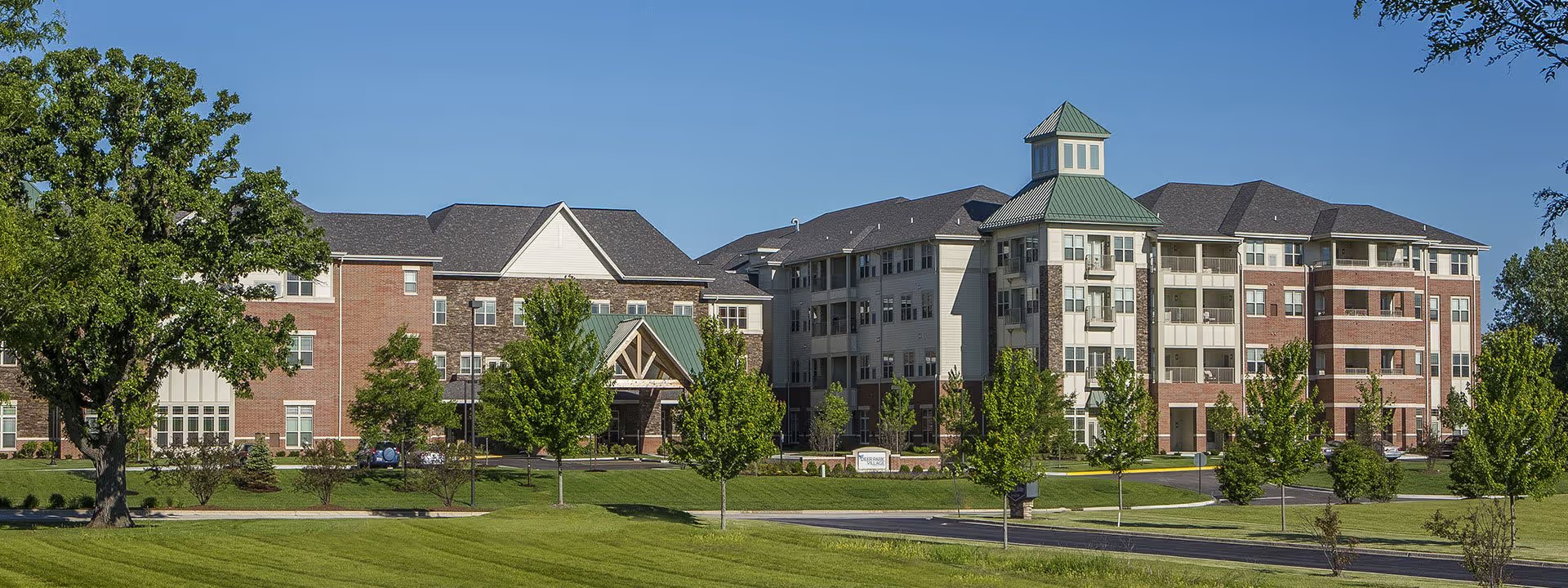
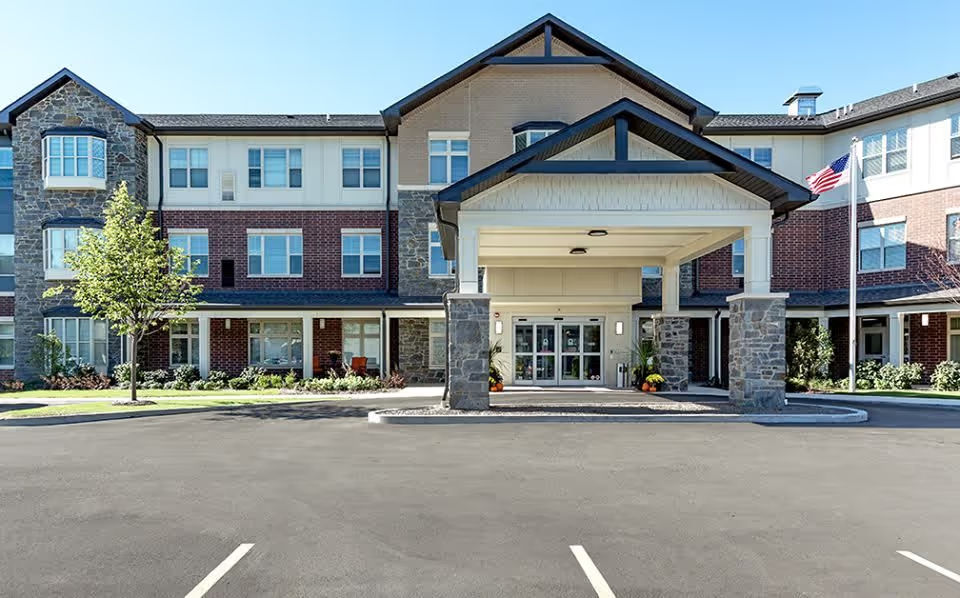
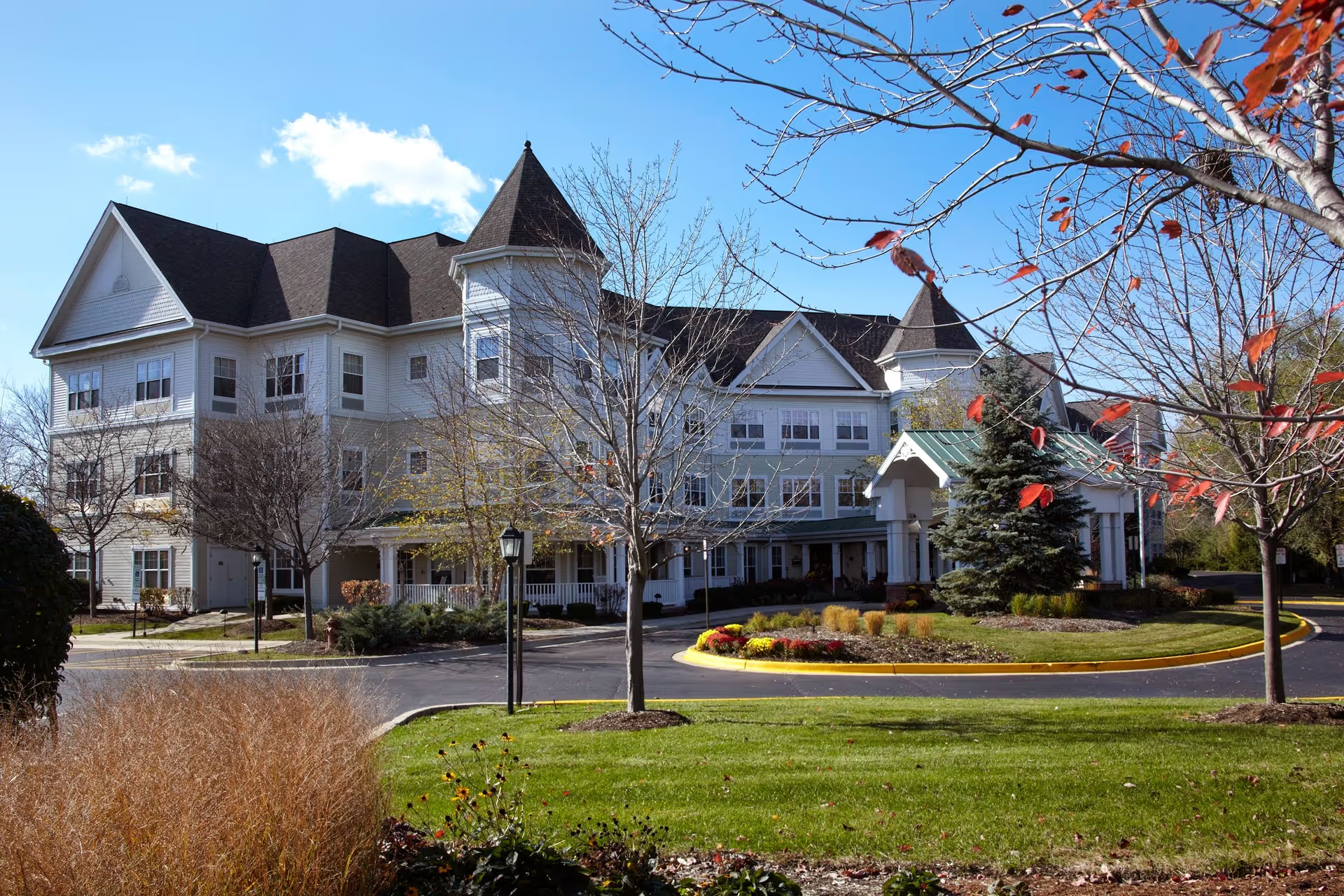
The Grand at Twin Lakes presents as a resort-style independent living community with a strong catalog of amenities and many residents praising its physical environment. Commonly cited assets include an indoor heated pool with structured aquatic classes, a movie theater, game rooms, fitness facilities, well-maintained courtyards, and bright, spacious apartments. Families and residents frequently highlight weekly housekeeping, a 24-hour concierge/security presence, pet-friendly policies, and proximity to local parks and Twin Lakes as contributors to quality of life.
Front-line staff and caregiving teams at the community receive consistently positive remarks for attentiveness, compassion, and responsiveness. Several reviews note effective on-site clinical resources such as nursing, therapy services, and medical coordination, and families often describe staff who know residents by name and who advocate for resident needs. Activities staff and programming are also commonly praised for offering a range of classes and events (water aerobics, tai chi, chair yoga, crafts, and movie showings), which contribute to an engaged resident community.
Dining is a mixed area. Many residents enjoy restaurant-style meals, weekly happy hours, and regular meal service; some reviews describe an excellent chef and plentiful offerings. However, others report inconsistent meal quality, limited menu choices, frequent last-minute menu changes, and inadequate options for therapeutic diets such as diabetic-friendly meals. These food-service inconsistencies are frequently linked to kitchen staffing challenges.
Operationally, the facility shows both strengths and notable weaknesses. Positive operational traits include weekly housekeeping, a variety of amenity spaces, and flexible placement or in-home support options. On the other hand, recurring operational concerns appear across reviews: staffing instability (including turnover among activities and dining staff) that disrupts program continuity; management communication gaps that leave families uncertain about promises or contractual matters; and occasional infrastructure reliability issues such as elevator, heating, or water interruptions. There are also repeated comments about limited transportation for outings, a constrained range of unit types (many units are one-bedroom or studio), extra fees for services, and limited acceptance of long-term care insurance—issues that affect cost and accessibility for some prospective residents.
A pattern of mixed experiences with management and administrative follow-through emerges. While some reviewers credit proactive directors and responsive leadership for resolving problems, others describe broken commitments, disagreements over deposits or refunds, and dissatisfaction with how certain transitions or vendor relationships were handled. There are also a few stronger allegations concerning misrepresentation and contractual disputes that potential residents and families should investigate directly with management and in the lease/contract review.
In sum, the Grand at Twin Lakes offers robust amenities, an engaged activities program, and a generally compassionate staff—features that many residents and families value highly. Prospective residents should, however, clarify dining options and therapeutic-diet accommodations, confirm unit configurations and fee structures, ask detailed questions about transportation and outing schedules, and seek specifics about management responsiveness and service continuity (especially staffing and infrastructure reliability) before committing. Visiting at multiple meal times and meeting current residents and leaders of activities and dining can help assess whether the community’s current operational patterns match a family’s expectations.