Reviews describe a facility with notably strong interpersonal strengths and rehabilitation capability alongside recurring operational weaknesses. Families and short-stay patients commonly praise the compassion, responsiveness, and professionalism of nurses, CNAs, therapists, and social-service staff; many note effective intake processes, attentive therapy that produces measurable recovery, and high levels of family engagement. The activity program is frequently highlighted as creative and engaging, offering music, trivia and seasonal events that support socialization. Common areas and building maintenance are regularly described as clean and orderly, and social-services staff are credited with proactive support for paperwork, discharge planning, and family communication.
Clinical care and staffing are areas of mixed feedback. Reviewers report that nursing and therapy teams often provide personalized, timely clinical attention and strong rehab outcomes, and that hospice and end-of-life coordination are handled sensitively. At the same time, there are repeated operational concerns: slow responses to call lights or assistance requests, inconsistent bathing and personal-care scheduling, and variability in room-level housekeeping and management of residents' personal items. Several accounts raise concerns about medication-management controls and oversight; an allegation of an unauthorized medication dose change was described and the broader pattern suggests a need for clearer medication protocols and auditing. Reviewers also referenced safety-practice gaps such as transfer/fall-prevention processes that warrant specific inquiry during admission.
Dining and activities are generally seen as strengths but with variability. Many families describe healthy, tasty meals and the facility's willingness to accommodate allergies and picky eaters; others find certain meals bland or inconsistent. The activity staff receive consistent praise for keeping residents engaged and socially connected, which contributes to a family-like atmosphere and positive short-term rehab experiences.
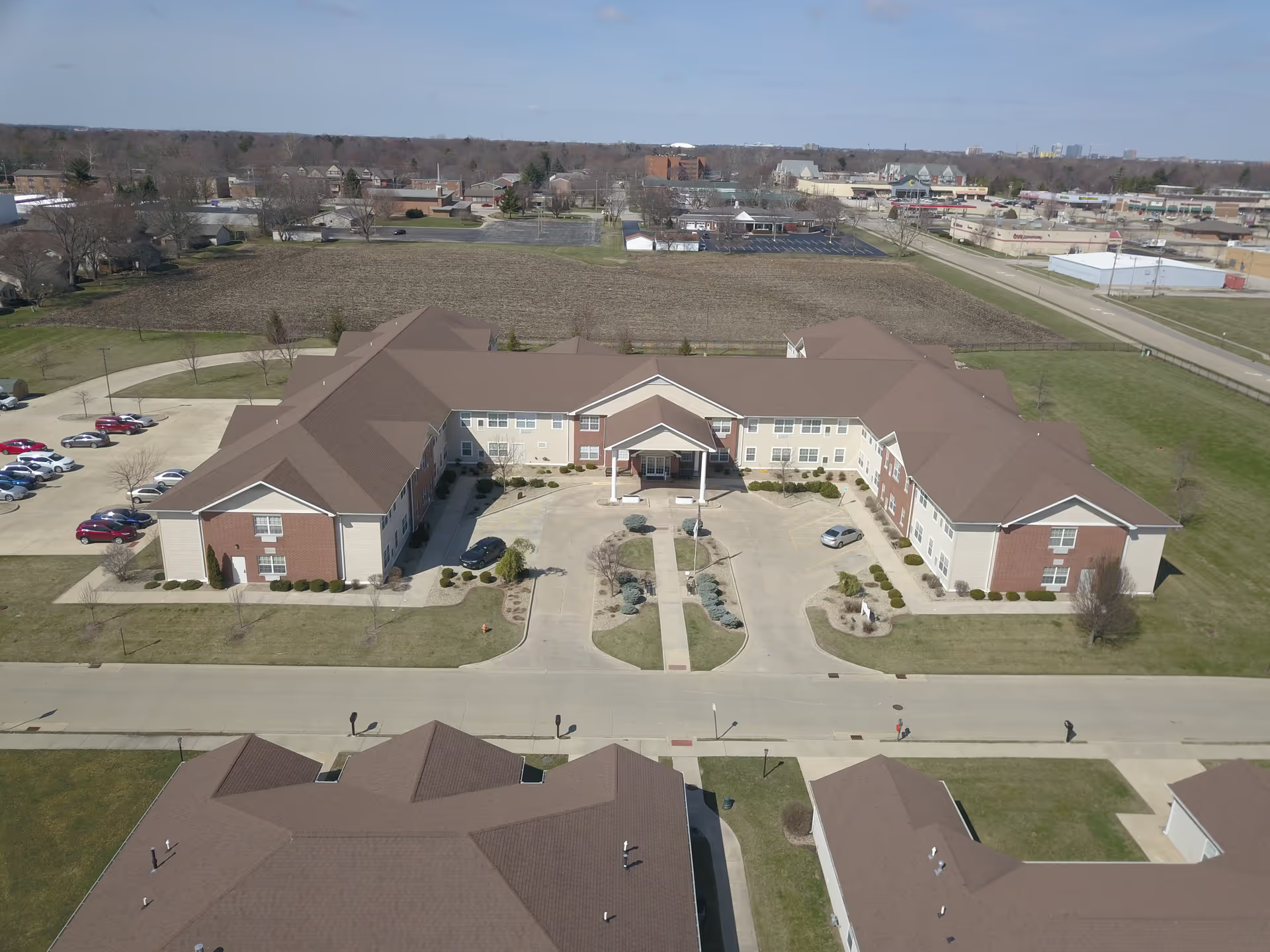
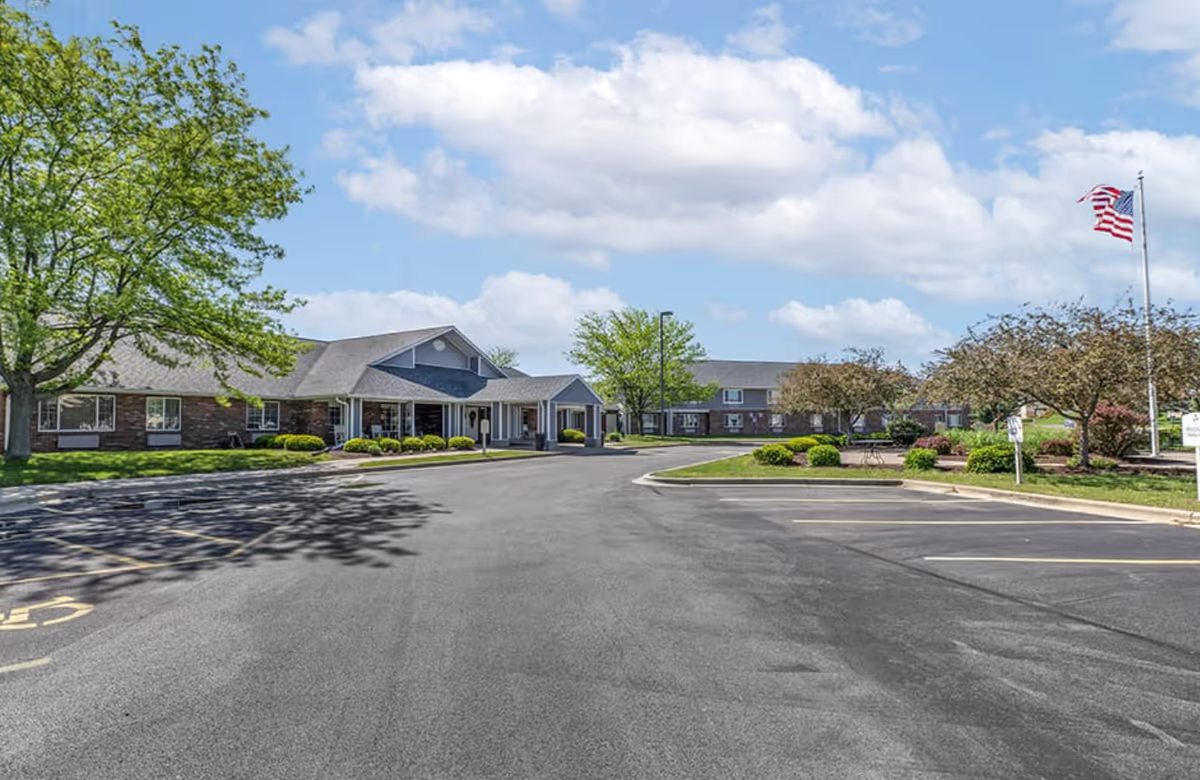
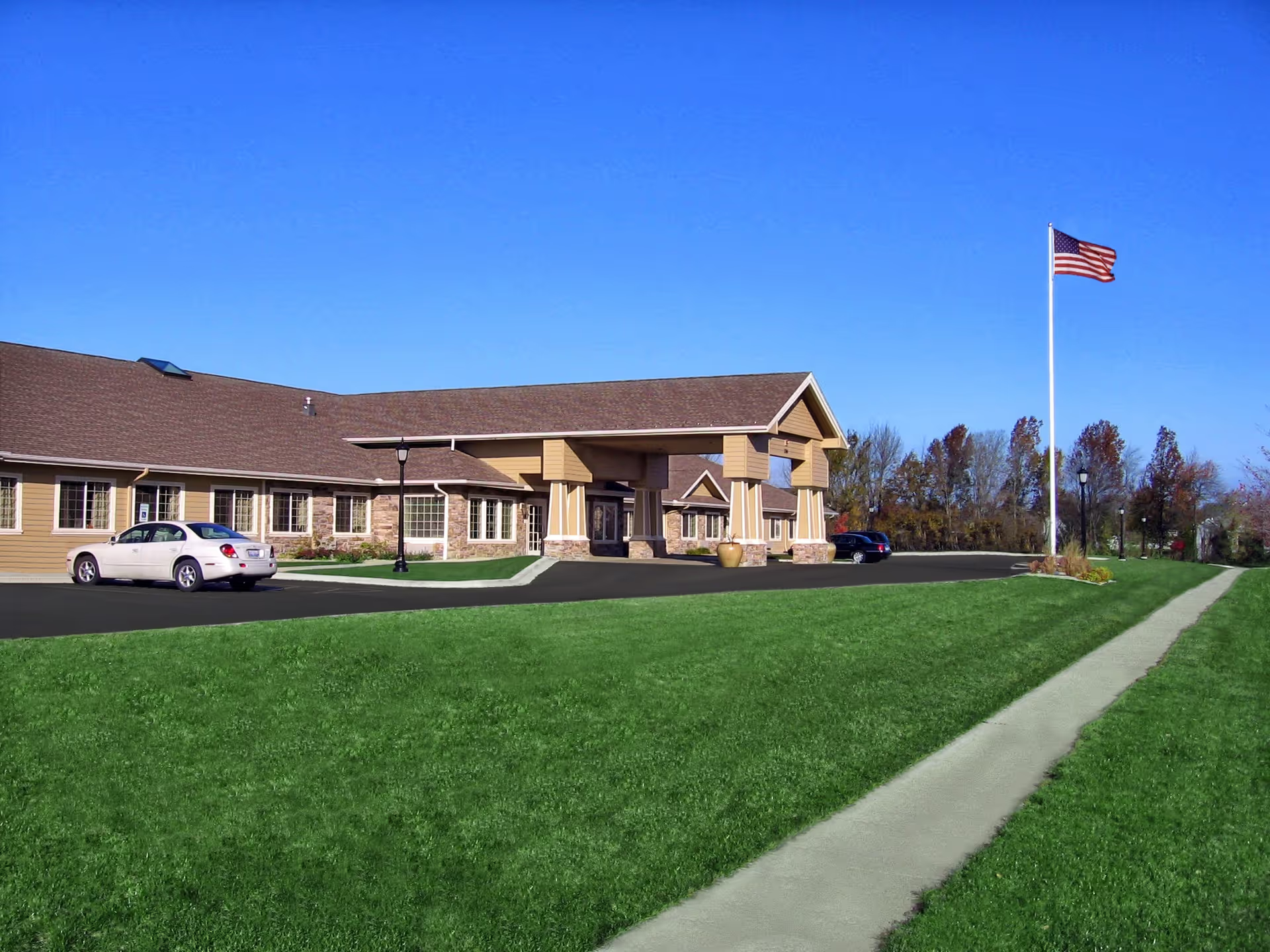
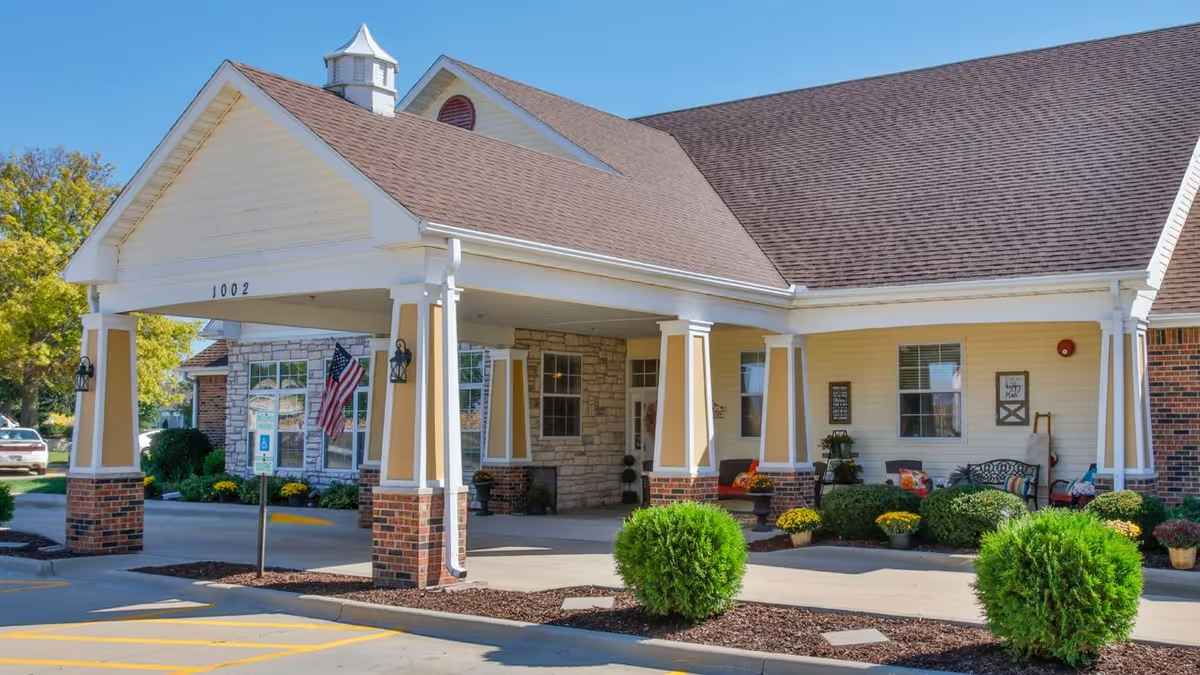
Management and facility operations present a mixed picture. The front office, business office, and many administrators are described as accessible and helpful, with proactive communication in many cases. However, reviewers also note variability in leadership communication and staff morale, and that staffing shortages—particularly during pandemic-related restrictions—have at times affected consistency of care. The building and public spaces are well-kept despite age in some parts, but prospective families should verify unit-level housekeeping and laundry/personal-item procedures.
Overall, Accolade Healthcare of Paxton appears to offer strong rehabilitation services, compassionate direct-care staff, and an active program of social engagement, making it a reasonable option for short-term rehab and socially oriented care. At the same time, recurring operational issues—most notably inconsistent staffing availability, delayed assistance responses, variability in food and room-level housekeeping, and concerns about medication oversight and fall-prevention practices—are patterns families should proactively investigate. Recommended next steps for prospective residents or decision-makers include asking about current staffing ratios, call-response metrics, medication-safety protocols and audits, fall-prevention procedures, and processes for laundry and personal-item management before admission.