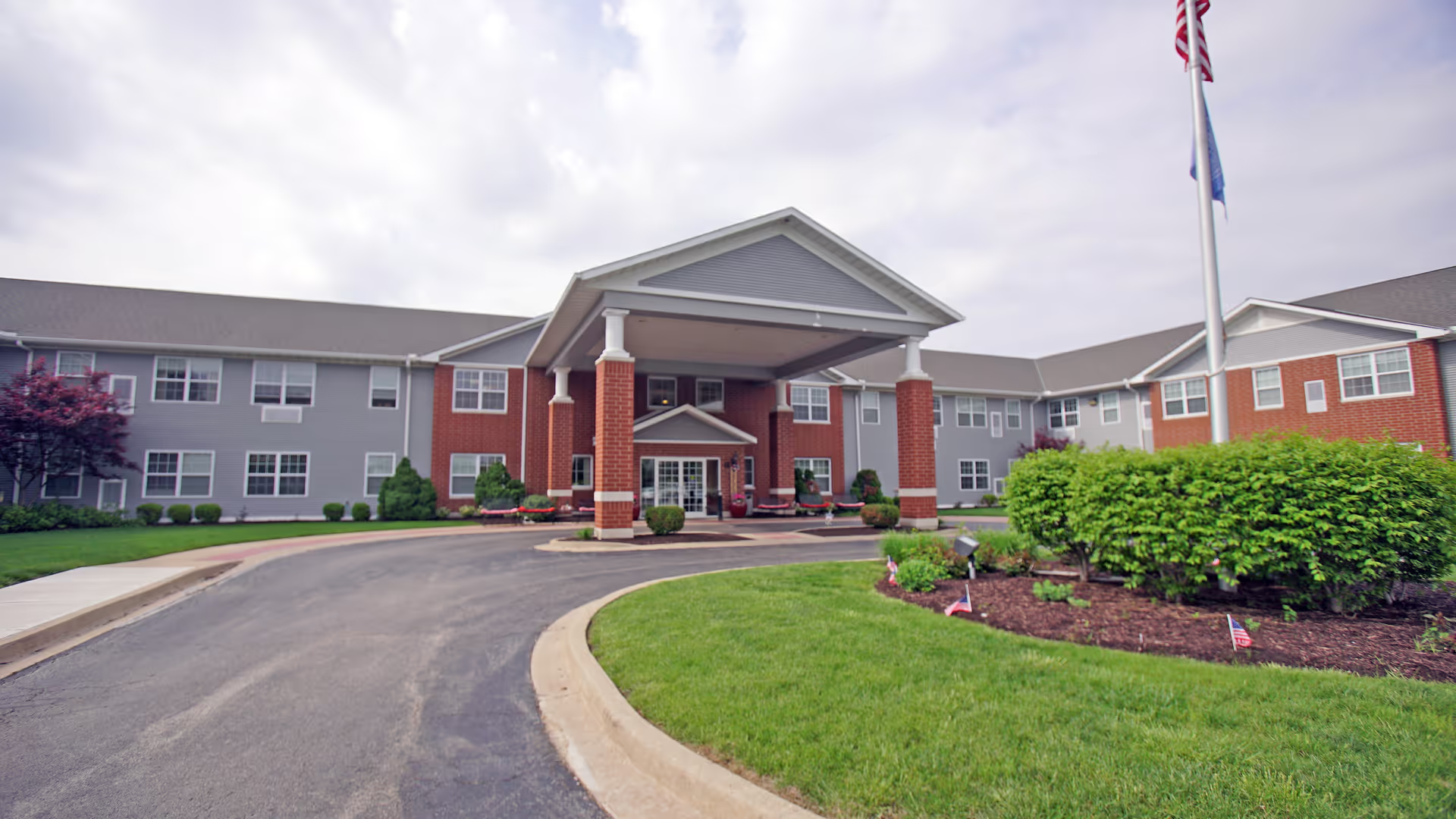
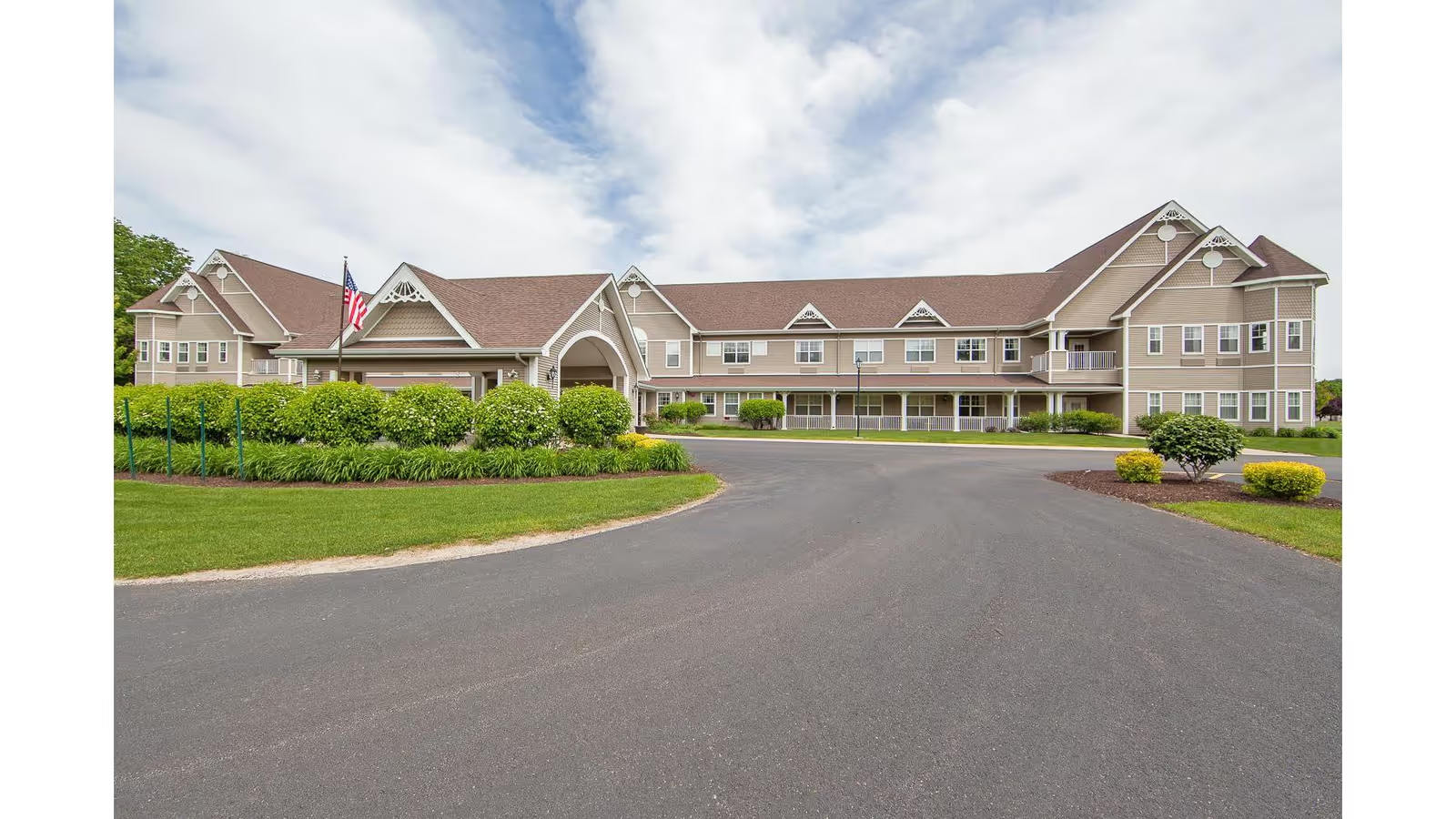
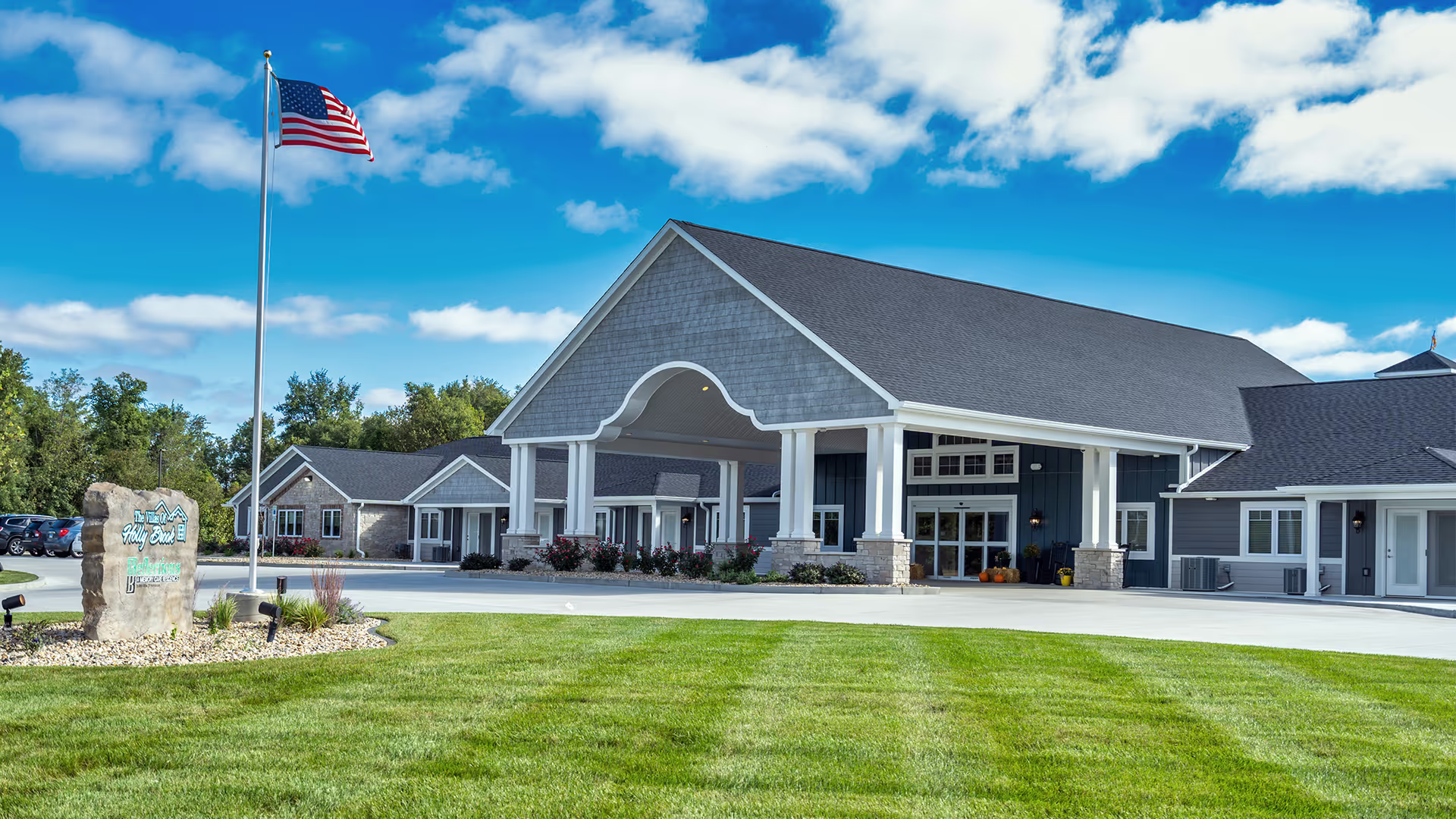
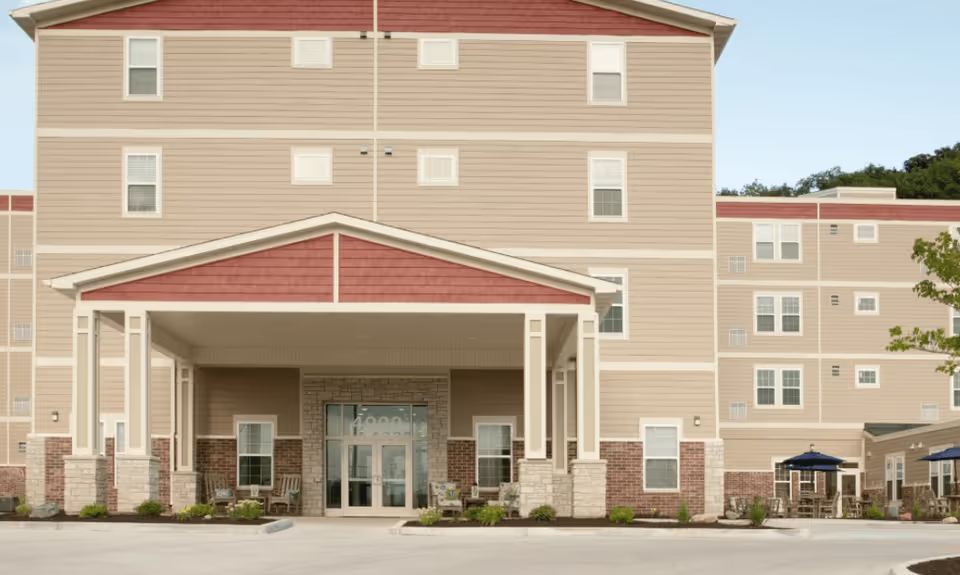
Timbercreek Rehab & Health Care elicits strongly polarized impressions: several reviewers describe excellent, therapy-centered short-term care and highly personable clinicians, while others identify persistent operational weaknesses that affect day-to-day resident experience. The facility is frequently praised for its rehabilitation program, with multiple accounts of effective physical therapy, coordinated discharge planning, and clinicians who helped residents return home. Positive staffing experiences include named nurses and therapists who provided compassionate, individualized care. The site also offers on-site physician coverage, transportation coordination for appointments and dialysis, and multiple communal spaces with an active activities schedule; family visitation and inexpensive family-meal options are noted as conveniences.
Counterbalancing those strengths are recurring operational concerns. Staffing instability and apparent shortages are linked to delayed responses to call bells, inconsistent bathing and personal-care routines, and variable bedside attention. Several descriptions point to lapses in medication administration and clinical monitoring; these are reflected in reports of missed or delayed medications and poor follow-up when residents’ conditions changed. Alarm and fall-safety processes are described as unreliable in some accounts, suggesting gaps in monitoring and response protocols.
Facility upkeep and nonclinical operations are another theme. Multiple reviewers raise sanitation and odor-control concerns in both resident rooms and common areas, alongside maintenance issues such as damaged trim and holes in walls. Laundry handling and property-management processes appear inconsistent, with several mentions of lost clothing and items. Dining receives mixed commentary: some families praise the cafeteria and social meals, while others note inconsistent food quality and timing issues for meal service.
Management and administrative functions are cited as a significant area of weakness by many reviewers. Criticisms include weak front-desk/reception coverage, delayed or incorrect payroll and paperwork handling, and poor communication with families about clinical status and absences. There are also serious, individual claims — including theft and payroll misconduct — that some families raised; these deserve independent investigation by authorities or the facility’s oversight body.
Overall, Timbercreek offers strong rehabilitation and several examples of highly committed clinicians and engaging communal programming. At the same time, persistent themes around understaffing, inconsistent clinical processes, sanitation and maintenance shortcomings, property-management failures, and uneven administrative responsiveness indicate operational areas that need targeted improvement. Prospective residents and family decision-makers should tour the building, ask specific questions about staffing ratios, medication-safety protocols, laundry/property policies, alarm monitoring, and payroll/administrative procedures, and ask to speak with therapy and nursing leaders to understand how the facility is addressing the pattern-level concerns noted above.