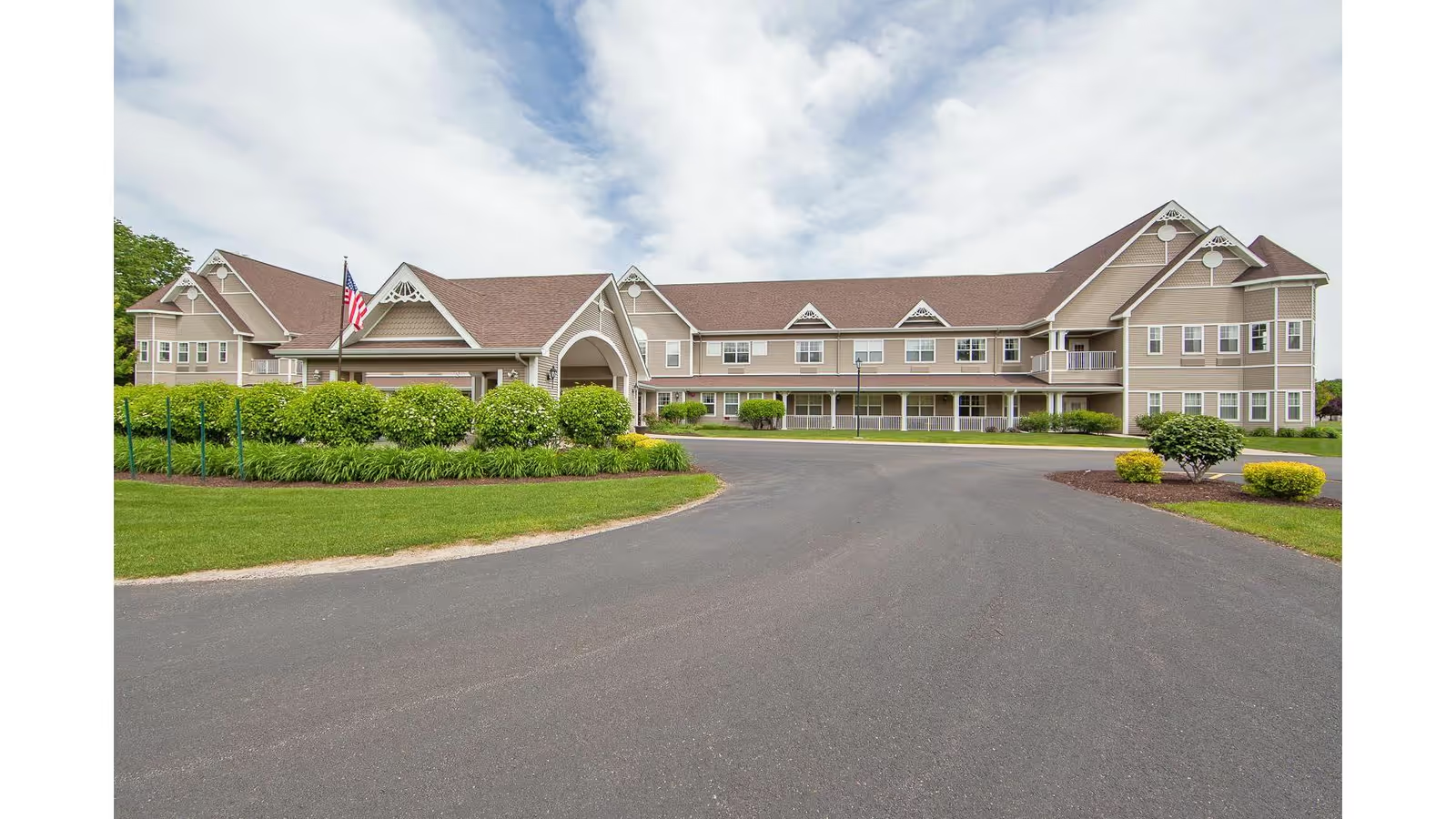
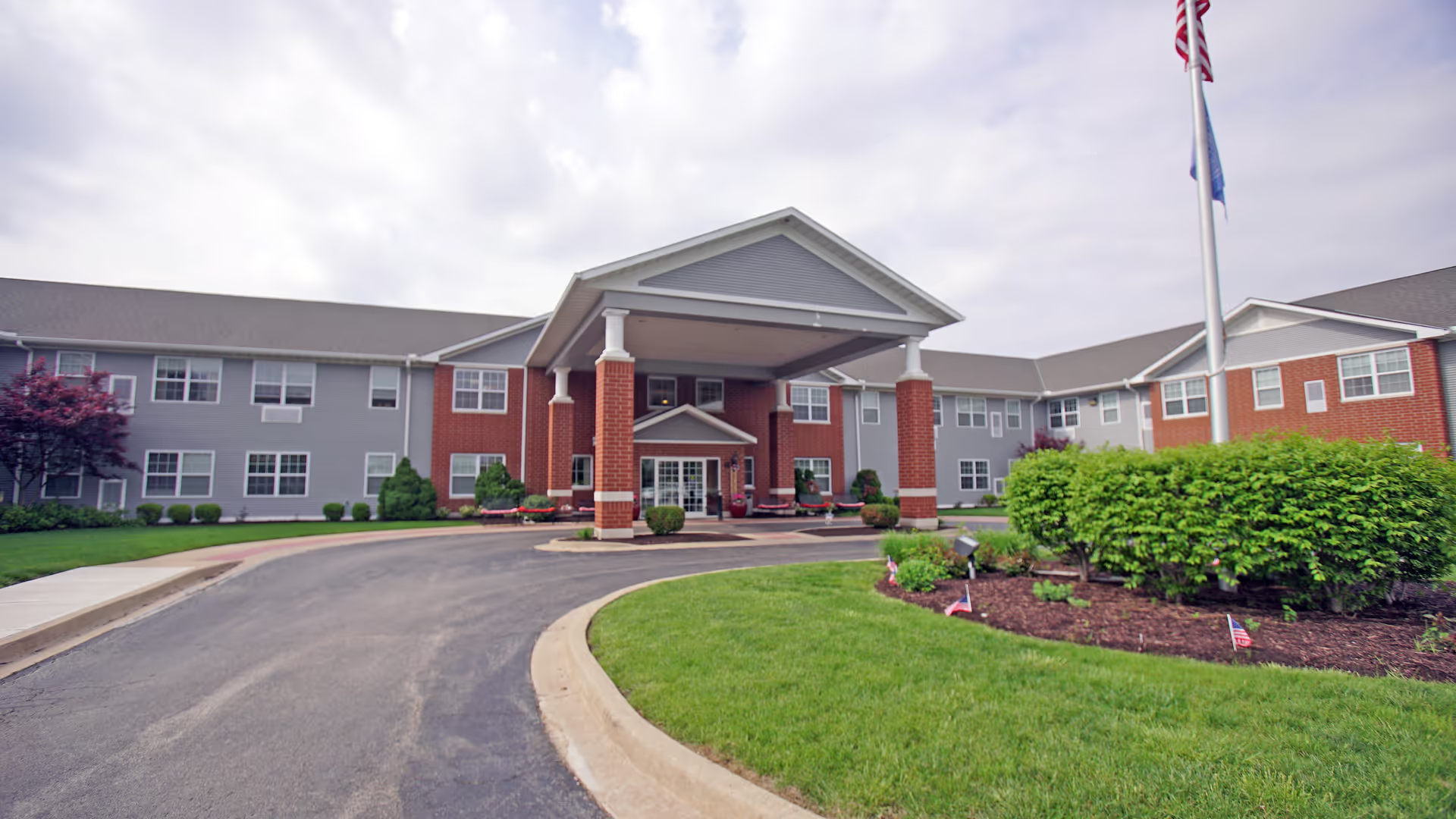
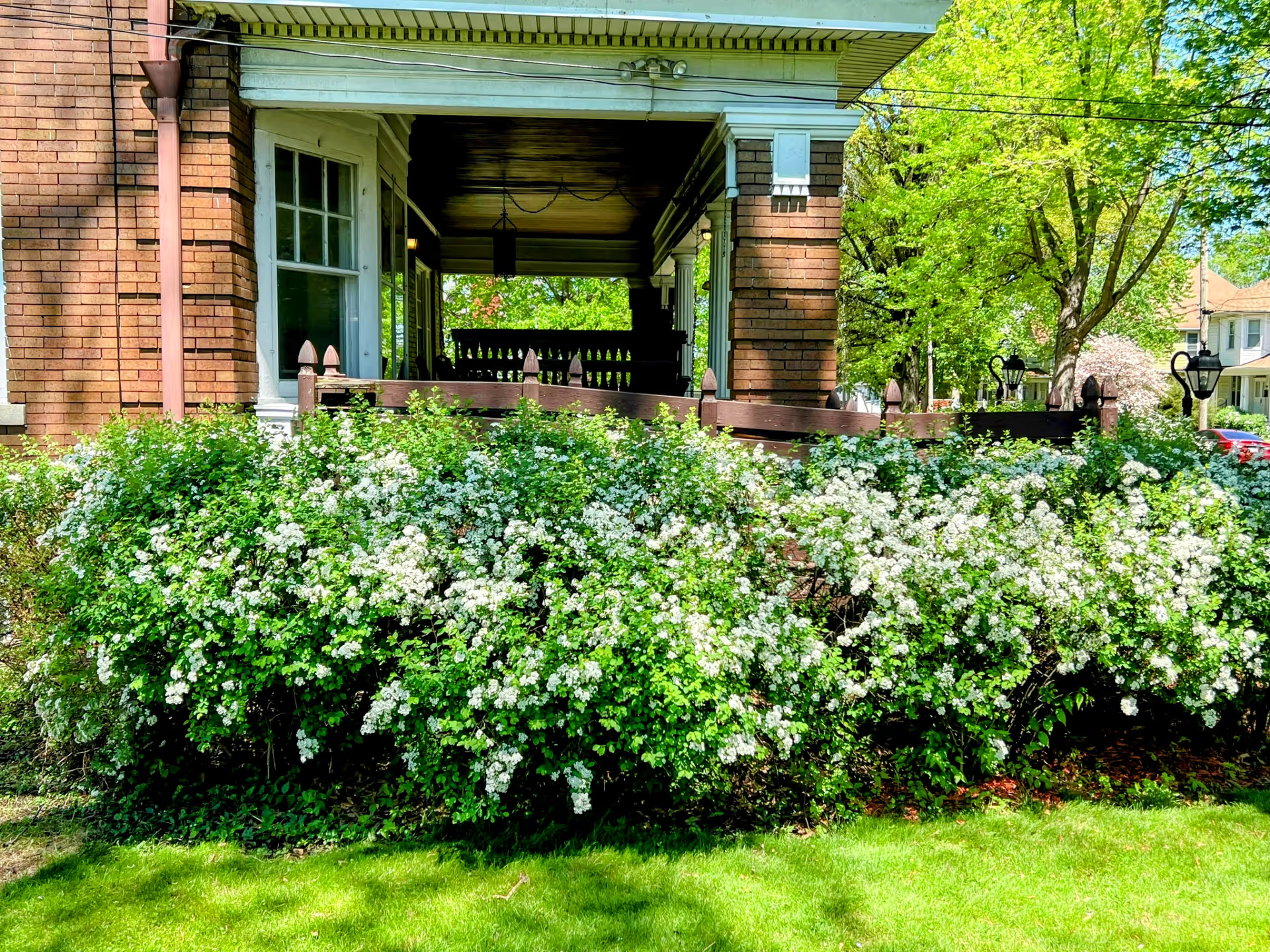
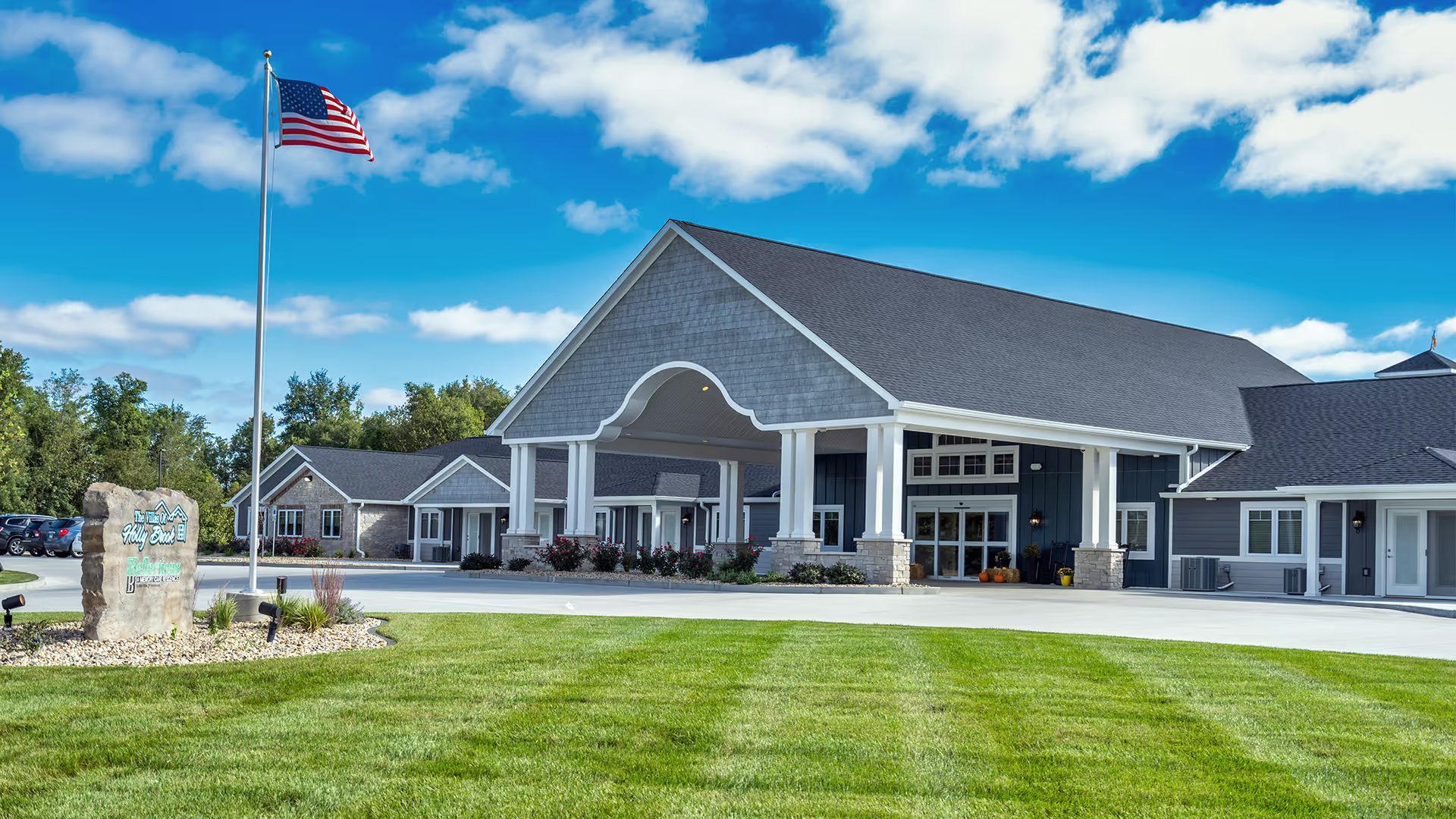
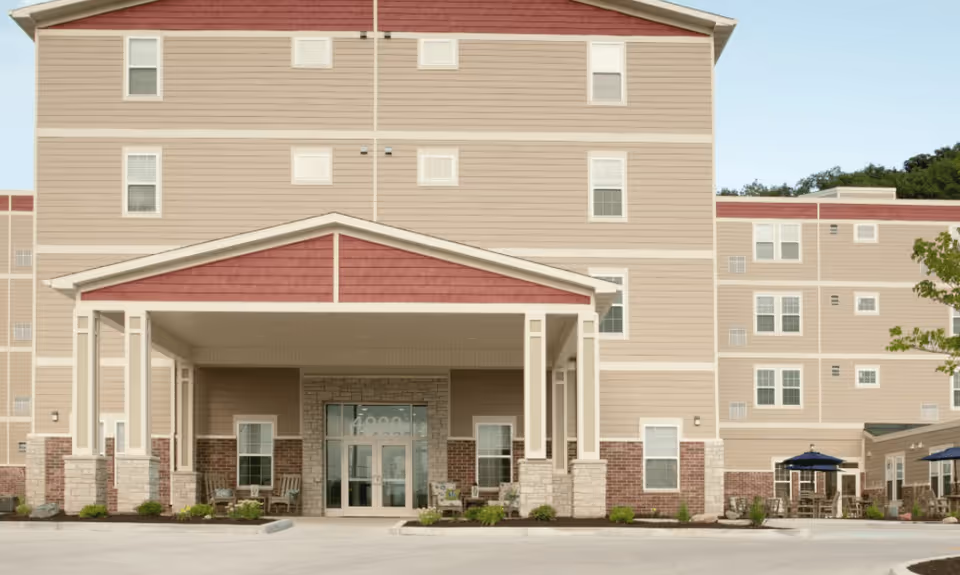
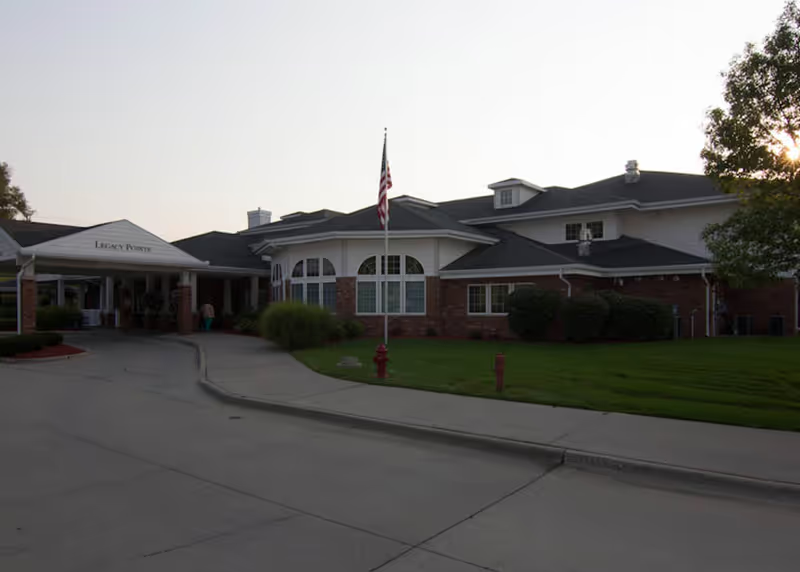
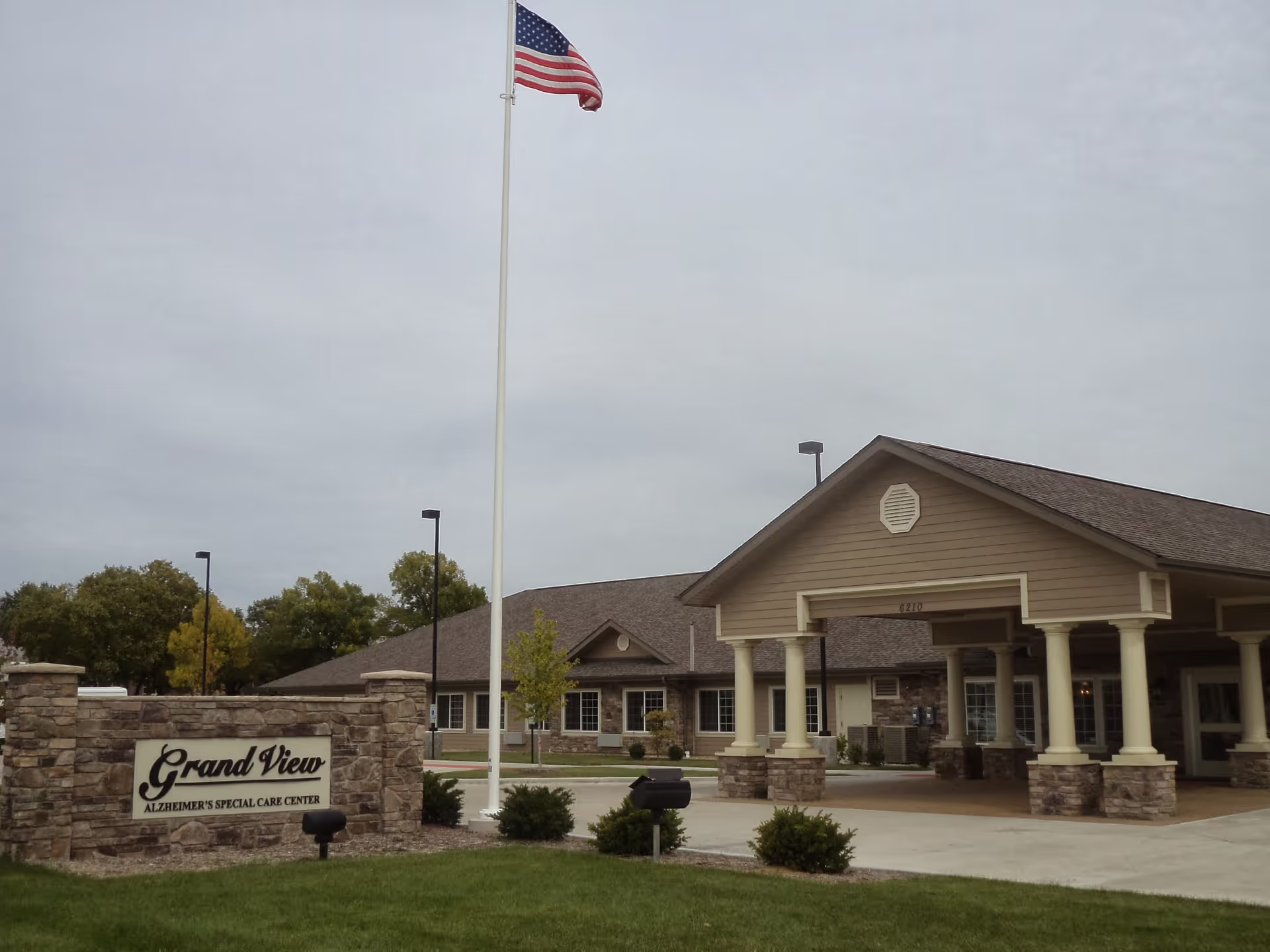
Reviewers present a mixed but coherent picture of Villas of Holly Brook. The facility is widely described as modern, clean, and attractive with a hotel-like interior and multiple communal spaces. Its physical design — a single-floor layout with accessible rooms, private-room safety features for memory care, and a secure outdoor courtyard with a fireplace — is consistently highlighted as a strength. On-site amenities such as a salon, gym, theater, game room, and reserved family spaces support social engagement and family visits.
Activity programming is a prominent positive theme. Families frequently note an active schedule (bingo, crafts, baking, games and seasonal events) and an engaged activity director; some reviewers credited staff with keeping residents socially involved and mentally stimulated. At the same time, reviewers described variability in activity delivery: many daytime programs run reliably, but participation and consistent follow-through can be affected by occupancy levels and staffing patterns.
Care quality and staffing are the most polarized areas. Numerous accounts praise individual caregivers as compassionate, respectful, and attentive, and several families singled out staff who provided notable end-of-life support. Conversely, there are recurring operational concerns: uneven staff training and competency, high turnover, periodic shortages, and inconsistent responsiveness to call lights and care requests. Specific clinical-process weaknesses are raised in multiple reviews, including inconsistent medication administration, delays in arranging or following through on physical therapy, and transfer-safety practices that reviewers felt could be improved. These issues suggest variability in day-to-day clinical oversight rather than a uniform standard of care.
Dining and kitchen services receive mixed assessments. Several reviewers praised the quality of meals and the dining environment; others described inconsistent preparation, seasoning, and kitchen oversight, and noted some instances of poorly executed dishes. The facility provides communal dining and in-room meal access and maintains housekeeping and laundry routines, but families concerned about nutrition and menu reliability may wish to observe mealtimes during a visit.
Management and communication are another area of divergence. Positive comments describe a welcoming admissions process and helpful tour staff. In contrast, reviewers also reported management instability (leadership changes and staff turnover), front-desk professionalism issues, and gaps in clinical communication — including coordination with hospice providers and family updates. These operational patterns appear to contribute to the variability in experiences reported by families.
In summary, Villas of Holly Brook offers a well-appointed physical environment, strong activity programming, and on-site amenities that are attractive to many families. However, consistent delivery of clinical care and operational oversight appears uneven: staffing stability, staff training, medication processes, therapy follow-through, kitchen quality control, and family/hospice communication are areas where prospective residents and families should seek clarity. A targeted tour that observes staffing levels, mealtime service, an activity session, and asks specific questions about medication administration protocols, staff training, and recent leadership changes would help families assess whether the facility’s strengths align with their care needs.