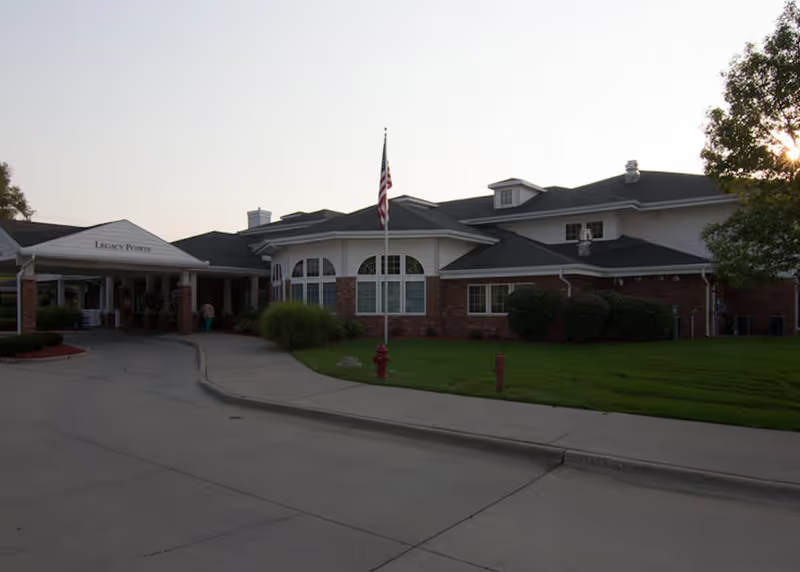
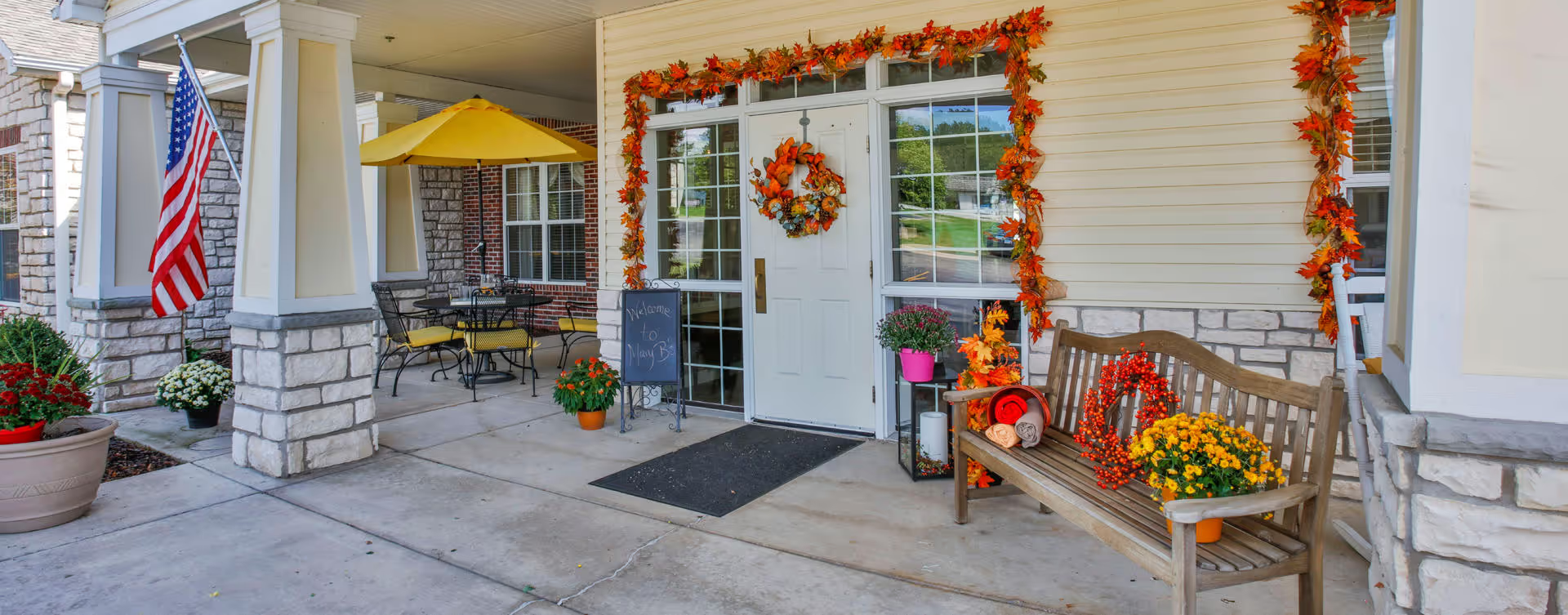
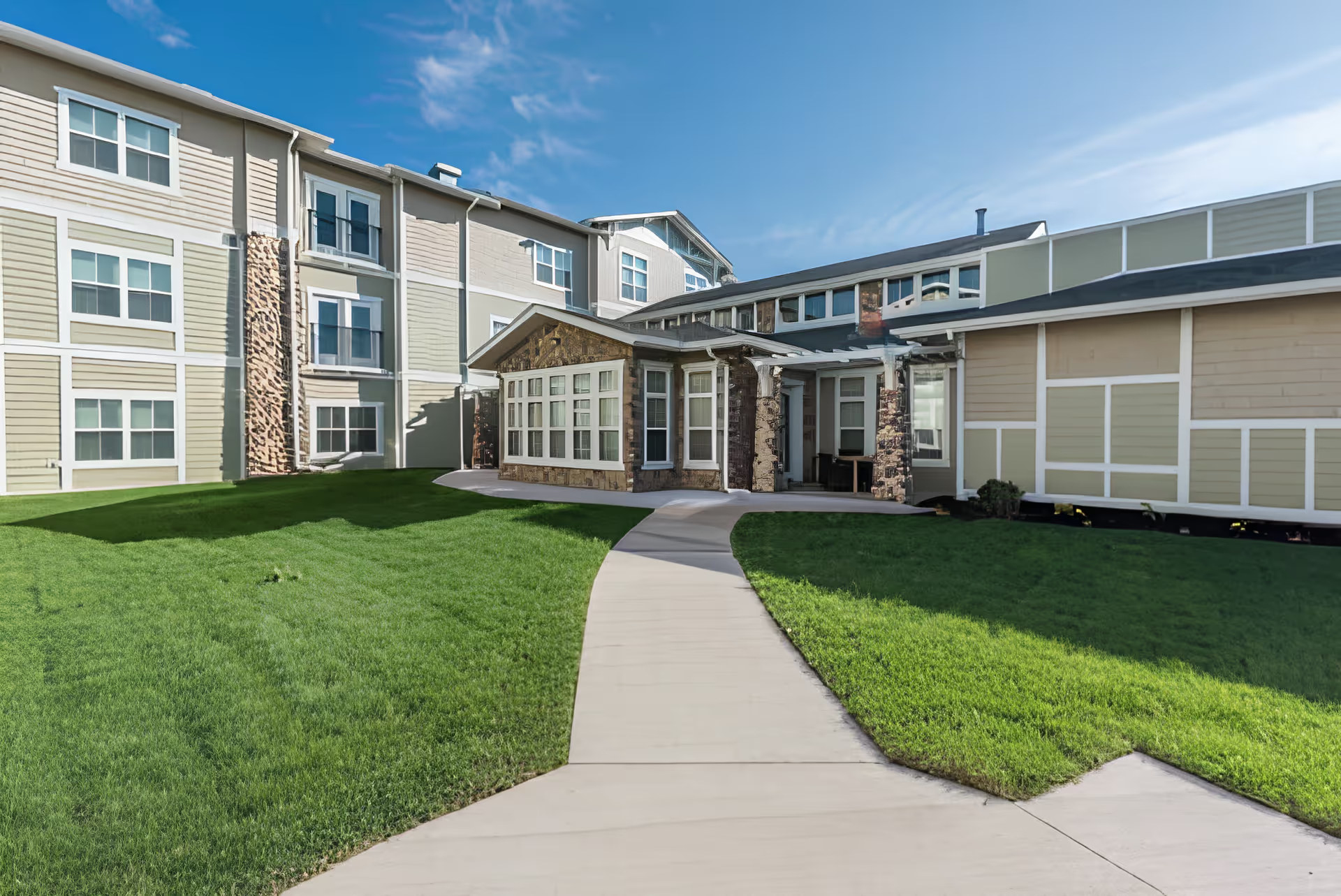
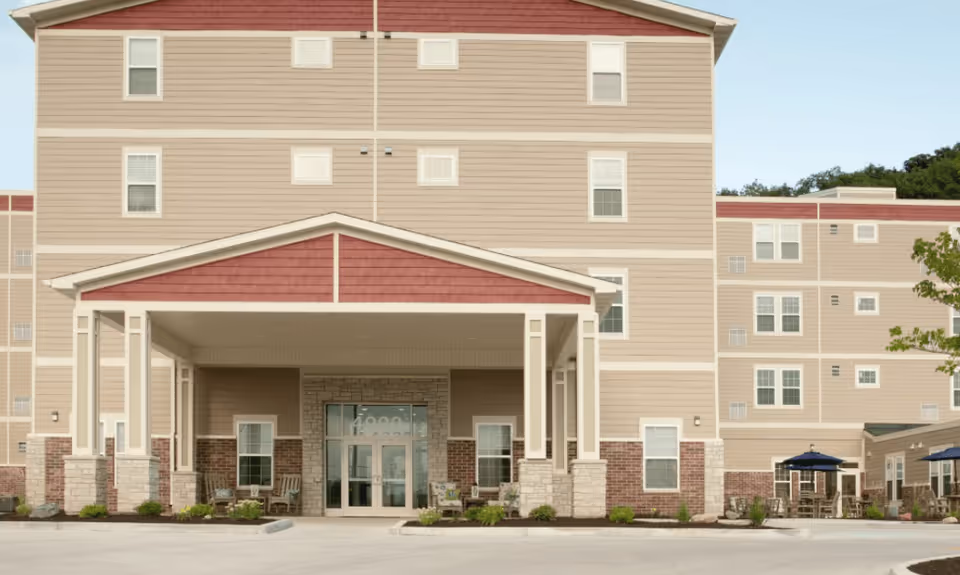
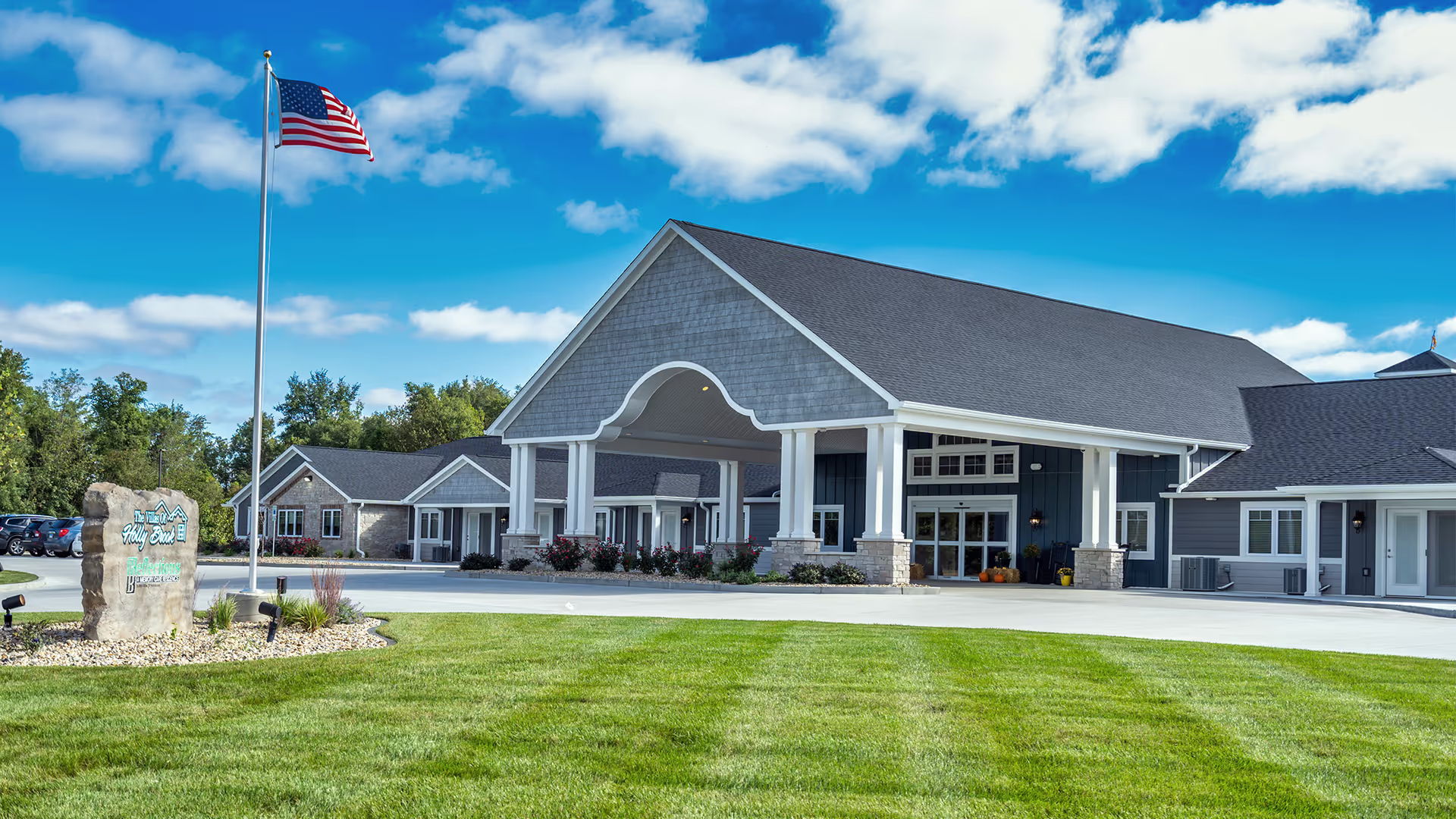
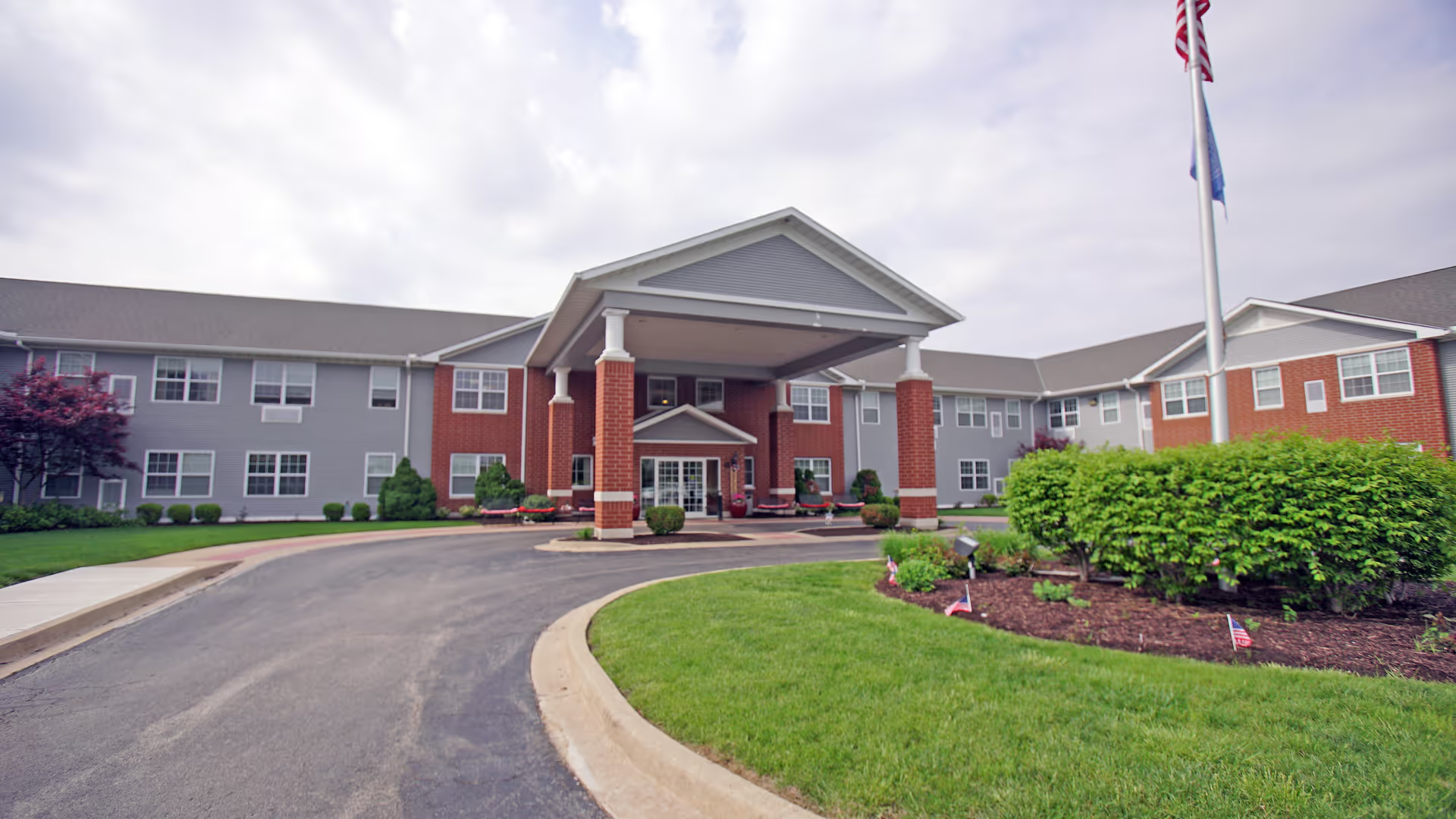
Villas of Holly Brook presents a mixed picture across several areas of resident experience. Many reviewers praised the physical environment — a well-kept building with an enclosed courtyard and attractive common areas — and highlighted positive aspects of daily life such as creative activities, a cheerful dining room, and attentive direct-care staff. Several families described meaningful clinical support from on-site nursing and rehabilitation (PT/OT) services that enabled successful short-term rehab and regained independence for some residents.
Care quality and staffing are the most polarized topics. Positive accounts describe compassionate, responsive caregivers and prompt attention to requests; however, a persistent theme is chronic understaffing and frequent turnover. That pattern has been associated with inconsistent supervision, delays in response to care needs, and uneven continuity of staffing. A few reviews also described gaps in clinical incident response and emergency follow-through that families found concerning.
Dining and activities are generally strengths but with variability. Multiple reviewers commended the food, variety of menu choices, and dining staff who learn resident preferences. Others wished for a wider selection or noted occasional service issues. Activity programming is described as creative and engaging by many families, though some reviewers experienced periods of low activity frequency or under-stimulation, particularly in memory-care contexts.
Facility upkeep and safety show mixed signals. Several visitors and families praised cleanliness, housekeeping, and a responsive maintenance team; conversely, some reviews cited maintenance oversights, odor concerns in limited areas, and specific environmental-safety issues in resident rooms and bathrooms. These observations suggest variability in routine maintenance and safety checks rather than a uniform standard across the campus.
Management and administrative consistency is a notable pattern. Reviews describe periods of engaged, effective leadership and improved communication under some directors, while other accounts point to inconsistent management, poor follow-through on admissions and room-availability communication, and interpersonal conduct concerns such as breaches of resident privacy and unprofessional tone. A small number of families raised serious concerns, including allegations of billing or documentation irregularities and adverse discharge experiences; these appear isolated but are significant and merit direct inquiry during a tour.
Overall, prospective residents and families will find tangible strengths in the facility's environment, programming, and pockets of strong clinical and caregiving staff. The principal risks to assess in decision-making are staffing stability, management continuity, and the facility's processes for maintenance, safety checks, privacy protections, and administrative transparency. Suggested due diligence: ask about current staffing ratios and turnover, examples of recent safety inspections, how privacy is protected, specifics on billing and discharge policies, and to observe a typical activity period and a meal service during a visit.