Overall impression: Reviews present a facility with many operational strengths alongside recurring operational weaknesses. Families and residents frequently praise the interpersonal qualities of the staff, the modern and attractive environment, and a range of services that support quality of life. At the same time, there are repeated, facility-level patterns — mainly around staffing, communication, clinical processes, and administrative follow-through — that prospective residents should evaluate closely.
Care quality and clinical oversight: Many reviewers describe compassionate, attentive caregivers and effective therapy services (physical, occupational, speech). Memory-care programming is often noted as secure and activity-focused. However, multiple accounts point to operational gaps when clinical complexity increases: inconsistent medication administration controls, delayed responses to clinical alerts, inconsistent weight and nutritional monitoring, and concerns about pressure-wound recognition and follow-up. These items indicate a variability in clinical oversight that can affect residents with higher-acuity needs.
Staff and responsiveness: Staff bedside manner and resident/staff relationships receive frequent positive comment — staff are described as warm, personable, and family-oriented. Conversely, understaffing and turnover are recurring themes. Consequences attributed to staffing shortfalls include slow call-button response, delayed assistance for personal care, reliance on agency staff with variable performance, and uneven follow-through of resident requests. Communication gaps between weekday/weekend and shift changes are also noted, contributing to inconsistent care continuity.
Dining and activities: Dining spaces and many menu items are praised; reviewers highlight healthy choices, dietary accommodations, special meals (Guest Dining, Sunday features), and a pleasant dining environment. Several reviews, however, cite inconsistent meal quality, menu substitutions that do not match posted options, and occasional bland or tough preparations. Activity programming is broad — concerts, games, outings, social hours, and cognitive-stimulation offerings — and many residents report high participation and social benefit. Others report low attendance at activities, fewer outings than expected, or a desire for more individualized engagement, suggesting variability in program delivery.
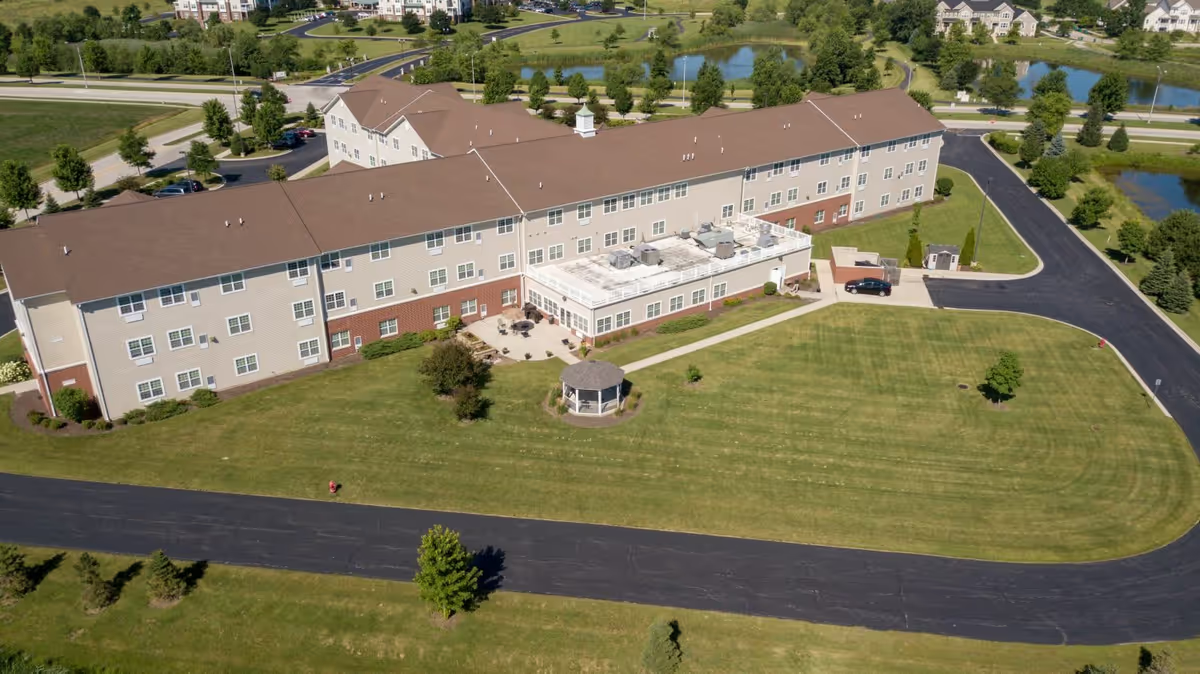
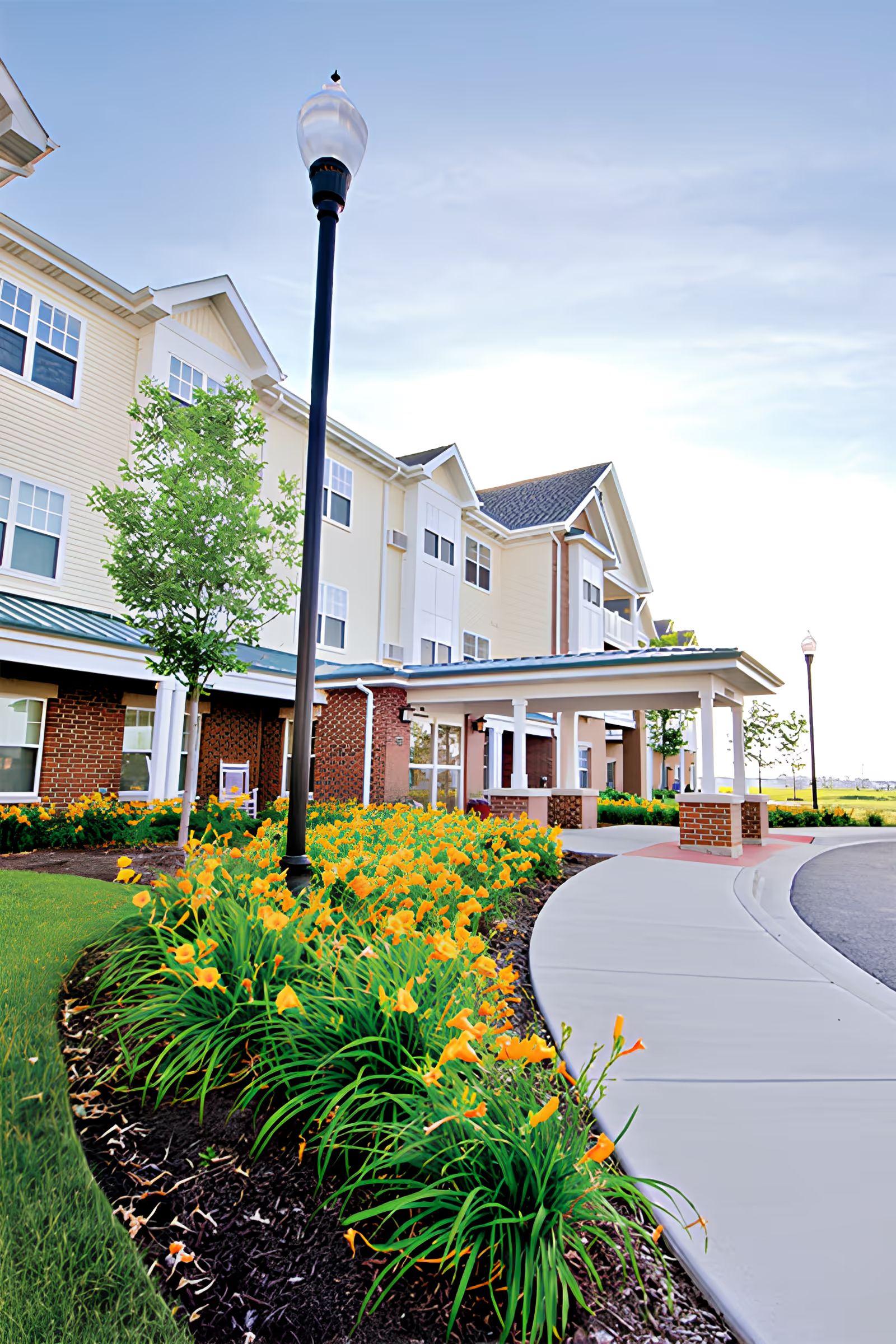
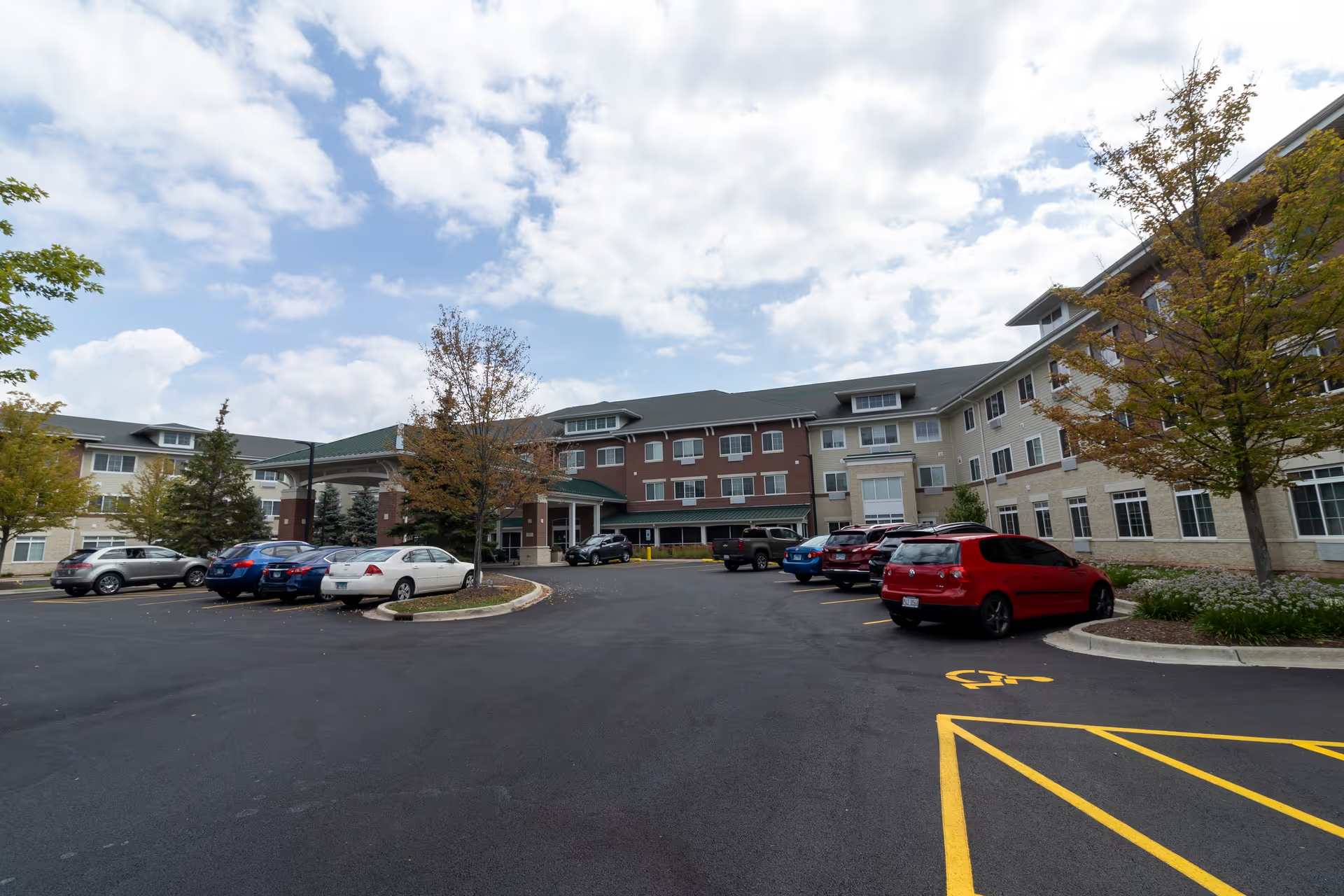
Facilities and services: The facility is repeatedly described as new, clean, aesthetically pleasing, and well-appointed, with spacious apartments, enclosed outdoor areas, salon and therapy spaces, and adequate parking. Housekeeping generally receives positive feedback, but there are intermittent reports of missed laundry, inconsistent garbage pickup, and other maintenance follow-through issues. Some reviewers find the campus large or impersonal for their preferences; a few note localized odor concerns in common areas.
Management and administration: Tours and initial impressions are frequently favorable, and some families praise an accessible leadership team. At the same time, administrative weaknesses recur: pricing or promotional terms not honored without written confirmation, billing errors and late fees, incomplete onboarding paperwork, and uneven responsiveness from leadership when issues arise. New management at the Ciel location is mentioned as improving some processes, but concerns about documentation, billing transparency, and promise fulfillment remain salient.
Notable patterns and guidance: The strongest, consistent positives are staff interpersonal skills, a modern facility, and robust social/therapy offerings. The most persistent operational risks are staffing variability, communication/documentation breakdowns, and medication/clinical-process gaps. A minority of reviewers describe serious individual incidents (clinical or billing) that families considered significant. Prospective residents and families should observe staffing levels and mealtime service during visits, request written confirmation of pricing and service inclusions, ask about medication and clinical oversight protocols, and verify housekeeping and laundry procedures. These steps can help balance the facility’s many strengths against the operational risks identified in reviews.