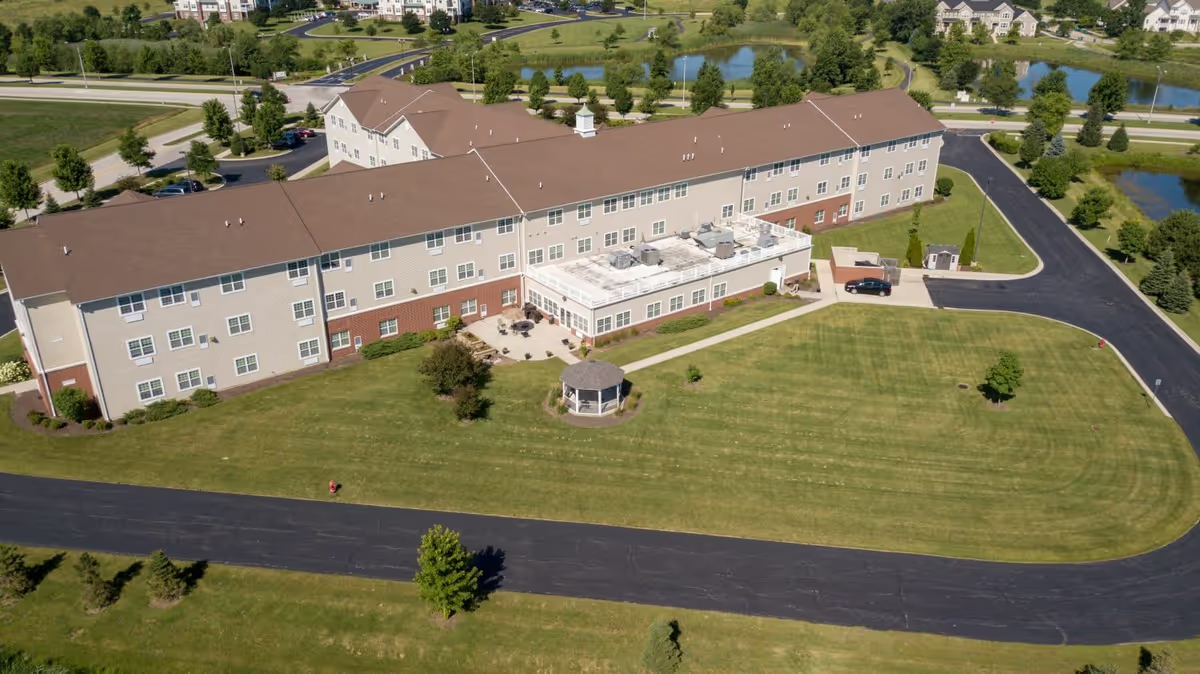
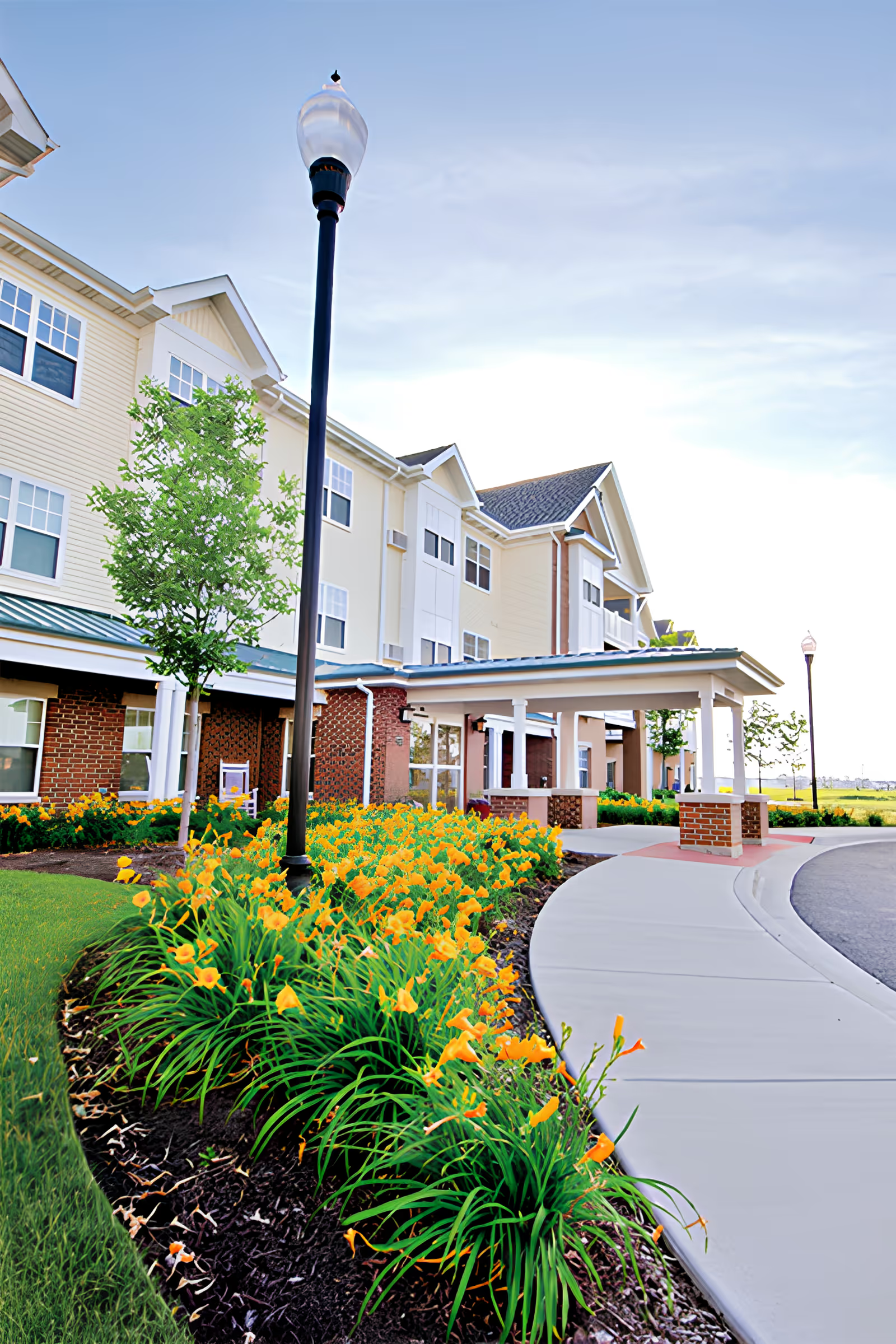
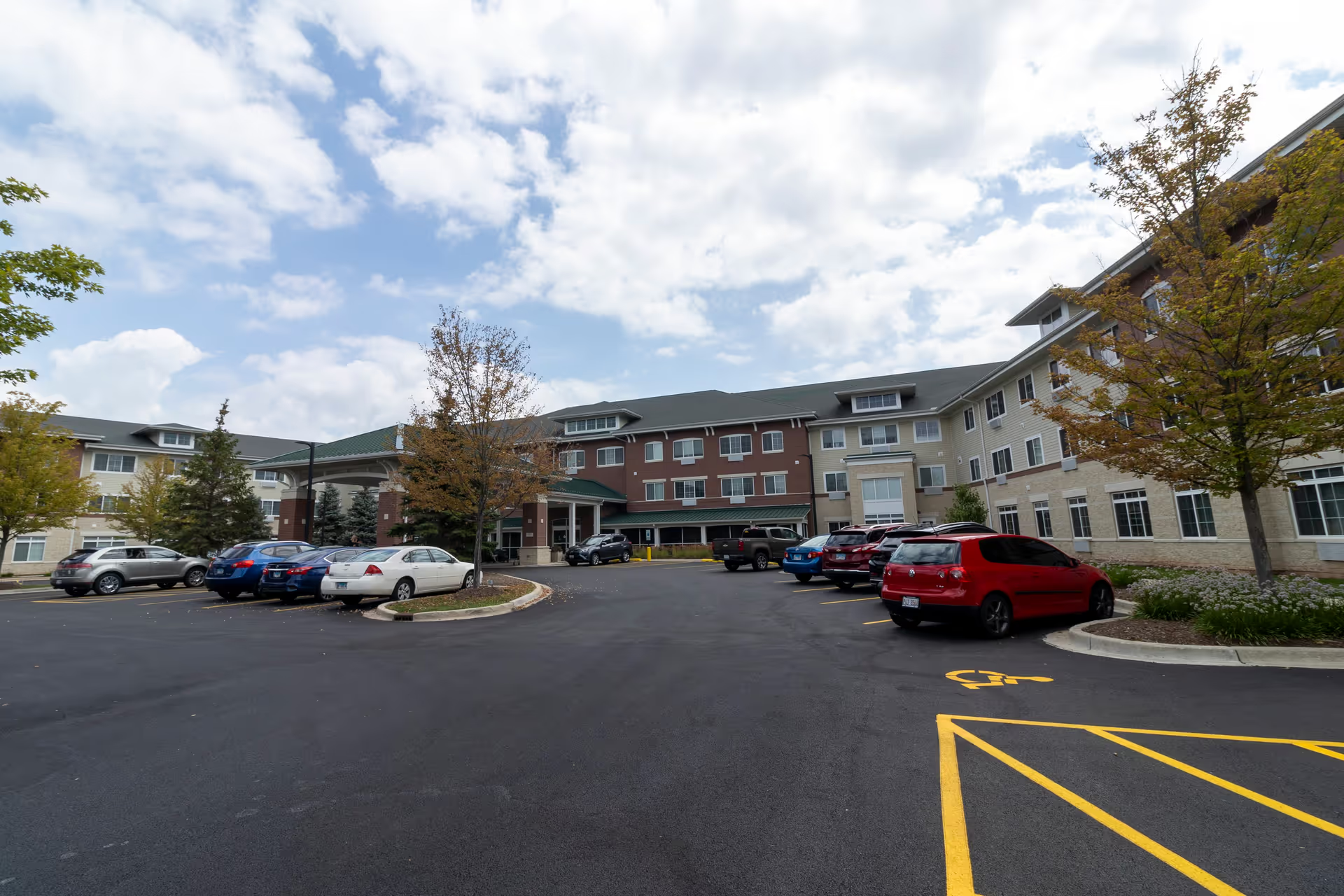
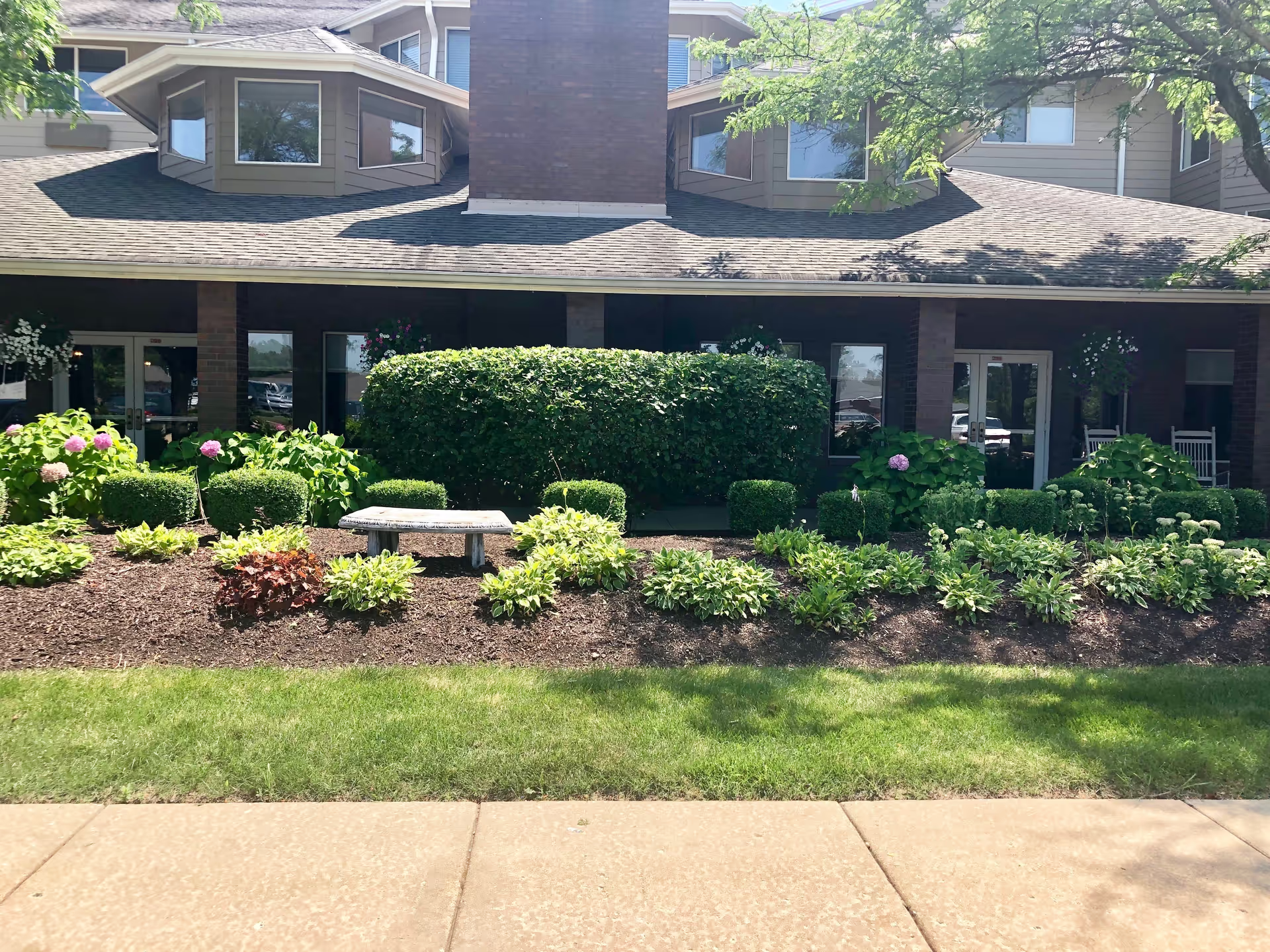
Lakewood Nursing & Rehab Center elicits a wide range of experiences that cluster into two clear themes: strong clinical and therapeutic strengths in some areas, and operational inconsistencies that affect day-to-day resident care. Many families and residents praise individual clinicians — especially nurses, CNAs, and therapists — for compassionate bedside care and effective rehabilitation outcomes. The therapy program (PT/OT/speech) is repeatedly cited as a strength, with measurable mobility and communication improvements for some patients. The facility also offers a noticeable set of amenities and social programming: a variety of activities (bingo, movie nights, crafts, outings), and on-site features such as a beauty/barber shop, ice cream parlor, courtyard, and aviary that contribute to a pleasing common-area environment.
At the same time, there are consistent operational concerns that prospective residents and families should evaluate. Staffing levels and turnover appear to be variable; weekends and some shifts are described as short-handed, and reliance on agency/temporary staff is associated with uneven care practices. This variability contributes to slow response times to call lights, inconsistent assistance with toileting and bathing schedules, and delays in routine tasks such as glucose checks and showers. Several accounts point to lapses in medication administration and documentation, and others describe concerns about medication-management practices and post-transfer clinical follow-up.
Dining and housekeeping impressions are mixed. The building’s common areas and many rooms are noted as clean and well maintained, and some reviewers complimented hot meals and an active dining program. Conversely, others reported unreliable meal delivery, limited menu continuity on certain shifts, and uneven food quality. Housekeeping and sanitation standards were generally acceptable in common spaces but were described as inconsistent in some resident rooms and bathrooms, producing localized odor concerns and incontinence-care issues in certain cases.
Safety and clinical oversight are recurring themes across the less favorable accounts. Reported problems include fall incidents, wandering by residents with cognitive impairment, and pressure-injury prevention gaps. A minority of reviewers raised serious clinical outcome concerns, including wound and infection issues and distressing post-discharge trajectories; these accounts underscore the importance of reviewing clinical protocols, wound care plans, and escalation pathways during any tour or admission discussion.
Management, communication, and administrative processes show both strengths and weaknesses. Some families praised attentive admissions, stable long-term staff, and proactive social work support. Other families described poor communication, burdensome paperwork, aggressive billing or discharge coordination, missing personal items, and difficulty obtaining timely responses from administration. Facility appearance and amenities receive generally positive notes, but several reviewers pointed to aging shared rooms, occasional HVAC/maintenance failures, and small double-occupancy space as practical limitations.
In sum, Lakewood appears to offer capable therapy services, pleasant common areas, and several highly regarded clinical staff, which can yield very positive short-term rehabilitation outcomes. However, variability in staffing, medication administration, responsiveness, and administrative coordination creates an inconsistent overall experience. Prospective residents and families should prioritize asking about weekend staffing patterns, agency-staff usage, medication-administration protocols, wound-care and fall-prevention practices, meal-service consistency, and the facility’s process for communicating with families when touring or considering admission.