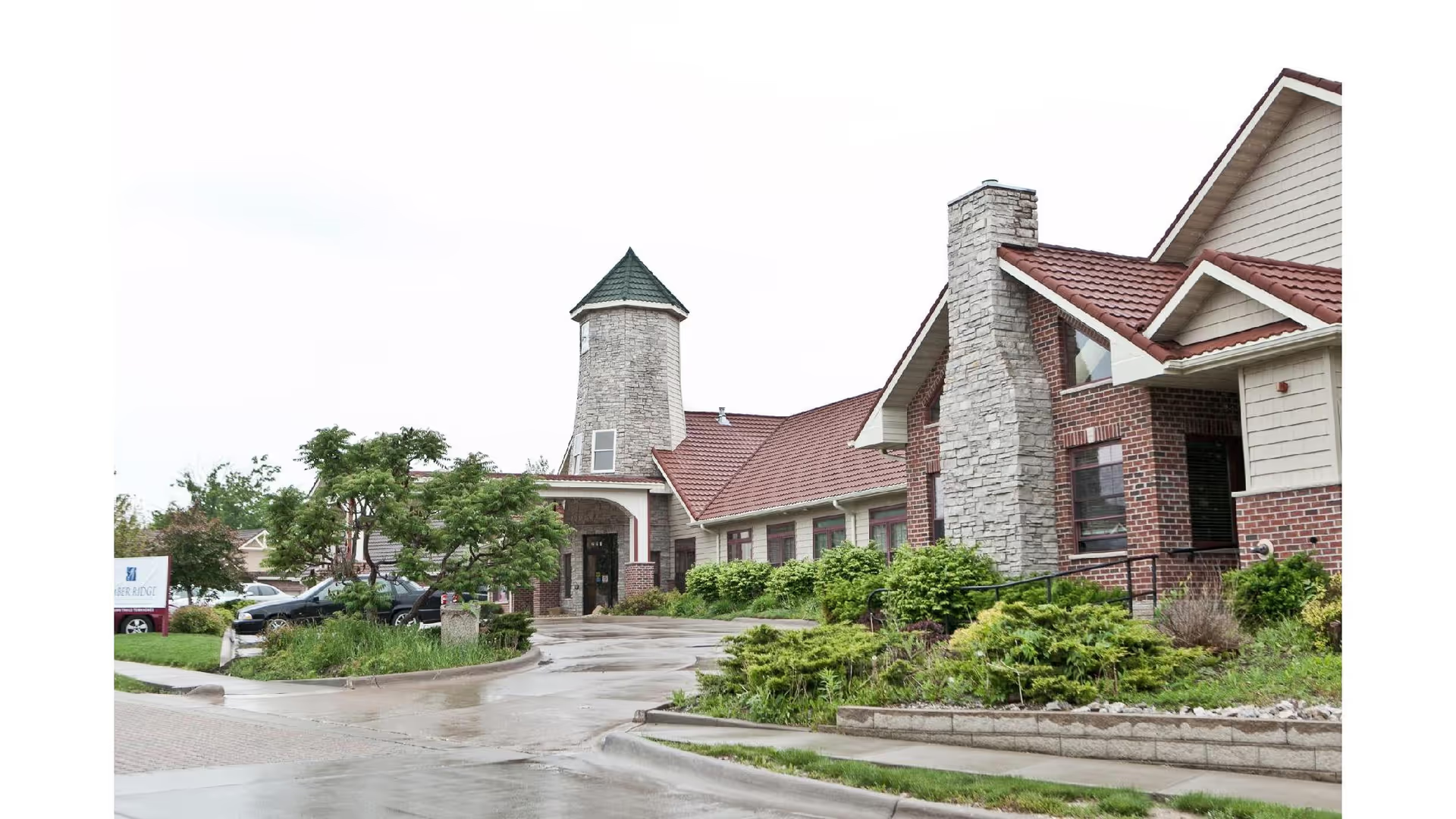
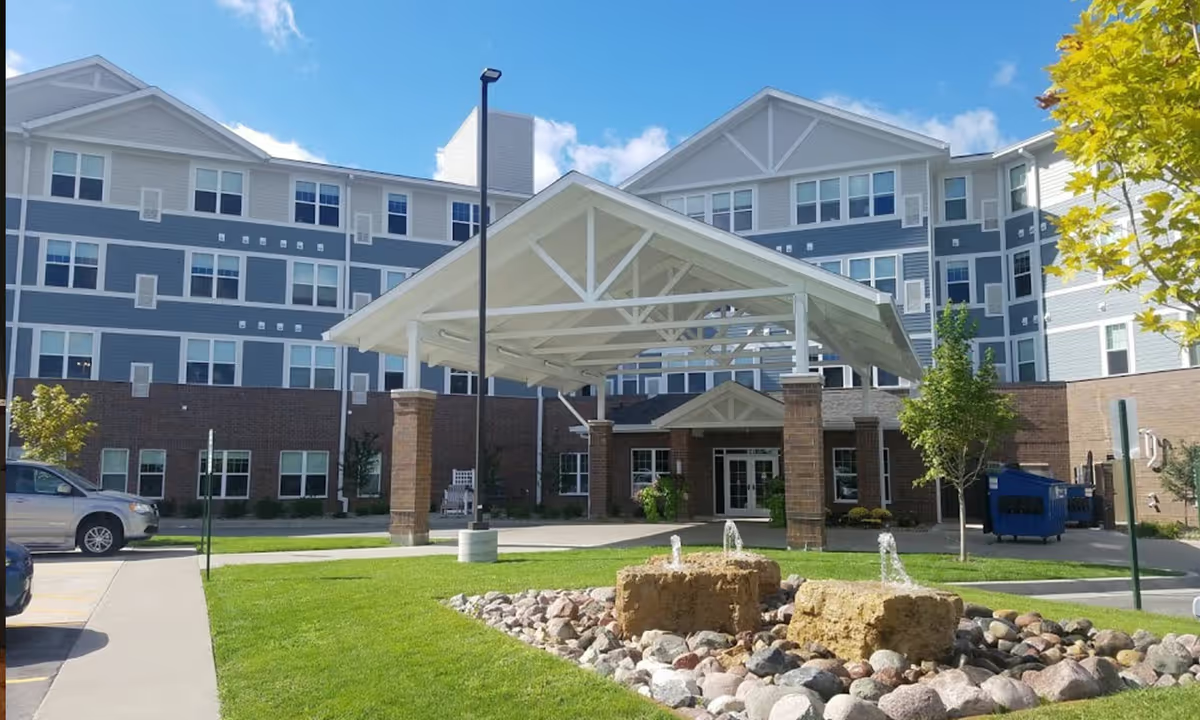
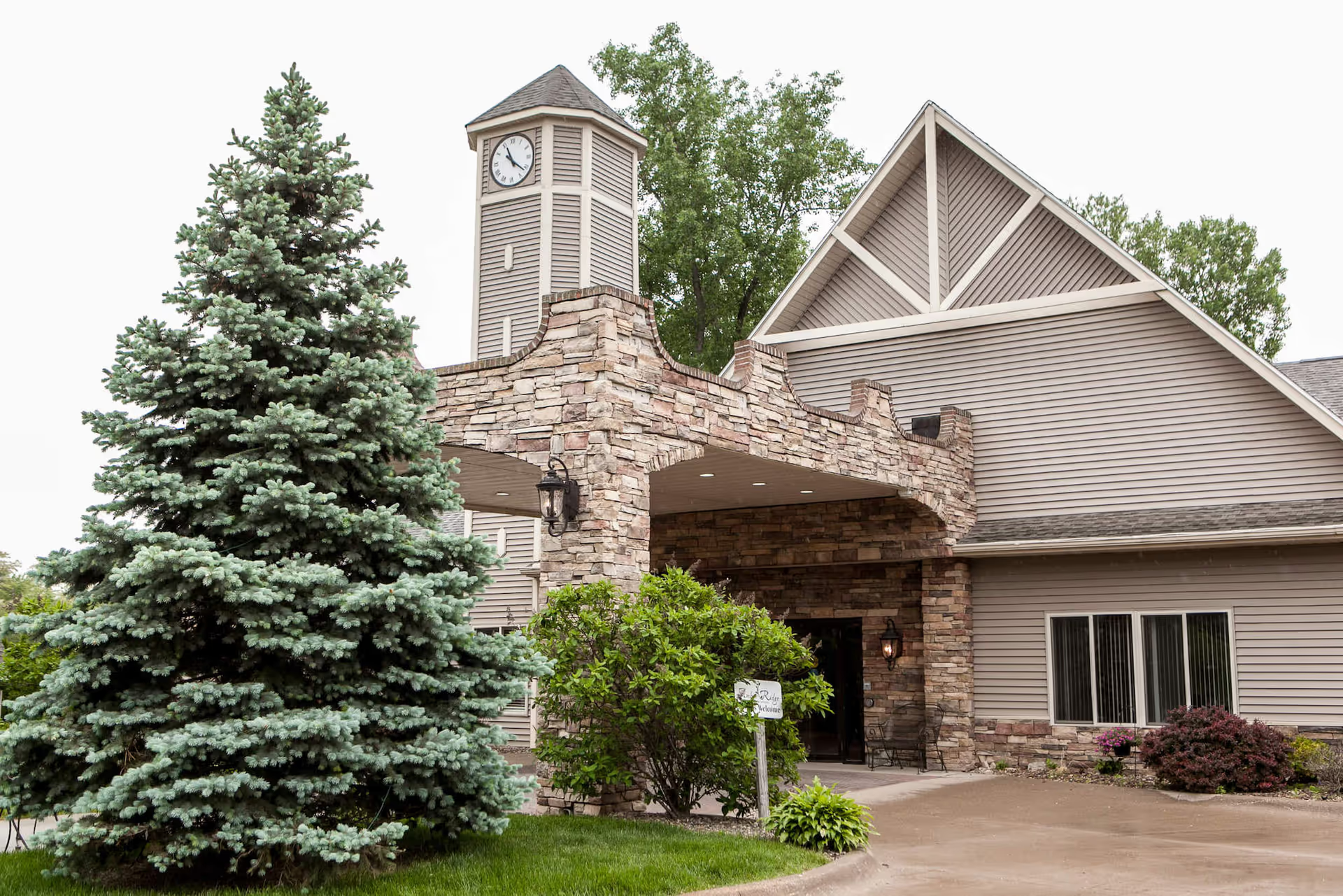
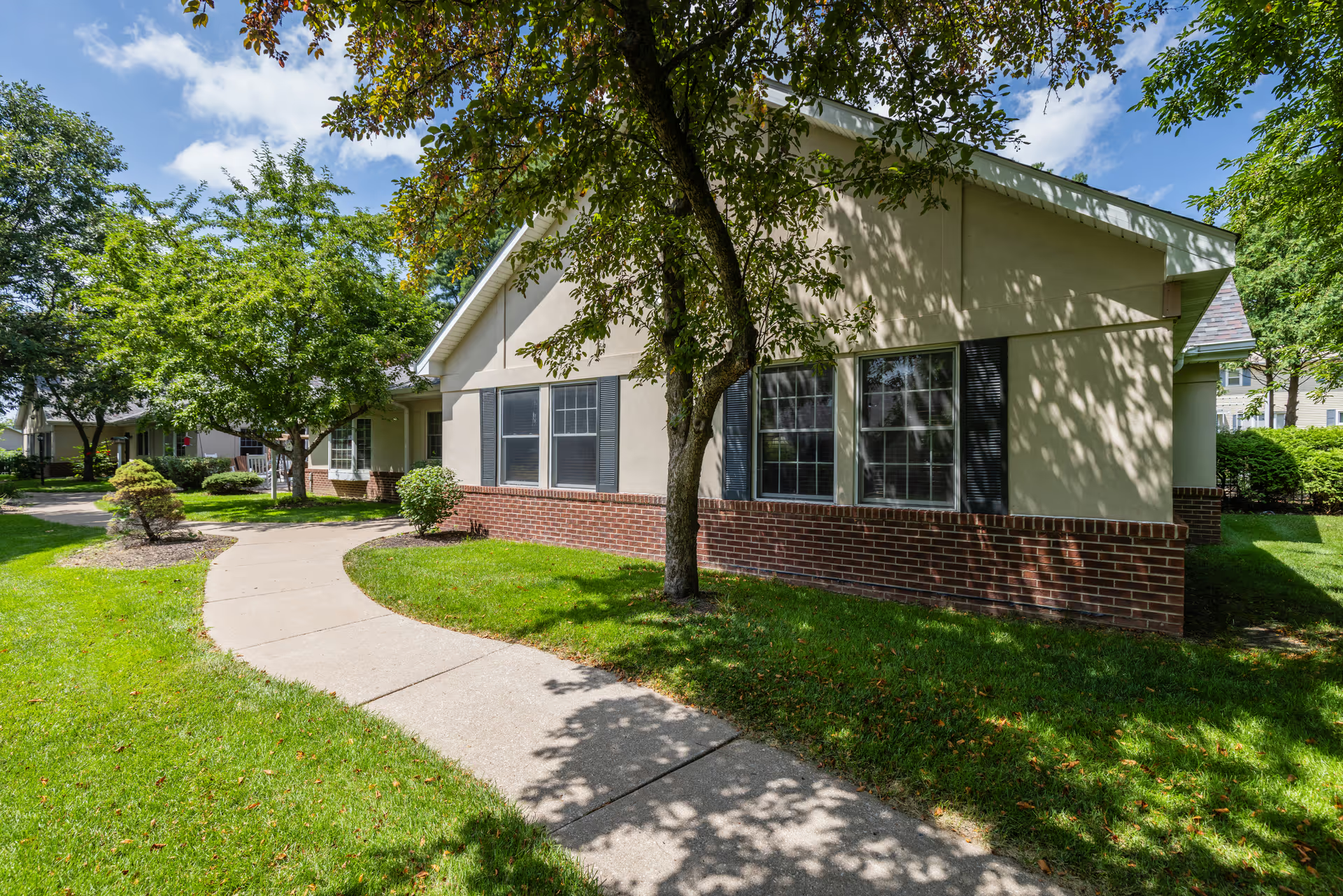
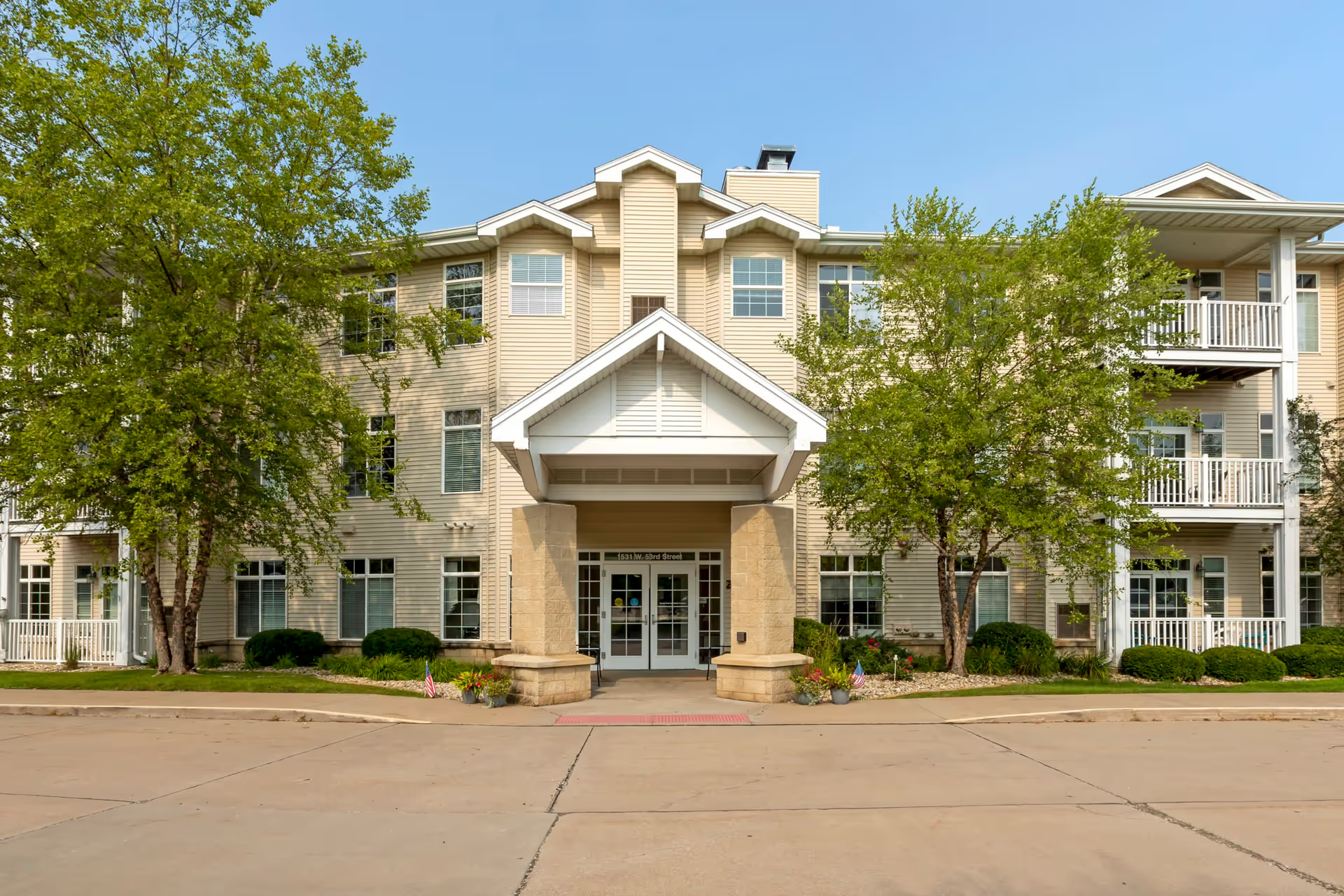
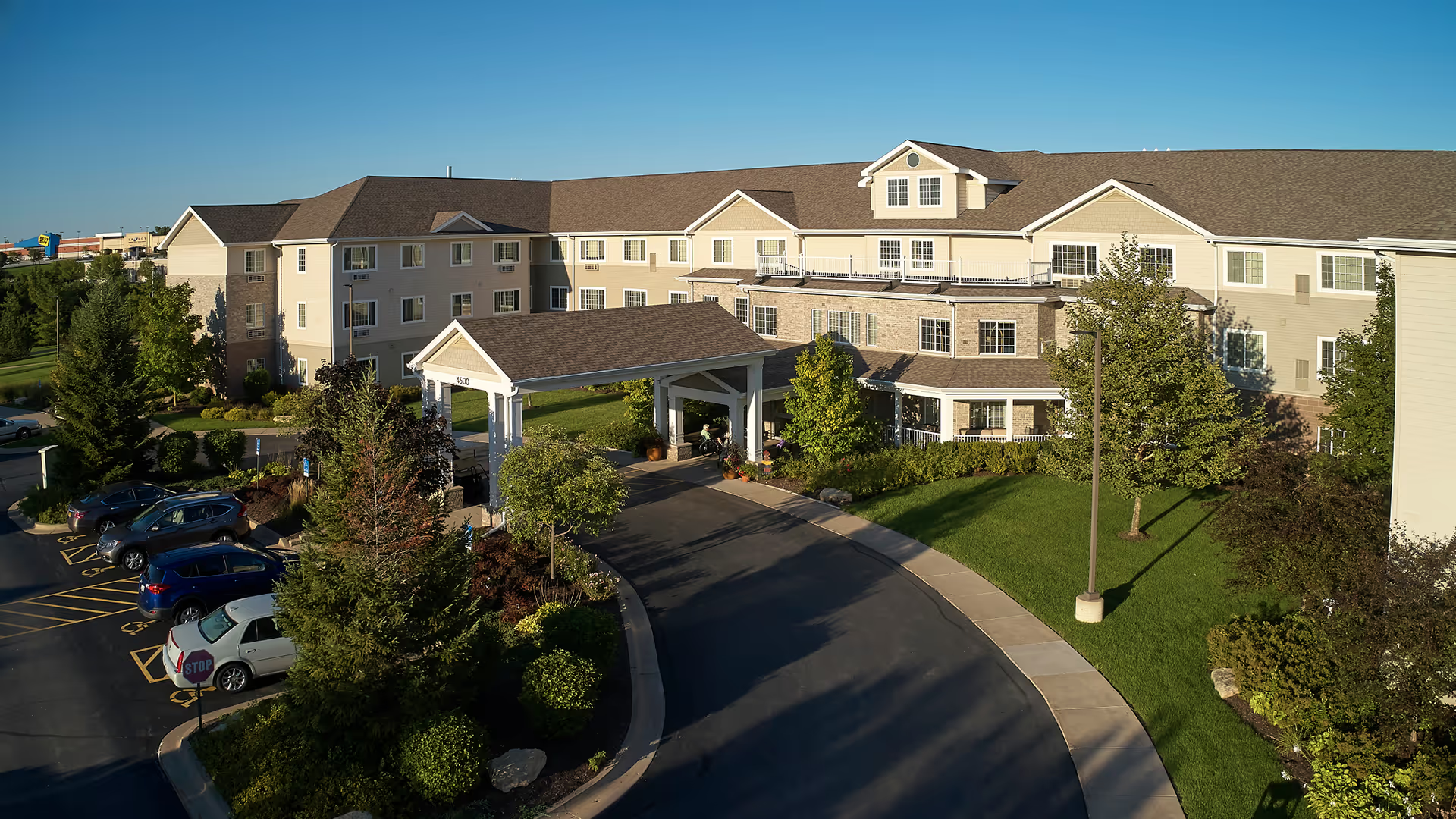
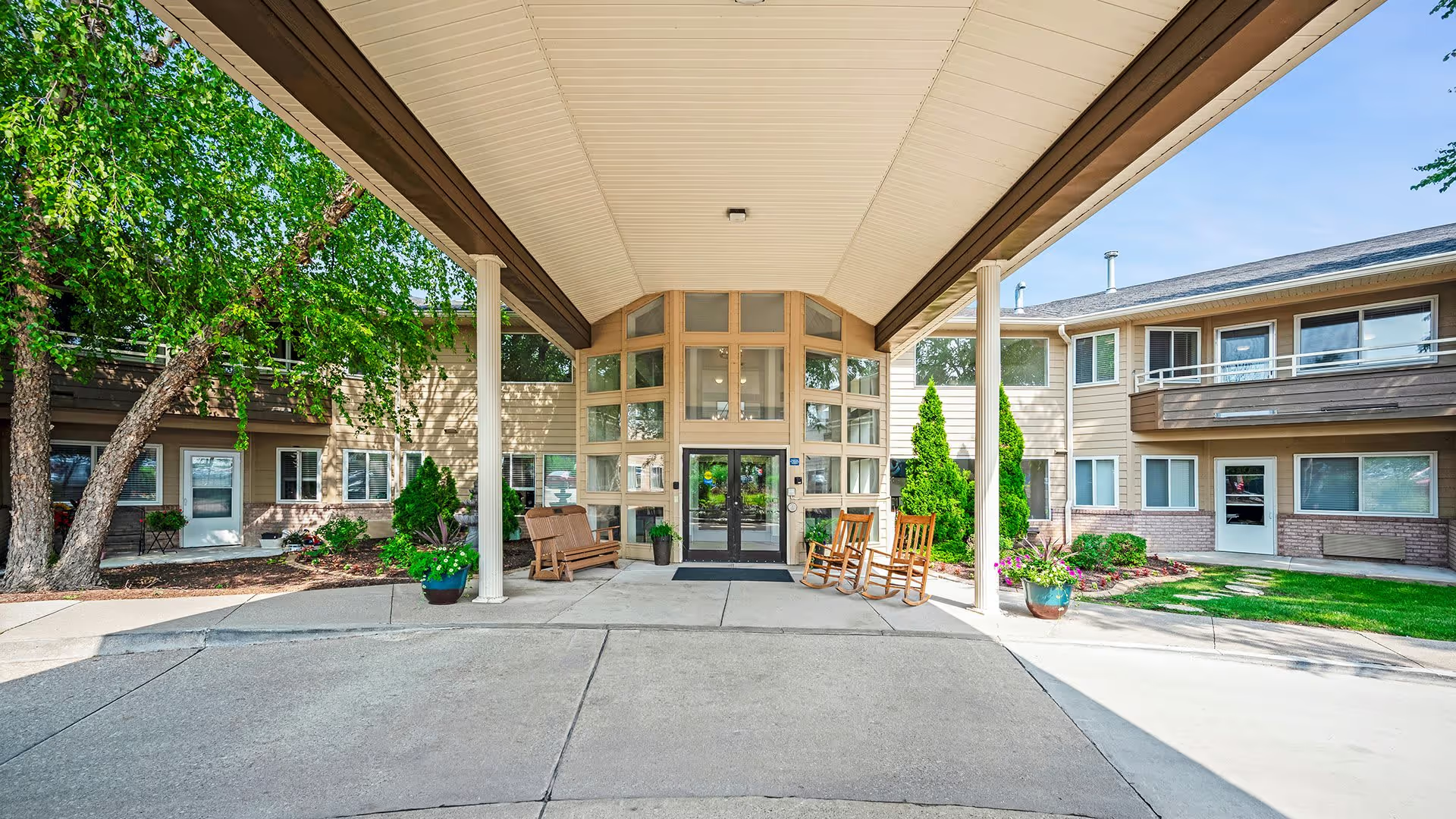
Accounts of life at Fort Armstrong Senior Residence are polarized: many reviewers highlight the building’s attractive historic character, well-kept common areas, convenient downtown location, and a social atmosphere where residents participate in outings and in-house events. Numerous comments single out compassionate nursing staff, friendly front-desk and admissions personnel, an active social director, and several appealing on-site amenities such as furnished-apartment options, outdoor patio space, and a private movie theater.
At the level of clinical care and daily responsiveness there is mixed feedback. Positive accounts emphasize attentive nurses, useful medication adjustments, and staff who facilitate medical and financial paperwork. Counterbalancing those reports are consistent concerns about staffing reliability and response times — examples include slow caregiver responses to call signals and gaps in overnight clinical coverage. Reviewers also describe issues that imply inconsistent incontinence-care responsiveness and concerns about staff conduct or communication tone; these indicate variability in frontline caregiving and handoff practices rather than a single uniform experience.
Dining and activities are similarly uneven. Many residents enjoy the food, frequent live music, outings, and program offerings such as singing, dancing, and bingo. Other accounts report limited menu choices, small portions, or declines in food quality. While programming is praised by several families for being lively and varied, others say activities feel sparse or irregular; this suggests variability in activity delivery or participation levels across units and times.
Facility maintenance and management reactions present another contrast. The property is frequently described as visually appealing and well-maintained in public spaces, but reviewers also cite maintenance and safety shortfalls: unreliable elevators and accessibility challenges, ad hoc repairs (e.g., temporary carpet fixes), room-level cleanliness and odor concerns, and specific safety-setup questions (for example near windows). Security and asset-control weaknesses are also noted, including claims of missing money and general worries about resident-property protection. Administrative impressions are mixed too: some families praise helpful admissions and office staff, while others describe issues with transparency around fees, rent increases, internet/service changes, and management communication — including requests to remove negative posts or perceived misrepresentation during tours.
Taken together, the pattern suggests Fort Armstrong offers many attributes that attract residents — an appealing building, active social programming, and committed clinical staff in some shifts — but also has operational inconsistencies that prospective residents should investigate. Recommended pre-move questions include staffing ratios and overnight nurse coverage, housekeeping schedules and sanitation protocols, maintenance response times and elevator reliability, security and asset-control measures, menu samples and dining schedules, recent renovation history, and specific contract terms (fees, internet/service changes, and refund/eviction policies). A thorough, time-of-day visit and conversations with current residents and families can help determine whether the facility’s strengths align with an individual’s care and safety needs.