Overview The review corpus for The Pearl of Rolling Meadows is highly polarized: many families and clinical referrers describe strong, consistent care while other accounts raise significant operational concerns. Strengths repeatedly emphasized include clinical capabilities (notably therapy services and an in-house dialysis unit), a staffed memory-care neighborhood, and a visible, family-oriented culture. Conversely, several reviews describe failures in responsiveness, clinical process control, and environmental consistency. Prospective residents and families will see both high-performing aspects and operational risks in this facility.
Care quality and clinical services Clinical programs are a clear strength in many accounts. The facility receives consistent praise for rehabilitation (PT/OT/ST) that supports successful short-stay transitions home, wound-care competence, and the availability of in-house dialysis and 24/7 nursing coverage. The memory-care neighborhood is noted by many as well designed and clinically able. At the same time, some reviewers described delayed responses to calls for assistance, medication-administration inconsistencies, pressure-injury concerns, and infection-control issues (including reference to C. diff), suggesting variability in day-to-day clinical reliability. Families should verify current staffing ratios, medication-safety protocols, and infection-control practices during a tour.
Staff and management A large portion of reviews highlight compassionate, long-tenured nursing and caregiver staff, hands-on administrators, and individual employees who go above and beyond. The agency-free staffing model and visible leadership are seen as strengths that support continuity of care. However, other reviews describe inconsistent staff availability, temporary staffing use at times, and front-desk or communication breakdowns. Communication with families about clinical changes and appointments is uneven across accounts. Observing shift changeovers, asking about staff turnover, and meeting the unit charge nurse are practical steps for families to evaluate consistency.
Dining, activities, and resident life Activity programming receives frequent positive mentions: live music, themed events, memory games, and a broad calendar of social options contribute to a lively environment for many residents. The facility is often described as homelike and modern, with a robust activity schedule. That said, access to activities can be constrained for some residents (for example, cognitive-impairment residents whose rooms are small or understimulating, or residents who have mobility/transport barriers), and food quality is characterized as fair-to-good with occasional variability and at least one referenced food-safety concern. Families should ask how the facility supports activity access for residents with higher-care needs and how meals are adapted for dietary restrictions and safety.
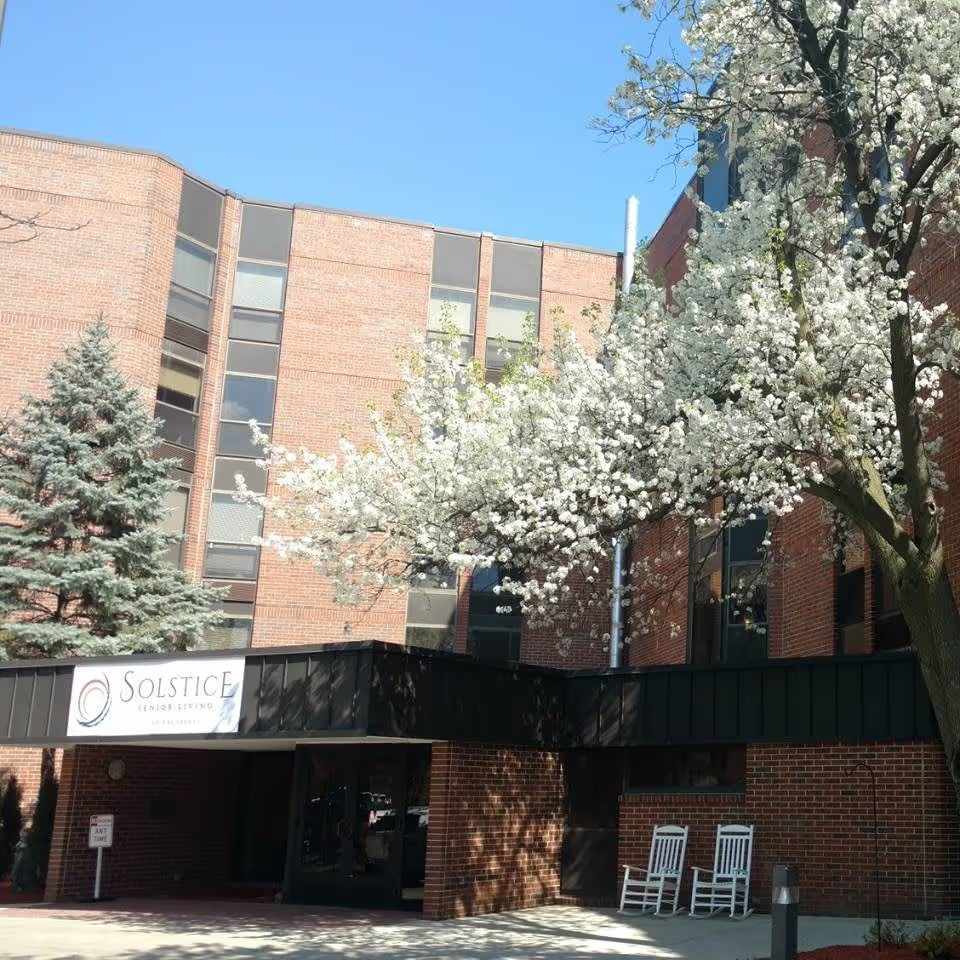
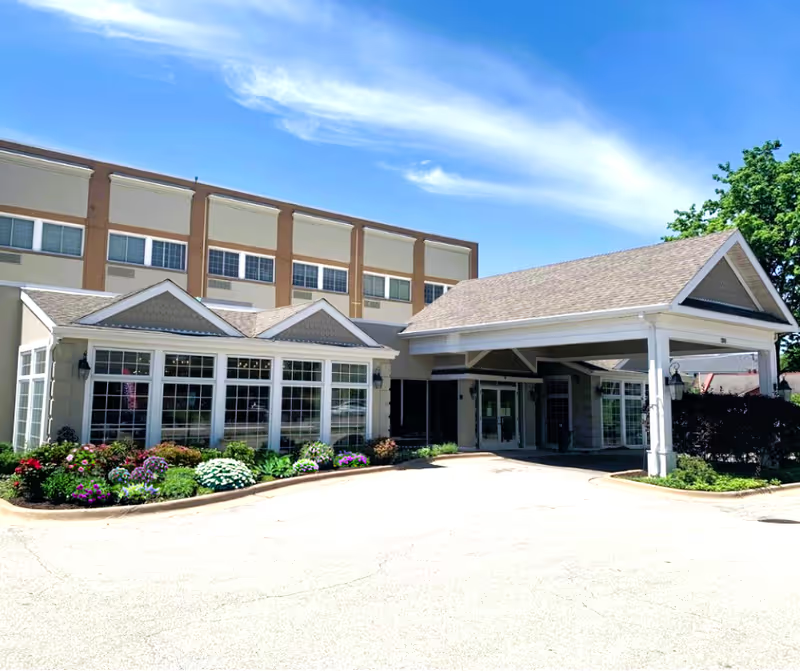
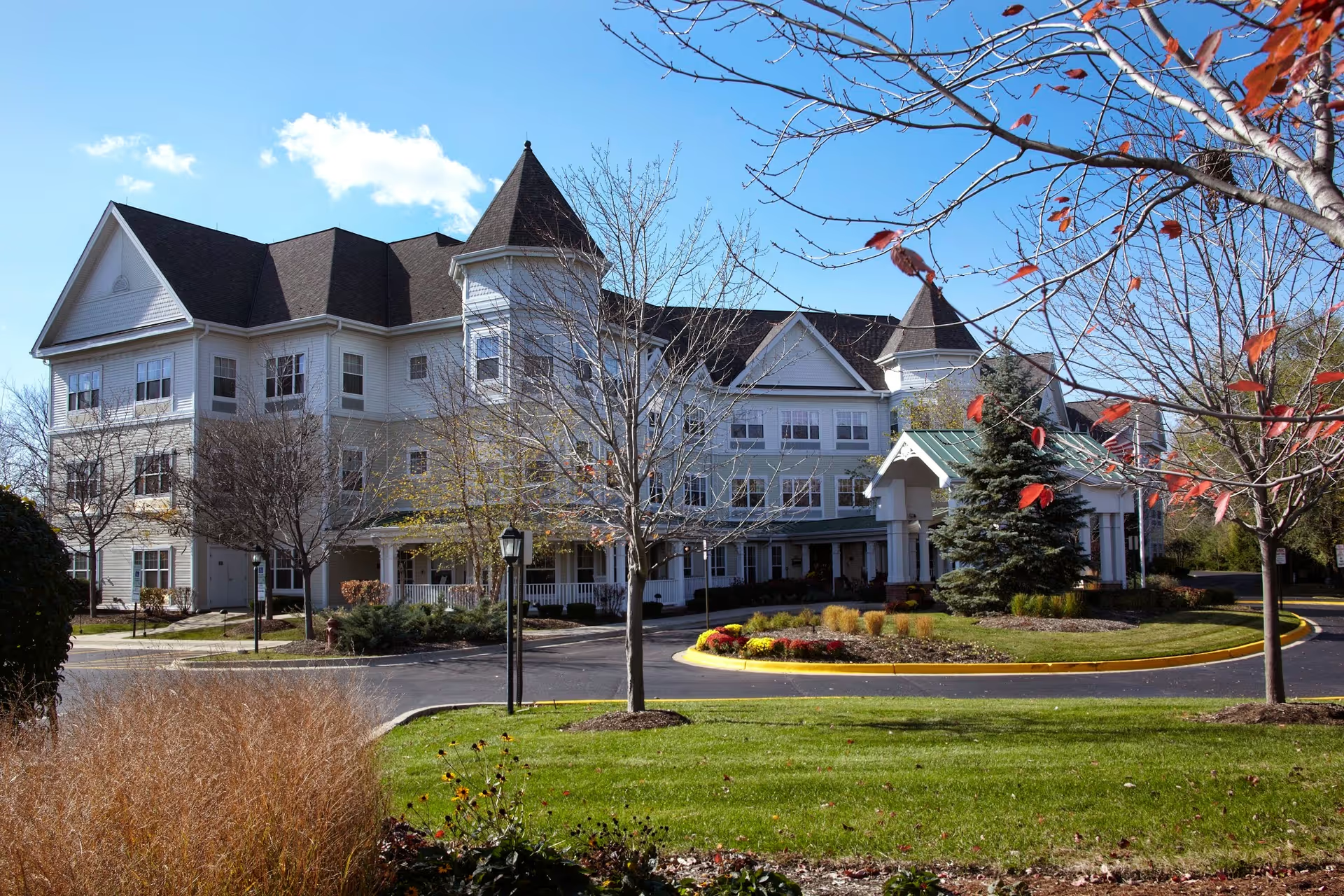
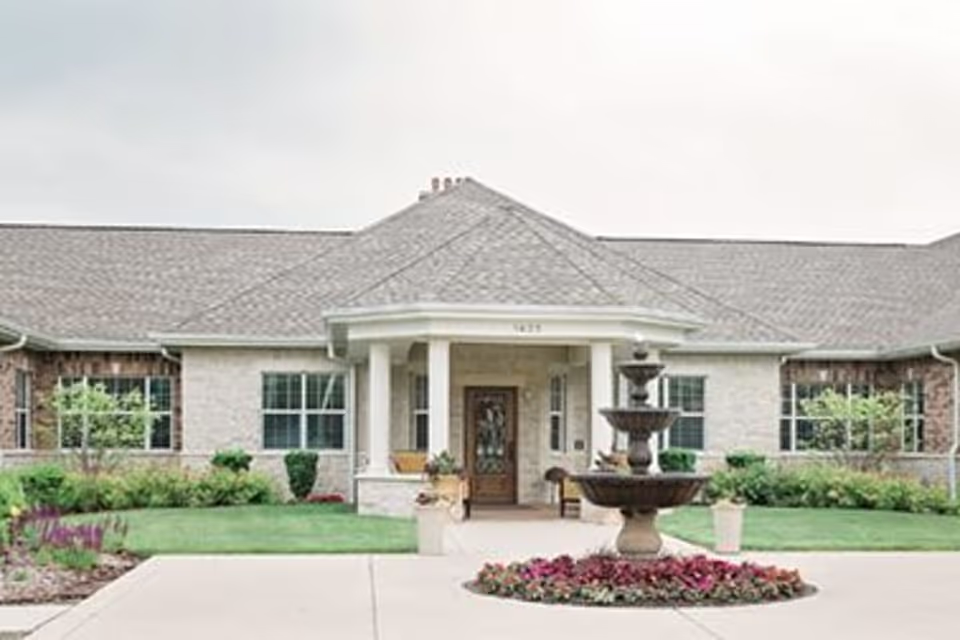
Facilities, housekeeping, and personal effects Many reviews describe clean, well-maintained spaces and a pleasant neighborhood location. Conversely, other accounts raise sanitation and housekeeping inconsistencies (sticky floors, delayed laundry pickup), construction disruption, and instances where rooms lacked basic furnishings or stimulation (TVs, chairs, phones). There are also allegations of loss or theft of personal items and inconsistent management of possessions; these items point to weaknesses in property-inventory and room-assignment processes. Clarify housekeeping schedules, property-inventory procedures, and how the facility handles room equipment and orientation on admission.
Management patterns and notable recommendations Administrators and some named staff receive high praise for responsiveness, family support, and guidance with financial options; the facility’s dual Medicare/Medicaid certification and assistance navigating benefits is a practical advantage. At the same time, recurring themes of poor communication, last-minute relocations, and appointment coordination gaps suggest operational areas needing improvement. Given the mixed feedback, prospective families should perform targeted inquiries during tours: review staffing ratios (including night coverage), medication-safety checks, infection-control records, activity access for memory-care residents, and policies for personal-property protection. Requesting recent inspection history and speaking with current families on the units can help clarify whether the strengths or the concerns are the most representative of current operations.