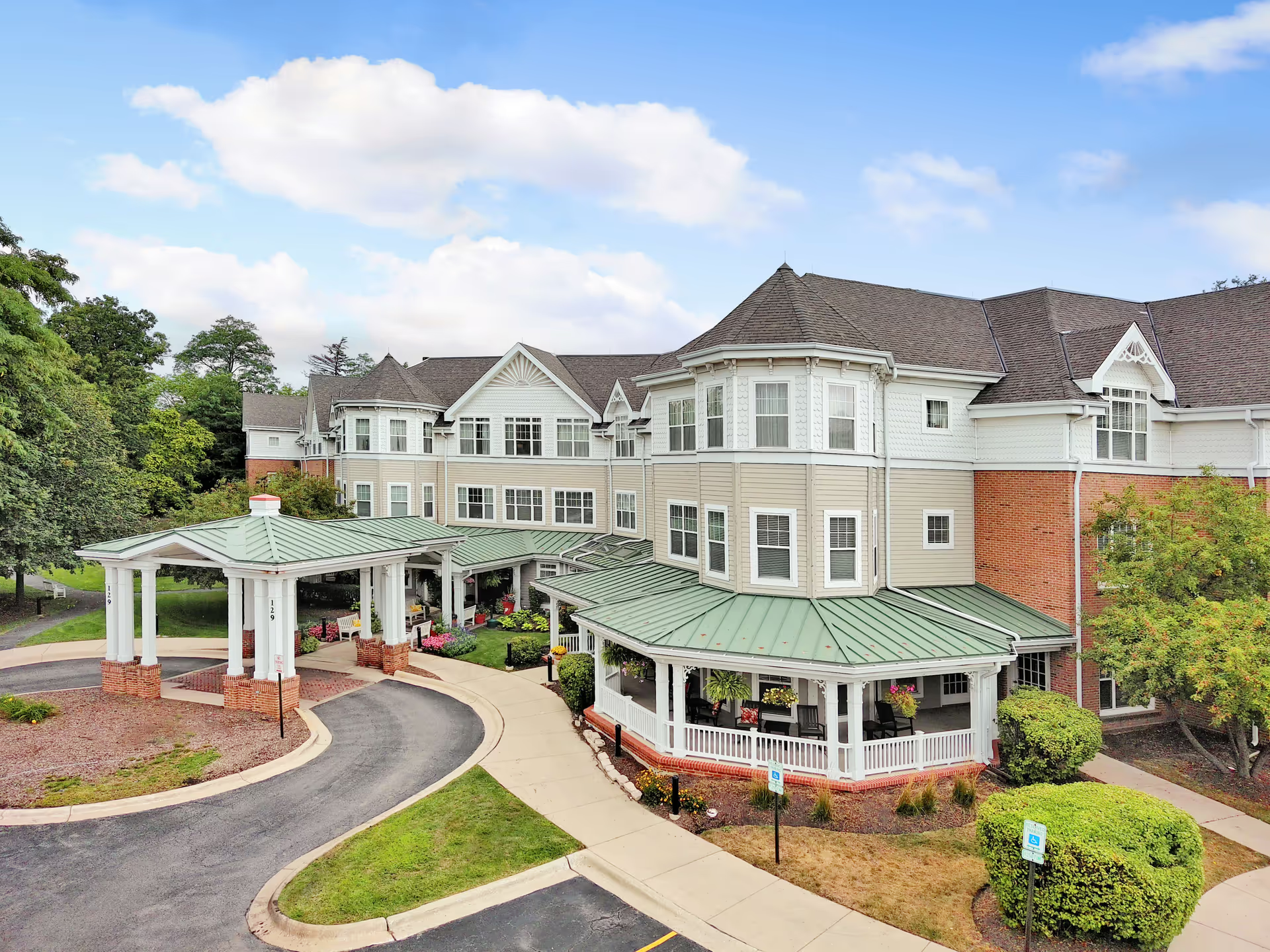
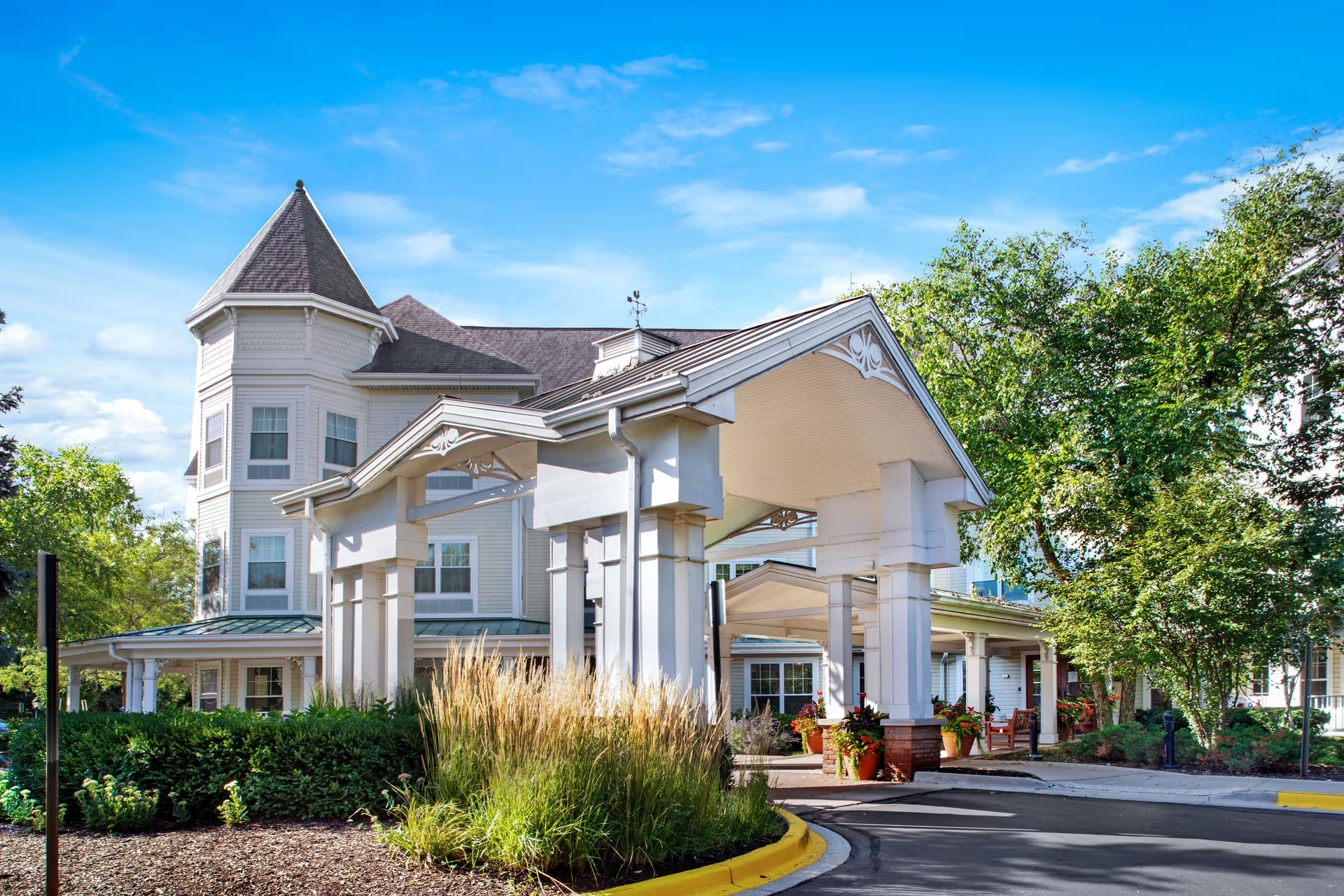
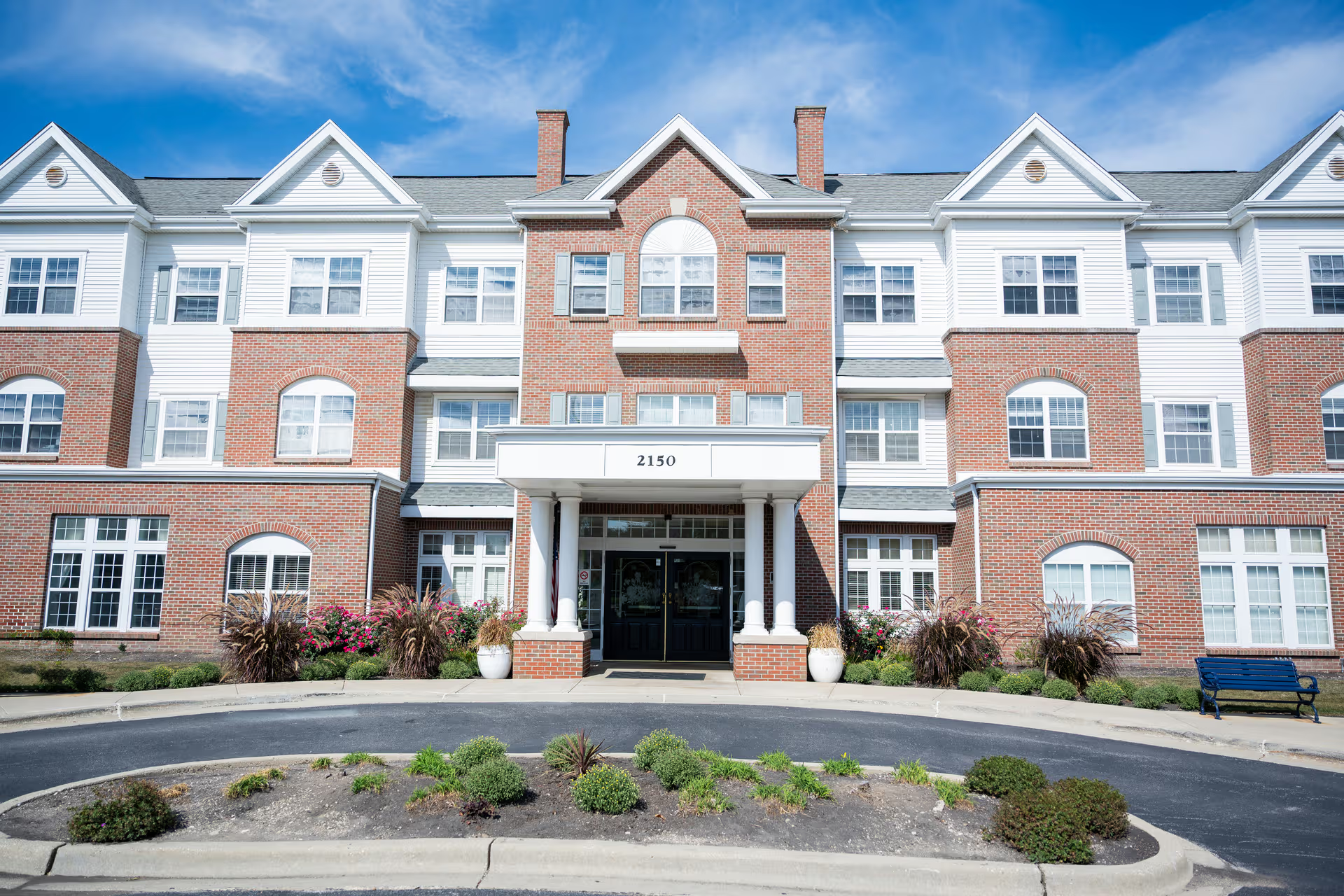
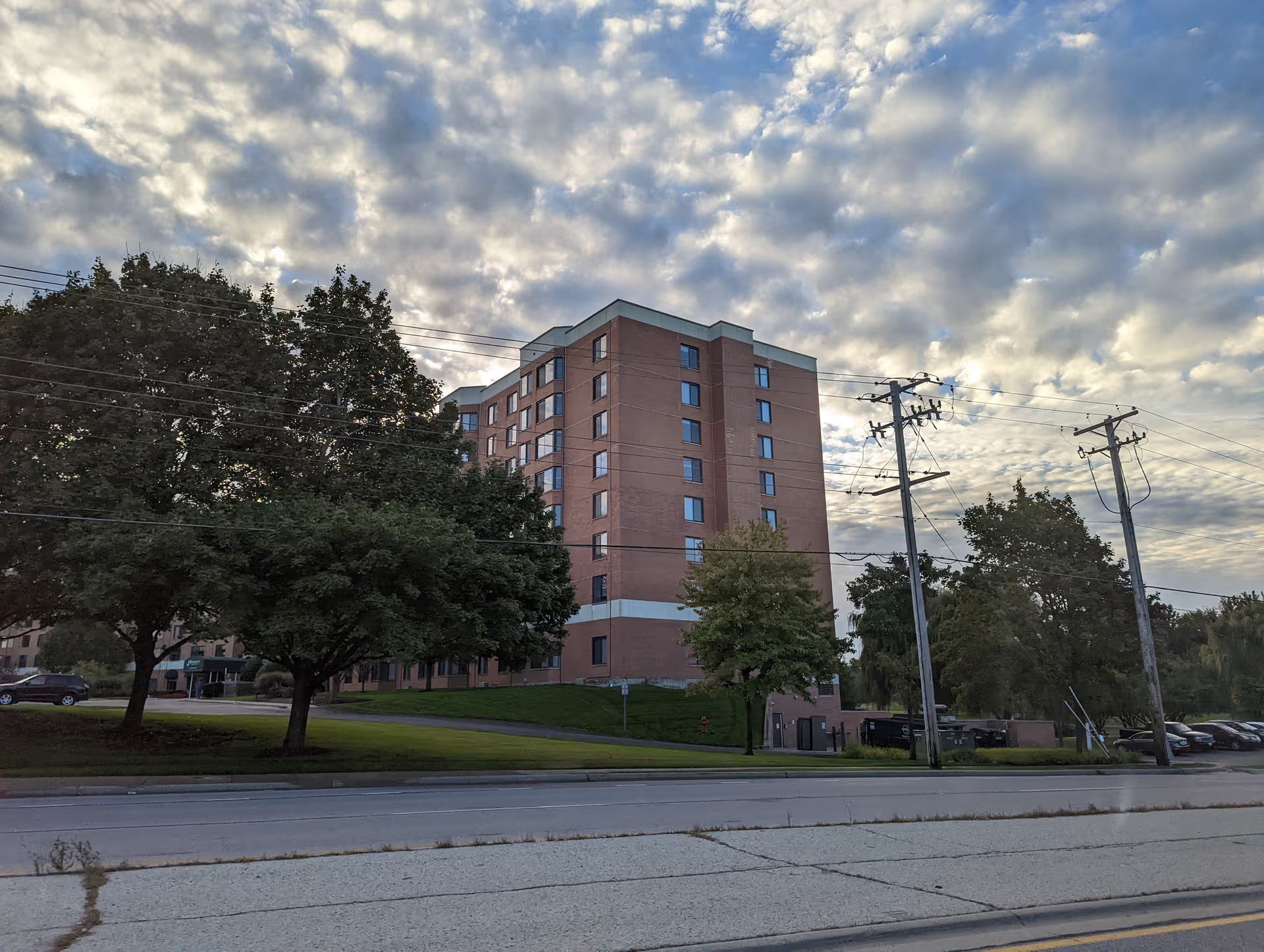
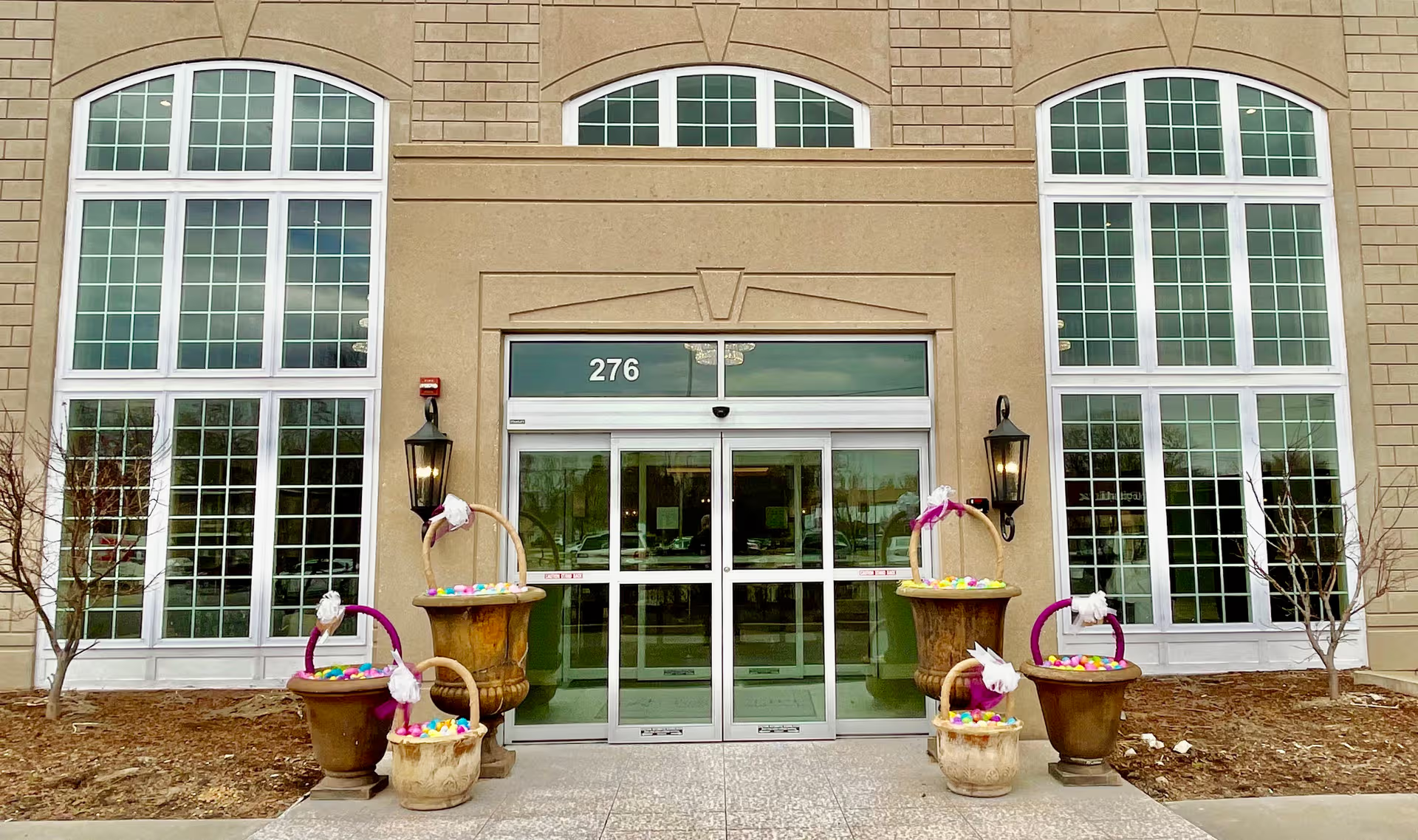
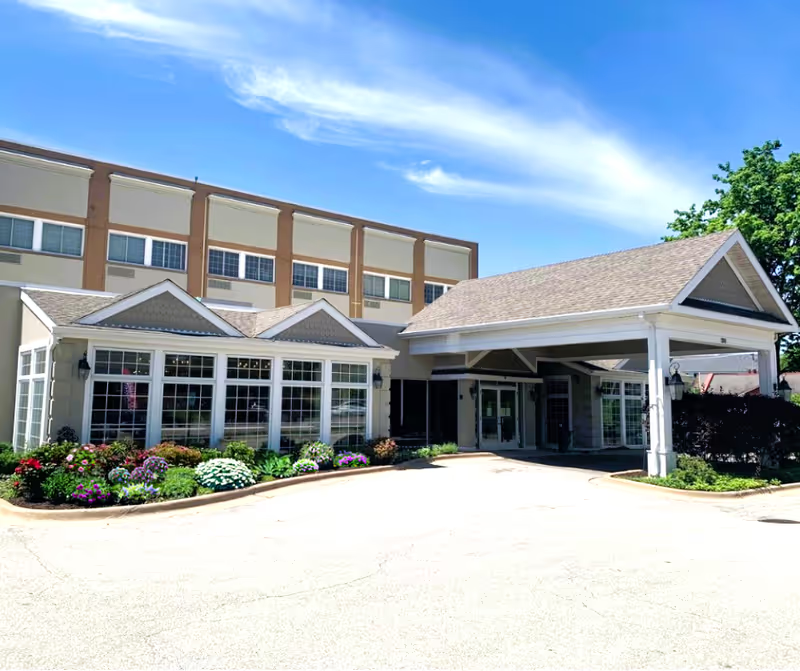
Reviews of Abbington Rehab & Nursing Center present a polarized but consistent set of themes. Positively, many families and residents describe a small, community-oriented facility with a convenient downtown location, pleasant outdoor areas, and generally well-maintained interiors. Staff are frequently characterized as compassionate, experienced, and accessible; nursing, therapy, and activities teams receive repeated praise for responsiveness, rehabilitation outcomes, and creating social opportunities. Housekeeping and laundry services are commonly noted as professional and reliable. Several reviewers specifically highlighted an engaged administrator, regular activities and outings, and improved or renovated common areas.
Care quality appears variable. A substantial group of reviewers reports strong clinical care and effective therapy that produced measurable resident improvement; these accounts emphasize attentive CNAs, responsive nurses, and good communication in those cases. Conversely, other reviewers described operational shortfalls that affected clinical care: inconsistent staffing levels, gaps in physician availability, and situations where family notification and incident response were inadequate. Several reviews described sanitation concerns and delays in attending to basic care needs; others cited inconsistent adherence to infection-control practices. Collectively these comments point to variability in day-to-day clinical oversight and responsiveness rather than a uniform level of performance.
Dining and activities are recurring strengths with qualifications. The facility offers varied meals, special options like omelette bars, and generally positive meal presentation in many accounts; some reviewers described meals as near restaurant quality. At the same time there are recurring notes about inconsistent meal-service timing, occasional service delays (water, utensils), and uneven nutritional content. Activities programming and transportation receive consistent praise for frequency and community engagement, contributing positively to resident socialization and mobility.
Facilities and environment show mixed signals. Parts of the building have been renovated and are described as fresh and attractive, with a nice main floor and activity center; other parts are older with modest aesthetics and darker rooms that some reviewers would like updated. The facility does not appear to offer a dedicated, secure memory-care unit, and reviewers cited limited dementia-specific programming and security for residents with wandering risk. Accessibility to community shopping and transportation is a clear plus for residents who are ambulatory and engaged.
Management and operational patterns are a frequent source of divergence. Positive accounts highlight visible, caring administration and timely responsiveness to room maintenance and family communication. Negative accounts emphasize inconsistent administrative follow-through, difficulties with lost or mishandled personal items, and concerns about how some clinical incidents and transfers were communicated to families. There are also comments suggesting language barriers in staff–family interactions and perceptions that financial or operational incentives sometimes influence care transitions.
What stands out across the reviews is variability: many families describe a warm, professional, and improving environment where residents are treated like family; others describe significant operational weaknesses that affected care continuity, cleanliness, and communication. Prospective residents and families would likely benefit from an in-person tour, direct questions about staffing ratios and physician coverage, clarification of dementia-care and security options, review of infection-control practices, and a discussion of administrative policies for incident reporting and handling of personal property.