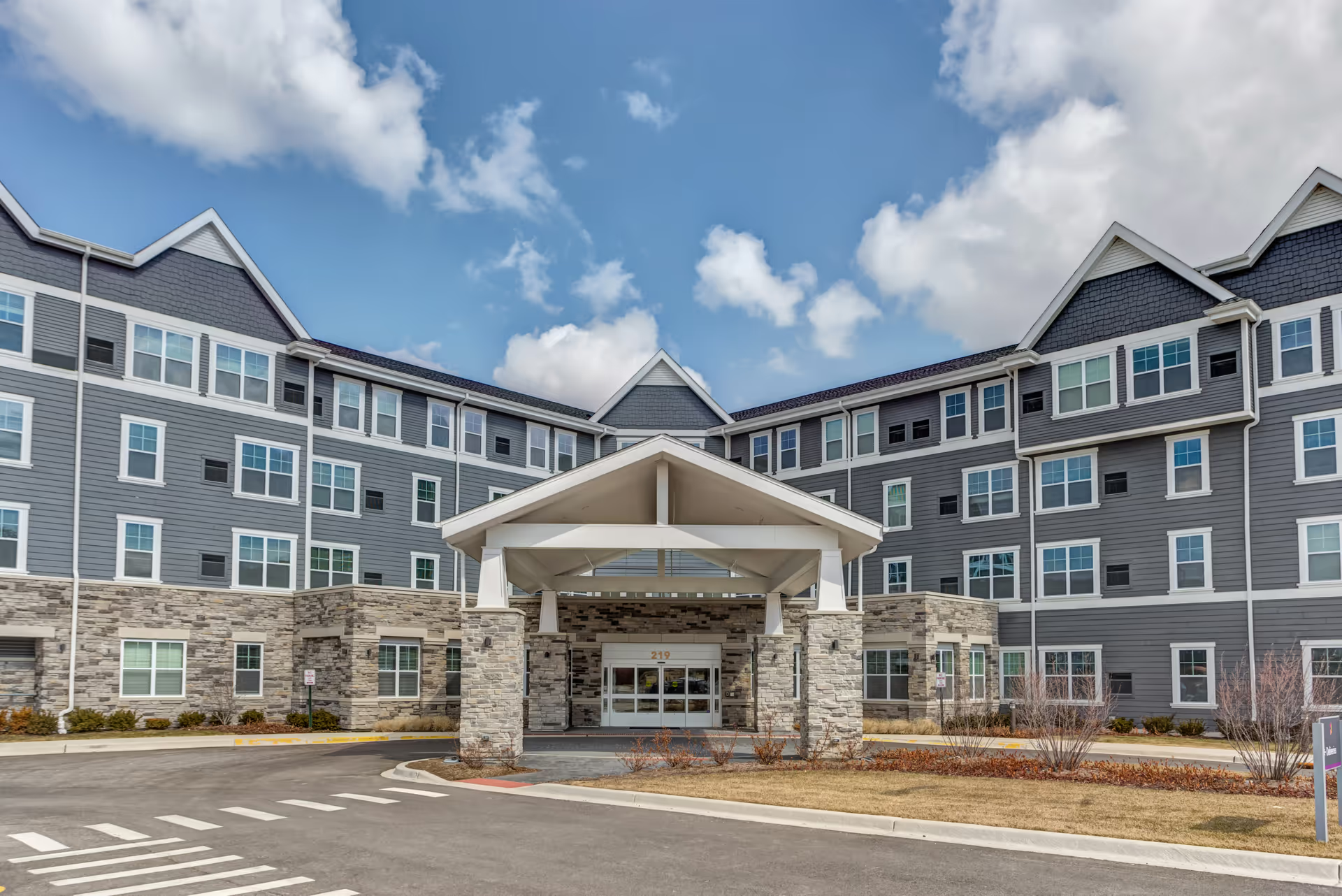
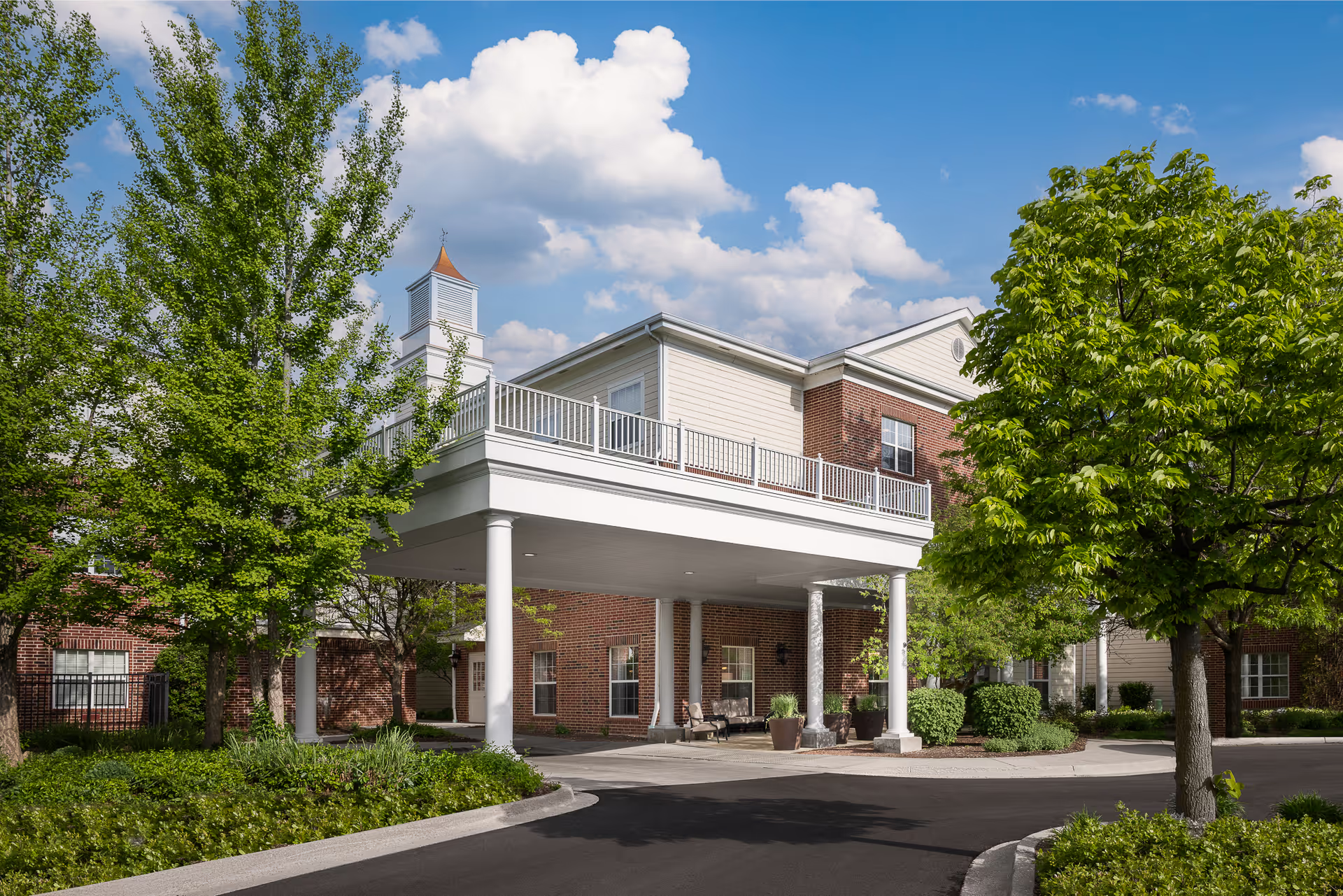
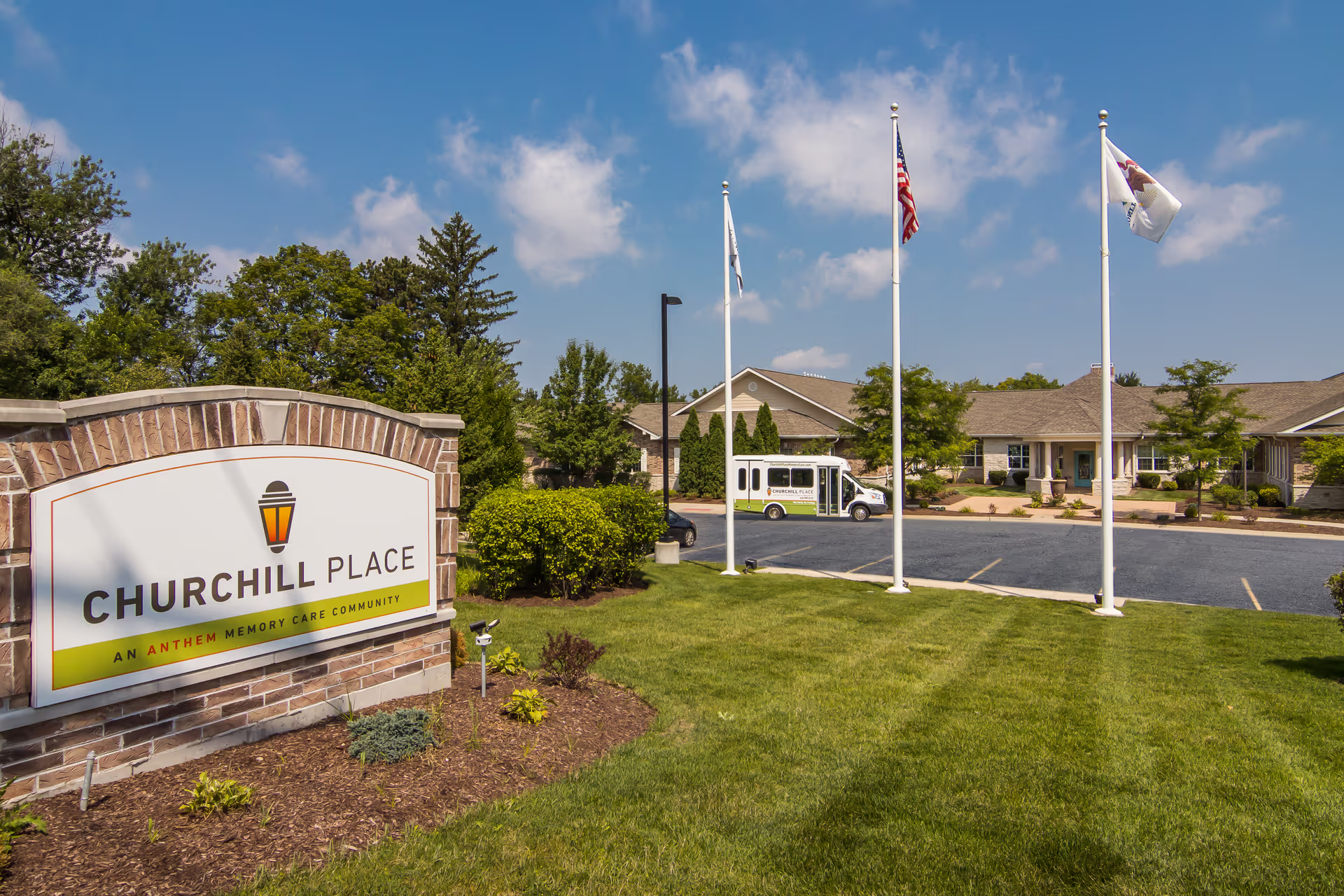
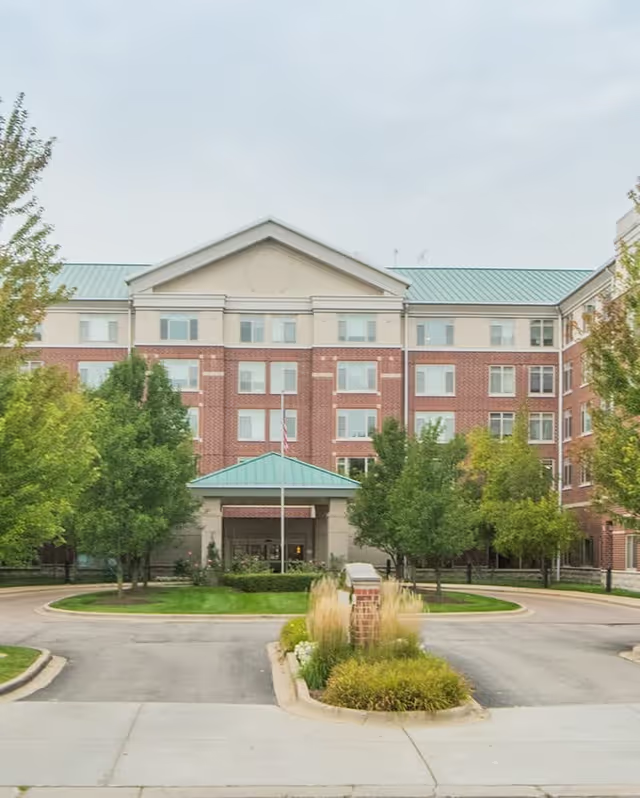
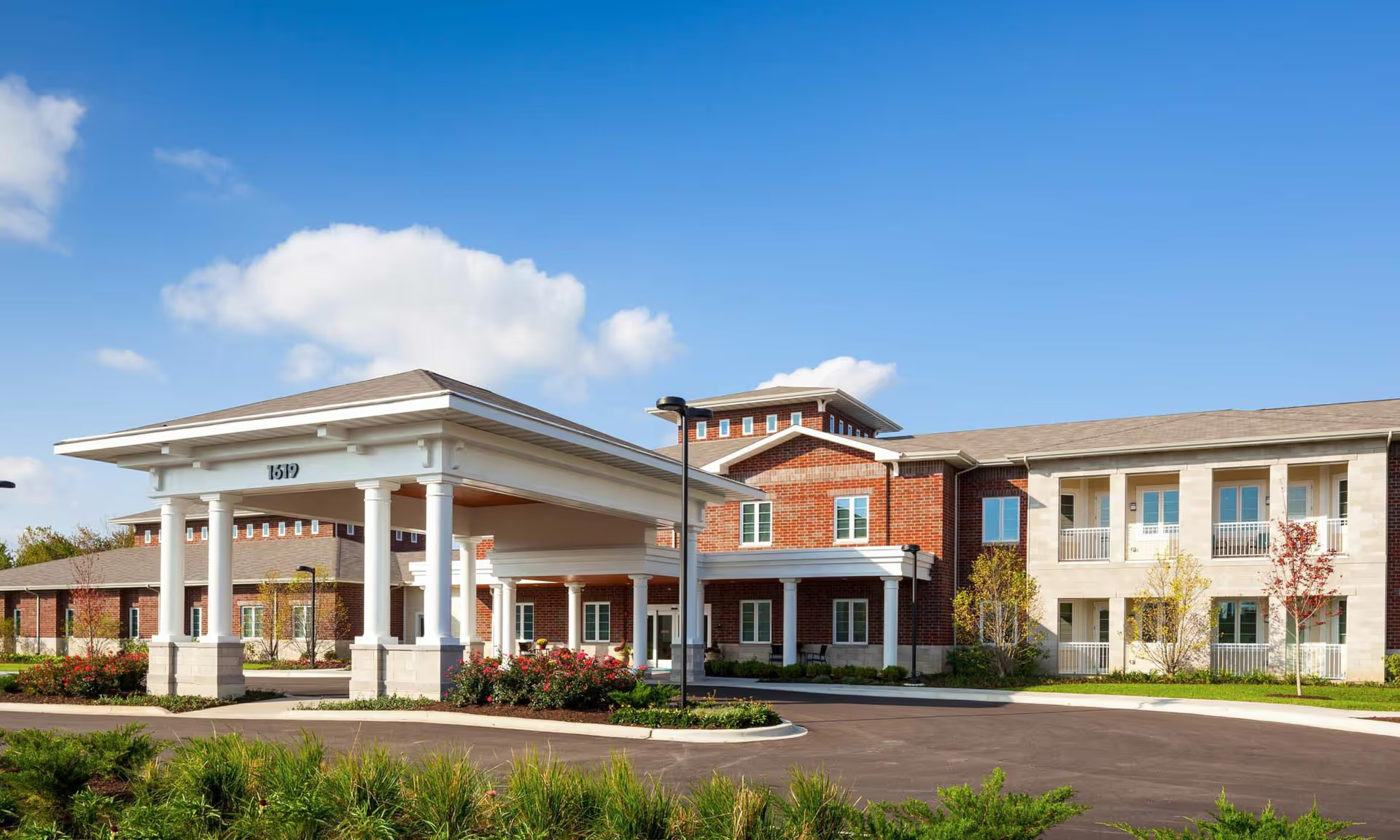
Overall impression: The facility presents as a well-managed, comfortable community with many elements families and residents value: personable staff, a full campus continuum of care, pleasant living spaces, and a lively activities program. Reviewers frequently described the community as welcoming and family-like, and many cited smooth move-ins, sunny apartments, responsive maintenance, and convenient proximity to shopping and hospital services. Infection-control measures and entry screening were highlighted as thorough during recent public-health periods.
Care and staff: Staffing quality emerges as a clear strength in day-to-day interactions. Caregivers, activities personnel, admissions staff, and certain nurses were repeatedly characterized as friendly, attentive, and knowledgeable about residents’ personalities and needs. Several accounts noted personalized care, quick responses to maintenance or safety issues, and effective short-term clinical support for rehabilitation stays. At the same time, there are consistent operational concerns around clinical staffing levels and clinical-process reliability. Families described uneven nursing coverage and difficulties with medication administration; these indicate potential gaps in clinical staffing and medication-management workflows that prospective families should clarify with leadership.
Dining and activities: Dining is generally viewed positively: food quality, menu variety, a bistro option, and accommodated diets were highlighted. The facility’s culture emphasizes choice — from meal selection to a broad slate of activities (exercise classes, concerts, lectures, outings) — and programming is a major attraction for residents who want social engagement. The activity team is often described as warm and proactive, contributing strongly to community morale.
Facilities and operations: The physical campus and services are notable strengths. Reviewers praised cleanliness, bright apartments, outdoor seating, and the availability of multiple care levels on one campus, which many families saw as facilitating seamless transitions when needs changed. Admissions and marketing staff received favorable notes for being welcoming and helpful, and the facility’s short-term/rehab option and move-in readiness were useful for families needing immediate placement.
Management and notable patterns: Leadership and hands-on management were cited as positives, and many families felt supported through the transition process. However, there are recurring themes that prospective residents should investigate further: inconsistencies between how services are described in admissions conversations and how certain personal-care services are actually scheduled (for example, the frequency of assisted bathing), variable communication quality between staff and families, and specific operational shortfalls in nursing coverage and medication handling. These are trait-level issues — related to staffing patterns, policy clarity, and process consistency — rather than isolated interpersonal complaints.
Recommendation: For families considering this community, the strengths are substantial: caring staff, strong programming, good dining, and a campus model that supports aging-in-place. Before committing, clarify clinical staffing ratios, medication-management procedures, and written service agreements for personal care to ensure expectations align with day-to-day operations. Asking for recent examples of how the facility handles medication administration errors, staff shortages, and personal-care scheduling will help assess whether these operational weaknesses are being actively managed.