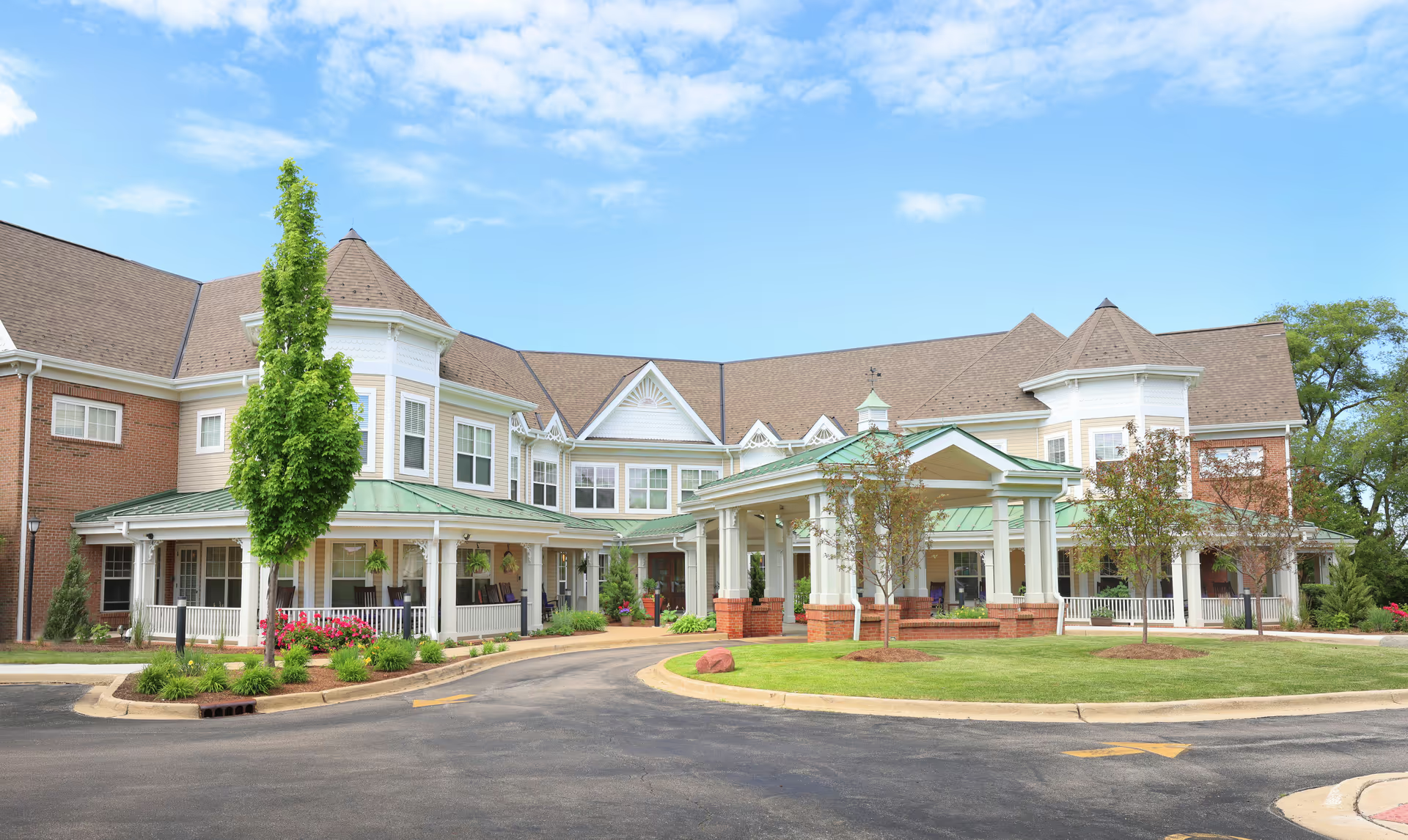
The reviews reflect a highly mixed picture of care at this facility. Many families and reviewers praise individual caregivers and specific teams for compassionate, hands-on nursing and attentive CNA support. Several accounts highlight strong family communication, accessible administrative leadership, a small, home-like atmosphere, and engaging programming (library, bingo, spa days and other activities). Some residents reportedly experienced meaningful rehabilitation progress under the clinical team.
Counterbalancing those positive accounts are recurring operational concerns that affect safety and daily quality of life. Reviewers describe inconsistencies in incontinence care, bathing and grooming schedules, and cleanliness in some areas, which point to gaps in routine personal-care processes and sanitation oversight. Staffing variability and slow response times were frequently cited; these staffing gaps are linked to delayed clinical attention, concerns about monitoring and escalation in urgent situations, and perceived weaknesses in transfer and fall-prevention practices.
Communication and staff conduct are another area of divergence. Numerous reviewers praised specific nurses and teams for professionalism and empathy, while others reported brusque or unhelpful interactions at reception and on the care floor. Language and communication barriers among staff were mentioned as contributors to family frustration. Administrative processes and paperwork were also described as inconsistent, with occasional difficulty reaching or receiving timely information from management.
Dining and environment are similarly mixed. Activities and recreational programming receive positive mentions, but meal quality and service continuity appear inconsistent, with reports of cold or unappetizing meals. The facility’s infrastructure is described as older, with maintenance issues and exterior noise disturbances that affect resident comfort. Several reviewers noted that rehab patients share floors with long‑term residents in ways that some families found disruptive to recovery-focused care.
Taken together, the pattern suggests that the facility has strong individual caregivers and meaningful programs, but systemic operational weaknesses — staffing consistency, clinical monitoring/escalation protocols, personal-care routines, and facility maintenance/security controls — create uneven experiences. Prospective residents and families may benefit from targeted questions during a tour (staffing ratios by shift, emergency escalation procedures, cleaning and bathing schedules, rehabilitation unit organization, and security/property controls) and by observing mealtimes, therapy sessions, and staff-resident interactions in person to assess the current operational consistency.