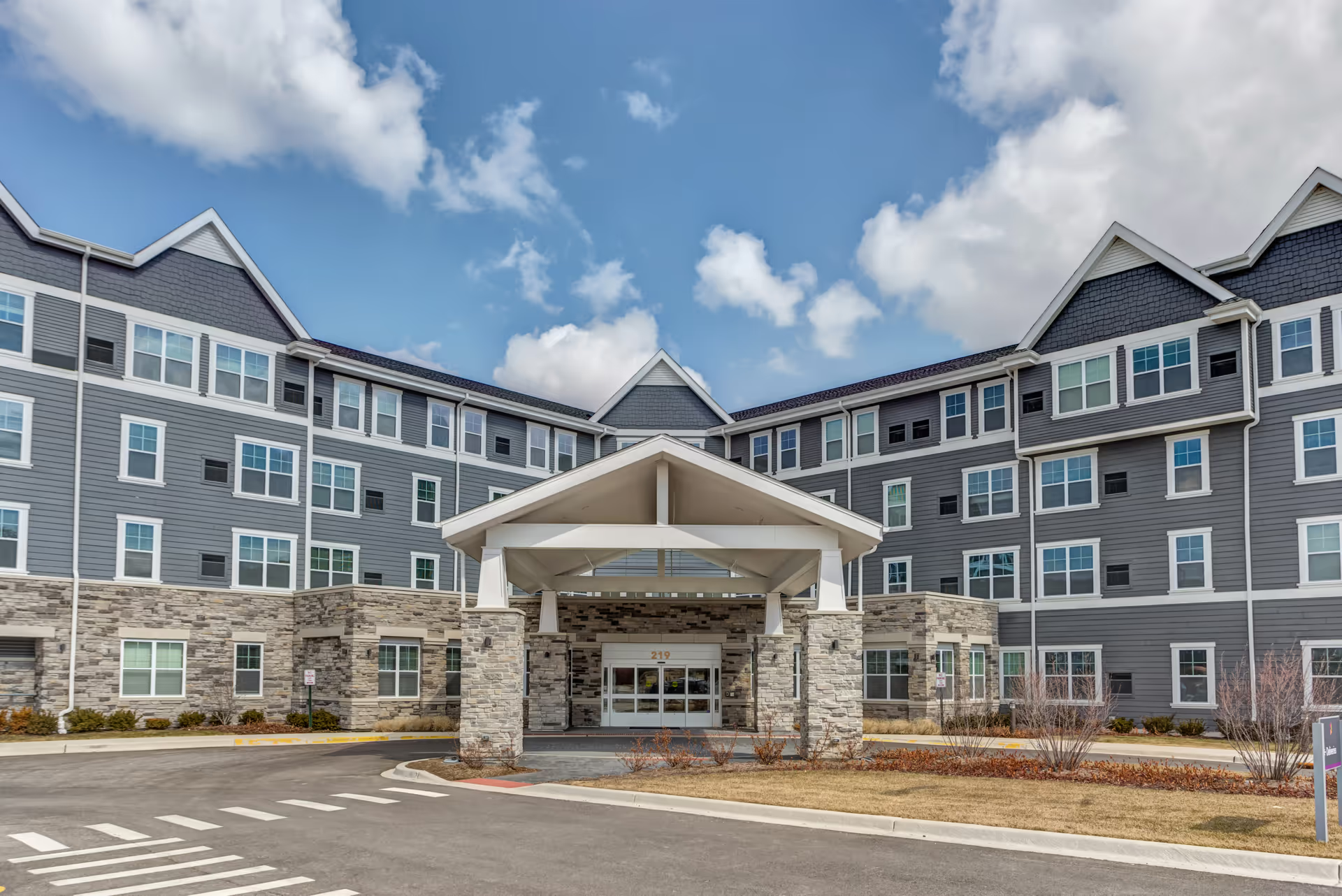
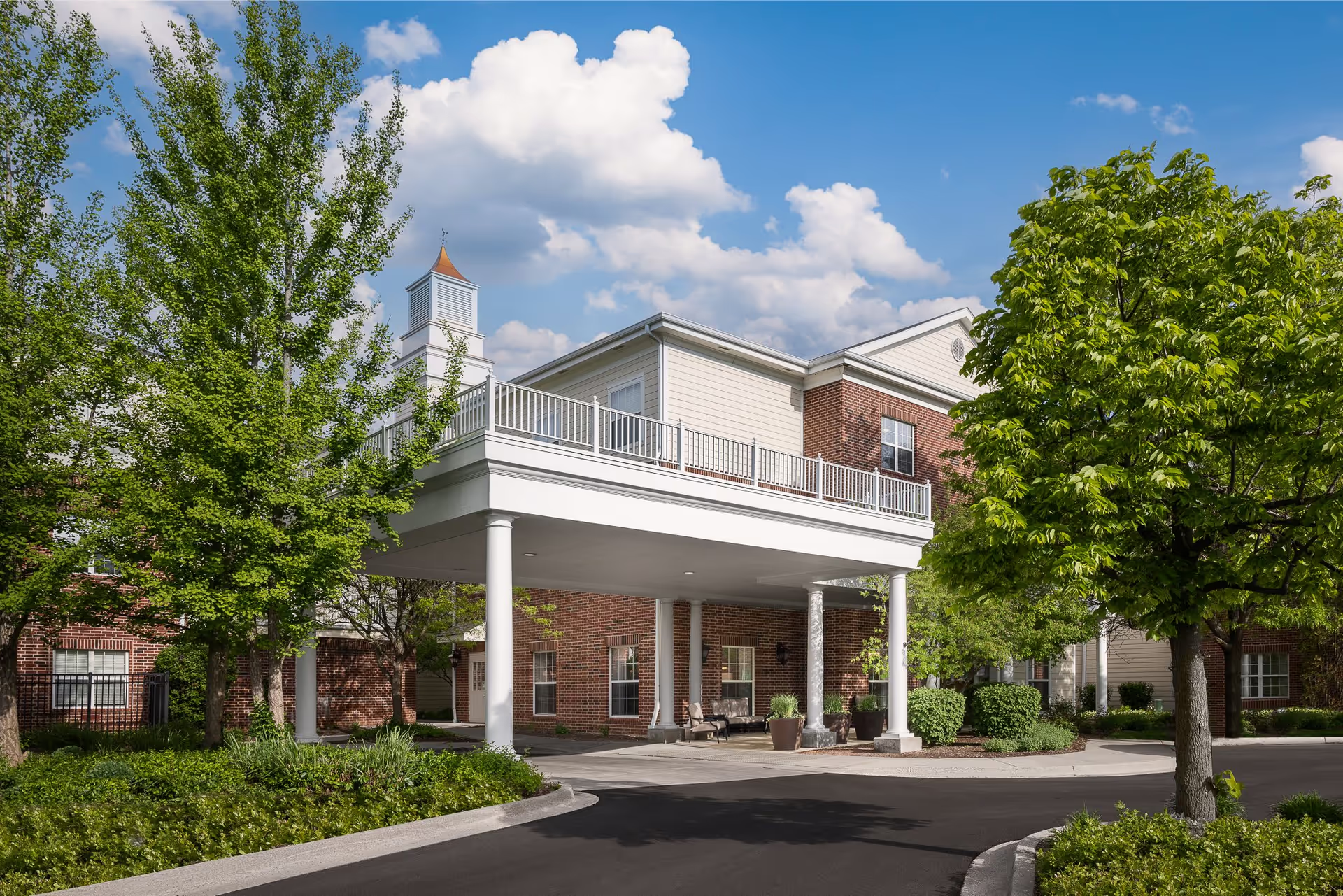
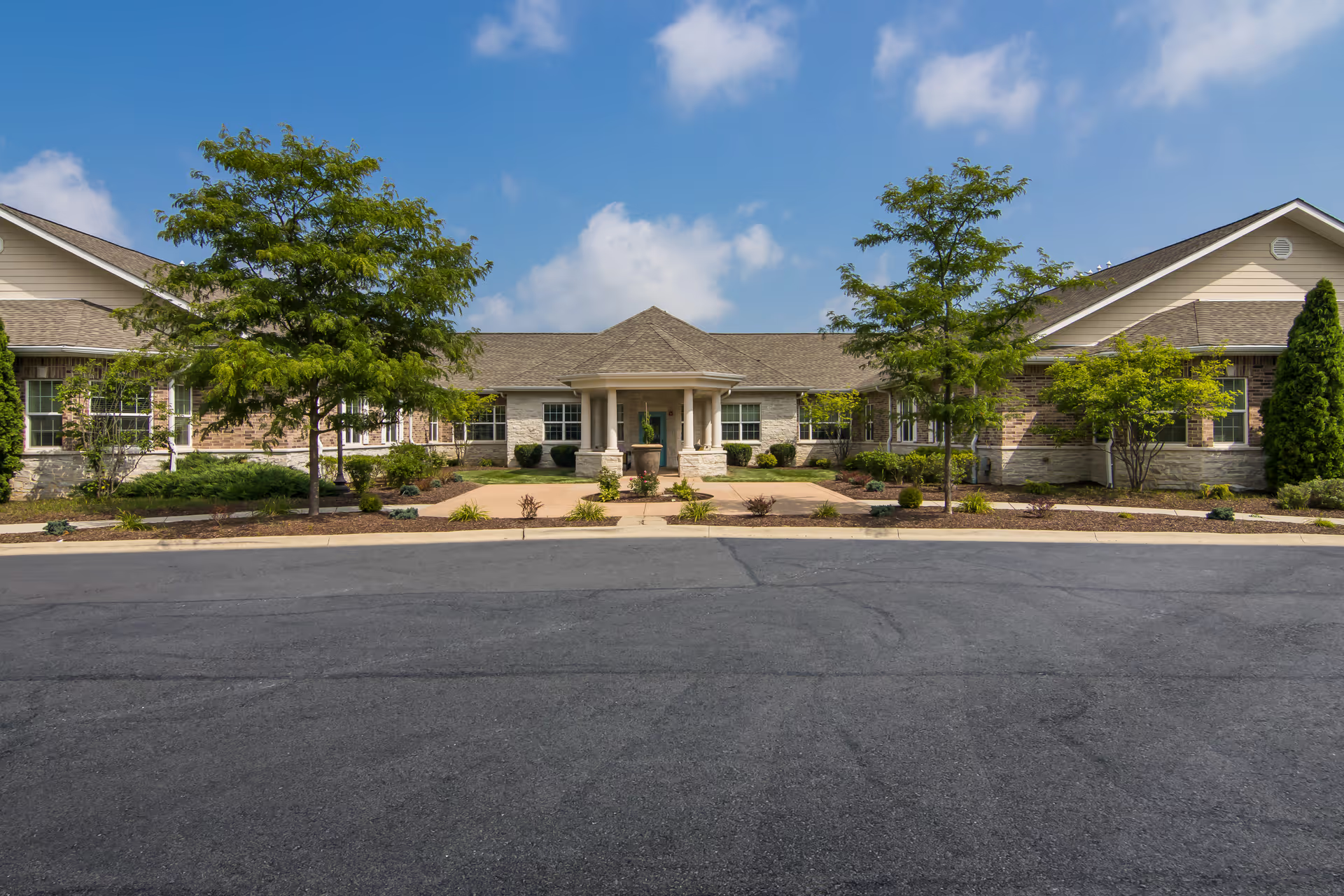
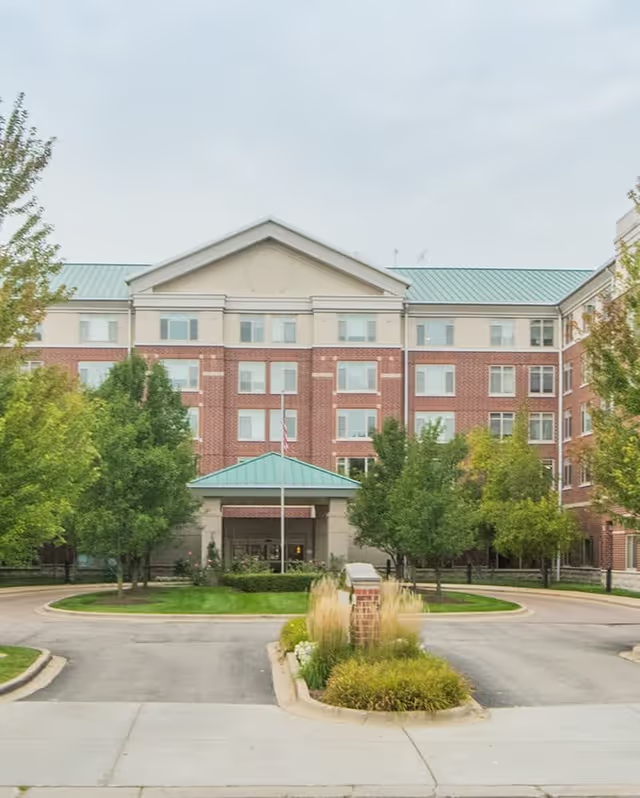
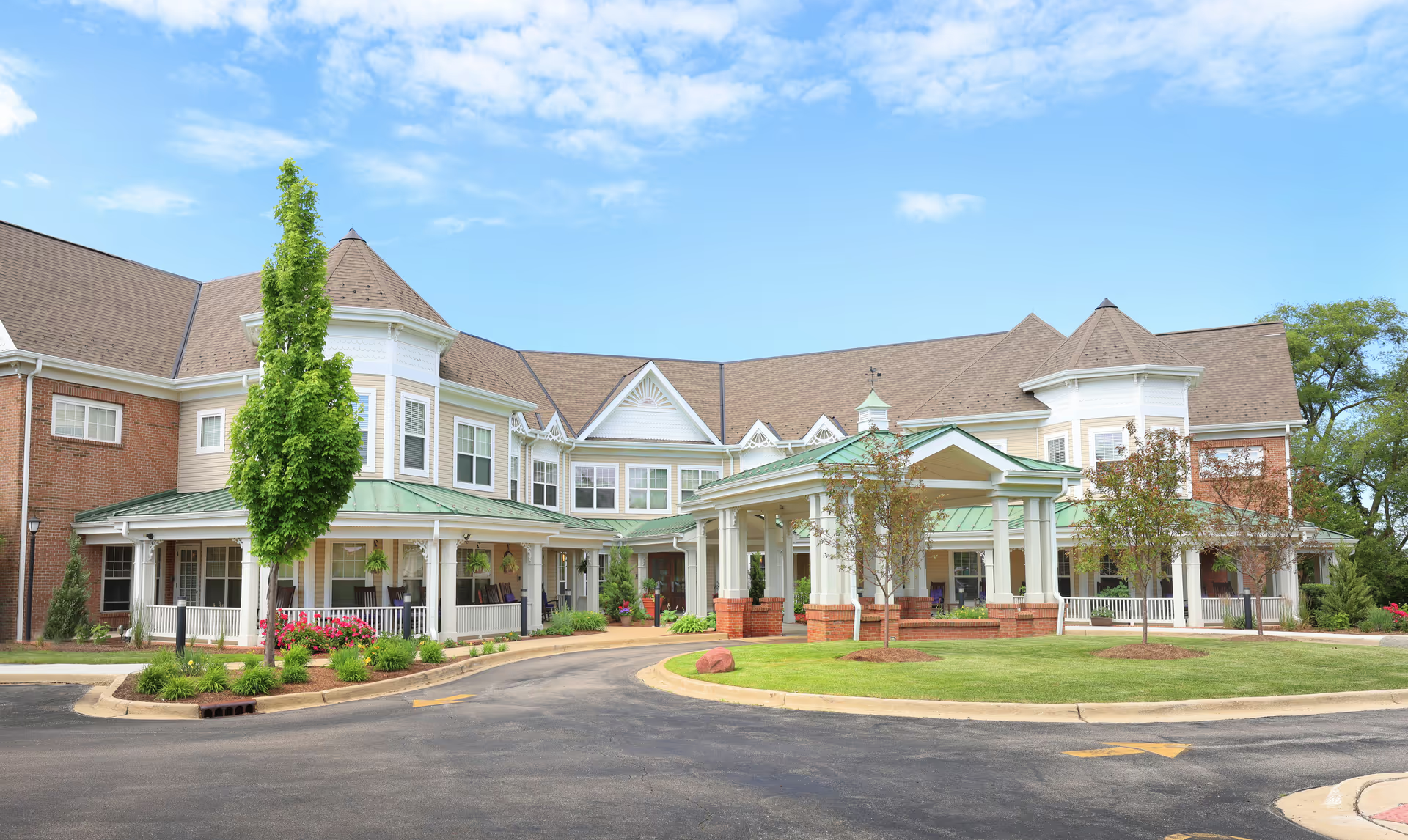
Wyndemere presents as a well‑appointed continuing care community with many operational strengths and a clear orientation toward resident life enrichment. Its campus model provides a full continuum of care—independent living through memory care and skilled nursing—paired with a LifeCare/buy‑in option that many families value for price predictability and long‑term planning. The location and campus are repeatedly praised: mature neighborhood setting, proximity to Central DuPage Hospital and emergency services, convenient access to downtown Wheaton and nearby shopping, and attractive grounds with courtyards, balconies, and outdoor seating.
Programming and amenities are a prominent positive. The community offers a broad slate of activities (academic lectures, concerts, arts, trips, clubs, and fitness classes) and a robust wellness infrastructure including an indoor pool and gym. Residents and families frequently describe an active social life supported by a strong Residents' Association, numerous clubs, regular events (happy hours, themed dinners, musical programming), and reliable transportation for appointments and outings. Onsite therapy and rehabilitation services, guest suites, and a variety of dining venues contribute to a resort‑style convenience that many residents cite as a major quality‑of‑life benefit.
Staffing and care quality show a mixed but important pattern. Many accounts highlight caring, attentive staff, effective move‑in support, responsive maintenance, and strong personal relationships between staff and long‑term residents. At the same time, there are recurrent operational concerns: inconsistent staffing levels, episodes that imply gaps in medication‑management and clinical continuity, and instances where families experienced poor follow‑through or communication. These items suggest variability in day‑to‑day clinical operations; prospective residents should inquire about current staffing ratios, medication‑administration protocols, and clinical oversight during a tour.
Dining and housekeeping are generally praised for quality and variety, with many descriptions of enjoyable meals and multiple restaurant‑style options. However, reviewers also describe uneven food‑service consistency and occasional declines in meal quality. Similarly, housekeeping and sanitation are often satisfactory but not uniform across all parts of the campus; some older building sections and systems (for example HVAC/AC) were described as needing improvement or having been affected by recent construction.
Management and organizational culture are another area of divergence. Numerous reviewers commend accessible leadership, proactive event programming, and hands‑on administrative support. Conversely, there are accounts describing inadequate communication, accountability shortfalls, and even allegations of dishonest management behavior. Those contrasting impressions point to variability in management responsiveness over time or between teams; checking recent leadership tenure, resident‑family communication practices, and inspection records is advisable.
Bottom line: Wyndemere offers a comprehensive campus with strong social programming, attractive grounds, convenient location, and the security of on‑site continuum of care—features that many residents and families find highly valuable. At the same time, prospective residents should evaluate operational reliability on arrival: review current staffing levels and turnover, request details on medication‑management and clinical oversight, sample multiple dining options, and inspect the specific building/unit condition and HVAC status. These targeted inquiries will help determine whether Wyndemere’s substantial programmatic strengths align with an individual’s expectations for consistency in daily care and services.