Wynscape Health & Rehab consistently receives praise for its clinical rehabilitation services, housekeeping, and an activities program that includes live music, art events, and therapy-animal visits. Physical and occupational therapy are repeatedly described as effective, with numerous accounts of residents regaining mobility after short-term stays. Housekeeping and common-area maintenance are frequently noted as strengths, and many families comment on proactive infection-control practices during the pandemic.
Care quality is described in mixed but generally positive terms. Many reviewers highlight compassionate and attentive nursing staff, helpful CNAs, and a therapy team that is dedicated and results-oriented. These strengths appear to be most pronounced in the facility’s short‑term rehab focus, where coordinated care planning and regular therapy schedules support measurable recovery. At the same time, there are multiple operational concerns tied to staffing levels: delayed responses to call lights, slower-than-expected medication administration, and occasional clinical complications noted in individual accounts. These issues suggest variability in day‑to‑day responsiveness depending on staffing and shift coverage.
Dining and activities present a mixed picture. The activity program earns consistent positive feedback for variety and engagement (arts, music, therapy dogs, scheduled events), and some meals are described as excellent. However, food quality and meal temperature are areas of variability—several families describe meals as disappointing or served cold, and limited menu choices have been mentioned. For prospective residents who prioritize dining, it would be prudent to sample meals and inquire about dietary accommodations and meal-service routines.
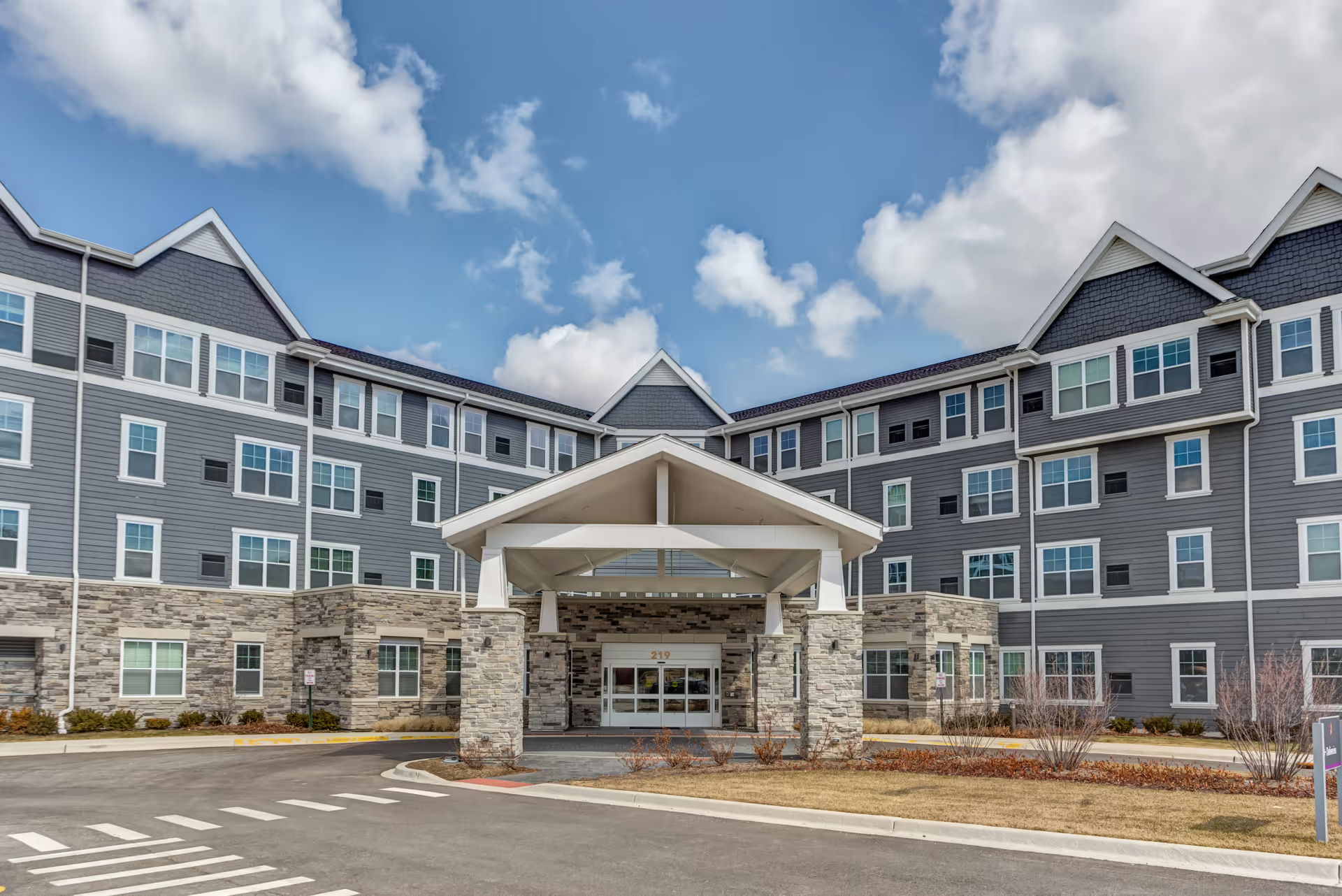
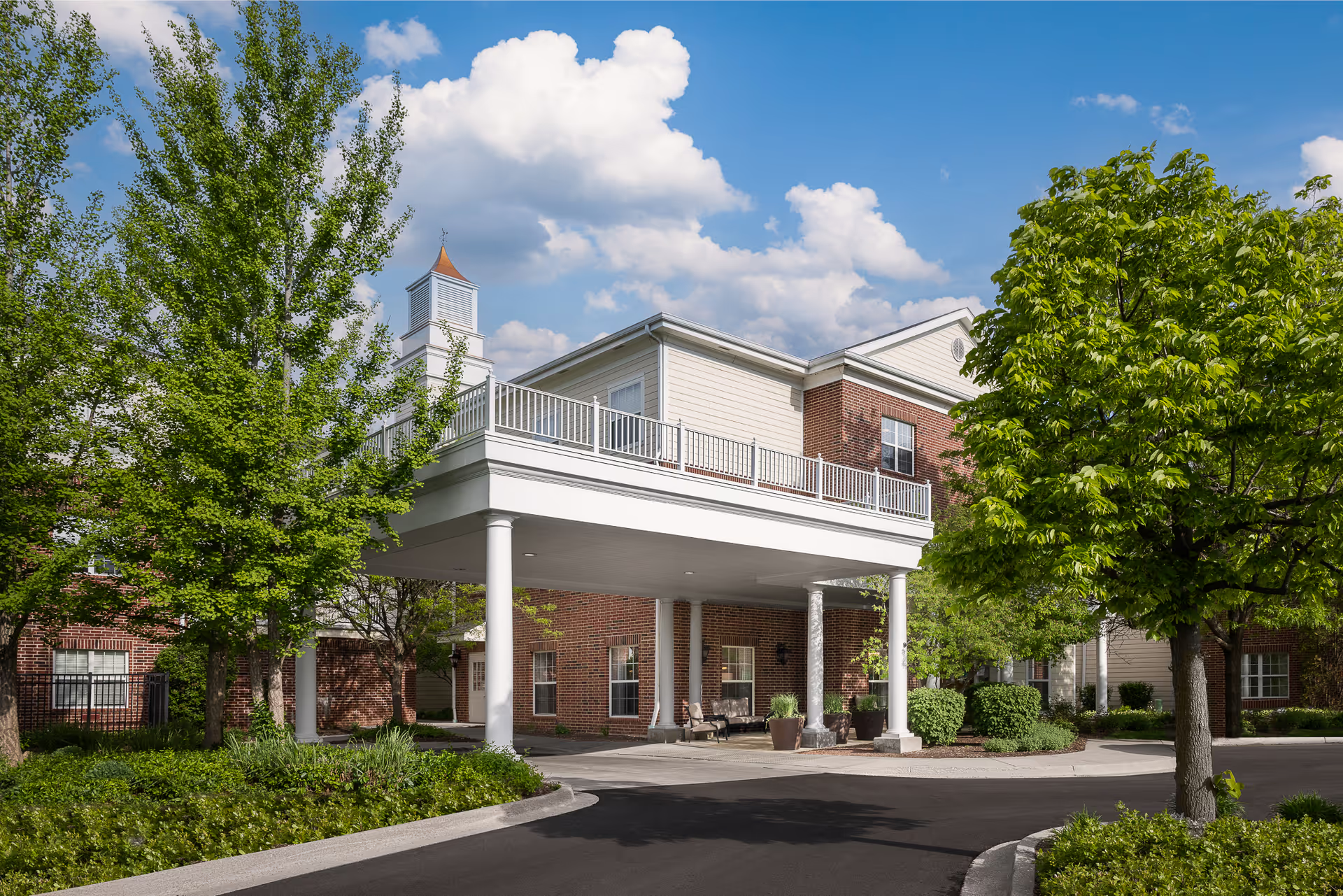
The physical plant and amenities show a contrast between cleanliness and age. Reviewers commonly report spotless, well‑organized common areas and clean rooms, but also note that parts of the building and some resident rooms are older and could benefit from modernization. Supply availability (towels, washcloths, toiletries) has been raised as an occasional issue, which ties back to operational resourcing rather than baseline cleanliness.
Management and communication are another area of divergence. Positive accounts describe proactive family-facing communication, facilitated virtual visits, and coordinated transitions of care. Conversely, there are documented concerns about communication breakdowns, delayed or unreturned family calls, strict room-assignment policies related to payer source, and instances of staff conduct that families found disrespectful. A small number of serious allegations — including claims of discriminatory conduct — appear in individual reports; these merit direct inquiry during any evaluation of the facility.
Notable patterns for prospective residents and families: Wynscape appears to be a strong option for short‑term rehabilitation with a capable therapy team, attentive housekeeping, and a robust activities program. Persistent operational challenges center on staffing consistency, call-response times, and variable dining experiences, alongside occasional supply and administrative issues. Families considering Wynscape should verify current staffing levels and call-light response expectations, sample dining options, ask about medication‑administration and supply‑management protocols, and discuss room‑assignment policies and grievance processes to ensure alignment with their priorities.