Addolorata Villa presents as a faith-based long-term care community with several strong, consistent strengths and a set of operational limitations that prospective residents and families should weigh. Clinically, the facility is noted for on-site skilled nursing, physical therapy, and rehabilitation services, along with a relatively high staff-to-resident ratio. Reviewers frequently describe attentive, compassionate care teams and multidisciplinary support (nursing, social work, dietary, pastoral care), and many families reported smooth transitions along the continuum of care from independent living through assisted and skilled nursing.
Staff culture is repeatedly described as warm, family-like, and resident-centered. Many accounts highlight staff who know residents by name, active activity directors, and leadership that communicates proactively with families. The facility’s pandemic response and early containment measures were noted favorably. At the same time, reviewers identify variability in staff coverage and responsiveness, particularly during weekend and evening shifts, and some described concerns about communication and clinical guidance related to end-of-life or hospice needs.
Dining and daily living receive mixed feedback. Several families praised meals and the dining experience, while others described inconsistent food quality or a less-than-ideal breakfast service. There are operational policies that affect out-of-pocket costs (ancillary fees, required pharmacy use, and specific charges such as for incontinence care) and reviewers expressed concern about affordability and the complexity of Medicaid/asset-spenddown timelines.
The activity program and community life are clear strengths: a rich calendar of offerings (exercise, crafts, lectures, concerts, bus outings, and therapy-animal visits), robust spiritual life centered on daily Mass and a large chapel, and many social opportunities that contribute to residents’ engagement and mood. The campus hosts regular entertainment, educational programming, and volunteer participation, which families frequently cited as contributing to a strong sense of belonging.
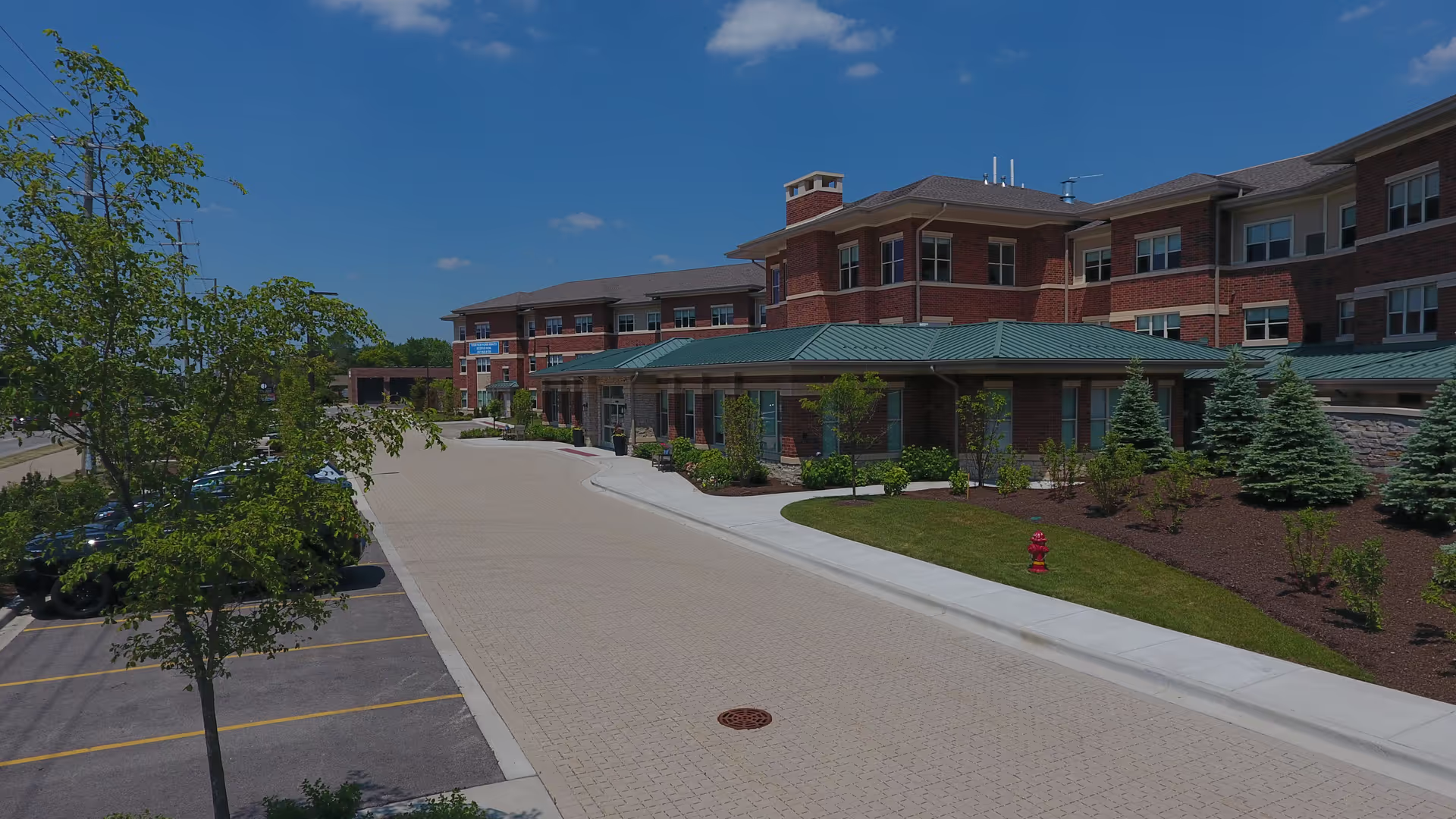
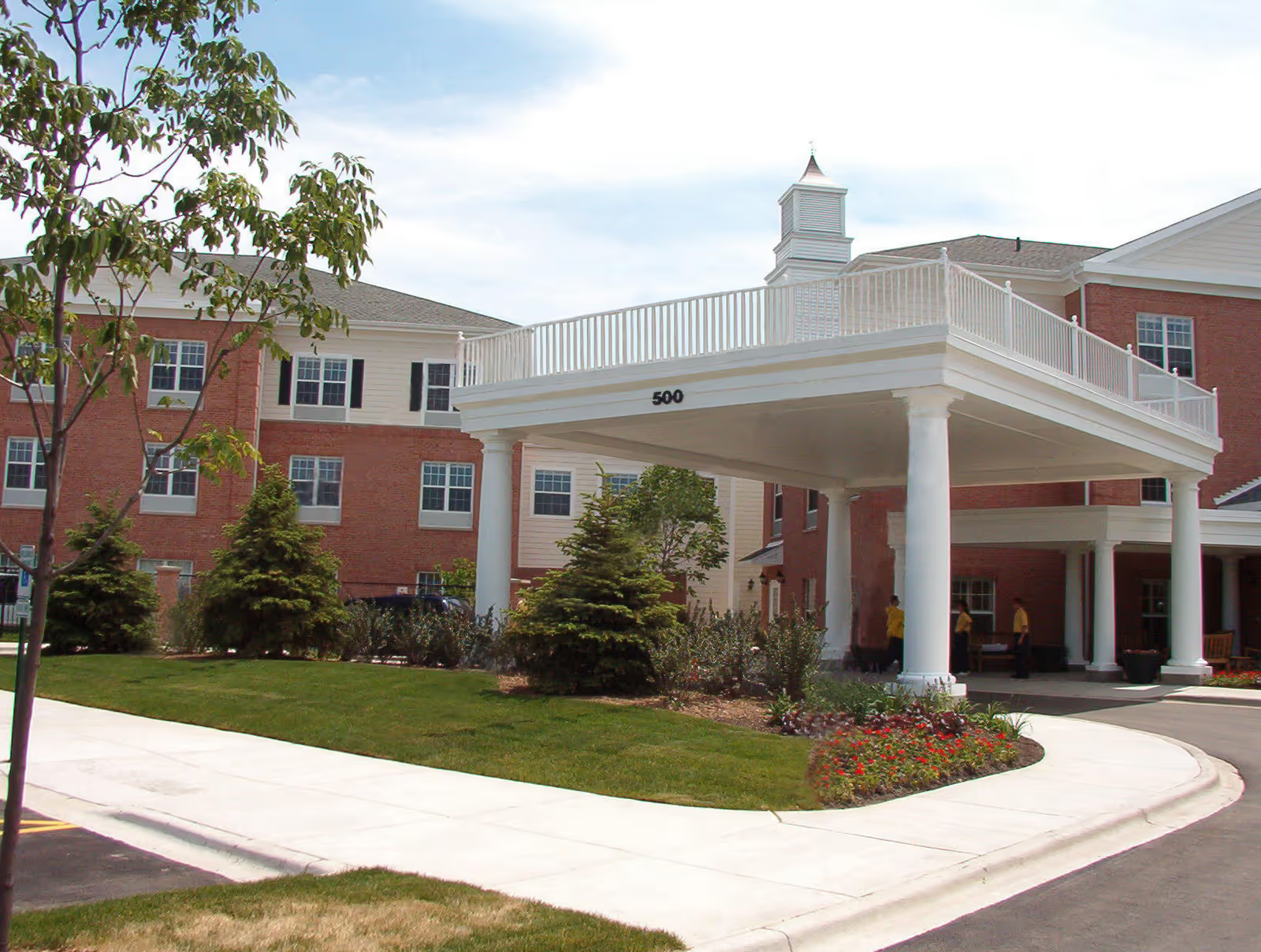
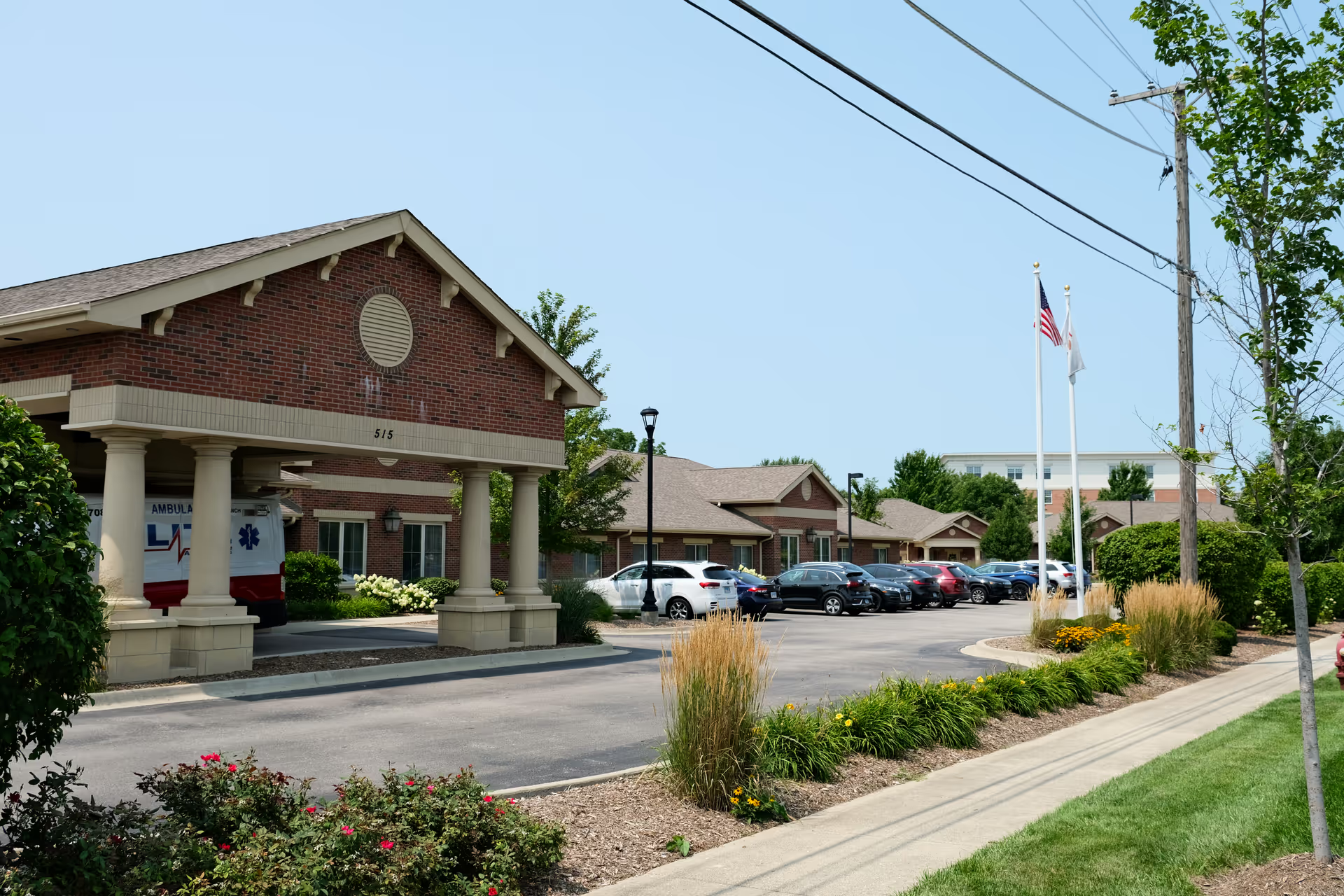
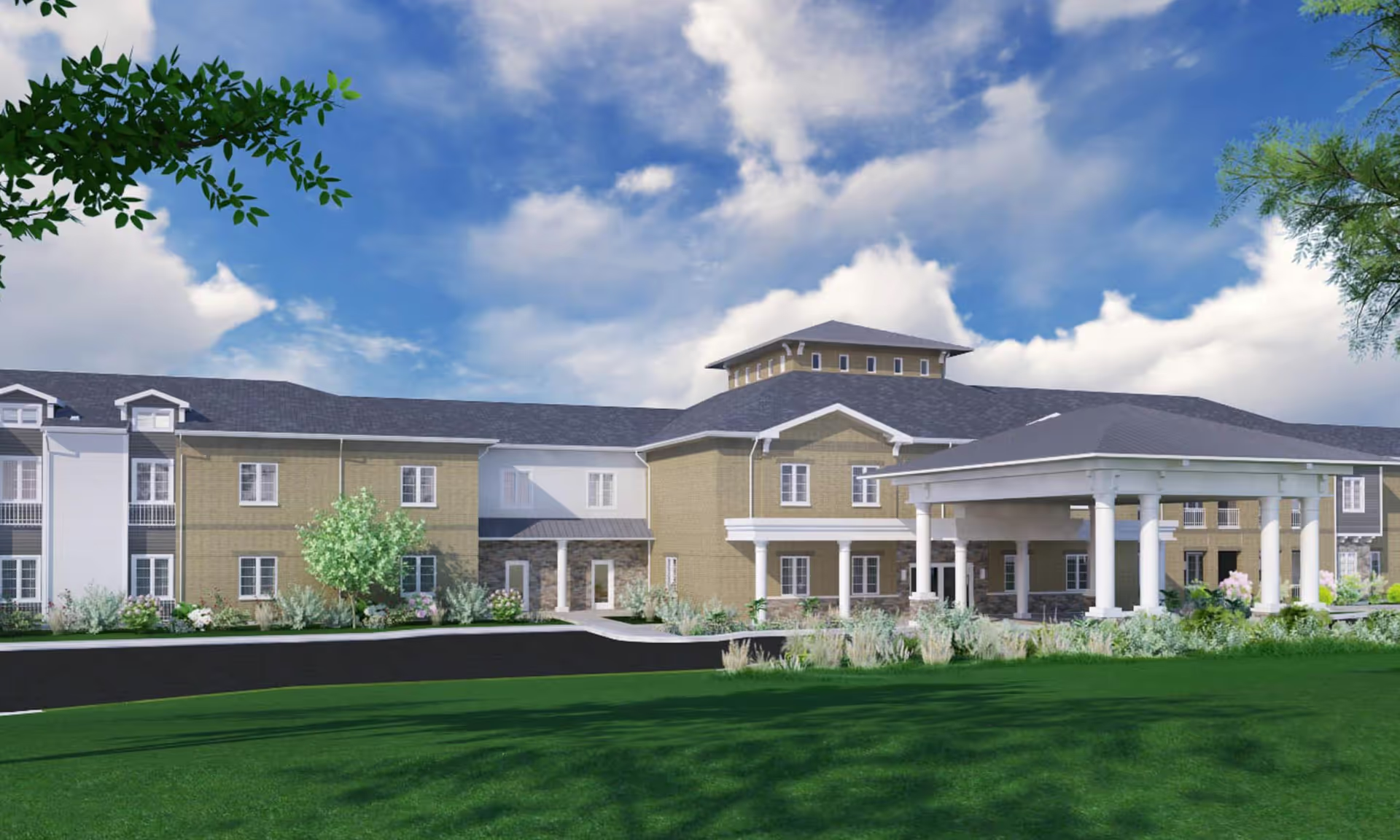
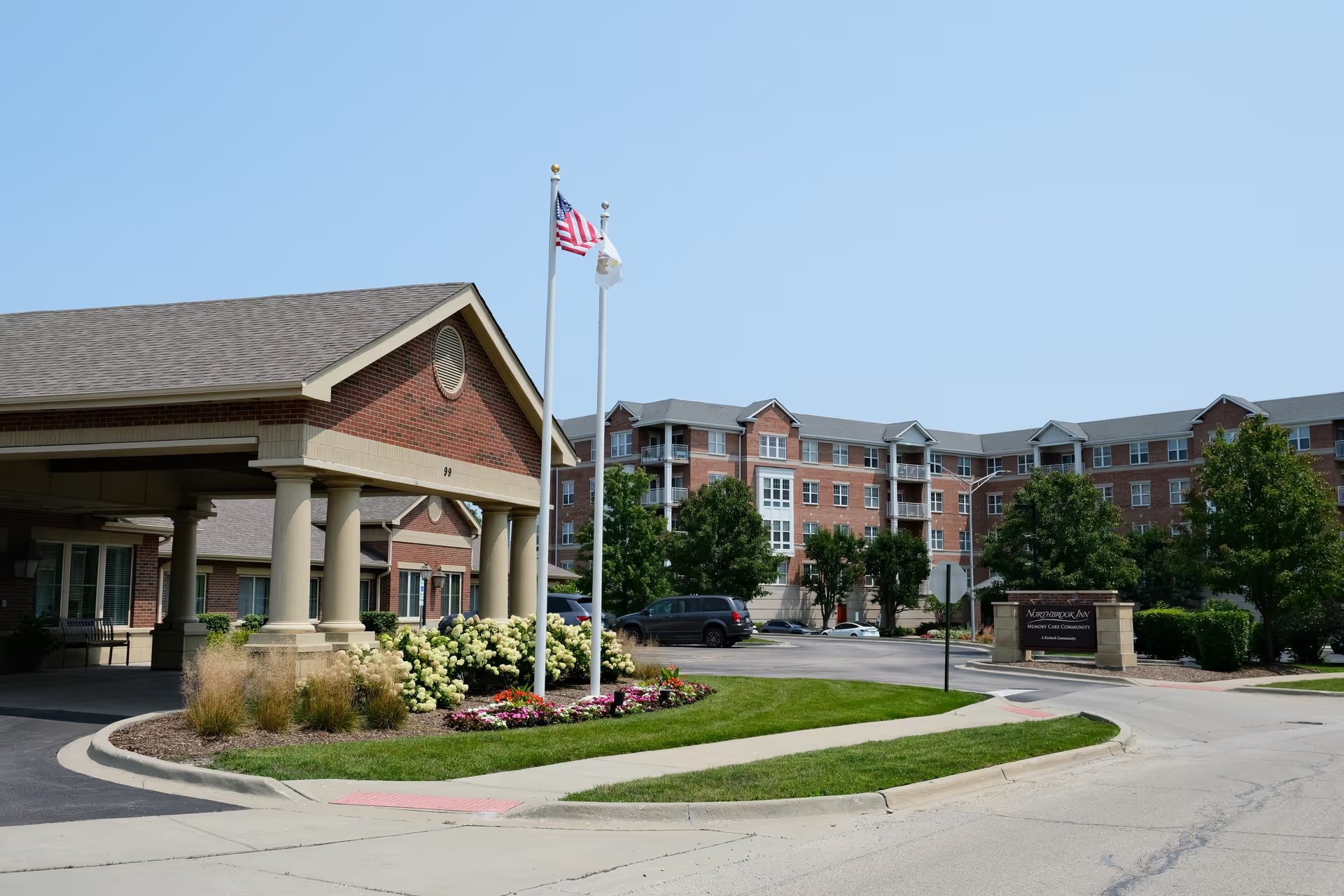
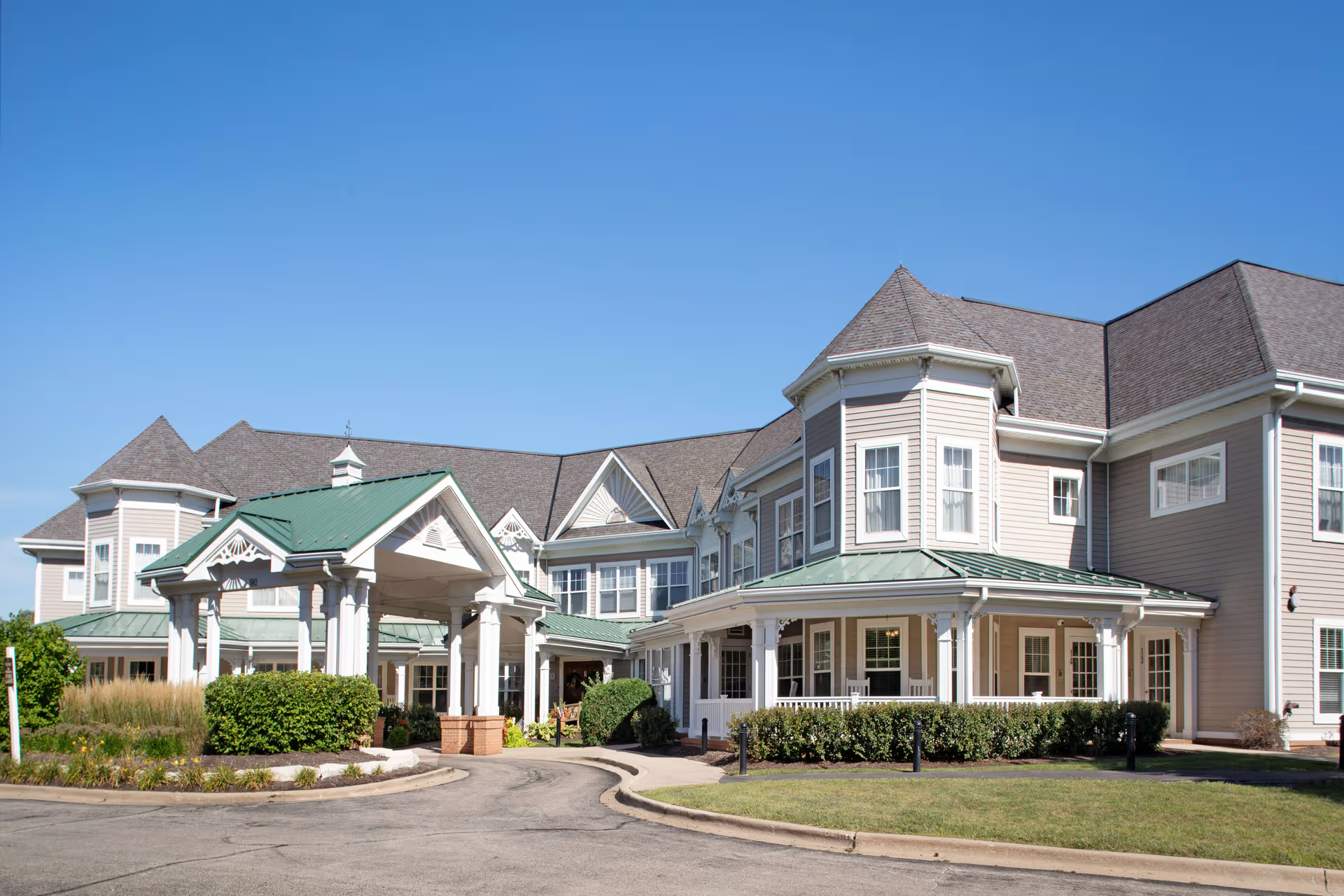
Facility condition is a mixed picture. The grounds, chapel, and many common areas are described as well-maintained and attractive, contributing to a tranquil setting. However, the building shell and some resident rooms are dated; reviewers referenced worn finishes, small room footprints in certain units, and maintenance variability including sanitation and housekeeping inconsistencies. Laundry handling and accountability for personal items also emerged as an operational concern.
Notable patterns for decision-makers: many families value the faith-based culture, available clinical services, and active programming, and they credit staff continuity and leadership for positive resident outcomes. Contrastingly, the most recurrent operational issues are older physical plant limitations, intermittent staffing and communication gaps (especially off-hours), inconsistent housekeeping/maintenance standards, and cost/transparency issues related to mandatory fees and billing. There are also serious individual-level allegations concerning theft and financial misconduct that warrant direct inquiry during touring and contract discussions. Prospective residents and families should tour multiple care areas, ask about weekend staffing, hospice protocols, fee schedules, laundry procedures, and recent maintenance/cleaning audits to balance the facility’s strong programmatic offerings against its operational constraints.