Beaumont Rehabilitation and Healthcare Center presents a mixed but predominantly positive profile for prospective residents and families. Many reviewers describe compassionate, respectful caregiving from nursing aides and nursing staff, strong social-work support, and proactive leadership that engages with families. The facility’s therapy and rehabilitation programs are frequently highlighted as a major strength: reviewers report successful therapy outcomes, a recently renovated rehab area with modern equipment, and therapists who encourage patient progress. Staff warmth and attentiveness — including helpful dietary, laundry and front‑desk teams — contribute to a generally welcoming atmosphere.
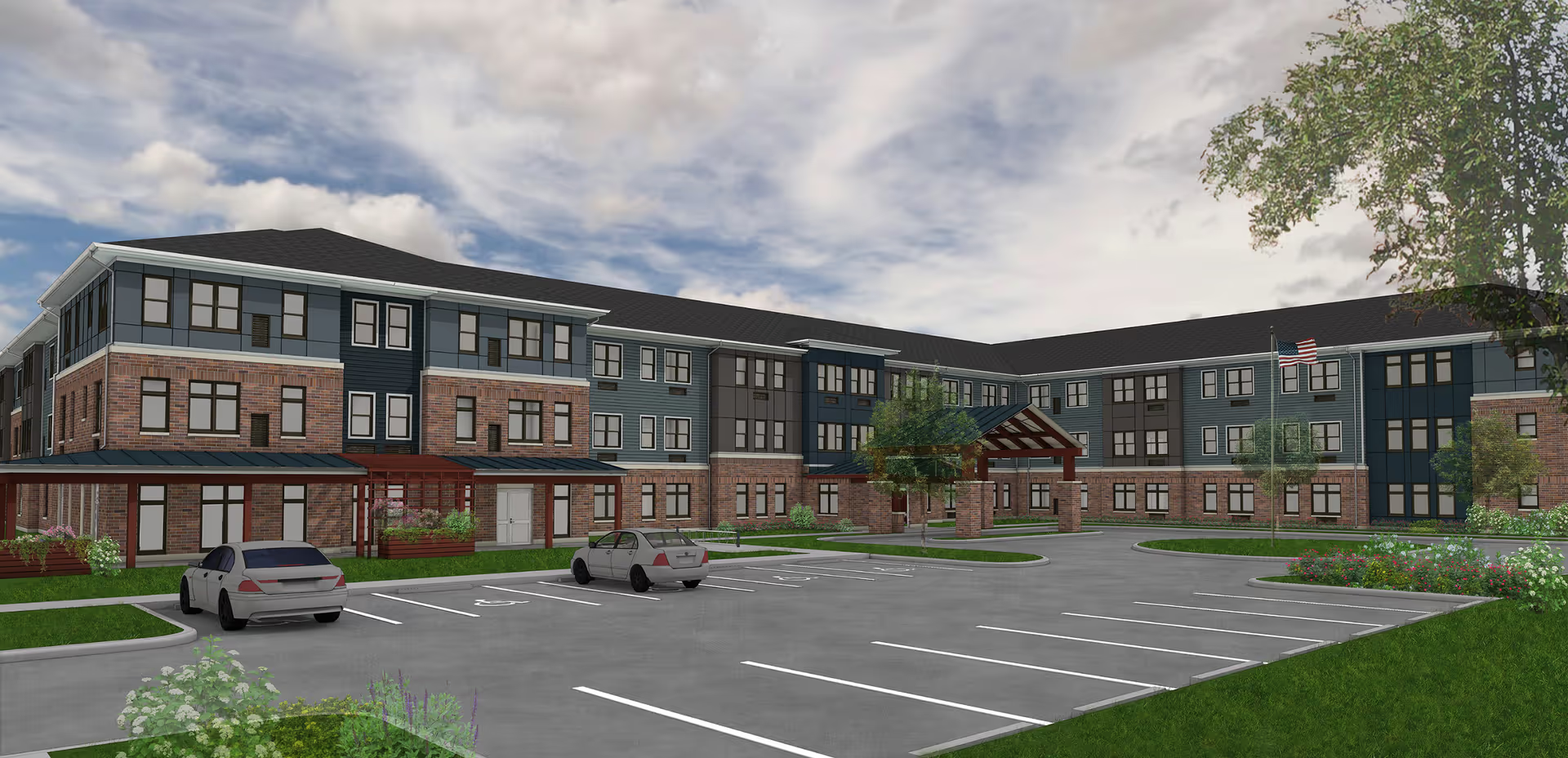
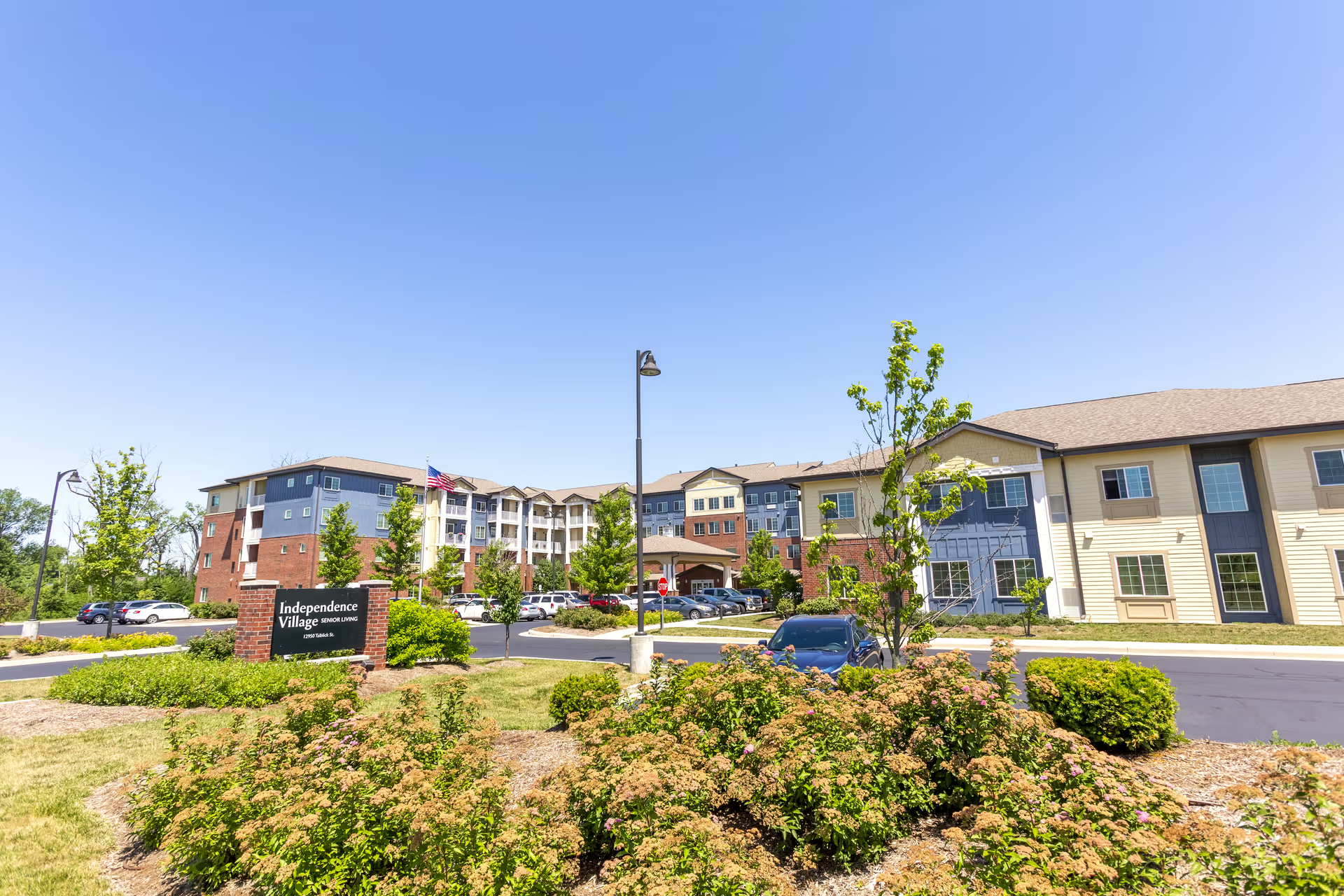
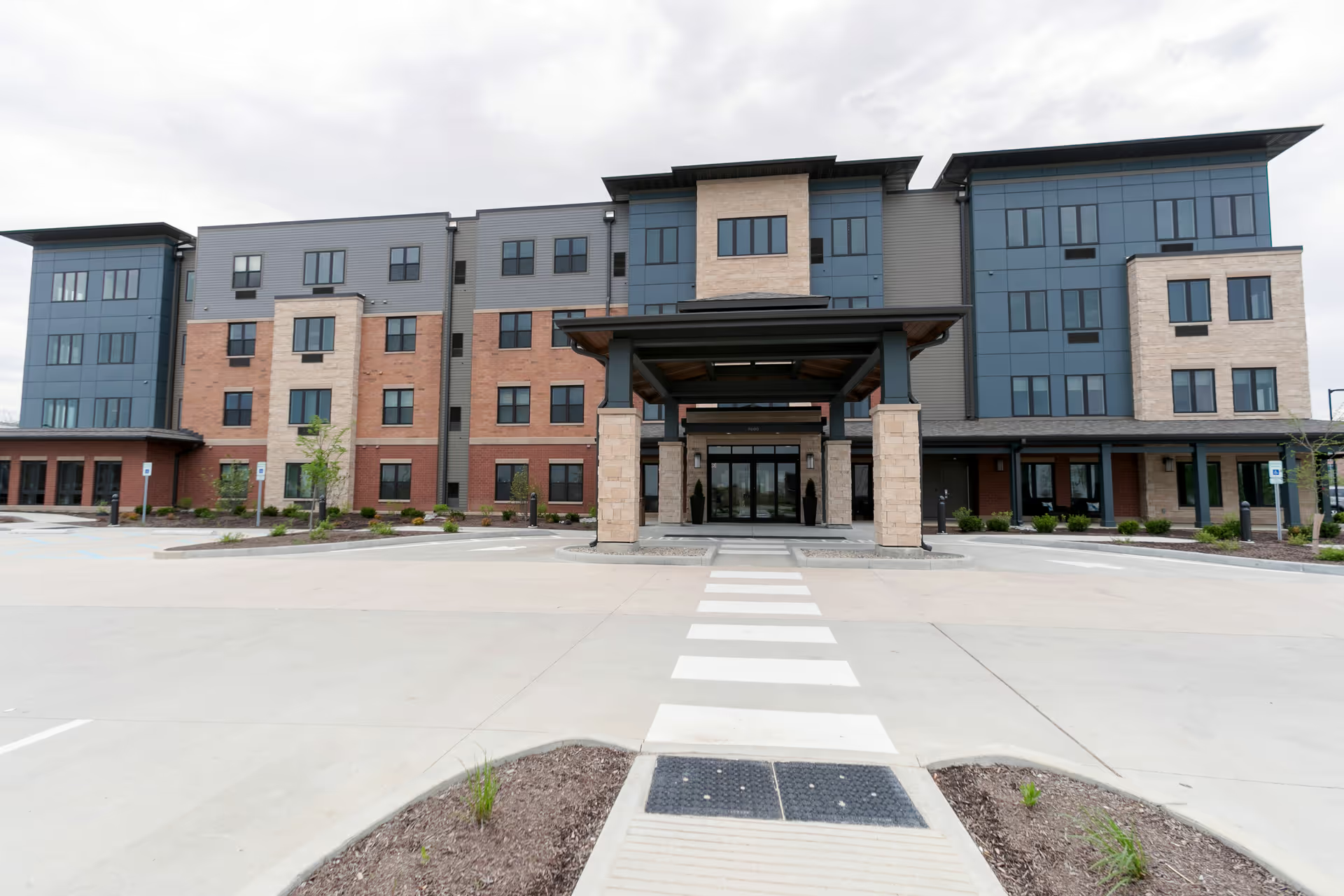
The physical environment is another consistent strength. Multiple accounts describe a clean, well‑maintained facility with pleasant common areas, roomy light-filled rooms that have been renovated to a hotel-like standard, and dedicated family gathering spaces. Activity programming receives positive remarks for variety and frequency, and staff are regularly noted as inviting and engaging residents in social and recreational offerings. Families caring for residents with dementia found staff understanding of Alzheimer’s needs and reported a reduction in aggressive incidents for some residents.
That said, a number of operational concerns surface across reviews and represent areas for improvement. Staffing consistency is a recurring theme: evening and weekend shifts are frequently characterized as understaffed or slower to respond, which can affect wait times and continuity of care. Relatedly, communication and care‑coordination gaps are noted — examples include missed appointments or delays in relaying clinical information — indicating room for stronger interdepartmental handoffs and family updates. Medication management and documentation were cited as problematic in several accounts, ranging from delayed administration to inconsistencies in records, suggesting the need for tighter medication-safety processes.
Dining and personal-care practices are uneven according to evaluations: while some families praise food and dining, others report inconsistent meal temperature and quality. Some reviewers also described irregularities in bathing and personal-care schedules and concerns about incontinence-care timeliness; these reflect operational tendencies rather than single incidents and warrant attention. Additional themes include limitations around transportation and coordination with outside providers, occasional restrictive visitation or access-control experiences, and isolated but serious allegations concerning staff conduct and property loss. Facility leadership changes and responsive administrators were repeatedly mentioned, and several reviewers credited new management with listening and initiating improvements.
In summary, Beaumont demonstrates clear strengths in rehabilitation services, compassionate frontline caregiving, cleanliness, and activity programming, with an engaged social-work and therapeutic team. Prospective residents and families should weigh these positives against documented operational weaknesses: staffing variability across shifts, communication and medication-safety gaps, and inconsistent meal and personal‑care practices. Families considering Beaumont may find it beneficial to discuss staffing patterns for specific units and shifts, medication-safety protocols, and visitation/transportation arrangements with administrators during the placement process.