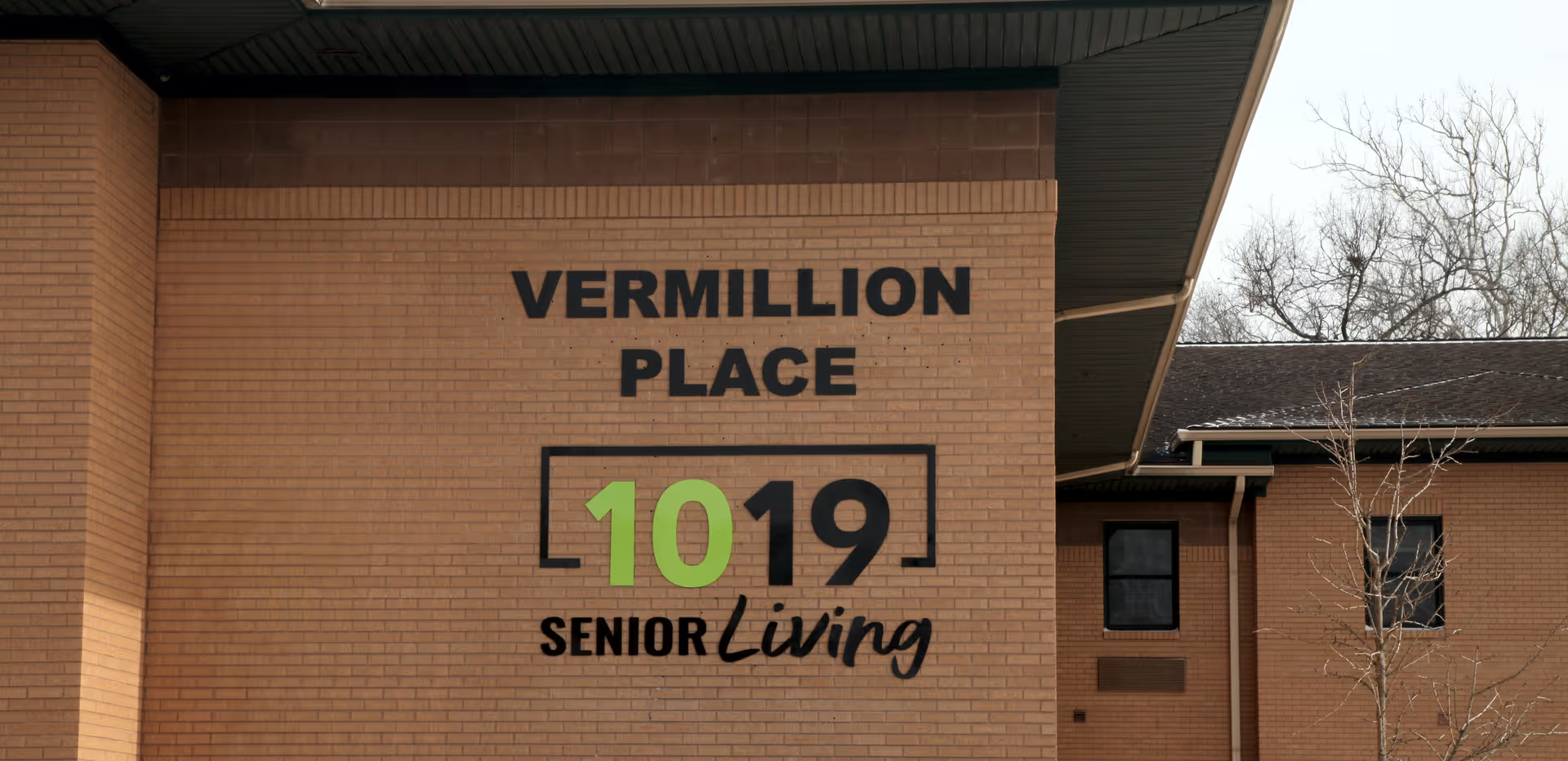
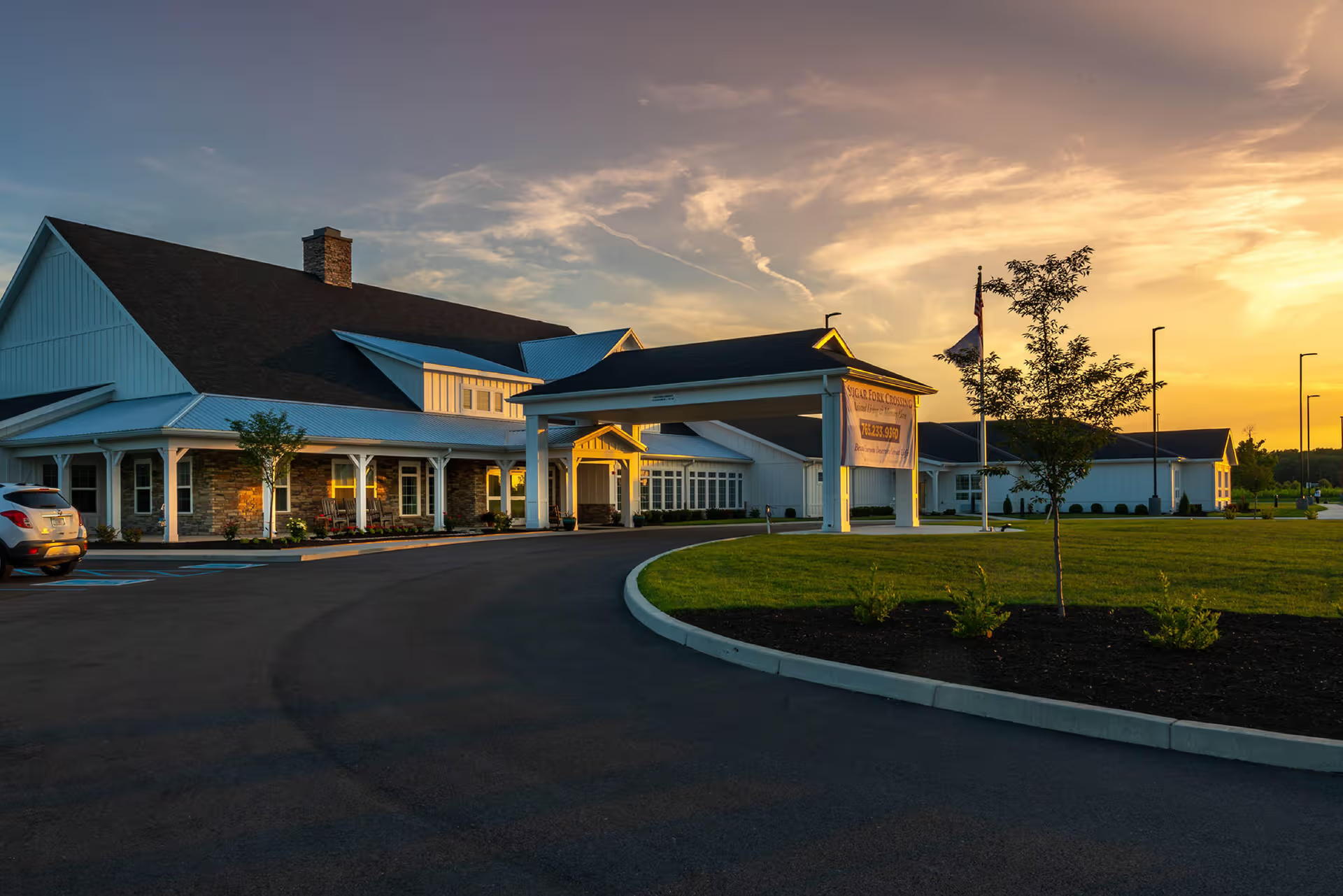
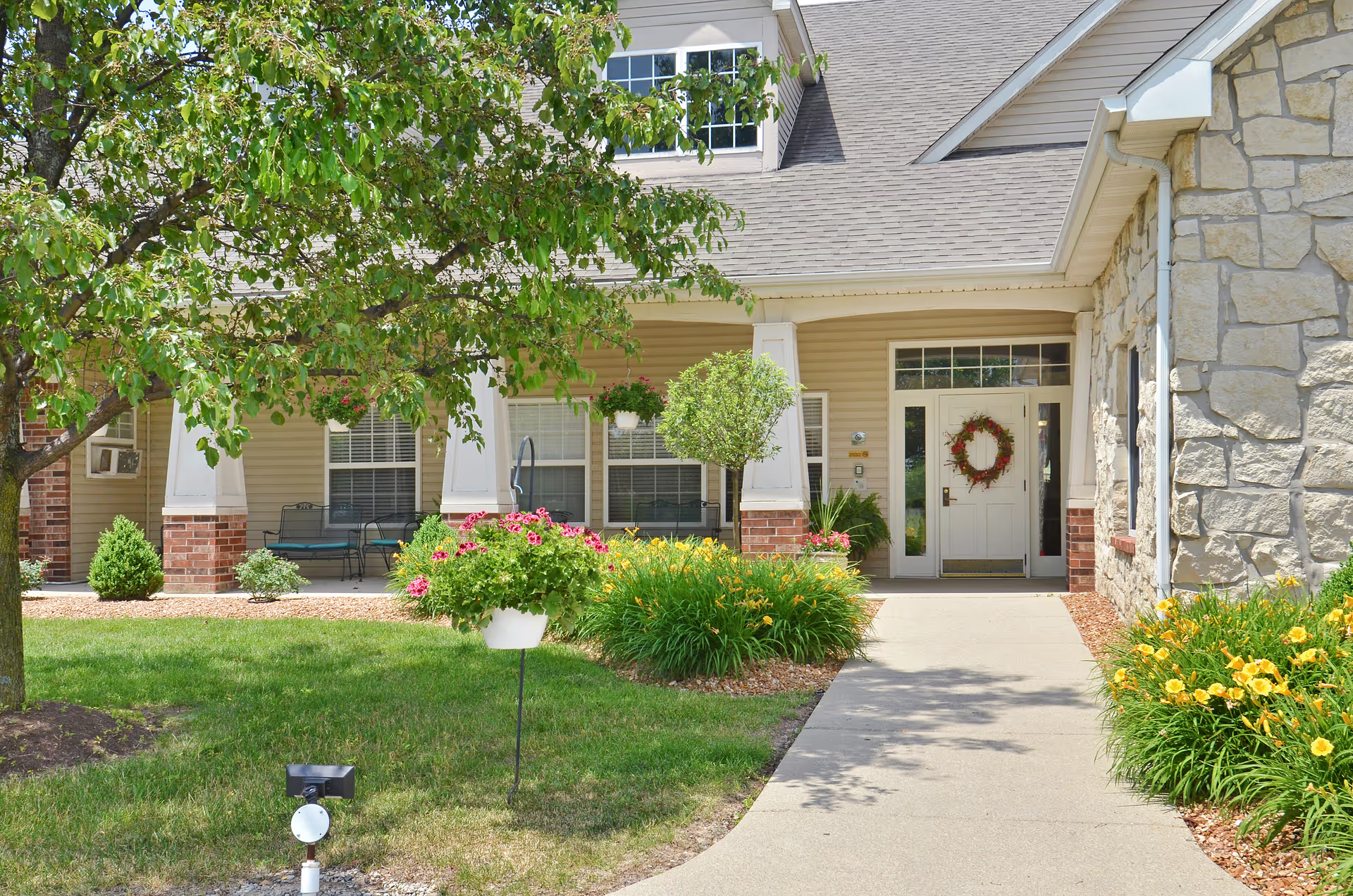
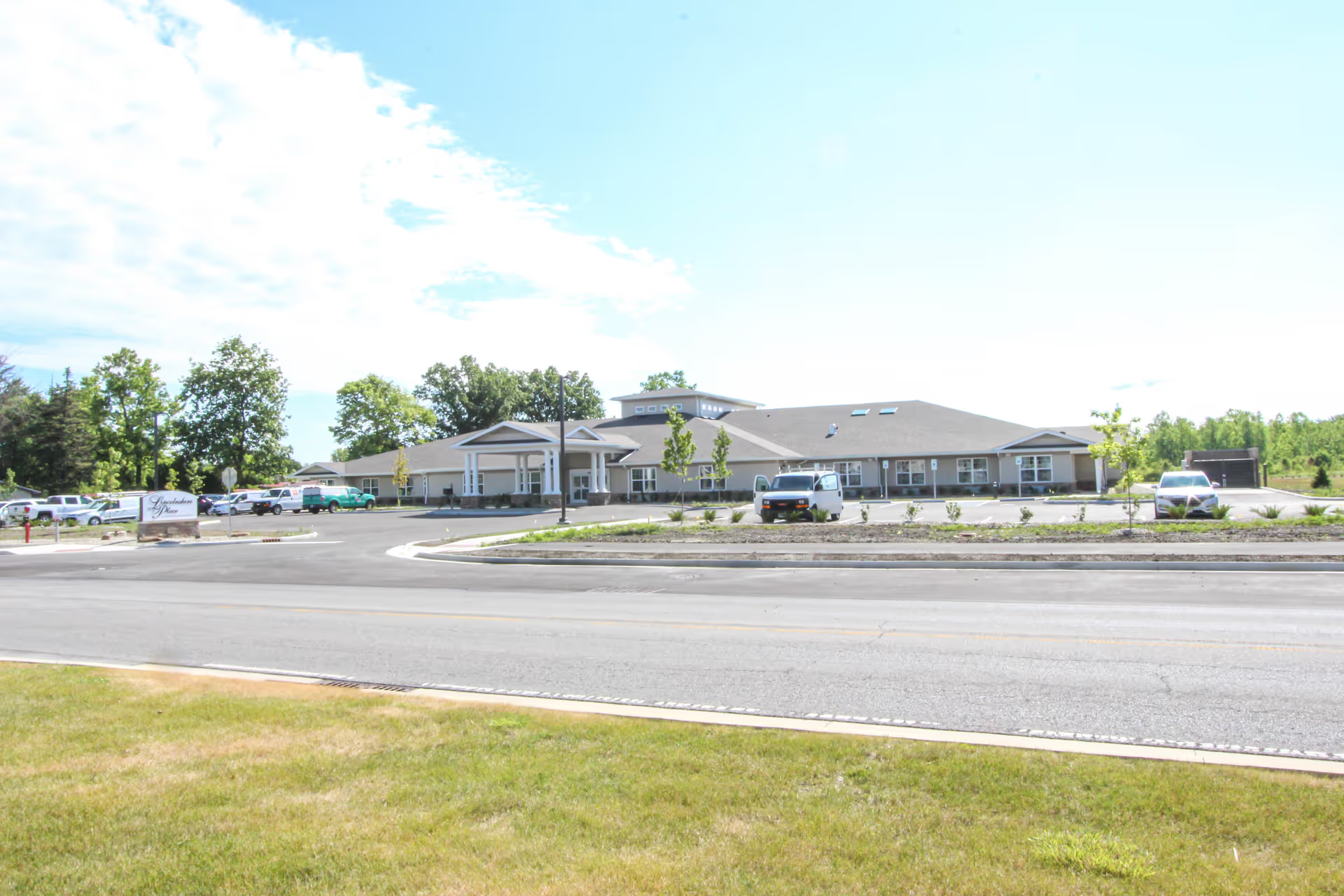
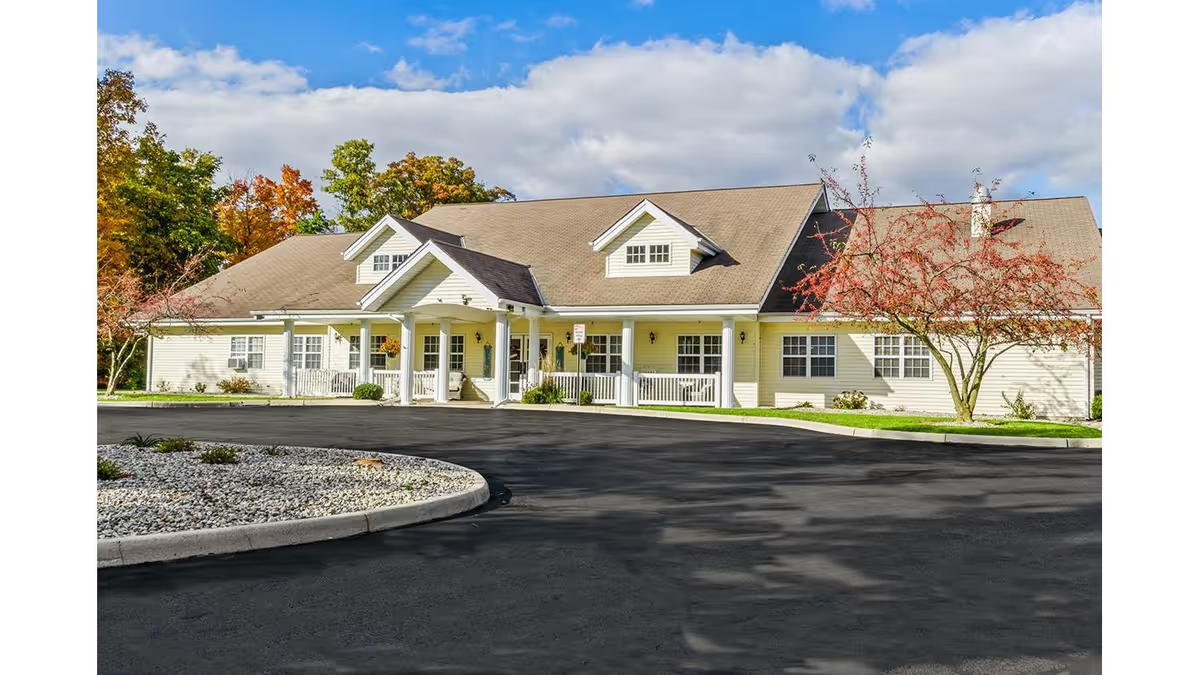
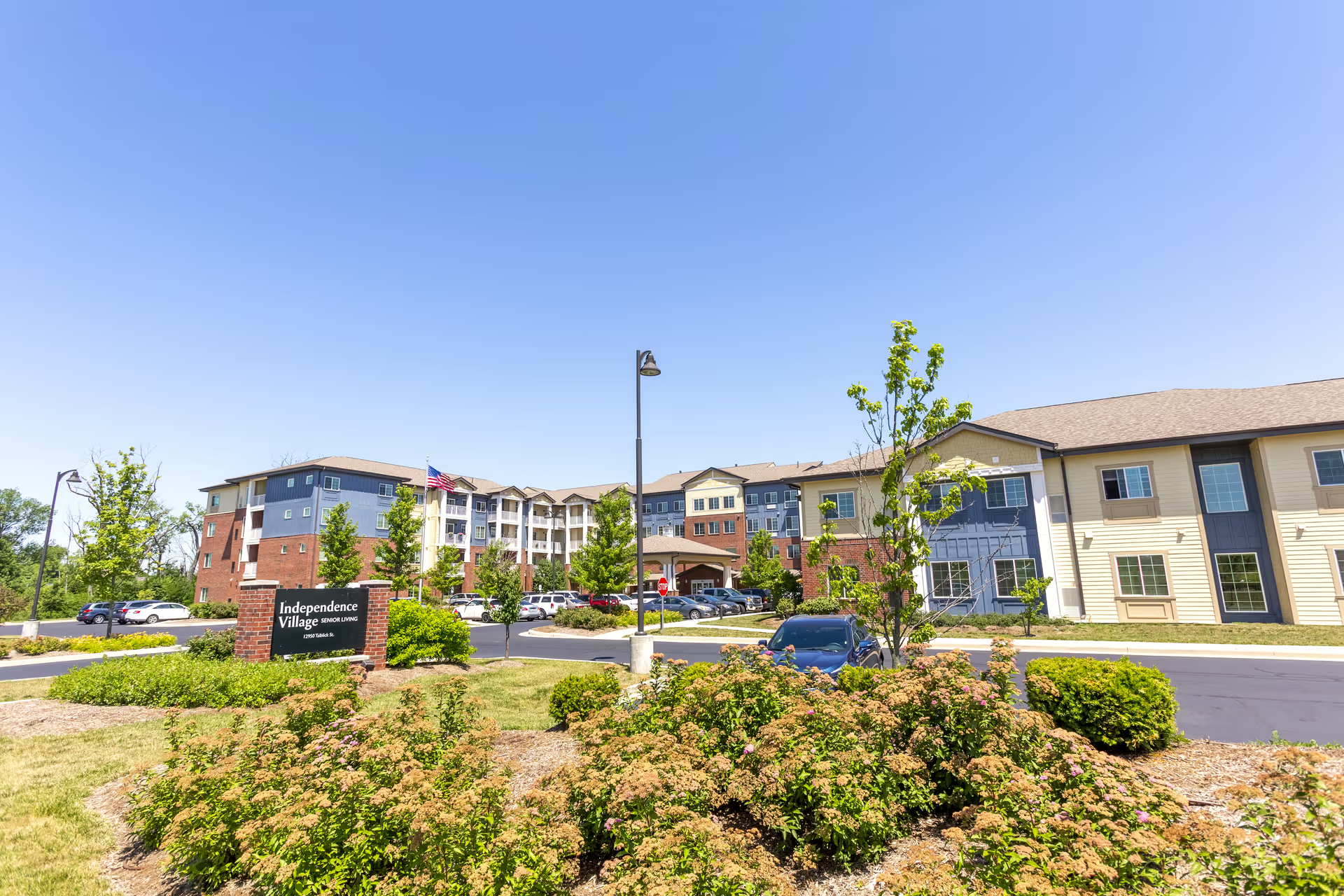
The reviews present a mixed but consistent pattern: the facility has undergone visible physical improvements and has active therapy capabilities, yet operational and clinical concerns continue to influence family experiences. Many comments praise recent renovations, large private rooms, a new therapy gym, and individual therapy staff who achieve positive rehab outcomes. Those positives are strongest in therapy and in interactions with specific caregivers and aides who are described as compassionate and personable.
Care quality shows substantial variability. Positive accounts describe skilled therapists, effective care planning, and staff who treat residents like family. At the same time, multiple reviewers describe chronic understaffing, frequent use of agency nurses, and inconsistent staff training. These operational limitations are associated with delayed responses to call lights, inconsistent bathing and basic personal-care schedules, and uneven attention to resident hygiene and comfort. Families should expect that day-to-day care quality may depend heavily on staffing levels and which team is on duty.
Safety and clinical response concerns appear in several reviews. There are statements of delayed emergency response and problems with timely intervention for acute events; there are also serious claims that include allegations of medication theft and document tampering and references to regulatory inquiry. Those are significant issues to verify directly with the provider and through state inspection records. Reviewers also described communication gaps around end-of-life events and funeral coordination, indicating opportunities to improve family communication and bereavement processes.
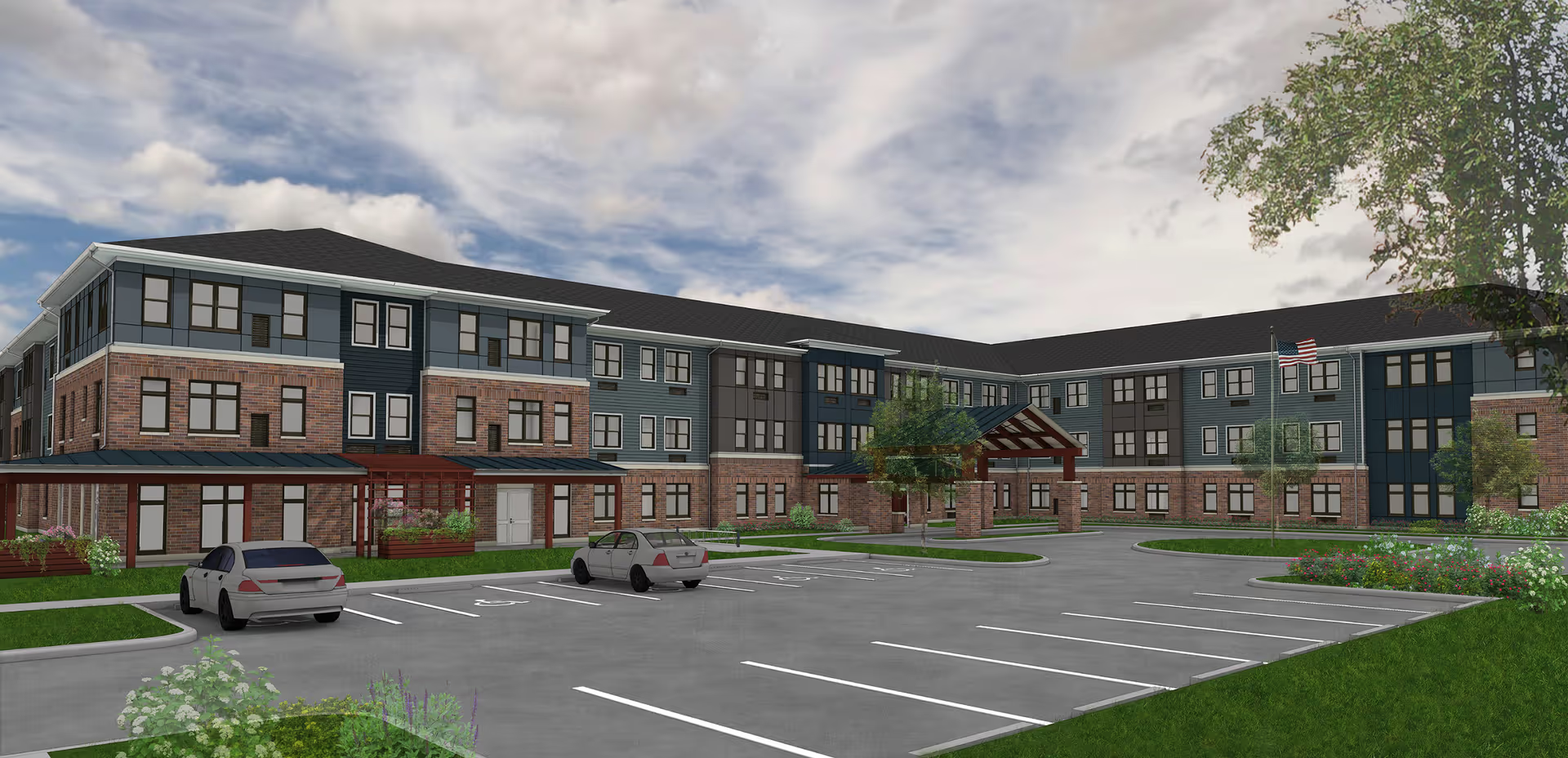
Facility condition and housekeeping are described in contrasting terms. Renovation work and refreshed common areas receive praise and are cited as improving the atmosphere. Conversely, reviewers also described ongoing maintenance problems such as roof/ceiling damage and spotty cleaning or sanitation issues in some areas. Prospective families should assess both the renovated units and any wings still awaiting updates, and ask about maintenance schedules and pest-control or sanitation protocols.
Dining and activities are uneven. Some residents and families find meals unappealing or nutritionally inconsistent, while others mention a welcoming, home-like ambiance and engaging activities. The therapy program is a clear strength for those admitted for rehabilitation; families prioritizing rehab services may find the facility suited to their needs. For long-term residents, dining consistency and activity programming appear to be more variable.
Management and communication are recurring themes. Reviewers note scheduling errors, missed deliveries, weekend service gaps, and perceived distance of corporate management from day-to-day operations. Cost concerns were raised relative to perceived value. Positive reports link better experiences to engaged local leadership and stable staffing; negative reports coincide with times of high turnover or transition.
Recommendations for prospective families: visit the unit at different times of day, ask for the current staffing ratios and agency-staff use, request recent inspection and incident records, review medication-handling and documentation policies, and evaluate both renovated rooms and areas still under construction. Inquire specifically about emergency-response protocols, bathing and hygiene schedules, housekeeping standards, and how the facility supports family communication during critical events. These targeted questions will help determine whether the facility’s recent improvements align with consistent, reliable day-to-day care.