Primrose Retirement Community of Anderson is consistently described as a well-kept, hospitality-oriented assisted living community with particular strengths in staff engagement and facility upkeep. Reviewers emphasize a culture of warmth and personalized attention: caregivers are characterized as compassionate, knowledgeable, patient, and adept at connecting with both residents and families. Multiple comments highlight 24-hour nursing availability and an environment that feels secure and home-like, which supports both assisted living and memory-care needs where applicable.
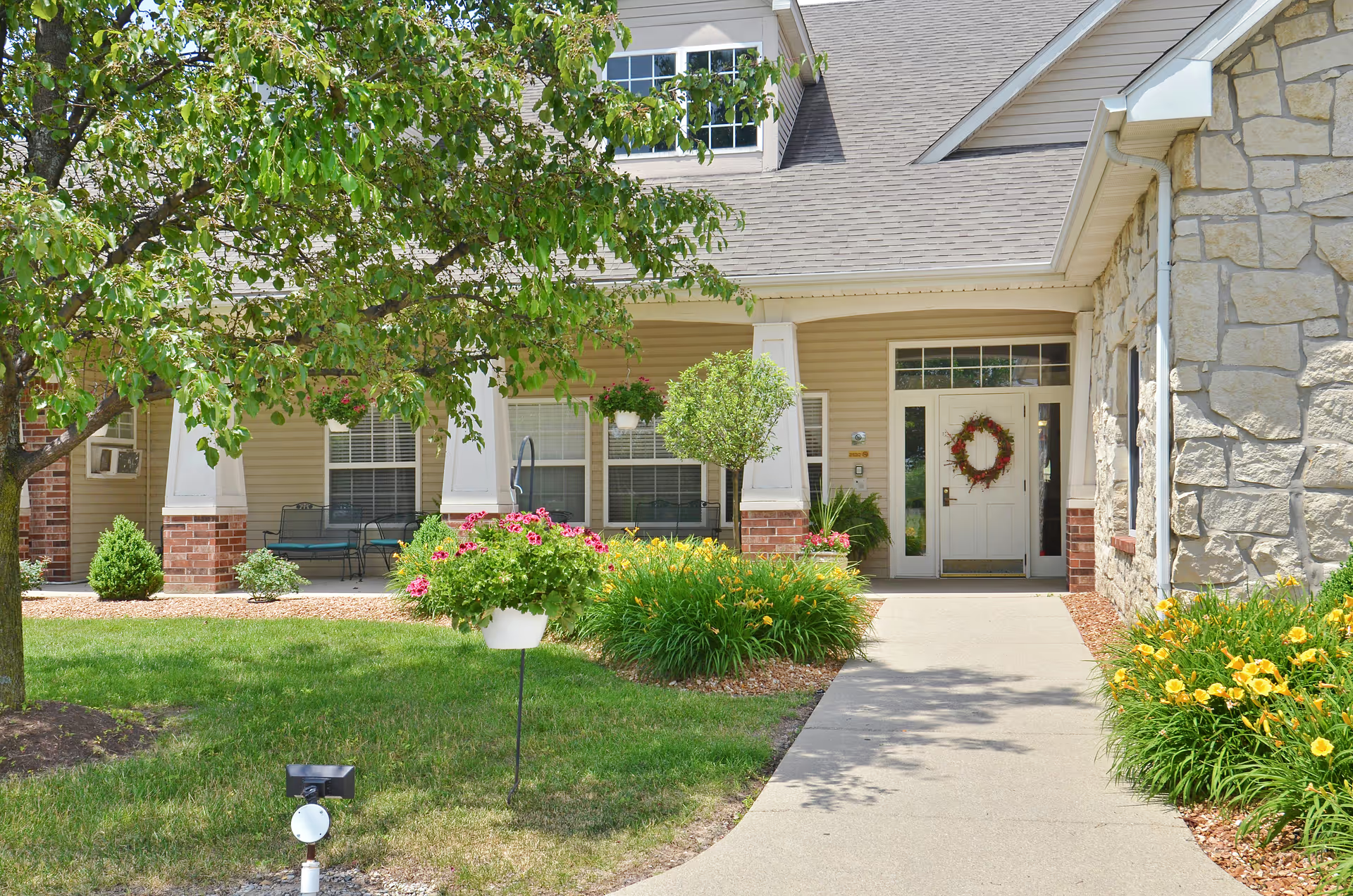
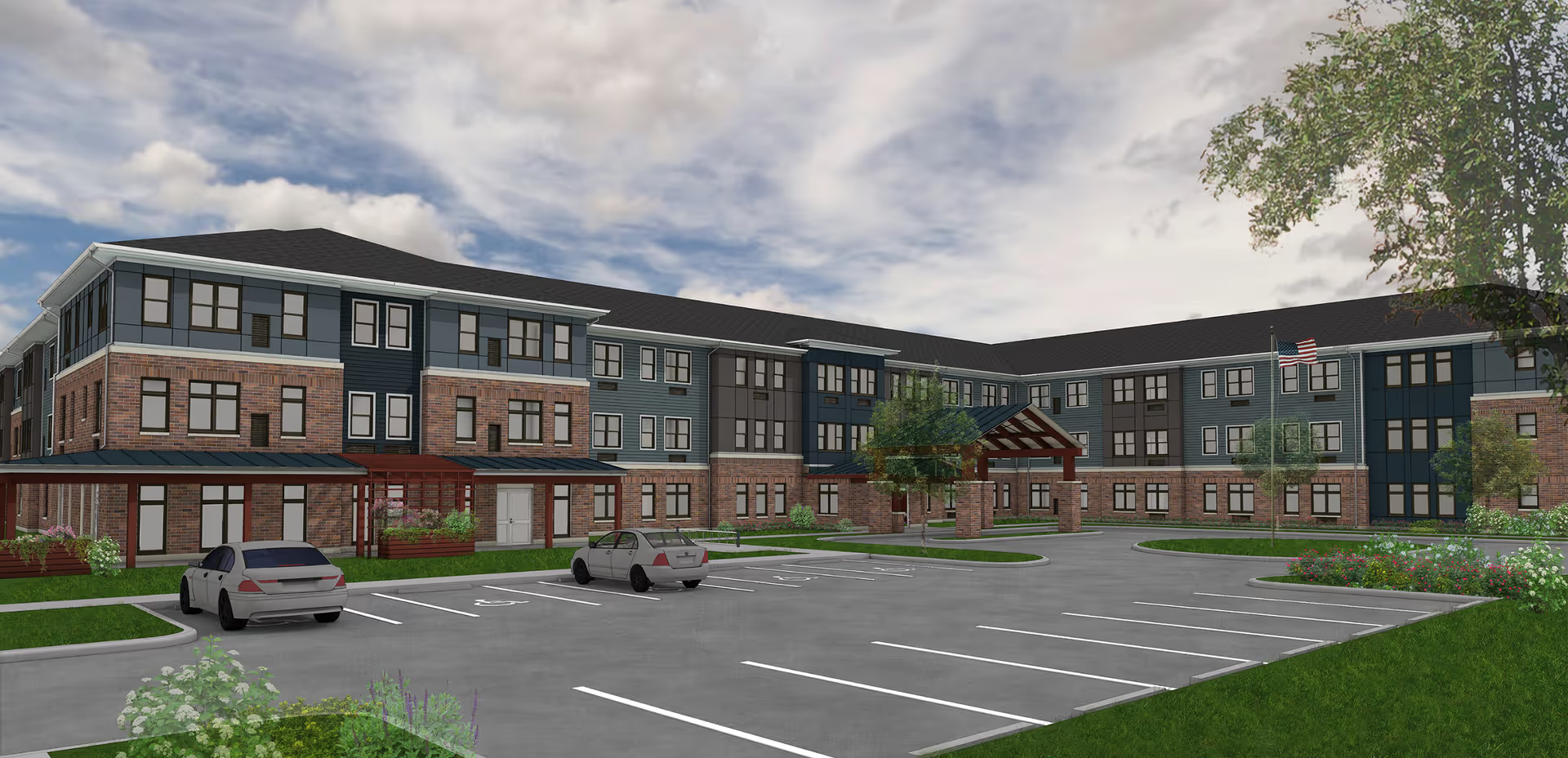
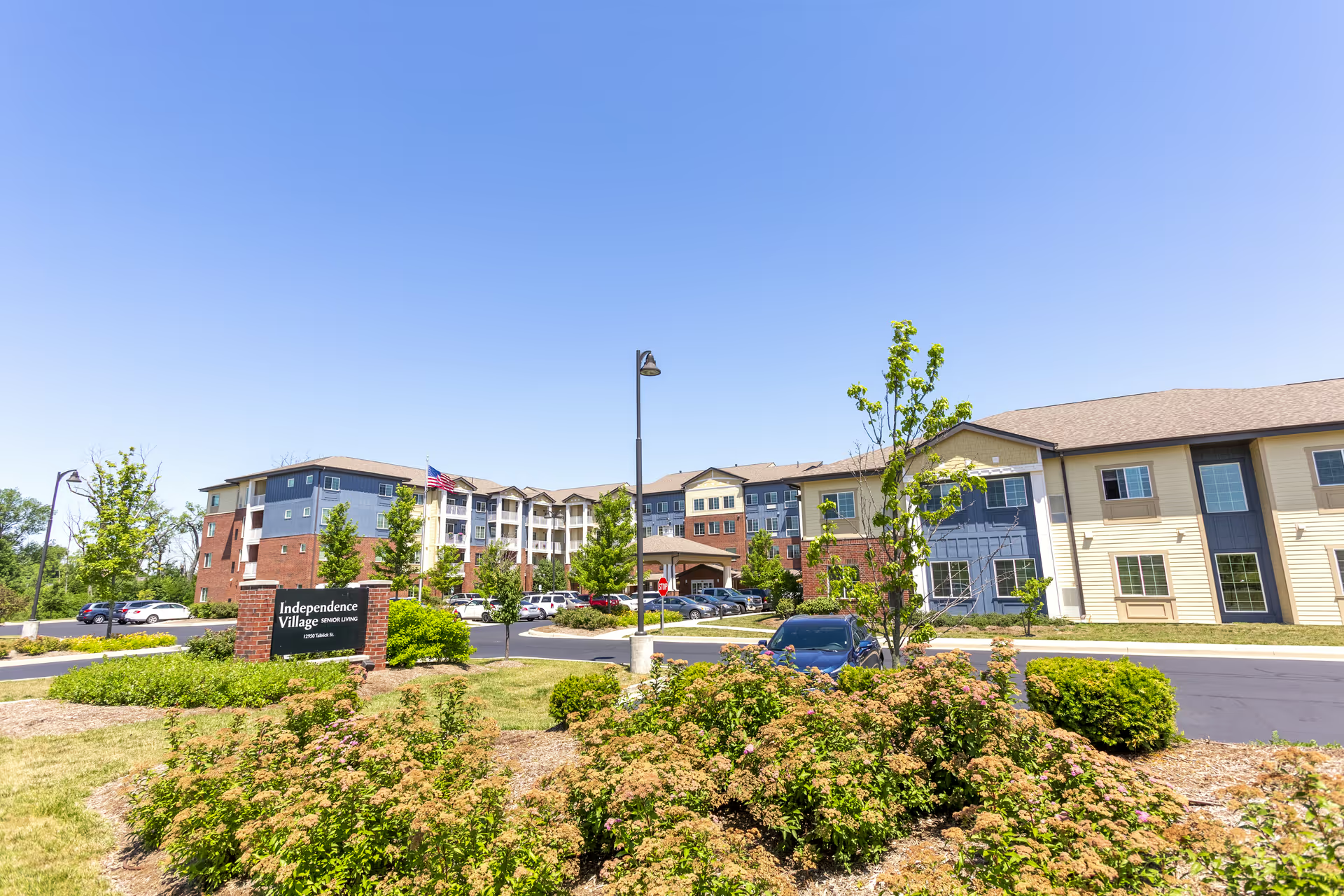
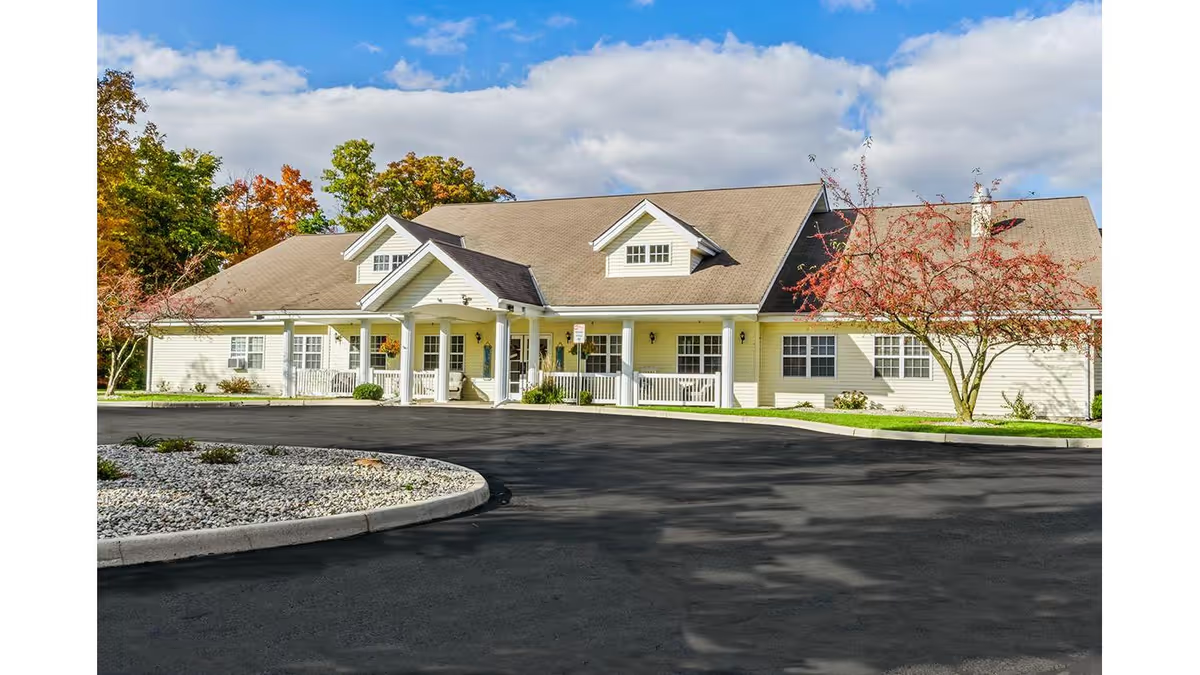
The physical plant and amenities are a frequent selling point. Apartments are described as comfortable and well-appointed, with features such as full kitchens, in-unit laundry, and call buttons in every room. Common areas and grounds are regularly noted as clean and attractive; dining spaces are described as pleasant, with meals provided and additional on-site amenities including a library and an ice-cream parlor. Outdoor access — including an enclosed outdoor area and walking trail — and transportation services add to resident mobility and social opportunities.
Programing and social life are presented as strengths on paper: reviewers listed a range of activities such as bingo, movies, and social pub gatherings. However, activity visibility and participation appear variable; some observers did not encounter active programming during their visits, suggesting that engagement levels may depend on timing or specific staffing. Management and sales leadership receive positive mentions, with particular staff members and the sales director singled out for effective communication and responsiveness to families.
Areas to weigh carefully when considering Primrose Anderson include the cost structure and the scope of long-term care options. The community is perceived as relatively expensive and does not accept Medicaid, which can limit affordability for some families. There is also mixed indication about the continuum of care available — prospective residents should confirm whether the facility can meet evolving clinical needs over time. Finally, a few operational details such as package/mail handling and occasional variability in observed activities were noted as opportunities for improvement. Overall, the pattern across reviews points to strong caregiving and a well-maintained environment, with cost and care-continuum clarity as key decision factors for prospective residents and families.