Overall impression: Reviews reflect a highly variable experience across units and over time. Many families describe strong clinical rehabilitation and memory-care capabilities—notably skilled physical and occupational therapy and positive short-term rehab outcomes—alongside a cohort of highly engaged, compassionate caregivers. At the same time, a substantial portion of feedback highlights recurring operational problems that meaningfully affect day-to-day resident well‑being.
Care quality and clinical issues: Clinical strengths include effective therapy teams and instances of attentive nursing that support return-to-home goals. Conversely, reviewers describe inconsistent daily nursing and aide care: delays in medication administration, gaps in wound and skin‑care follow-up, incontinence‑care delays with resultant skin irritation, and occasional failures in transfer and lift safety. Several accounts describe hospital transfers and care-plan disruptions; a few raised concerns following a resident's death and associated dispute. The pattern suggests care quality may depend heavily on unit staffing and individual caregivers rather than standardized processes.
Staff and communication: Staff performance is polarized. Numerous comments praise kind, knowledgeable, and responsive CNAs, nurses, and therapists who provide reassurance and detailed attention. However, other reports document understaffing, frequent turnover, limited weekend coverage, staff distraction, and examples of staff being difficult to reach. Family communication is frequently cited as insufficient—delayed or unclear updates, slow responses to questions, and inadequate advance discussion of care-plan changes and consent. These communication gaps amplify perceived clinical lapses.
Dining and dietary accommodations: Dining feedback is mixed. Some families find menus varied and acceptable, while others report cold meals, inconsistent meal preparation, and failure to accommodate allergies or intolerances. The variability in meal quality and in the facility’s ability to reliably meet dietary restrictions is a recurrent concern and an area to confirm during a tour or intake planning.
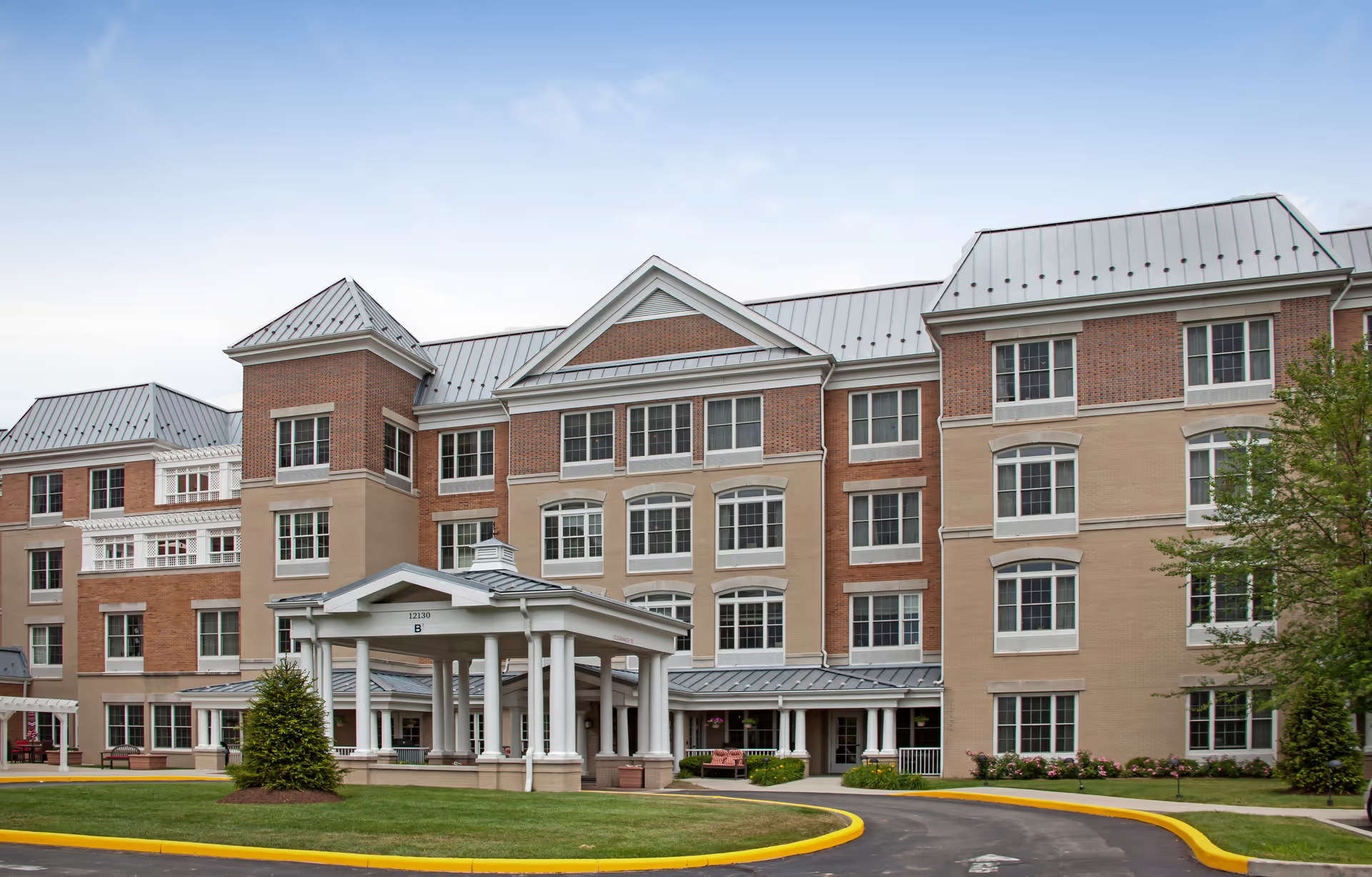
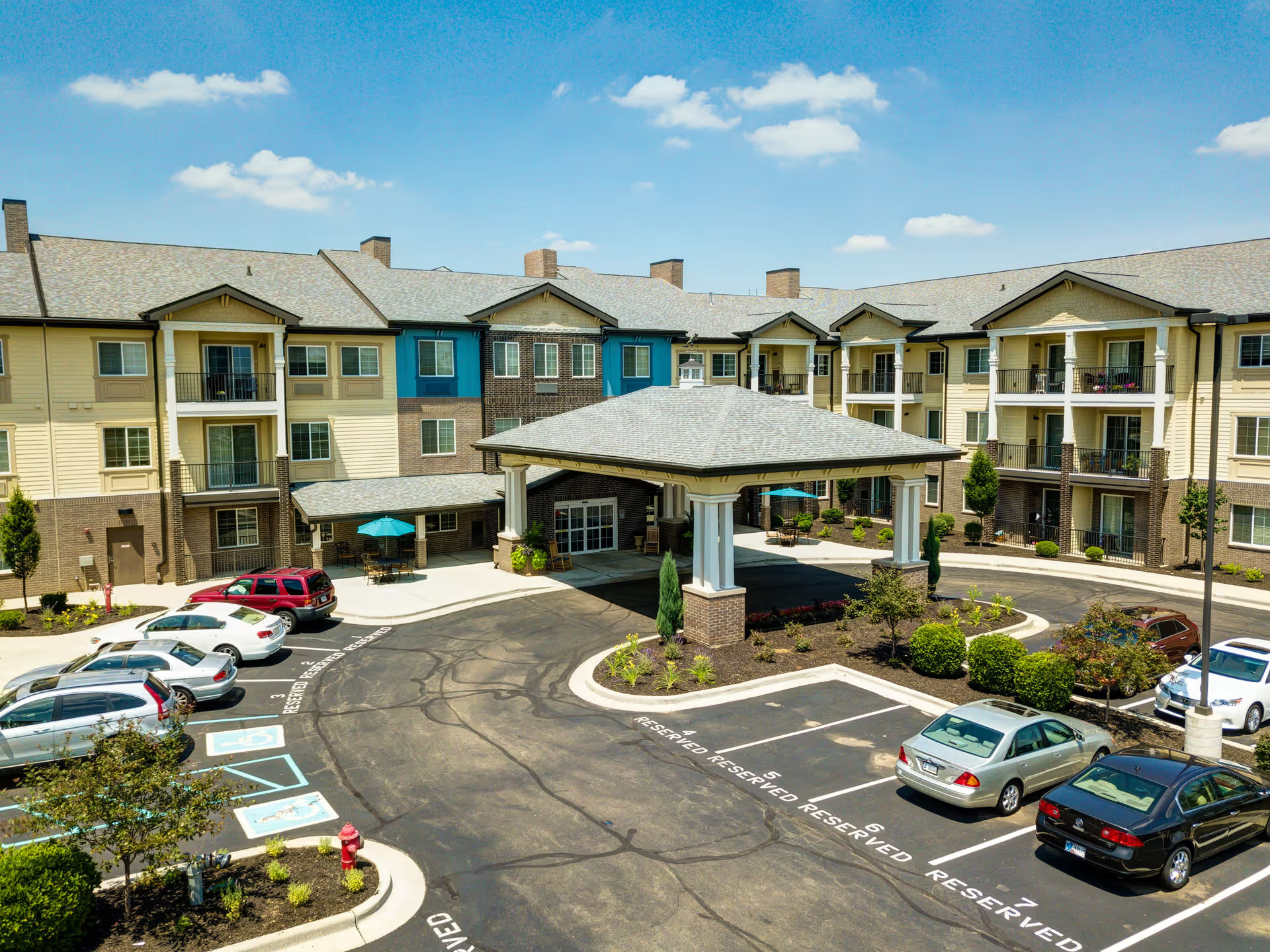
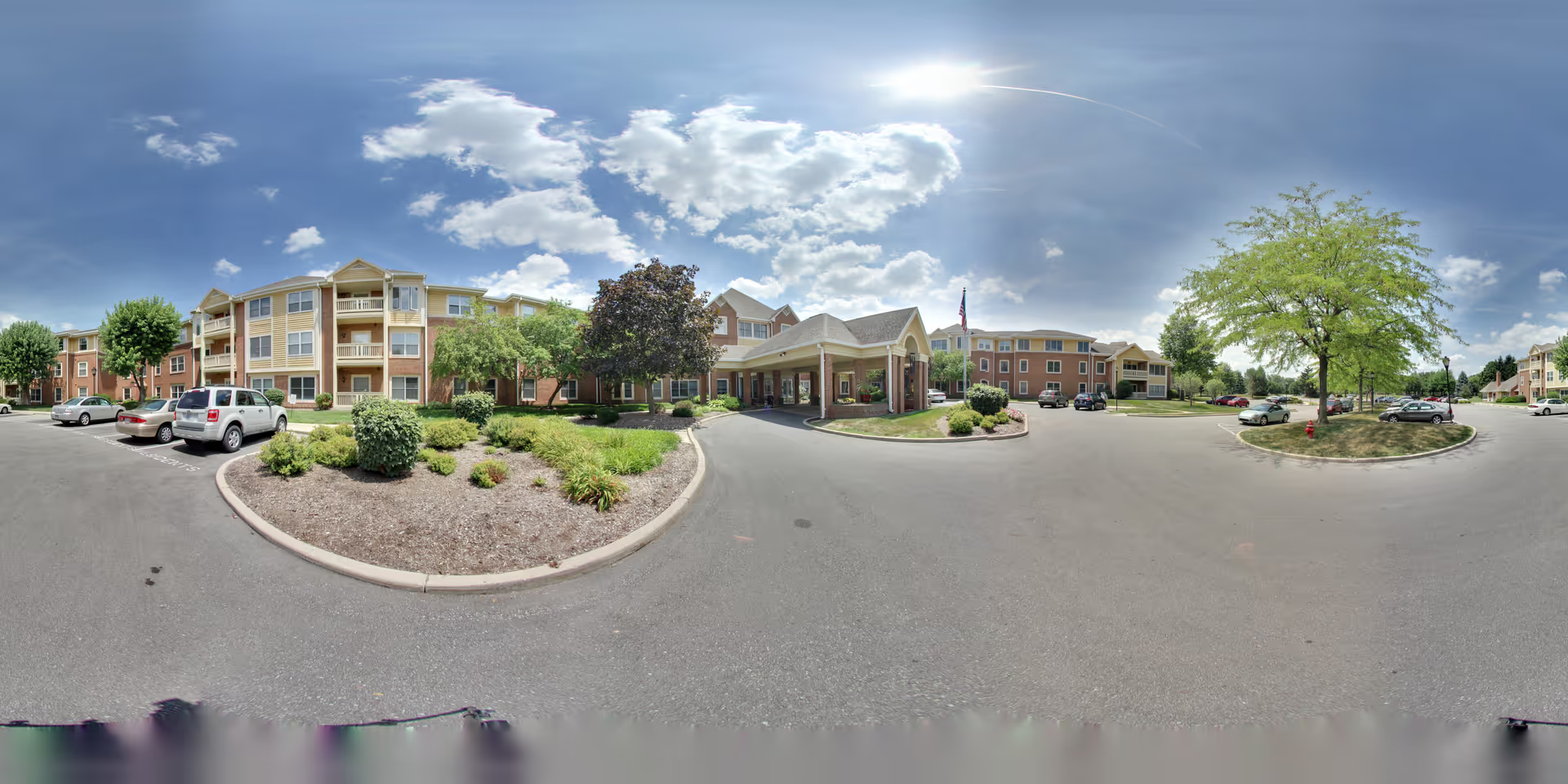
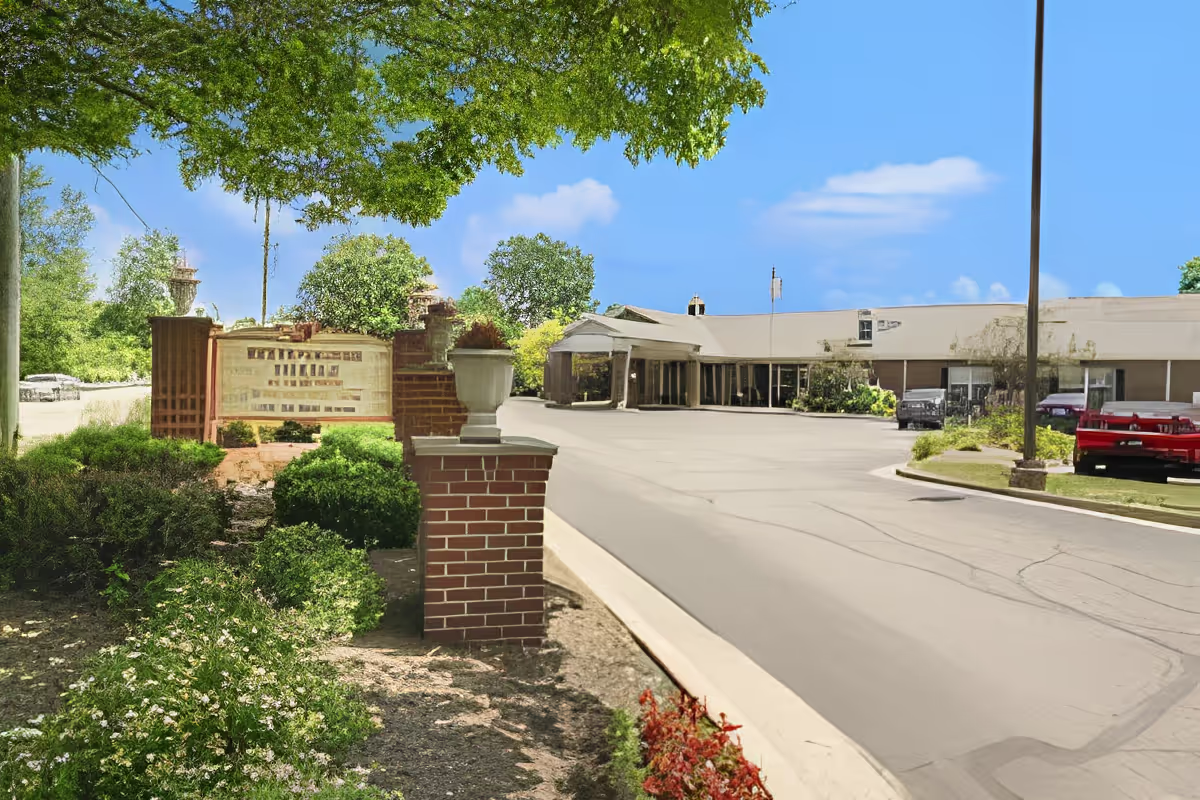
Activities and environment: Positive comments emphasize active social programming, opportunities for socialization, and pleasant outdoor courtyards. Memory-care units are often singled out for improved programming and compassionate staff. Facility physical condition varies: there are renovated wings and private rooms that residents and families appreciate, but other areas reflect an older building with uneven housekeeping and sanitation standards.
Management, administration, and financial practices: Administrative experiences are mixed. Admissions and certain business‑office staff receive praise for responsiveness and assistance with transitions. At the same time, there are repeated allegations of billing errors, surprise charges, and assertive collection practices, including at least one mention of legal action or lien threats. Management transparency and responsiveness to complaints are noted as inconsistent; some reviewers describe active resolution, while others report unresolved grievances.
Notable patterns and guidance for prospective families: The dominant pattern is high variability—excellent care and rehabilitation when staffing and leadership are aligned, and significant operational weaknesses when they are not. Key areas to evaluate in person include staffing ratios (especially on weekends), medication-administration protocols, hygiene and housekeeping procedures, infection‑control policies and outbreak communication, dietary accommodation processes, and billing practices. Ask for unit‑specific staffing information, recent inspection or investigation outcomes, and documented processes for incident response and family notification.
In summary, Carmel Health & Living Community demonstrates clear strengths in therapy, rehabilitation outcomes, memory-care programming, and in pockets of compassionate caregiving. Those positives coexist with systemic operational concerns—especially around staffing consistency, medication and hygiene practices, infection control, communication, and billing—that prospective residents and families should review closely before admission.