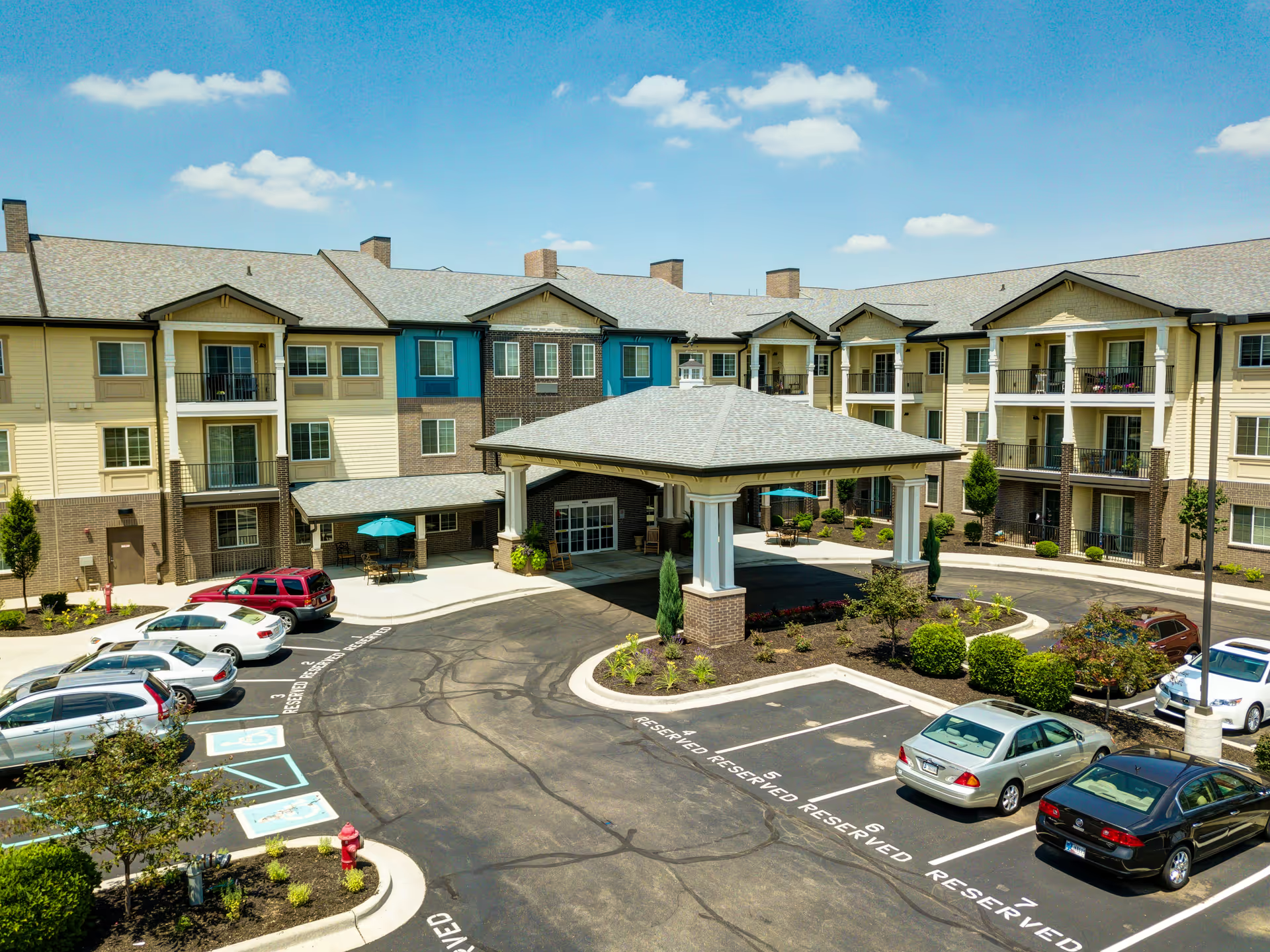
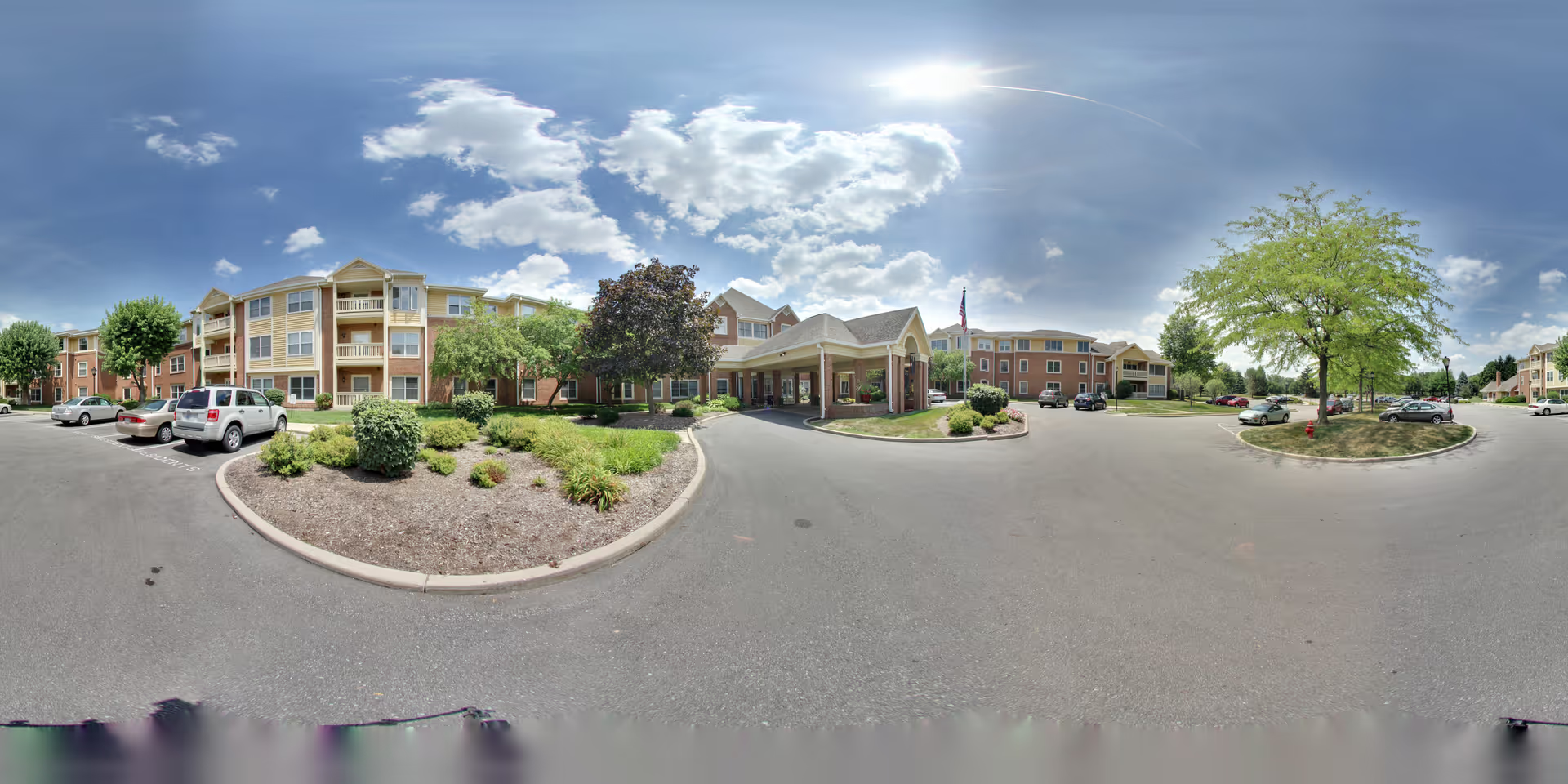
Overall impression: The Restoracy of Carmel is frequently described as a small, homelike skilled nursing and memory-care provider that emphasizes rehabilitation, communal living, and personalized attention. Many families praised the cottage model with small resident groups, clean and attractive interiors, and an open kitchen and large dining table that contribute to a residential atmosphere. The community earns consistent positive marks for rehabilitation outcomes, hands-on ownership, and a staff culture that is described as warm, kind, and family-oriented.
Care and staff: Clinical care and day-to-day caregiving are recurring strengths in the feedback. Reviewers highlight strong therapy teams (PT/OT/ST), attentive nurses and CNAs, and effective short-term rehab programs that support timely discharge home. Several comments reference staff who know residents personally and families who feel well informed. At the same time, a pattern of staffing instability is evident: turnover, occasional reliance on lower-licensed personnel to cover nursing roles, and periods with limited nurse presence were noted. Those operational weaknesses correlate with variability in the day-to-day experience and create risk for uneven care continuity.
Dining and nutrition: The facility’s in-house cooking and communal dining are consistently cited as positive contributors to quality of life. Fresh-prepared meals and a family-style dining model are frequently appreciated. However, reviewers also point to inconsistent meal timing and variability in food quality depending on staffing and kitchen shifts. Menu variety and dietary customization are described as limited in some cases, and some families requested more tailoring to individual preferences or medical diets.
Activities, memory care, and environment: The cottage layout supports socialization and activities; reviewers note cheerful staff, active engagement from activity assistants, and a social atmosphere that can lift resident mood. Memory-care programming and small household sizes are seen as advantages for residents needing more individualized support. The facility’s physical plant is commonly described as well kept, attractive, and comfortable, with a layout intended to feel more residential than institutional.
Management, regulatory, and operational patterns: Ownership and administration are often described as accessible and responsive, with examples of direct intervention by leadership to address early issues. There are, however, documented concerns about the facility meeting all advertised promises: comments indicate that elements of the marketed care model were not fully implemented, and reviewers referenced state-substantiated compliance violations. Those items suggest families should review the facility’s current compliance status and ask about corrective actions. Additionally, the community has undergone ownership/management transitions that some reviewers say produced temporary operational disruptions but that others characterize as improving over time.
Recommendations for prospective families: The Restoracy of Carmel may be a good fit for people who prioritize a small, home-like setting, strong rehabilitation services, and personalized attention. Prospective residents and families should confirm current staffing ratios and nurse coverage for the intended level of care, review the facility’s most recent regulatory and corrective-action history, and discuss dietary accommodations and meal schedules if specific nutritional needs or preferences are important. Visiting the cottages during meal and therapy times can help evaluate consistency of service and the daily resident experience.