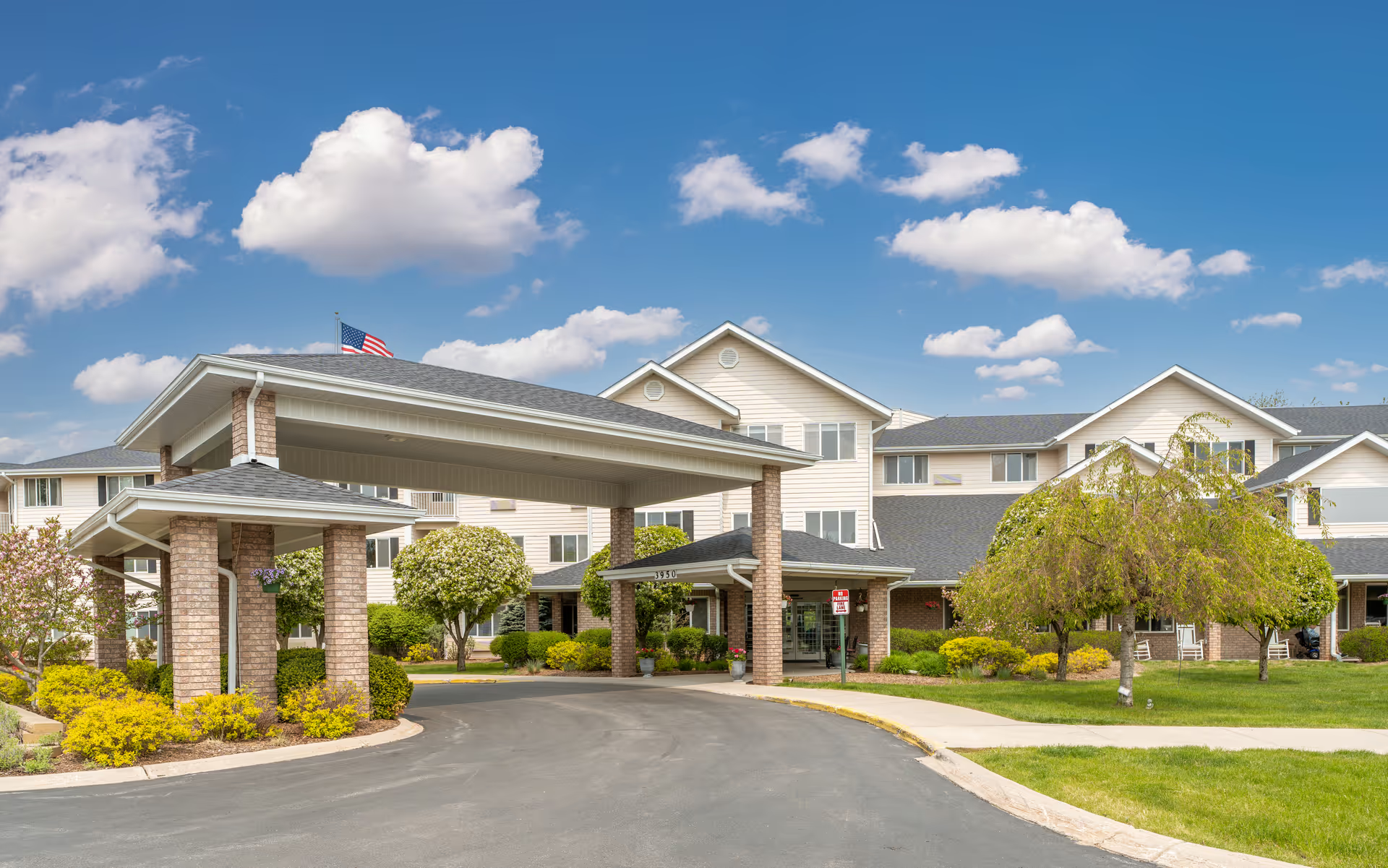
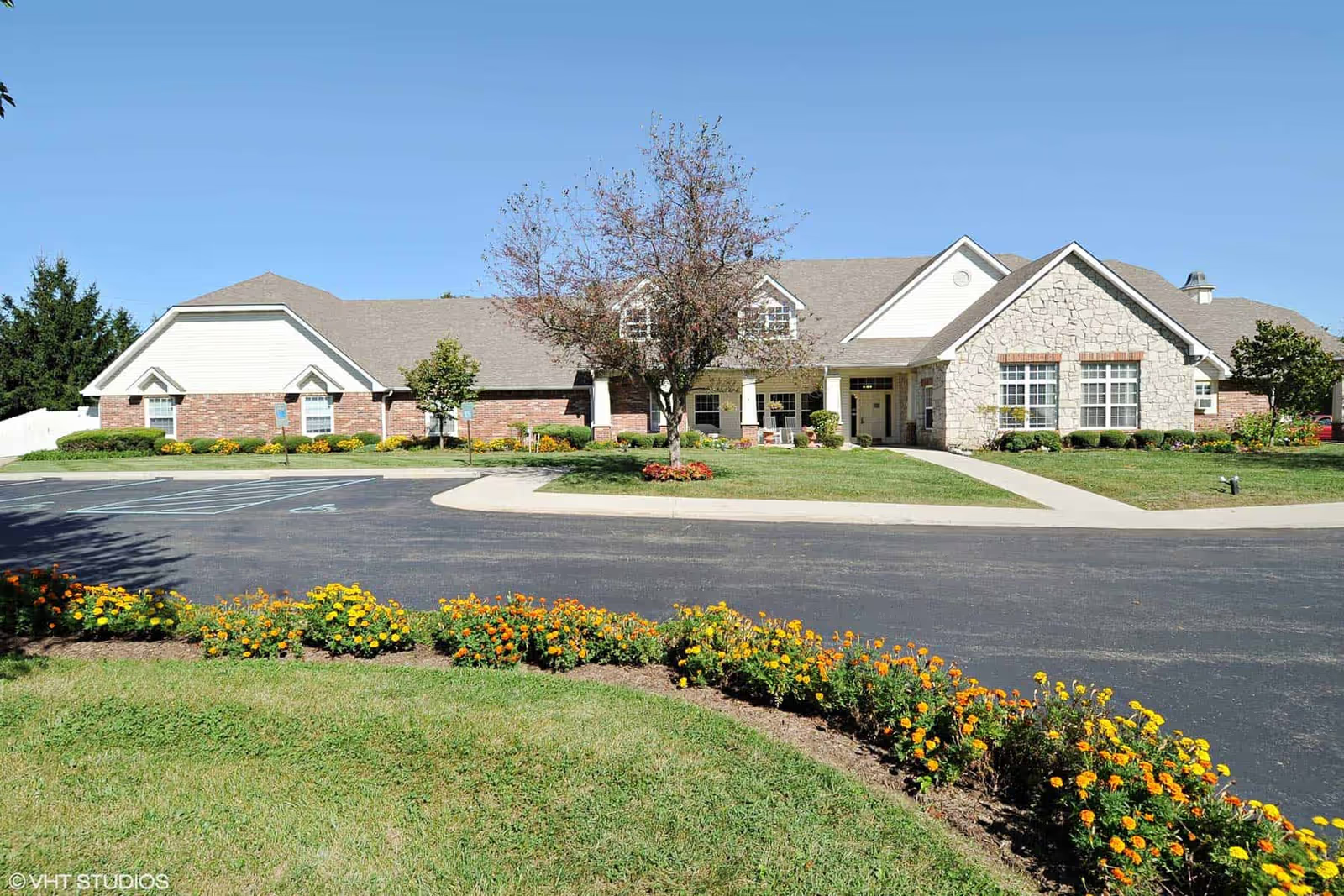
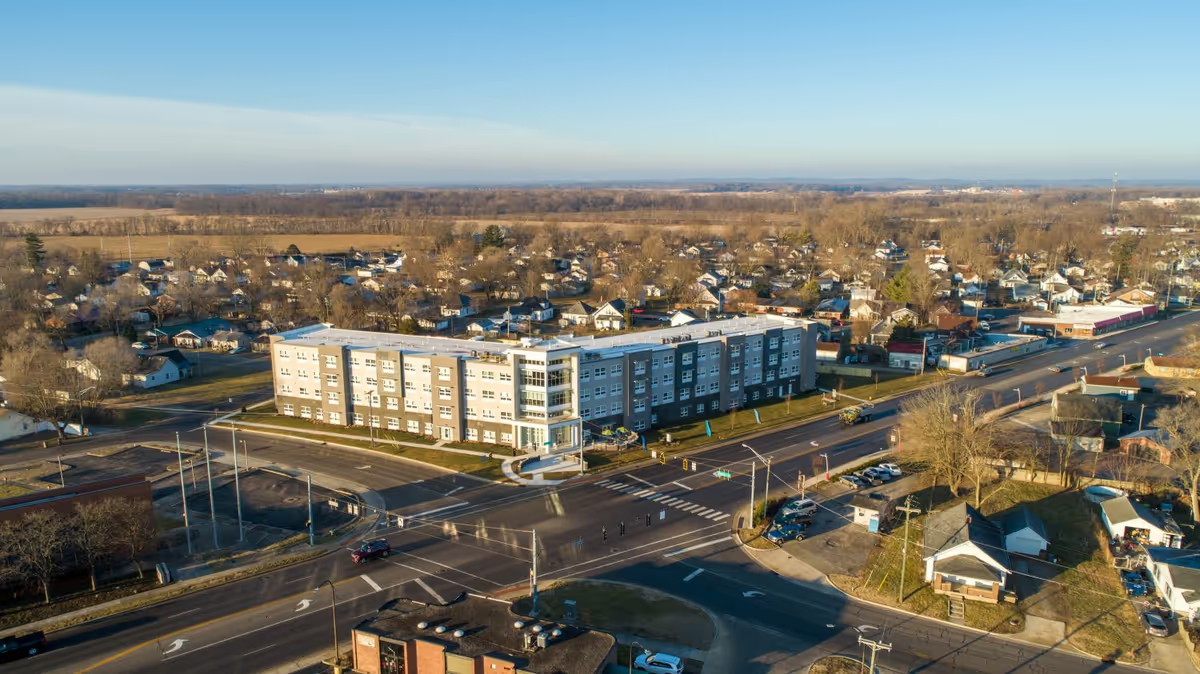
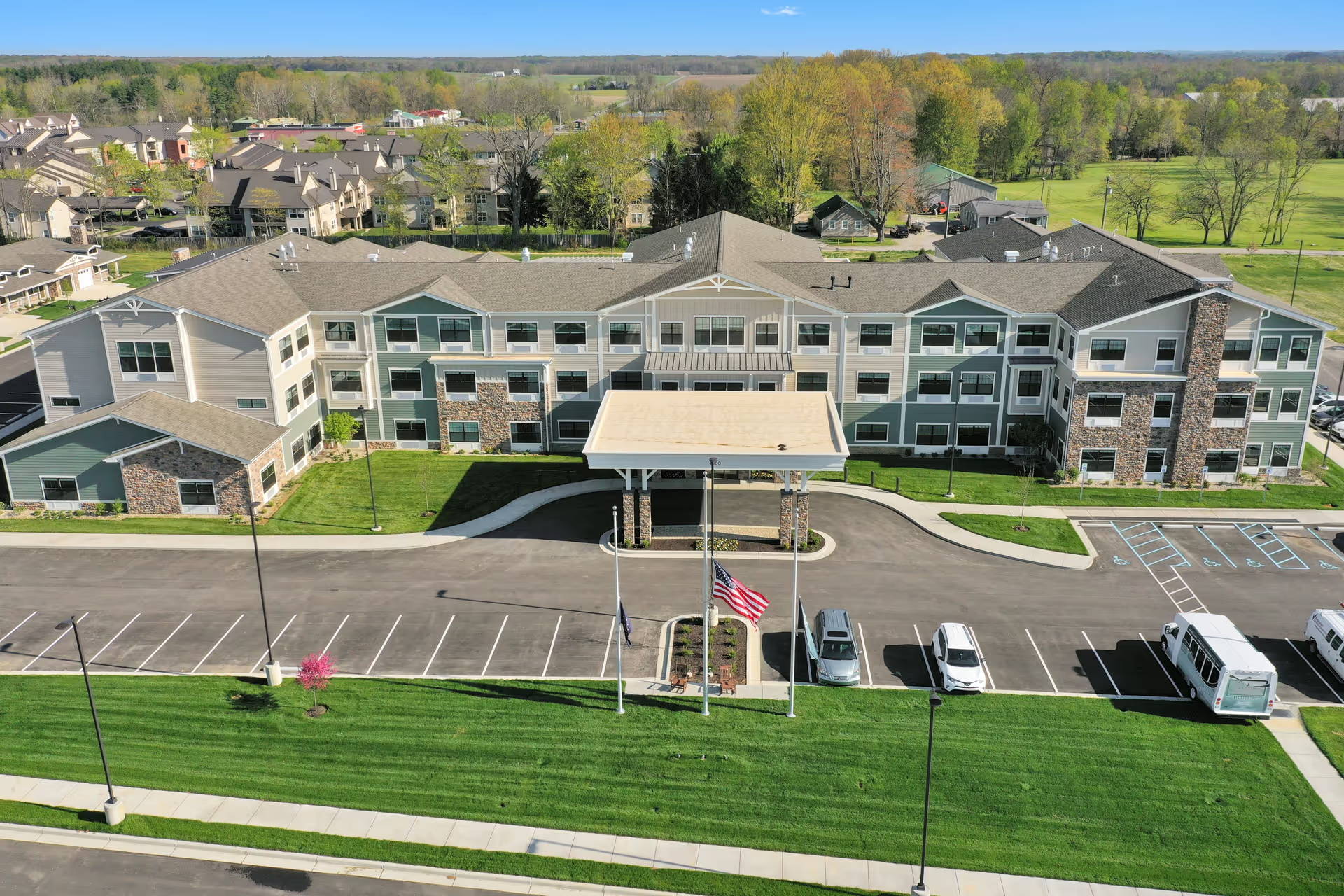
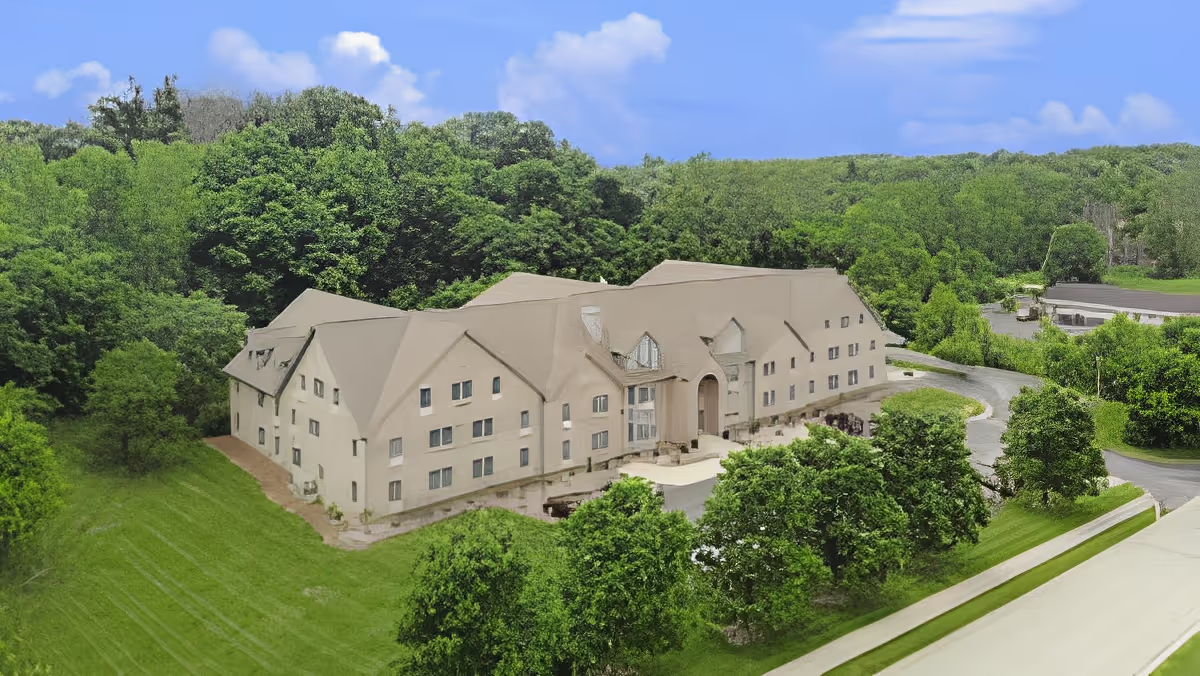
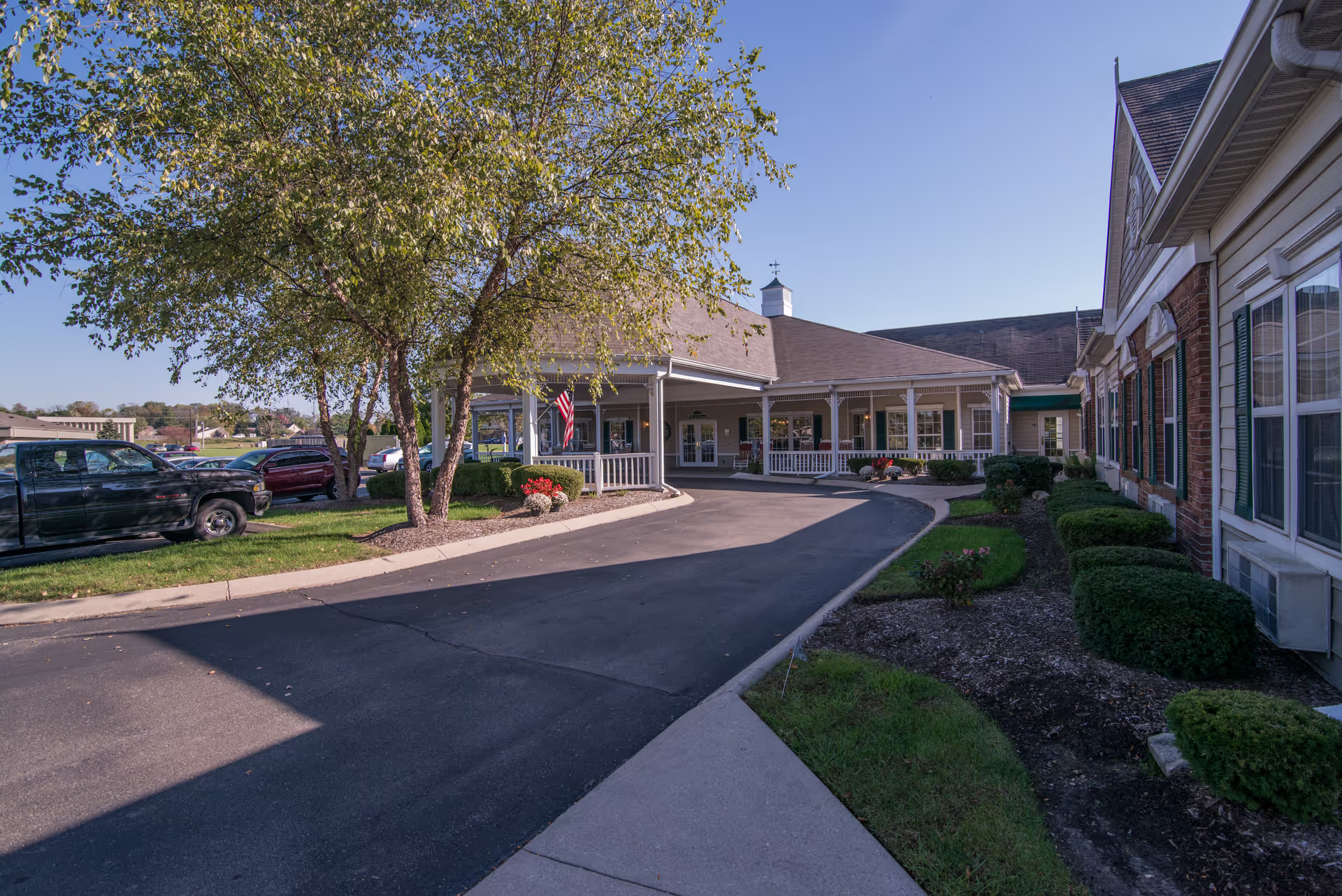
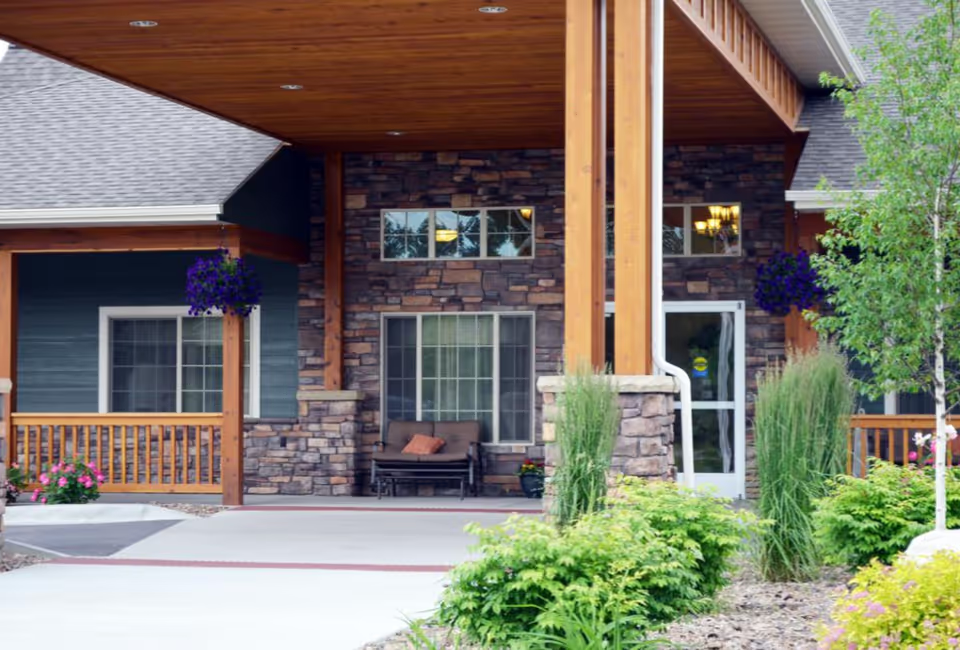
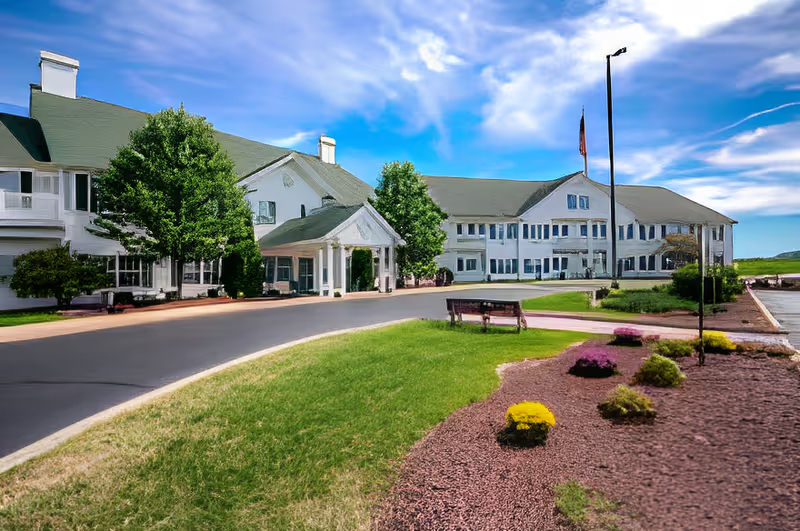
Silver Oaks Health Campus receives frequent praise for its staff culture and therapeutic services while also showing recurring operational weaknesses that prospective families should evaluate. Many accounts describe staff as compassionate, welcoming, and family-oriented; reviewers commonly emphasize a sense of home, warm interpersonal interactions, and staff who go beyond basic expectations. The campus is repeatedly noted for strong rehabilitation and therapy capabilities, with several reviewers characterizing the therapy department as a standout for short-term rehab and physical therapy. The facility offers a clear continuum of care—memory care, assisted living, long-term care, adult day services—and a range of apartment options including private and studio units with kitchenettes.
Dining and activities are consistently listed as strengths. Reviewers often mention appealing meals with customization options, themed dining arrangements, and a robust calendar of social and recreational activities (crafts, exercise classes, movie days, family brunches). Housekeeping and grounds maintenance are generally described as clean and well-kept, contributing to an attractive, bright campus environment. Many families also pointed to formalized care processes such as regular assessments and medication-monitoring systems as positive elements.
However, the reviews reveal notable patterns of inconsistency in day-to-day operations. Staffing shortages and scheduling variability are a recurring concern, and several accounts point to uneven staff conduct and bedside manner—some staff described as highly attentive while others were described as less engaged. Reviewers note delays in nursing responsiveness and call-button follow-up, along with missed or inconsistent therapy sessions in some cases. Dietary accommodations are not always consistently honored, and there are intermittent sanitation concerns in dining areas (delayed removal of dirty dishes, unclean cups) that contrast with otherwise clean common areas.
Communication and coordination weaknesses appear across multiple domains: family communication about incidents or care changes, transport and appointment coordination, laundry quality control, and consistency of grooming and personal-care assistance. There are also recurring concerns about fall-prevention and transfer-safety practices; at least one account described a serious safety incident that led to hospitalization and subsequent death, so families should ask about safety protocols, alarm systems, and incident-response procedures. Some reviewers additionally reported disputes over medication decisions or denied assistance requests, indicating a need to confirm medication management policies and care boundaries.
In summary, Silver Oaks offers many institutional strengths—particularly compassionate caregivers, strong therapy/rehab services, engaging programming, and a well-maintained campus with multiple levels of care—but prospective residents and families should probe operational consistency. Recommended topics for inquiry during a tour or admissions conversation include current staffing ratios and turnover, call-response times and nurse triage practices, fall-prevention and transfer protocols, how dietary restrictions are honored, therapy-scheduling reliability, laundry and housekeeping quality controls, and transparency about out-of-pocket costs and transportation arrangements.