Ashton Creek Health and Rehabilitation Center receives a wide range of feedback that clusters into two clear themes: a well-regarded short-term rehabilitation program and persistent operational challenges affecting some aspects of long-term and custodial care. The facility's rehabilitation services — particularly physical and occupational therapy — are frequently described as excellent, with many families reporting measurable recovery and positive therapy outcomes. Therapy, nursing and admissions teams are often characterized as professional, attentive and compassionate, and the building, grounds and housekeeping receive regular praise for cleanliness and presentation.
Staffing and clinical consistency emerge as the most commonly reported weaknesses. Reviewers describe staffing shortages, frequent use of agency personnel, and uneven performance among certified nursing assistants; these factors are linked to long call-button wait times, delayed assistance with personal care and bathing, and inconsistent toileting and continence support. Several accounts raise concerns about delays or lapses in medication administration and about timely clinical escalation for medically complex residents, which some families associated with adverse outcomes. These issues suggest variability in day-to-day nursing operations and oversight rather than a uniform failure across the campus.
Dining and activities are mixed but notable strengths in different ways. The facility offers a formal dining room, special buffets and what some describe as fine-dining meal presentations; at the same time, food quality and dietary accommodation are described as inconsistent by other families, including concerns about timing and menu suitability for specific conditions. By contrast, the activities program is consistently praised: staff create varied, inclusive programming (arts, jewelry-making, puzzles, church services, pet visits) that many residents and families find engaging and community-building.
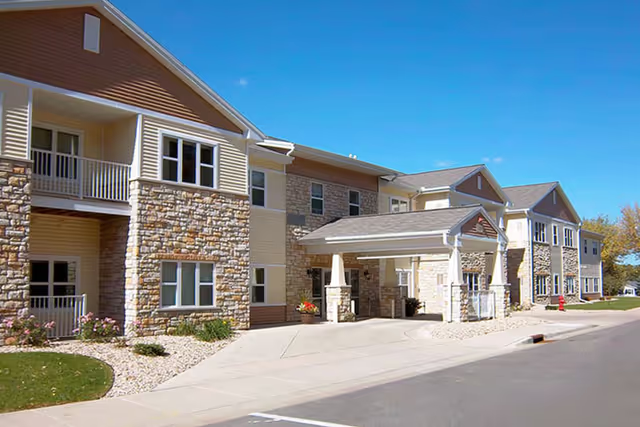
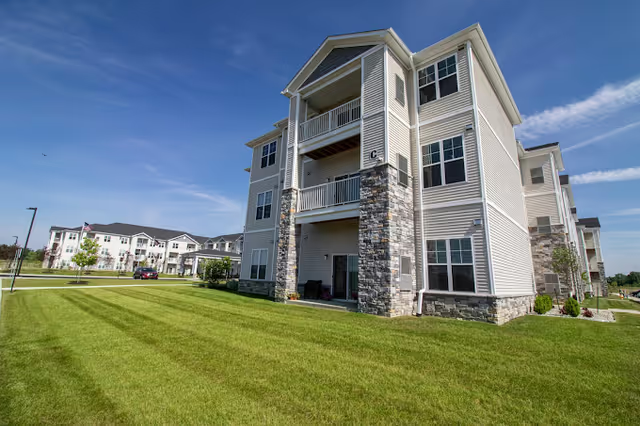
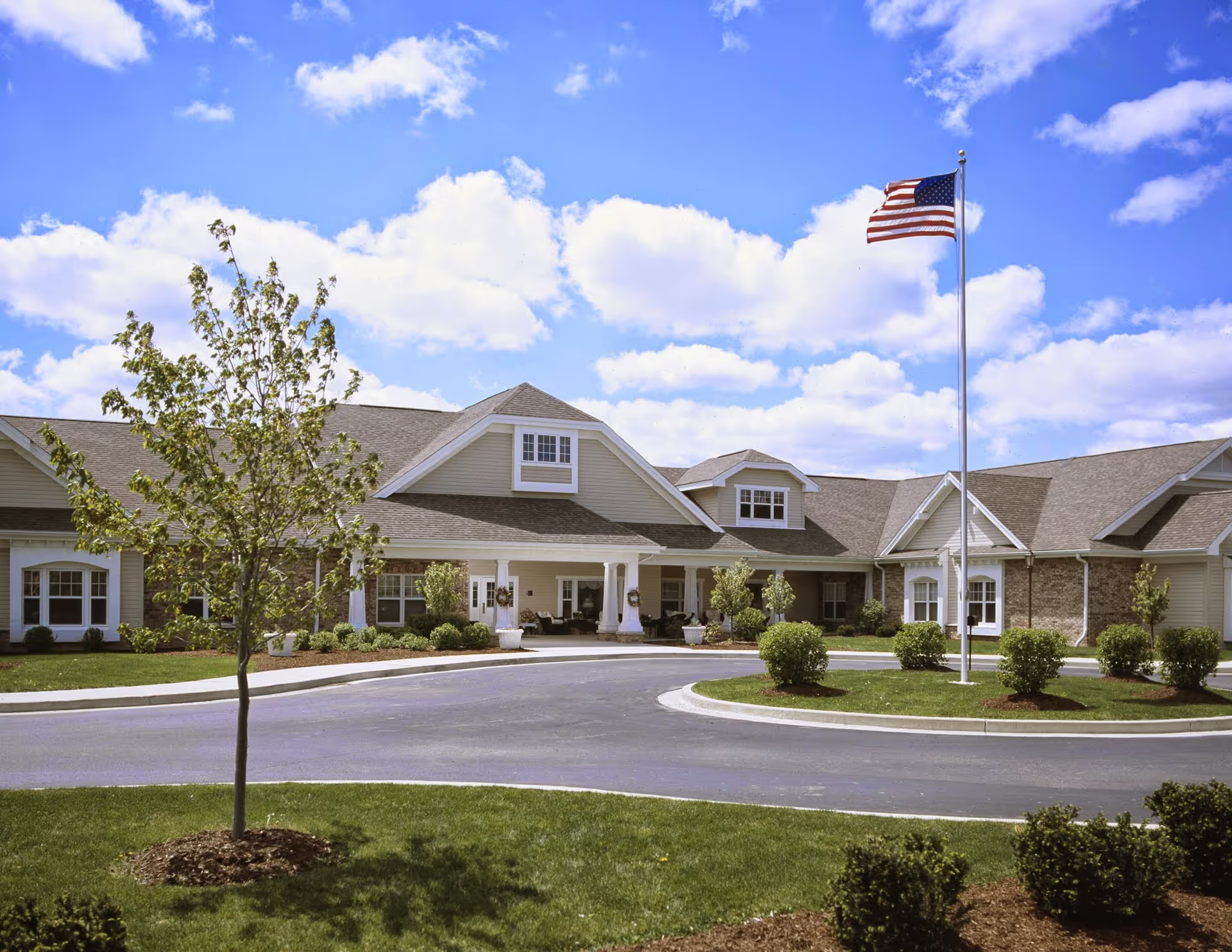
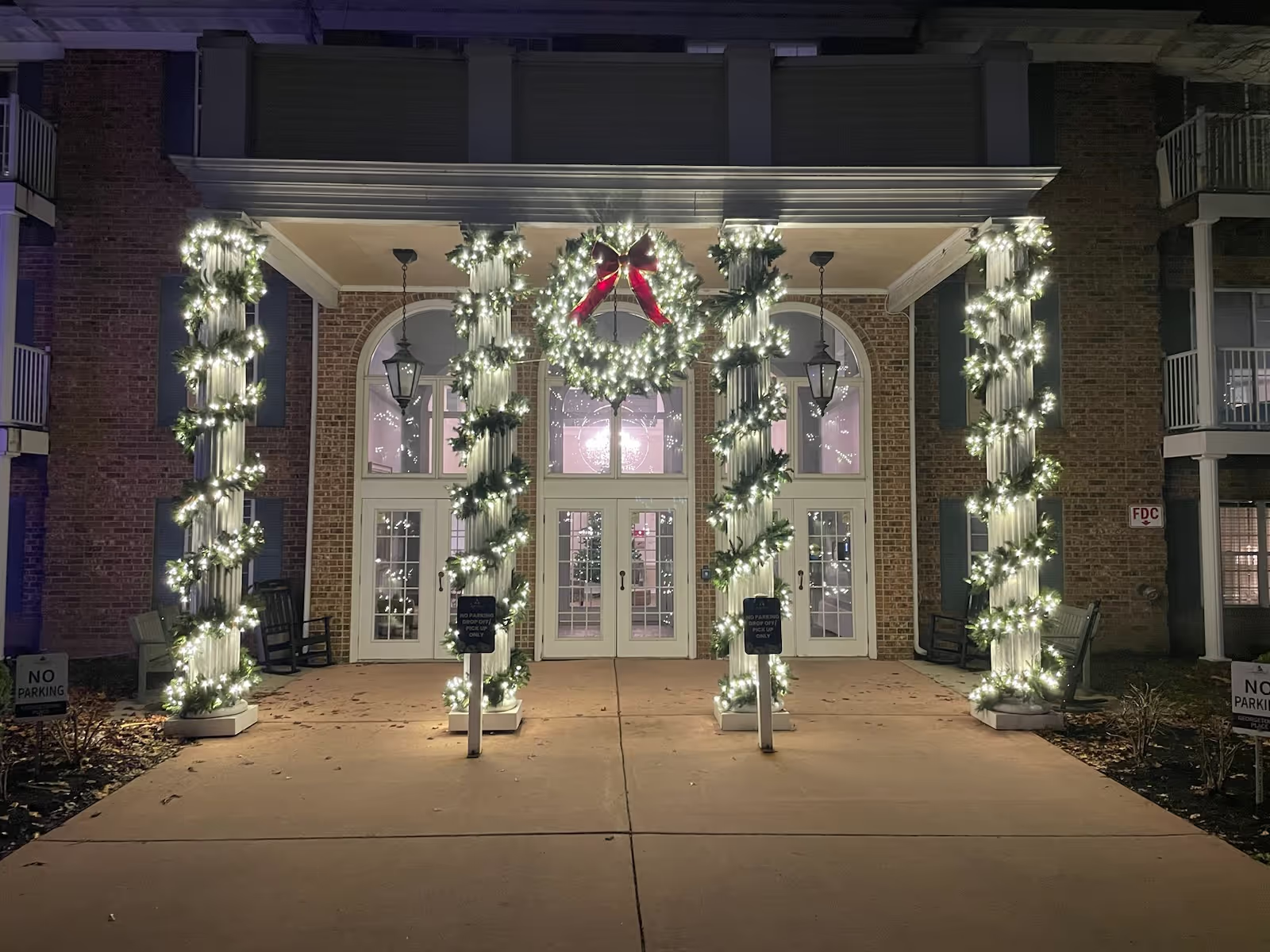
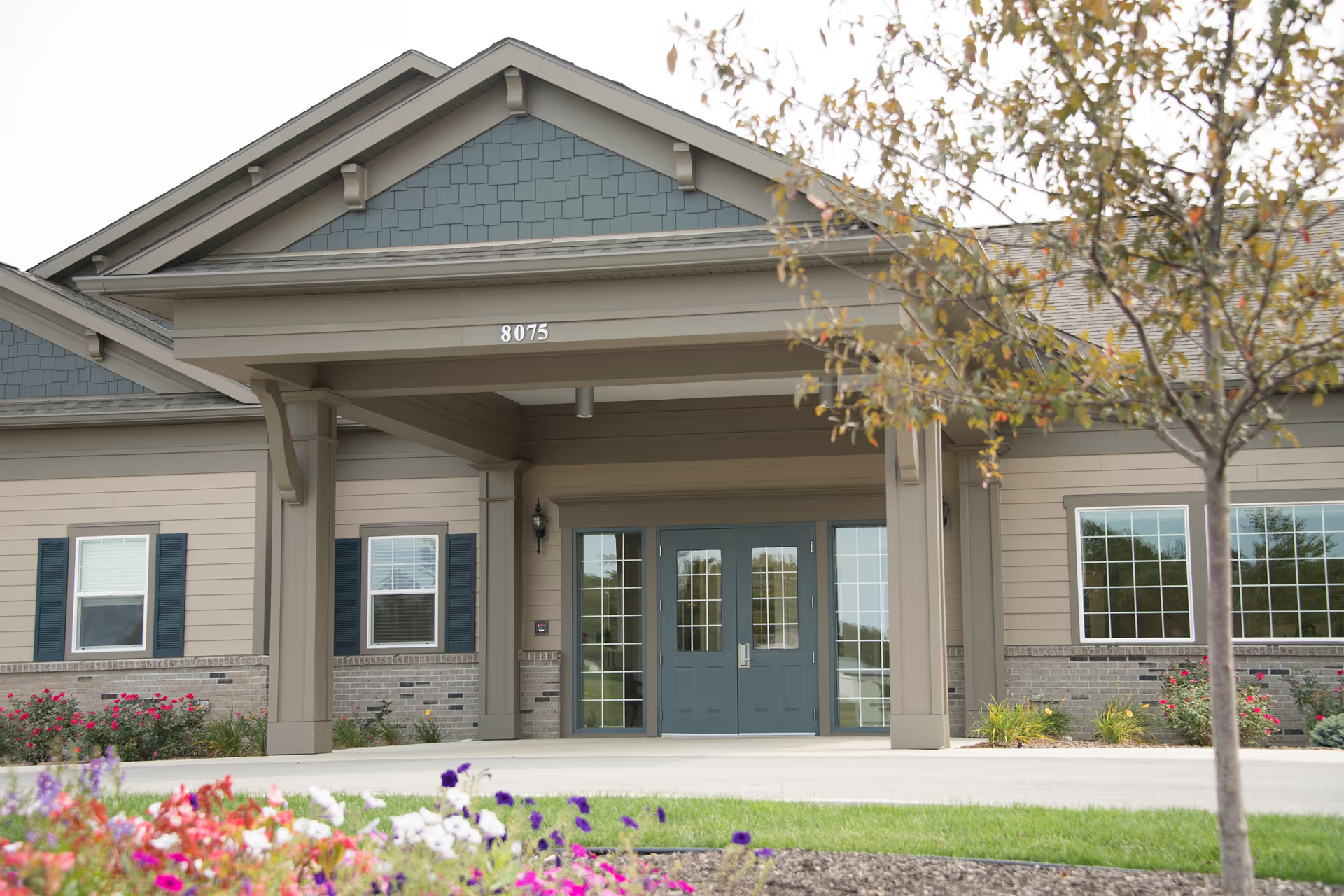
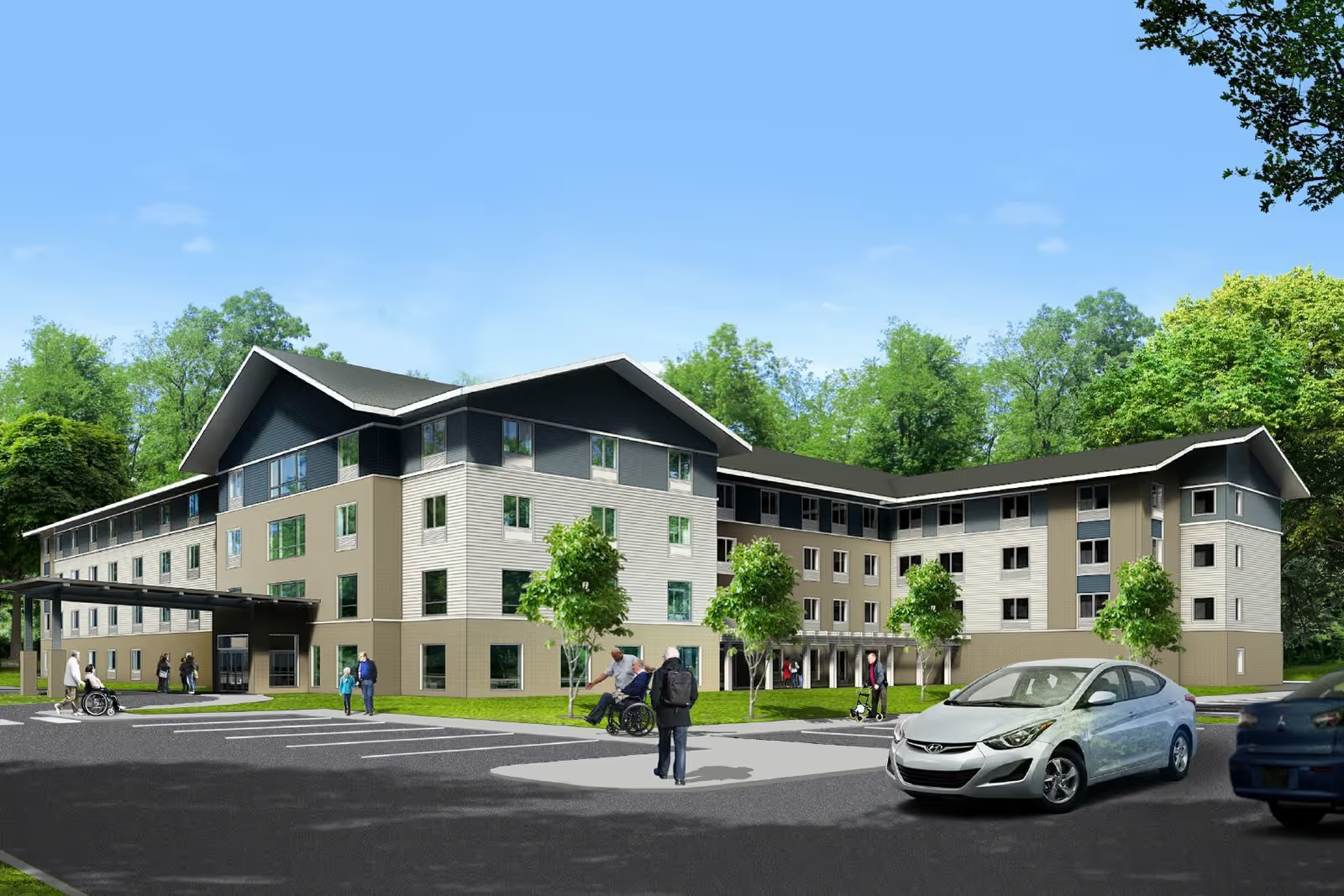
The physical environment and support services are an overall positive. Many reviewers highlight attractive indoor and outdoor common areas, spacious rooms (including private-room options), a well-run salon, and strong housekeeping leadership. Nonetheless, reviewers also report episodic maintenance issues — uncomfortable visitor chairs, aging mattresses, occasional HVAC problems, and isolated pest-control concerns — which can affect comfort and perception of upkeep.
Management and leadership impressions are mixed. Numerous families commend visible, involved leaders and single out particular staff (including housekeeping leadership and the executive director) for responsive problem-solving and a family-oriented culture. Conversely, some families describe communication breakdowns, unanswered concerns, and delays in administrative follow-through; a subset of reviews describes weekend availability and follow-up as insufficient. The aggregate picture is therefore one of capable leadership and pockets of strong performance, alongside operational gaps that intermittently affect resident experience.
Notable patterns for prospective residents and families: Ashton Creek appears to excel as a short-term rehab destination with strong therapy, housekeeping, activities and many dedicated staff. Long-term and higher-acuity placements appear to show more variability: families should confirm staffing ratios, medication-administration protocols, toileting/bathing schedules, and escalation procedures for complex needs. Regular family engagement and clear communication with leadership are commonly recommended by reviewers to ensure care plans are followed and issues are addressed promptly. Overall, the facility offers many real strengths but also clear areas for operational improvement that prospective residents should evaluate relative to their care needs.