The reviews for Chateau Rehabilitation and Healthcare Center present a strongly mixed picture. Many families and residents praise the facility for its rehabilitative services, compassionate bedside staff, and active social programming; others describe significant operational and clinical concerns. Overall, the facility appears to perform well for short-term rehabilitation and therapy-focused stays, while longer-term and higher-acuity care reviews are more variable.
Care quality: Rehabilitation and therapy services are consistently highlighted as a strength. Multiple accounts note successful physical therapy outcomes, able therapists, and well-appointed therapy spaces that support post-operative recovery. At the same time, reviewers describe inconsistent nursing and clinical care on some units — specifically, variability in medication administration, wound-care follow-up, and discharge practices. Several families described delays or lapses that required escalation to outside medical attention; a small number of reviewers identified serious adverse outcomes and concerns following a resident's death. These indicate that clinical oversight and care-continuity can be uneven and warrant direct inquiry during a placement.
Staff and culture: Staff-level feedback is polarized. Many comments emphasize compassionate, attentive nurses and CNAs, long-tenured employees who know residents personally, and a family-like culture on certain halls. Conversely, reports also reference rudeness, avoidance of duties, and low morale tied to understaffing. This suggests that resident experience may depend heavily on unit staffing, shift, and the local team dynamic rather than a uniform facility culture.
Dining and activities: Activity programming is frequently described as robust and protective of residents' mental health, with organized events and social interaction noted as positives. Dining feedback is mixed: some reviewers find meals acceptable and the dining environment pleasant, while others identify inconsistent food quality. Families should confirm dietary accommodations and sample the dining service if possible.
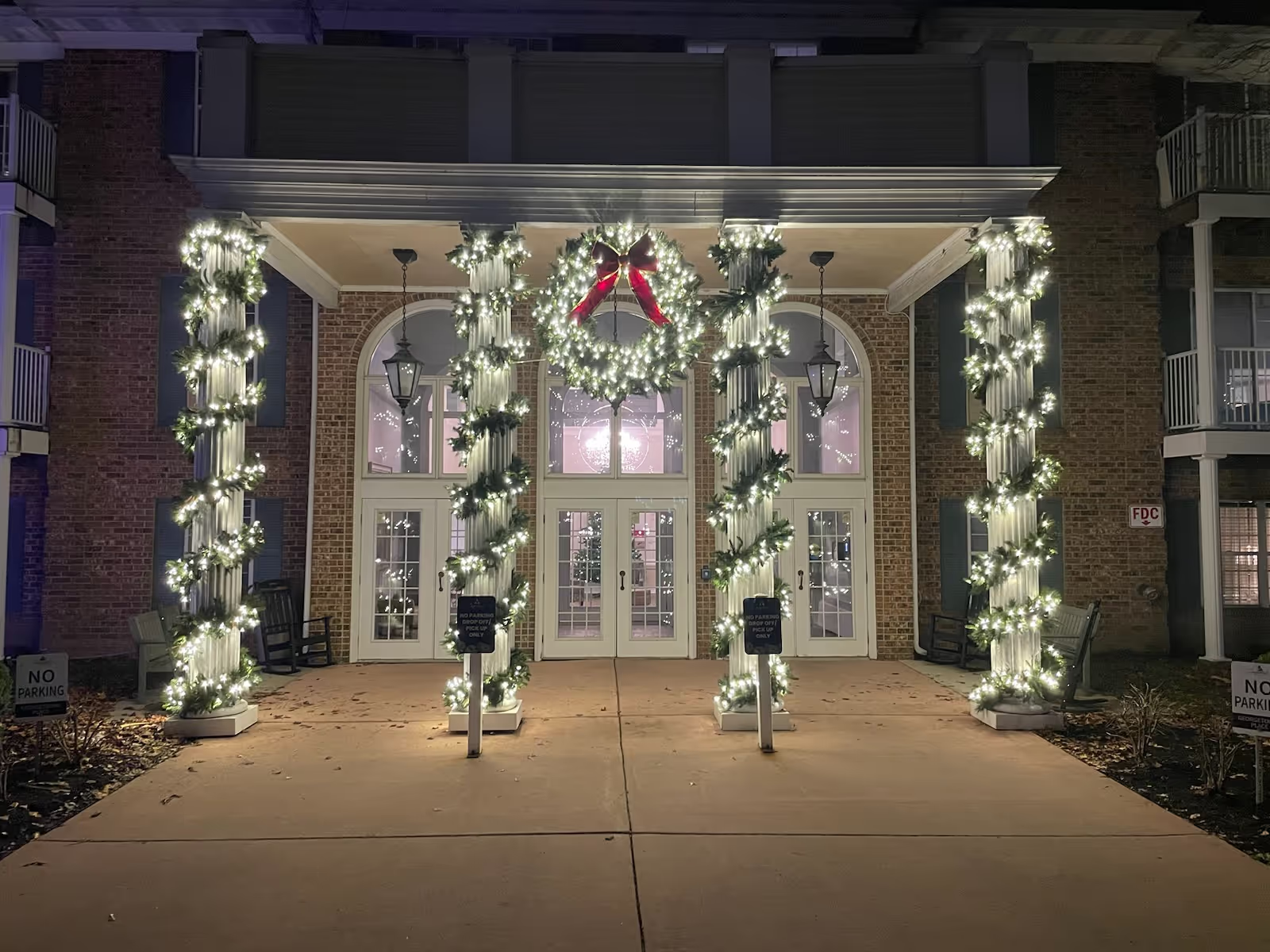
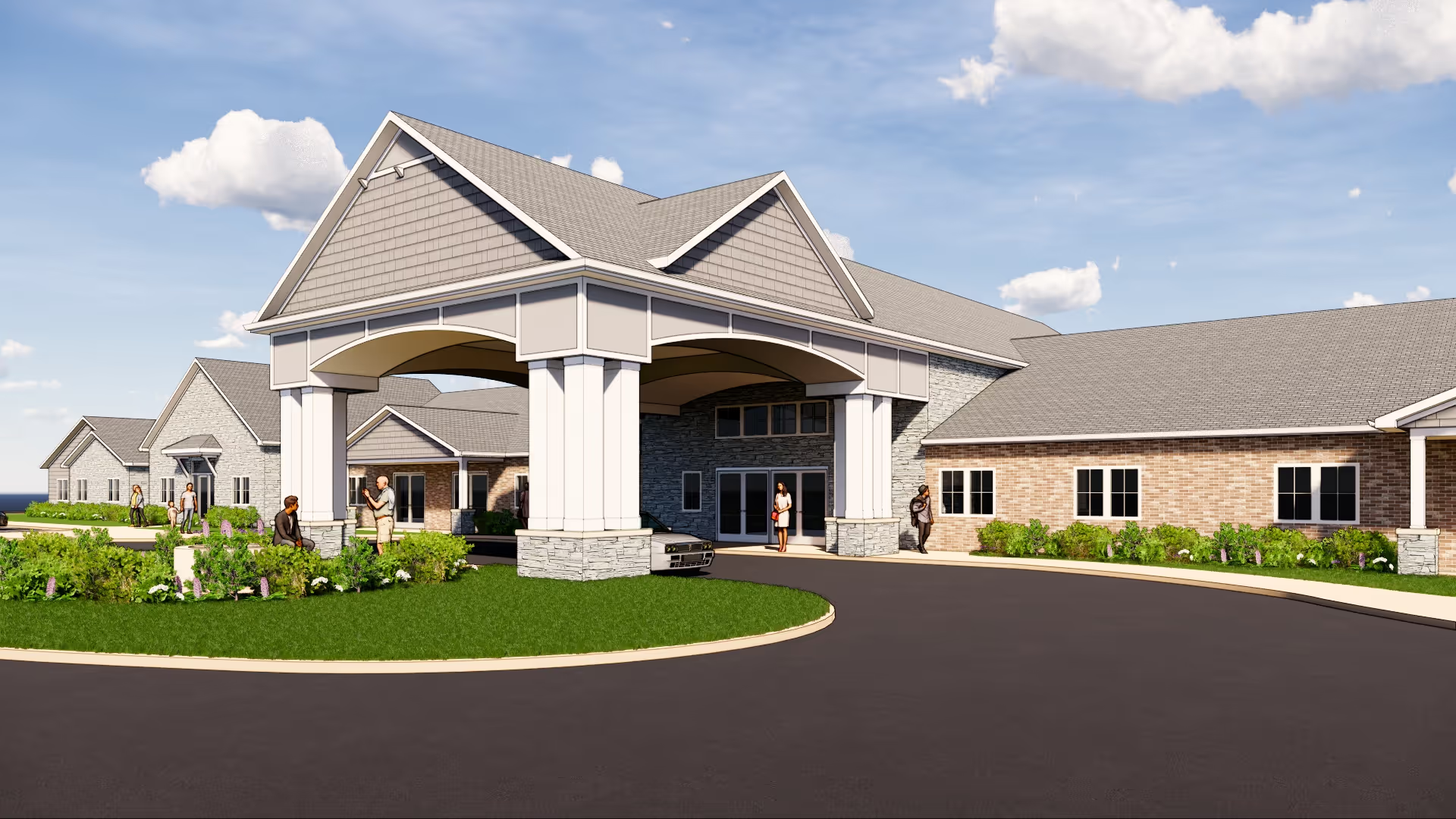
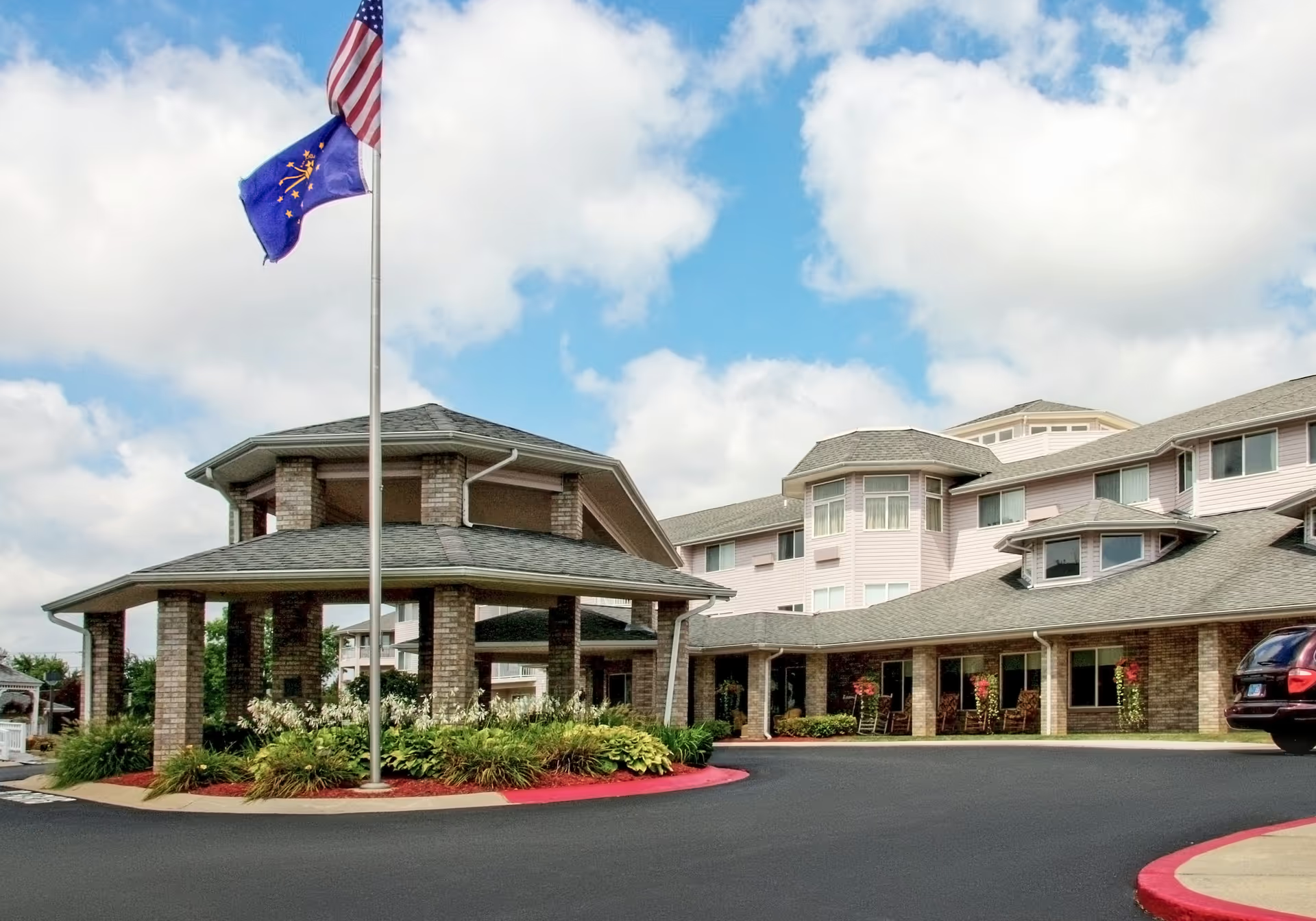
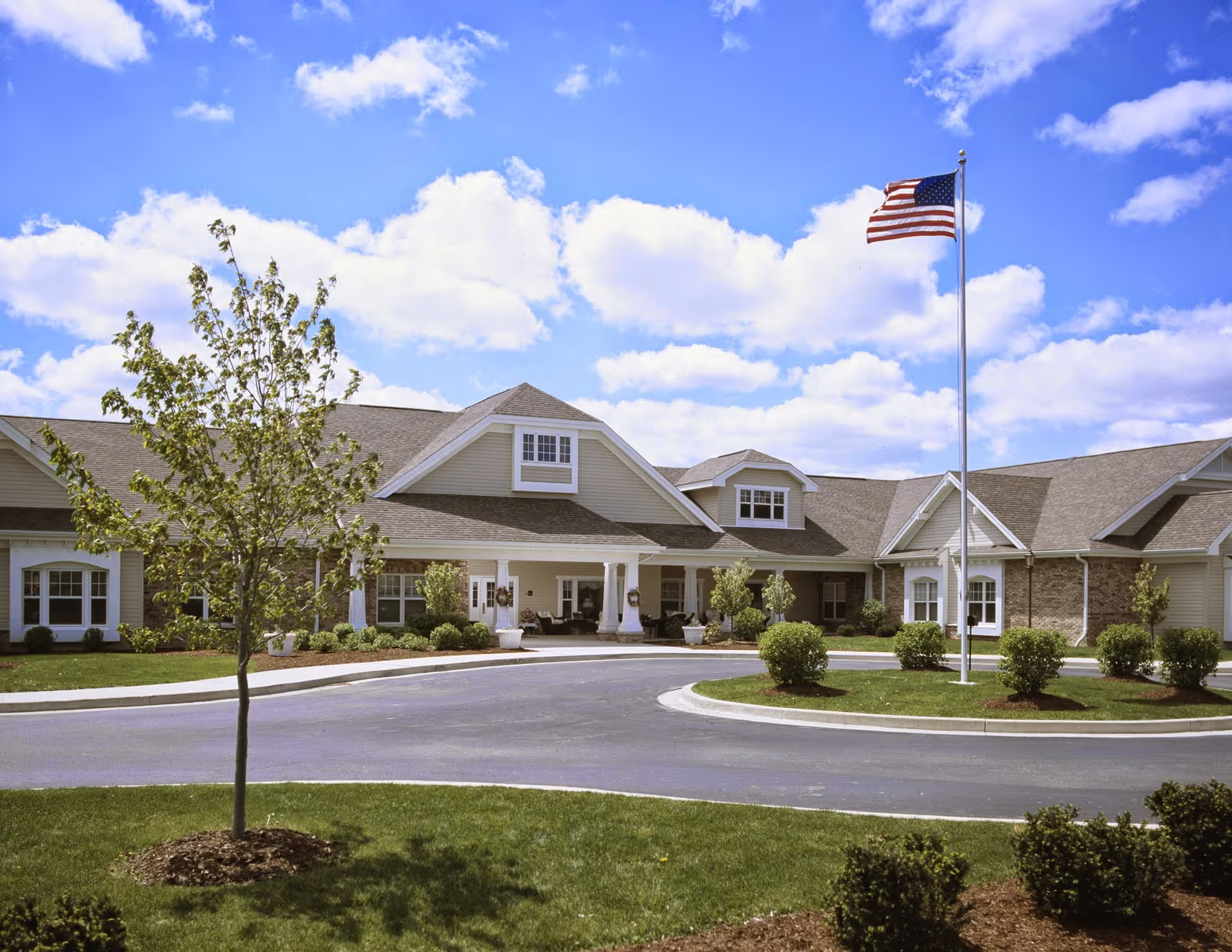
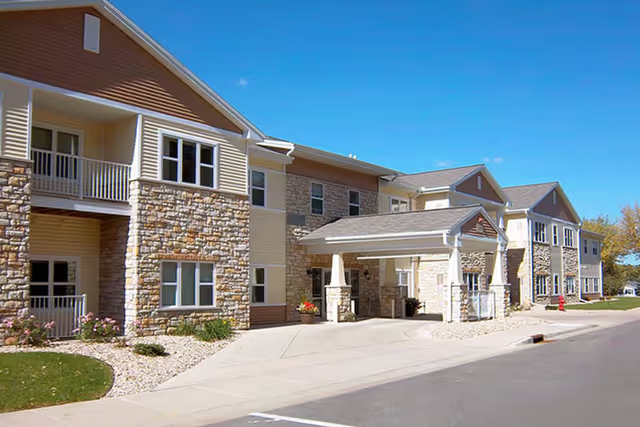
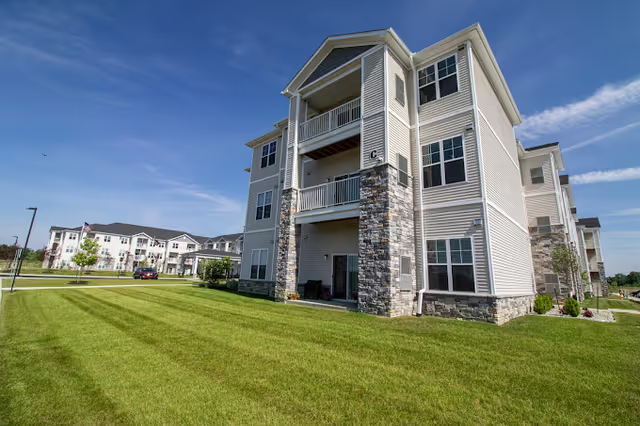
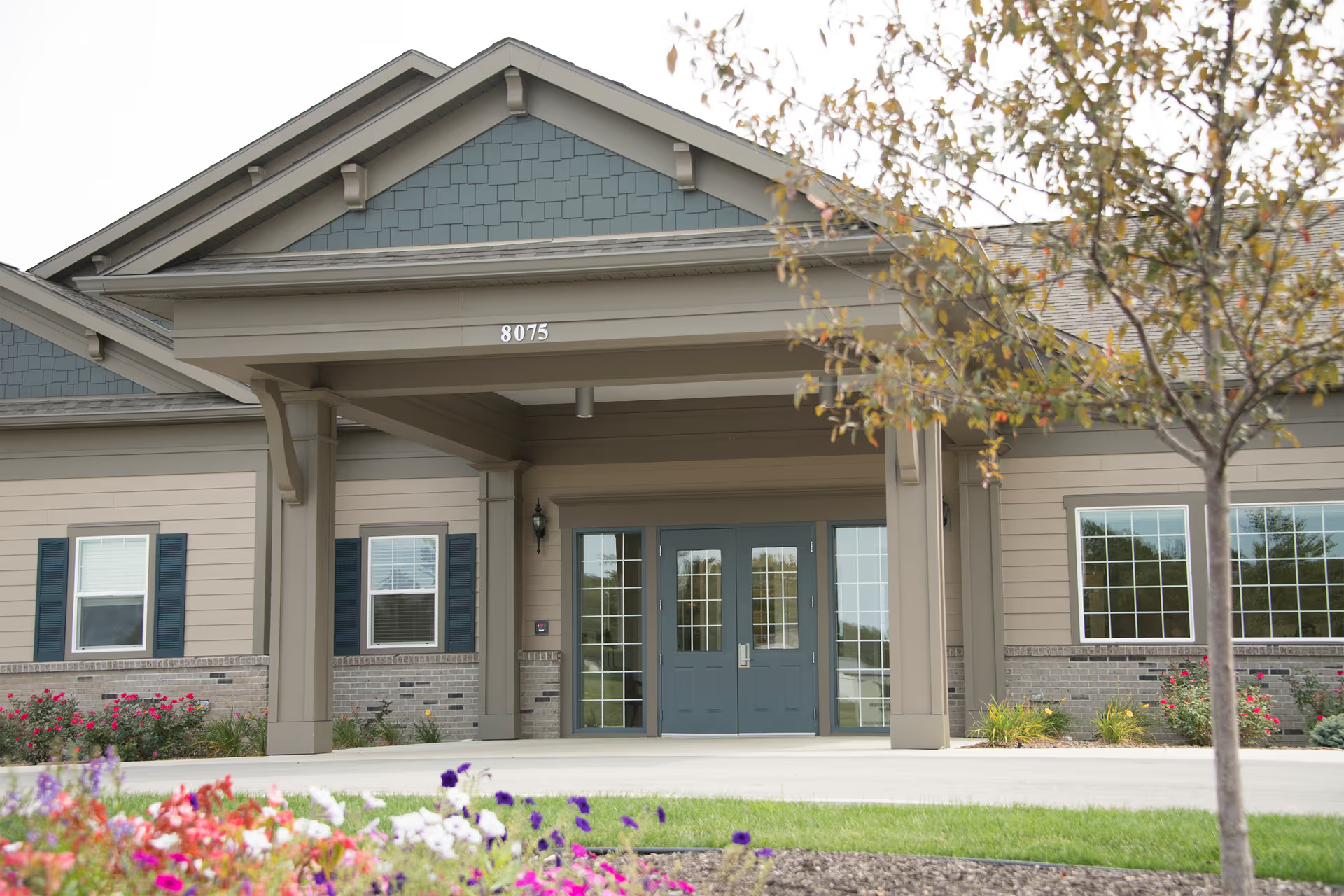
Facilities and environment: Descriptions of the physical plant vary. Many reviewers report clean, bright common areas and well-maintained grounds, including park-like exterior spaces. Others highlight areas that appear dated or in need of refurbishment, and there are mentions of sanitation and odor concerns in specific areas, as well as occasional laundry losses. Room size and dining spaces receive positive remarks in several accounts.
Management and administration: Administrative themes include an admissions team that is often described as helpful and responsive, but recurring concerns about communication, billing, records access, and responsiveness to family complaints. Several reviewers described continuing charges after discharge and difficulty obtaining documentation. There are also perceptions that corporate or management cost-control decisions affect frontline staffing and resourcing. These operational issues point to potential gaps in transparency, financial processes, and clinical governance.
Notable patterns and recommendations: The strongest, most consistent asset is the facility's rehabilitative capability and a number of dedicated frontline staff who provide warm, personalized care. The most recurrent liabilities are inconsistent clinical oversight, staffing variability, communication breakdowns with families, and administrative/documentation problems. Prospective residents and families should tour the specific unit where placement is planned, ask for current staffing ratios and wound-care/medication protocols, review billing and records-release procedures, and speak with the therapy team and activity director. Confirming unit-level culture and recent quality or survey records will help clarify whether the aspects praised or criticized in reviews are representative of the current operating environment.