Overall impression: Glenbrook presents a mixed picture. Many accounts describe an updated, welcoming facility with active programming, strong rehabilitation services, and staff who are caring and community-oriented. At the same time, there are repeated operational concerns related to clinical responsiveness, sanitation, and administrative follow-through that materially affect some residents and families.
Care quality and clinical safety: The facility’s rehabilitation and therapy programs receive consistent praise for effectiveness and engagement. However, reviewers also describe lapses in clinical responsiveness — delayed escalation to emergency services, missed vital-sign checks, inconsistent wound and medication follow-through, and failures in transfer or lifting practices. These account-level gaps suggest uneven clinical oversight and variability in staff training or staffing levels rather than a uniformly applied standard of care.
Staff and management: Staff behavior is described at both ends of the spectrum. Many families and residents highlight compassionate, attentive nurses, CNAs, and therapists, and they praise visible leadership and helpful discharge planning. Conversely, other accounts reference short-tempered interactions, poor communication tone, blocked family calls, and administrative indifference or slow complaint resolution. Patterns point to inconsistent staff conduct and occasional weaknesses in supervisory follow-up; leadership presence is a strength in some cases but family communication and formal complaint processes are areas of concern.
Dining and nutrition: Dining is often cited positively — well-planned menus, better food than acute care, and notable meals such as holiday dinners. Yet there are operational gaps in dietary adherence for restrictive orders (for example, low-sodium diets) and occasional dissatisfaction with processed meal content. Billing or meal-charge issues and missed diet requests have been noted and indicate room for tighter coordination between nursing and dietary services.
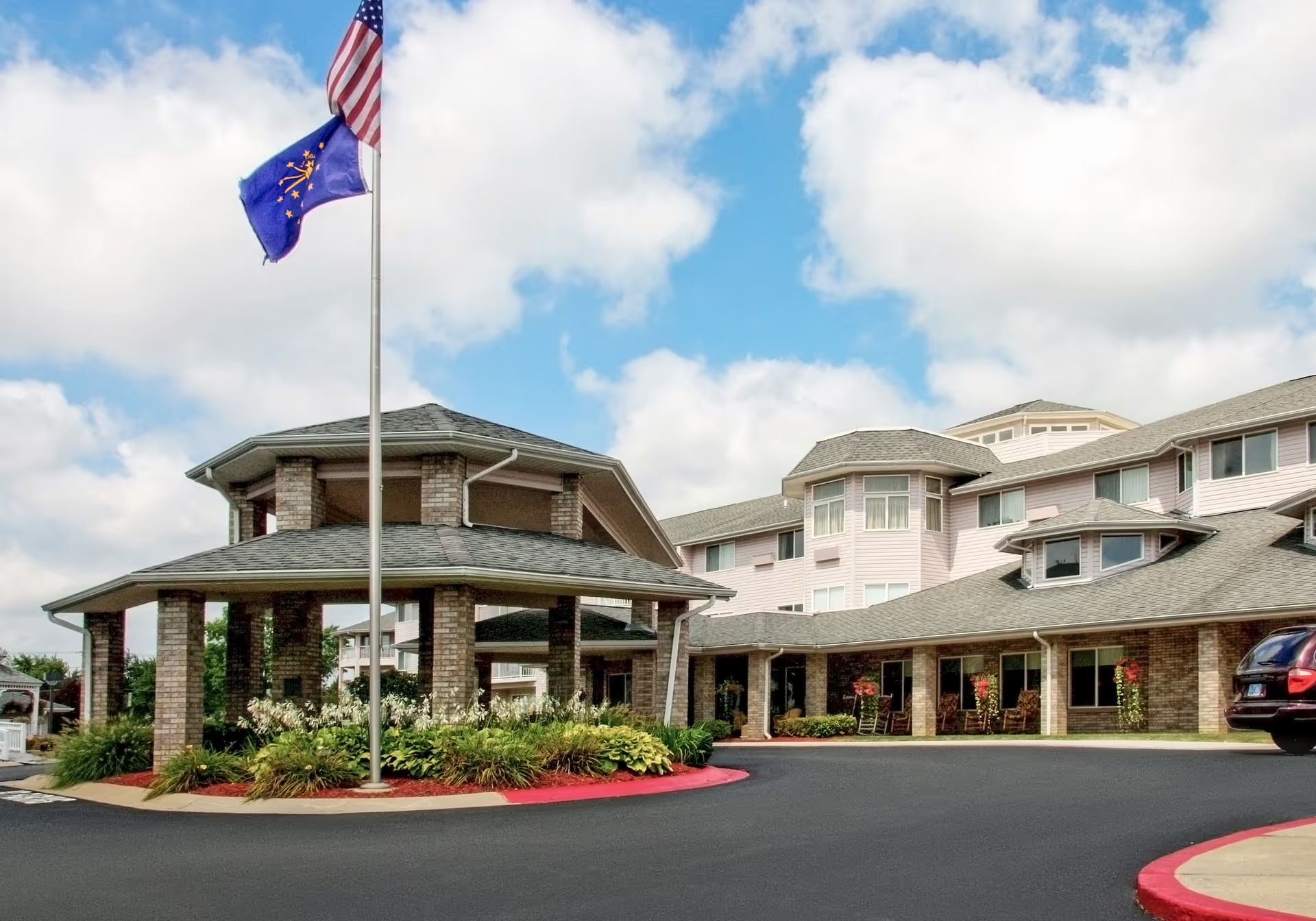
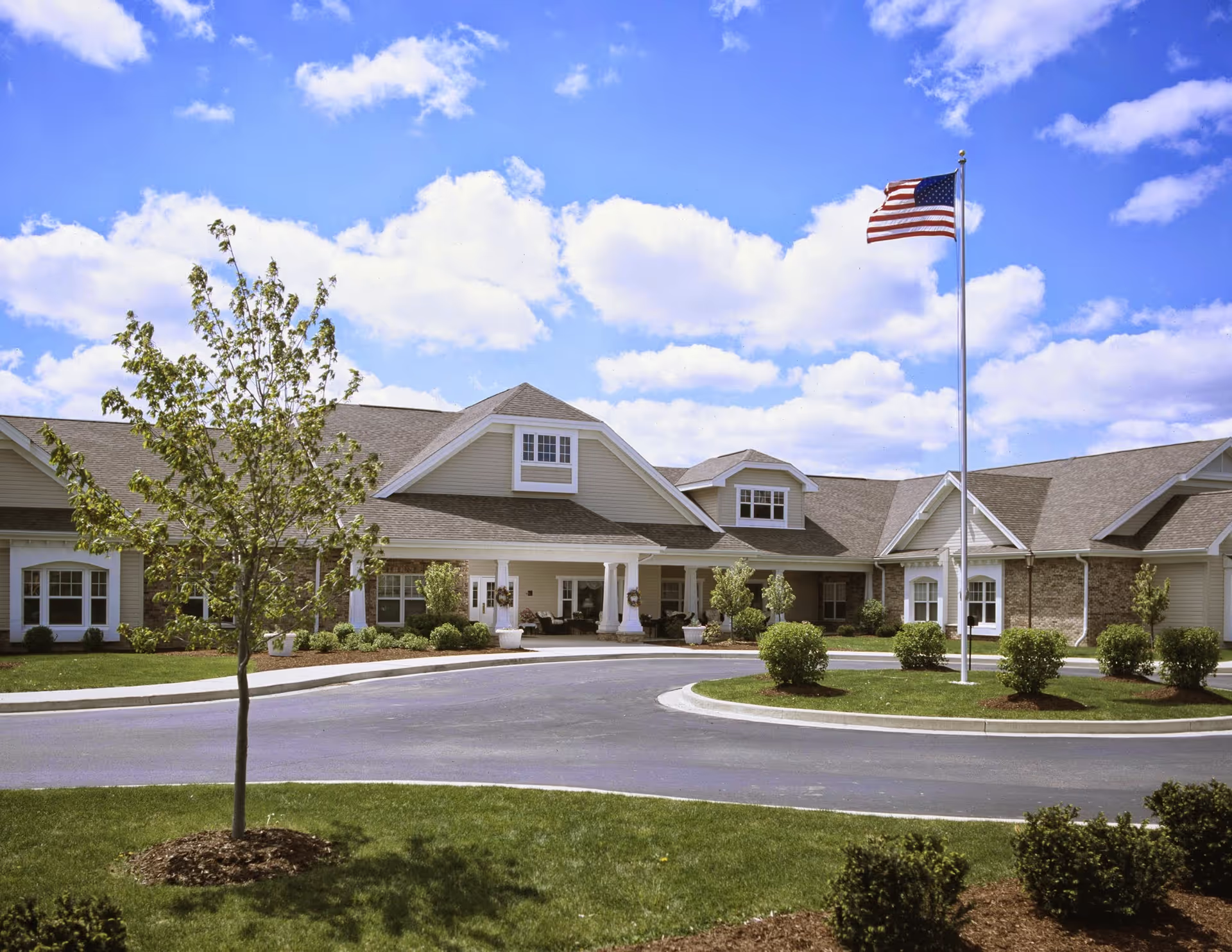
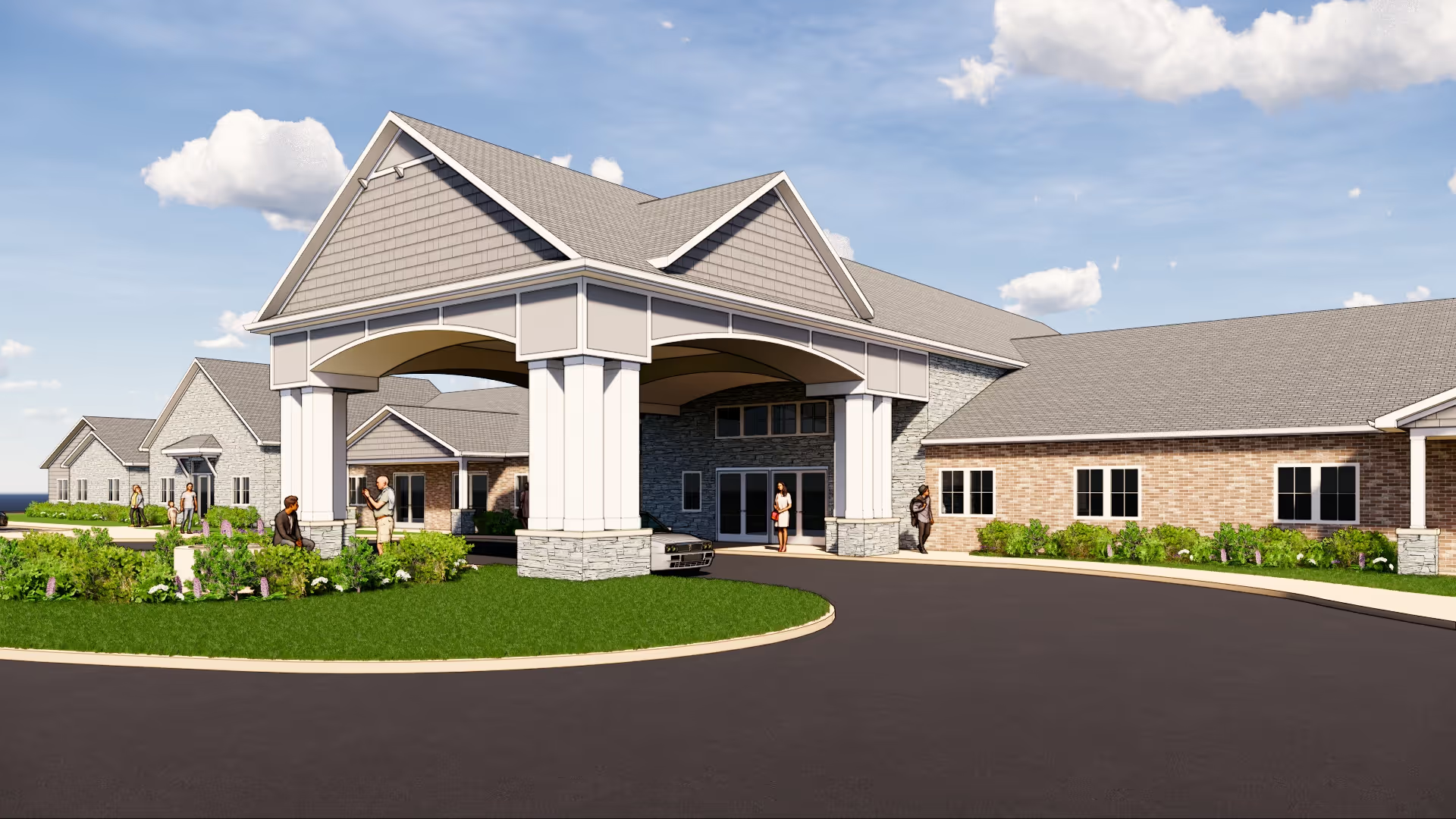
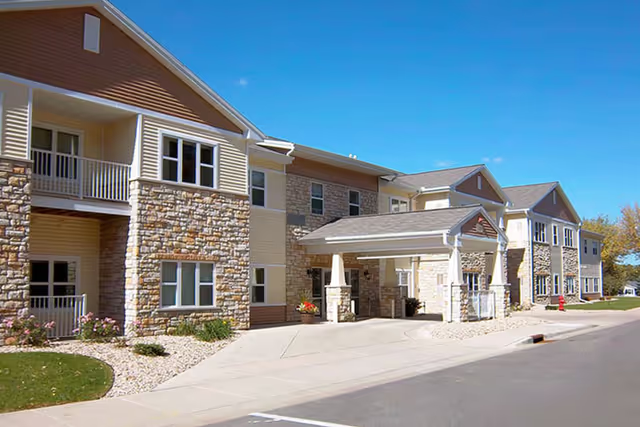
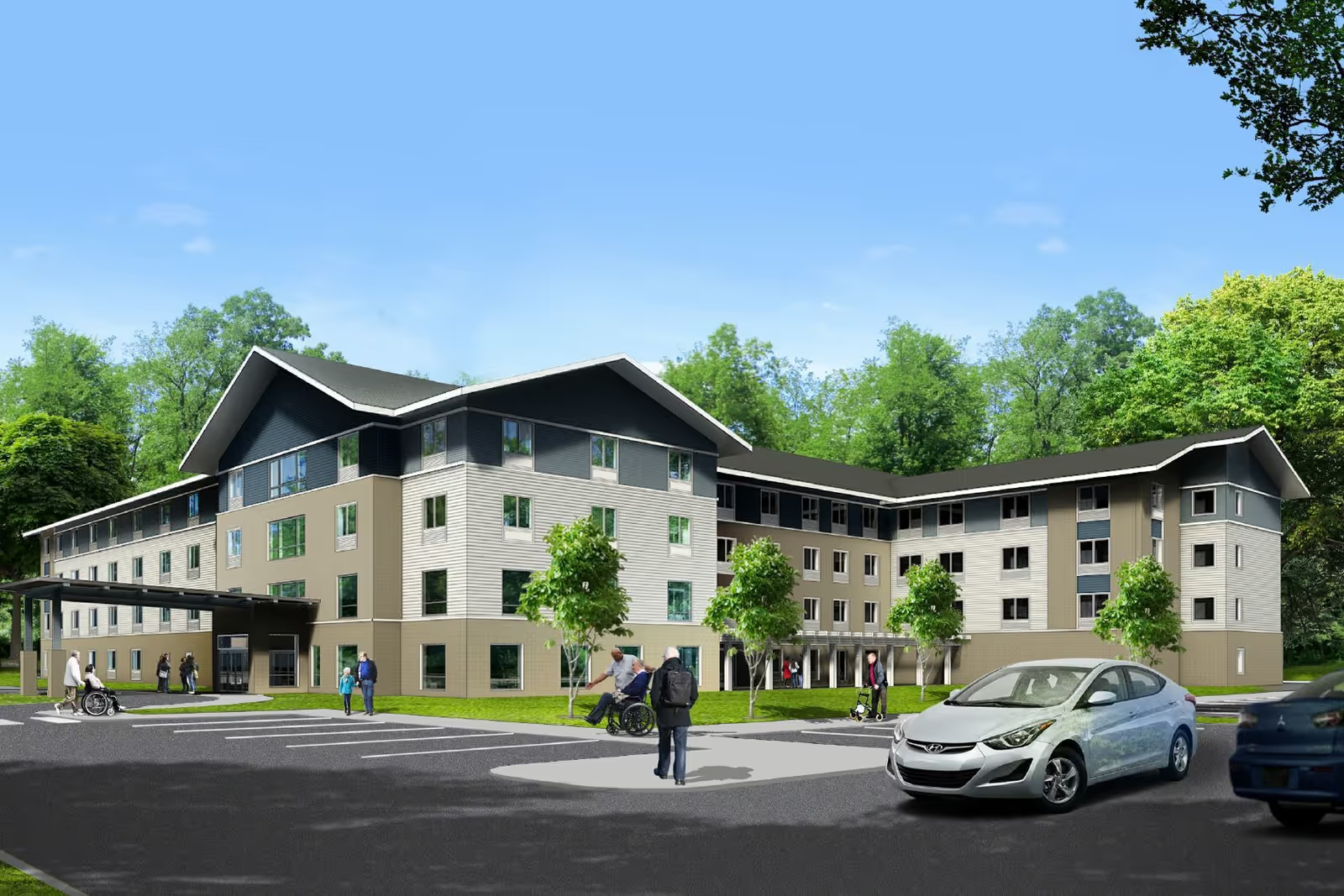
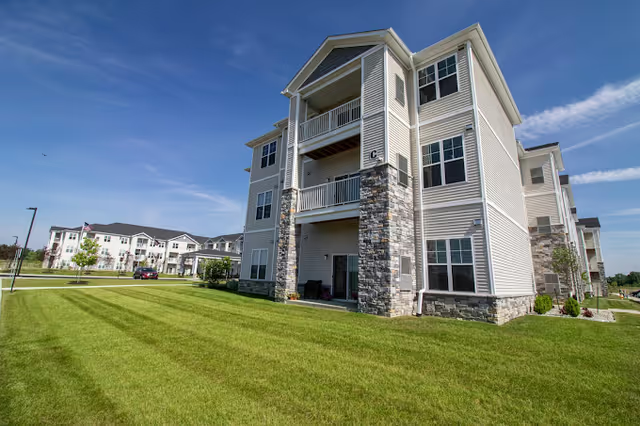
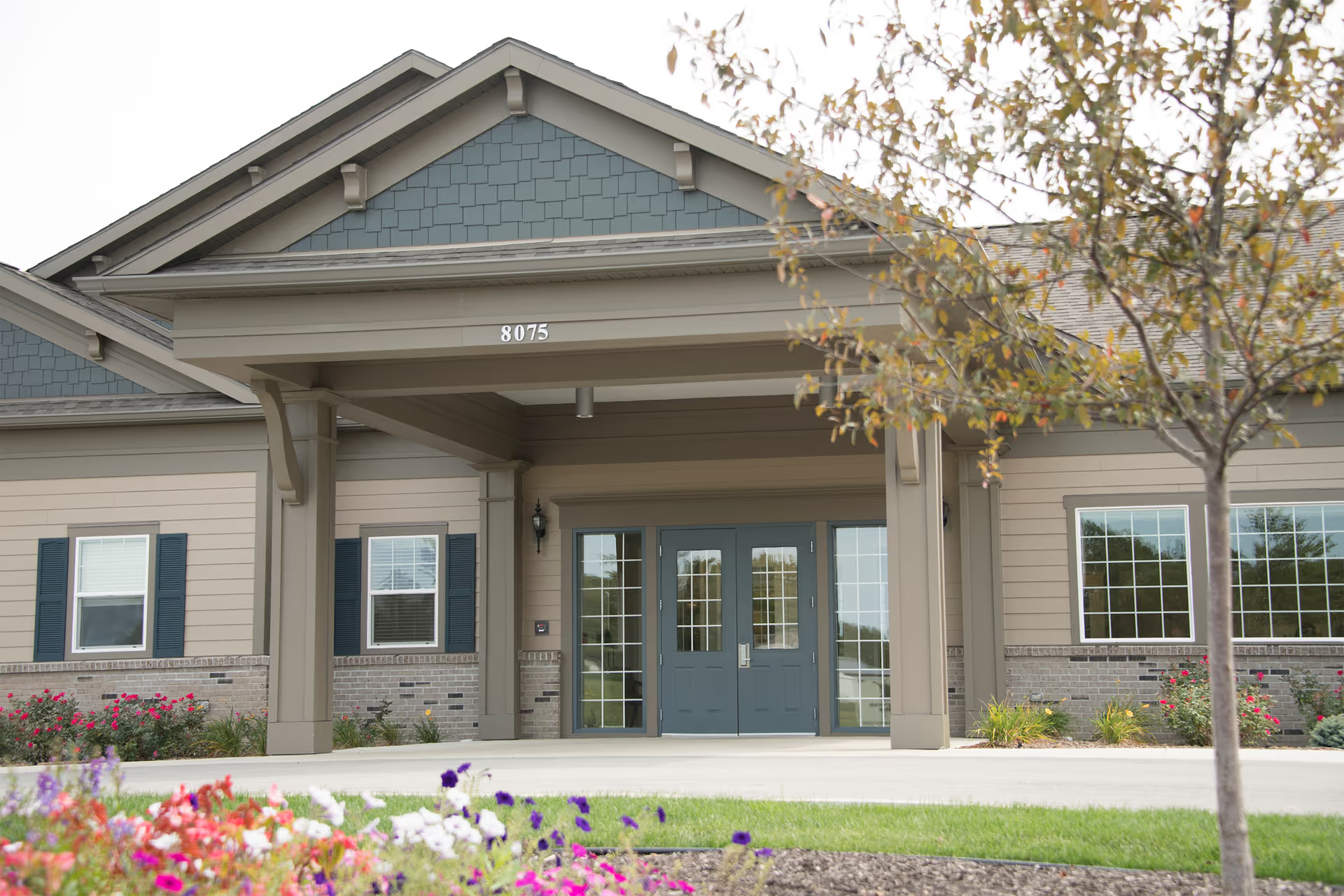
Activities and environment: Recreational programming is a clear strength: frequent activities, outings, games, musical events, and social amenities (game room, common areas) contribute to a lively atmosphere. The facility layout is described as easy to navigate, with brightened spaces after renovations. These features support social engagement and a home-like environment for many residents.
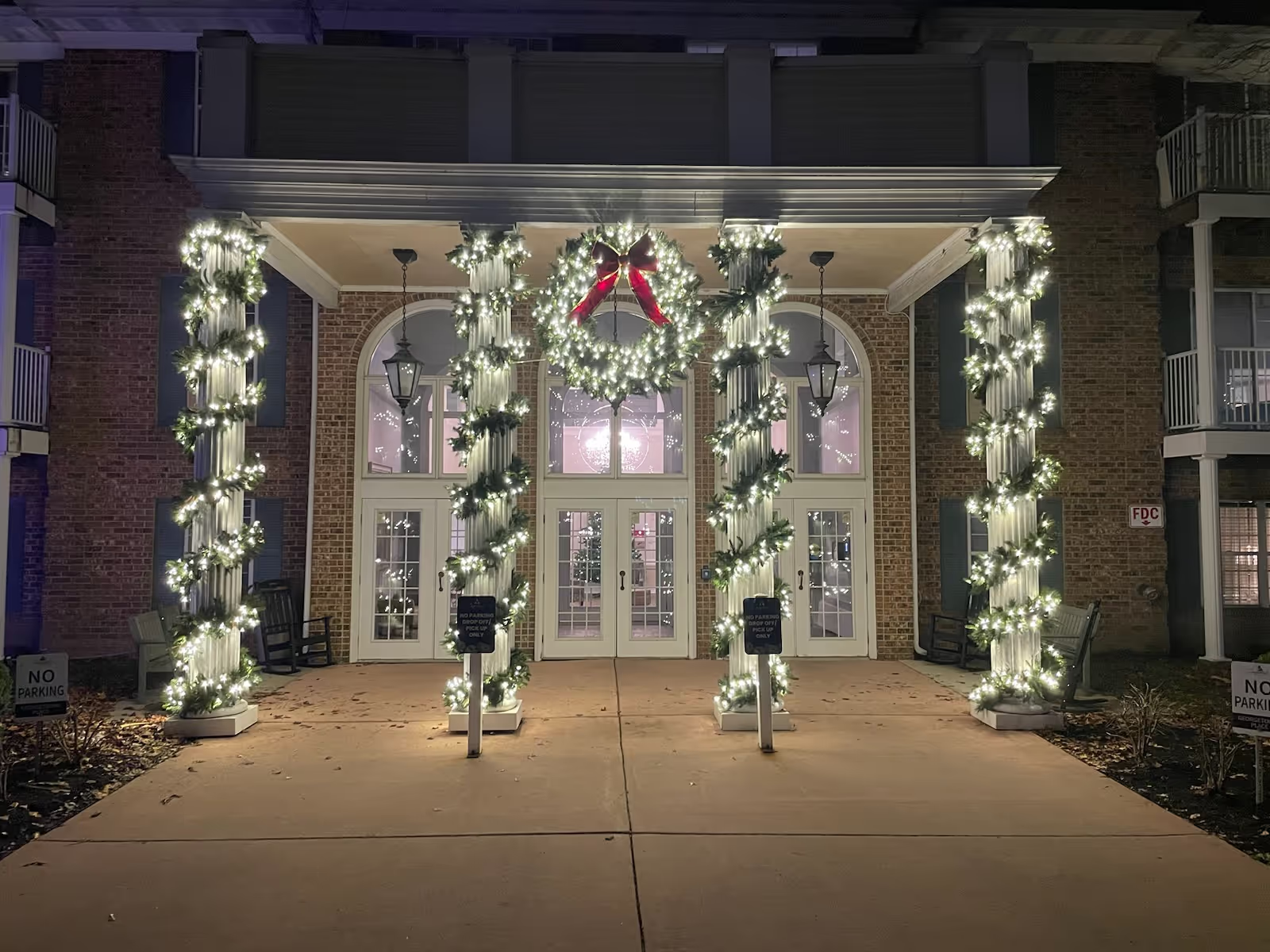
Facilities and equipment: Many reviewers praise cleanliness, renovations, and pleasant common areas. In contrast, others report sanitation concerns in resident rooms and problems with linen management. There are also specific equipment-maintenance issues cited (for example, portable ventilator functionality), indicating a need for stronger clinical engineering and preventive maintenance practices.
Administration and operational patterns: Operational inconsistencies recur across reports: understaffing or staffing variability linked to slow response times, laundry and billing errors, and failures to follow through on requested services (therapy, psychiatric evaluations). Serious administrative issues appear in the form of allegations of theft and financial mishandling and references to regulatory inspections; these warrant careful review by prospective families.
What prospective families should weigh: Glenbrook offers notable strengths in rehabilitation, activities, and an engaged culture in many units, supported by visible leadership and pleasant common areas. However, prospective residents and families should evaluate clinical oversight, staffing adequacy, infection-control and linen practices, dietary coordination, and equipment maintenance during a tour. Ask specifically about emergency escalation protocols, staff-to-resident ratios on the relevant unit, medication-administration checks, preventive maintenance schedules for respiratory equipment, and how the facility documents follow-up on family concerns and complaint resolution.