Reviewer feedback presents a mixed but informative picture. Positive comments emphasize attentive nursing and therapy teams, an active calendar of activities, and a therapy department that supports rehabilitation goals. Families noted friendly staff interactions, useful case-management and social-work communication, and practical services such as laundry, multiple dining rooms (including a space for residents with special needs), menu ordering, and occasional in-room conveniences like water delivery and private showers.
Dining and activities are a clear strength for many: reviewers described a variety of meal choices, regular programming (games, animal visits, and event notices), and engagement that helped some residents regain appetite and morale. Therapy and rehab were singled out repeatedly as effective, and social-work staff were described as informative and helpful in coordinating care and services.
At the same time, there are consistent operational concerns. Several reviewers described variability in staff conduct and responsiveness, ranging from highly supportive caregivers to instances of unprofessional interactions. Related to that, reviewers raised specific clinical concerns tied to assessment and medication practices; these appear to reflect uneven training or oversight rather than a single isolated policy. Dining service reliability was another theme: the kitchen and serving staff were viewed as under-experienced by some families, which affected meal delivery and overall dining experience.
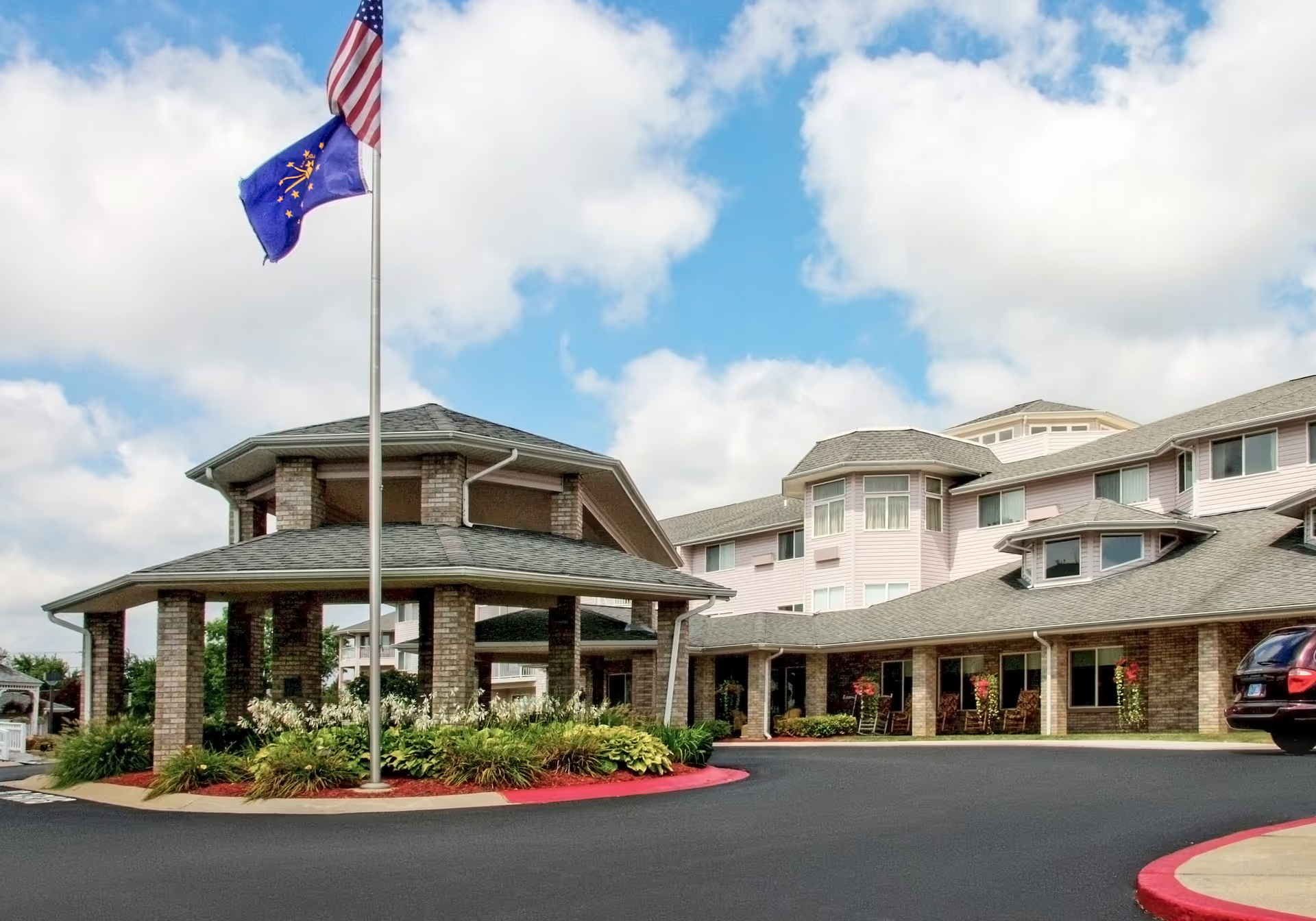
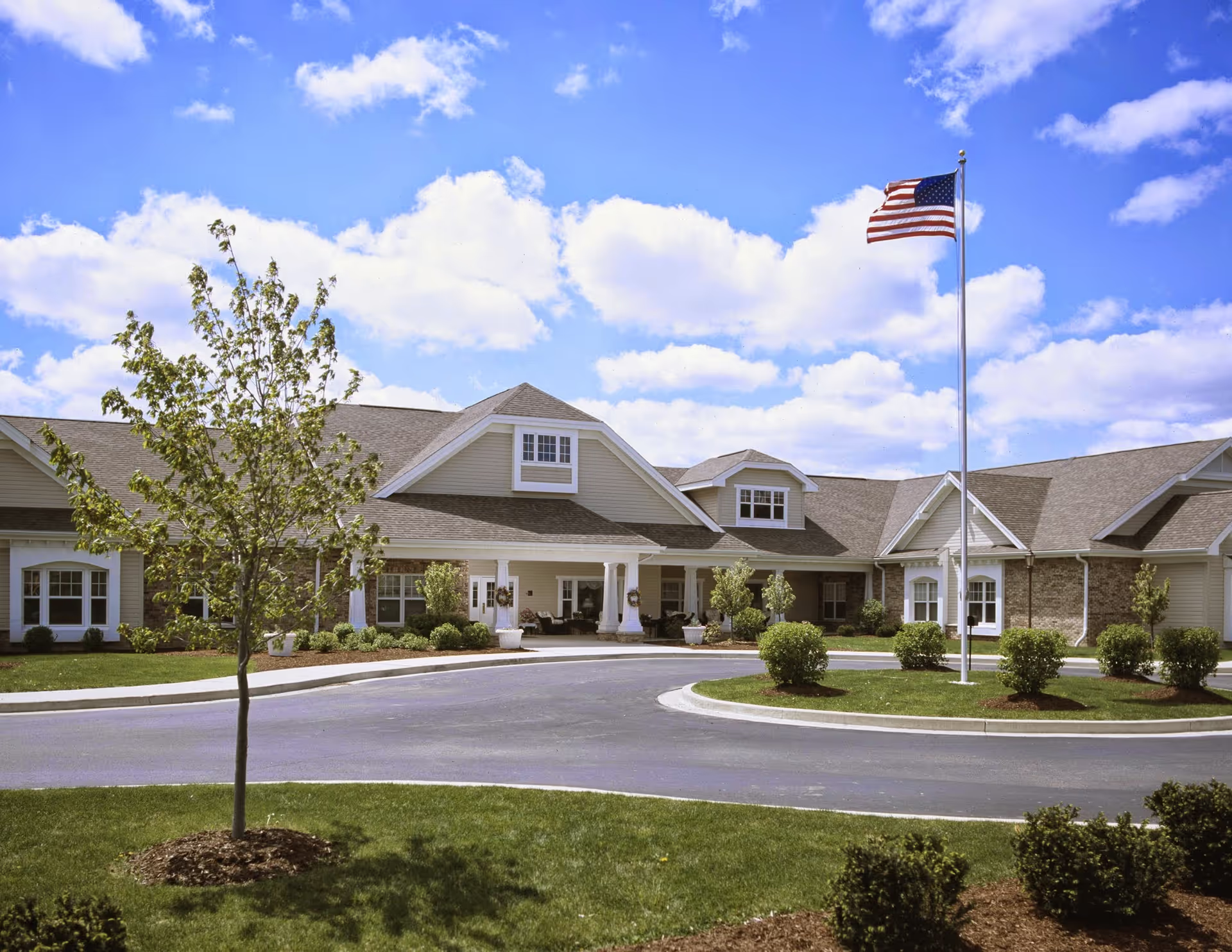
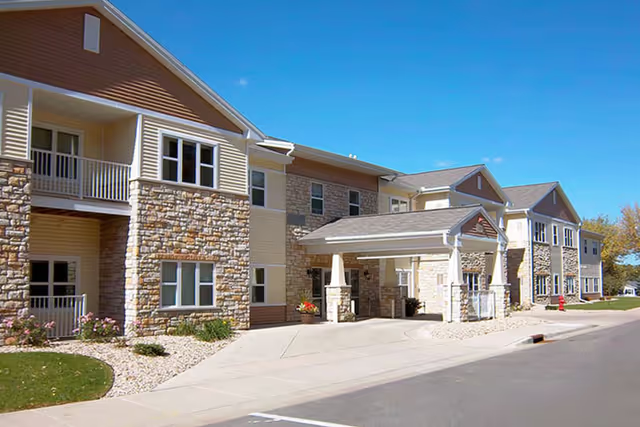
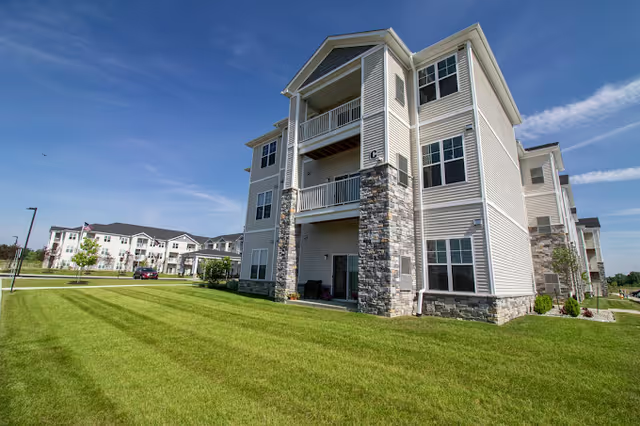
Facility and environment comments were also mixed. Common areas and housekeeping received favorable notes, yet some reviewers described resident rooms as small, institutional-feeling, or lacking homelike furnishings, and noted odor or cleanliness inconsistencies in certain areas. Several families concluded the setting felt better suited for short-term rehabilitation than long-term residential living because of room layout and atmosphere.
For prospective residents and families: confirm current policies on medication administration and pain-management practices, ask how the facility accommodates special diets (including strict gluten-free needs), and inquire about staffing consistency and training for both nursing and dining teams. Also visit resident rooms to assess size and comfort, and review activity and therapy schedules to ensure they match the prospective resident’s needs. Overall, the center demonstrates strengths in therapy, activities, and certain support services, but exhibits variability in staff performance, dining execution, and long-term residential comfort that are worth evaluating during a tour.