Overall impression: Reviews convey a facility that delivers solid clinical care with a consistently praised frontline team, while also exhibiting notable management and culture challenges. Families frequently describe high-quality therapy services, attentive nursing and CNA care, and clear communication during transitions. At the same time, commentary about leadership behavior and staff morale creates a mixed portrait that prospective families should explore further.
Care and clinical services: Multiple accounts highlight skilled clinical judgment and strong rehabilitation offerings; physical and occupational therapy are repeatedly characterized as outstanding. Nurses and CNAs receive frequent positive mention for compassion, responsiveness, and respect toward residents. Reviewers emphasize dignity-preserving interactions and family-focused communication, suggesting reliable care processes and good handoff information at discharge.
Staff and workplace culture: There is a clear pattern of praise for floor-level staff alongside recurring concerns about management. Direct-care employees are described as caring and committed, but reviewers also raise operational concerns about leadership style, perceived favoritism in assignments, and instances of unprofessional conduct by certain leaders. These management-related issues are reported to affect staff morale and retention and may have implications for workplace climate and continuity of care.
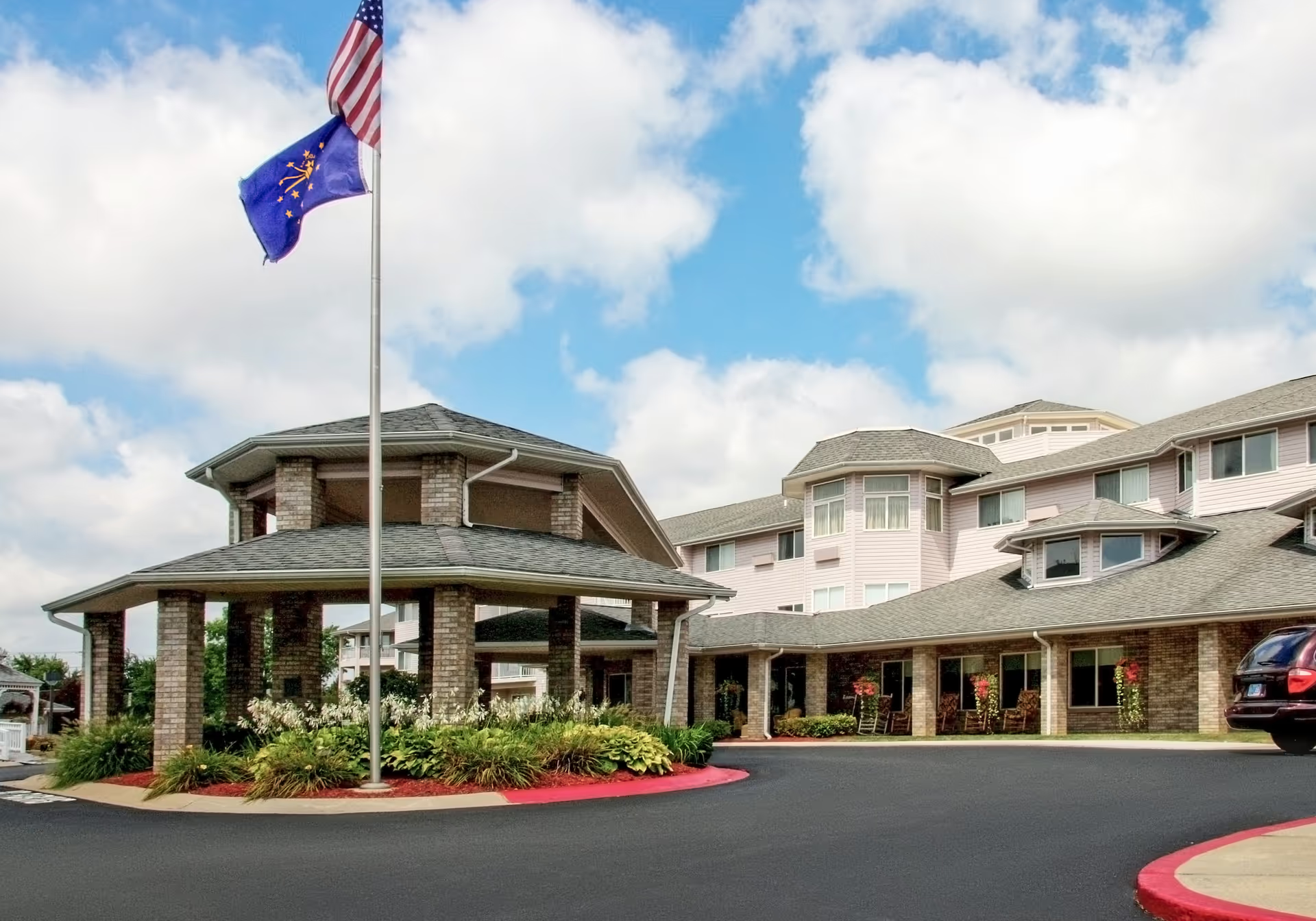
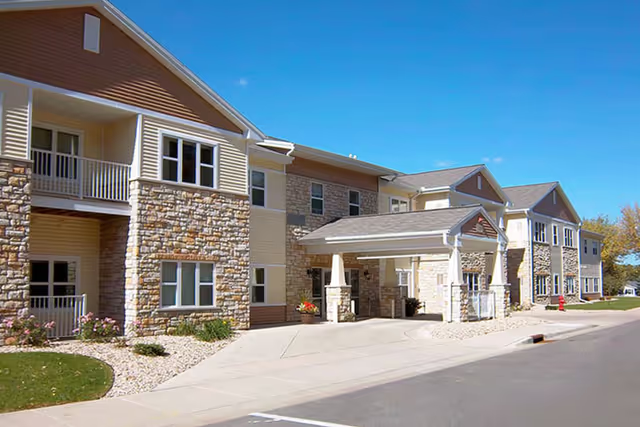
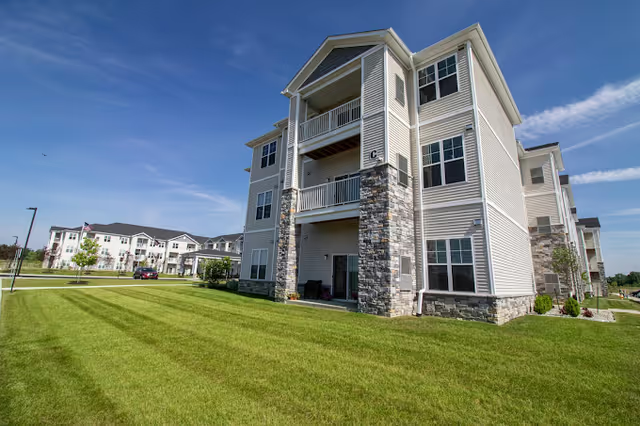
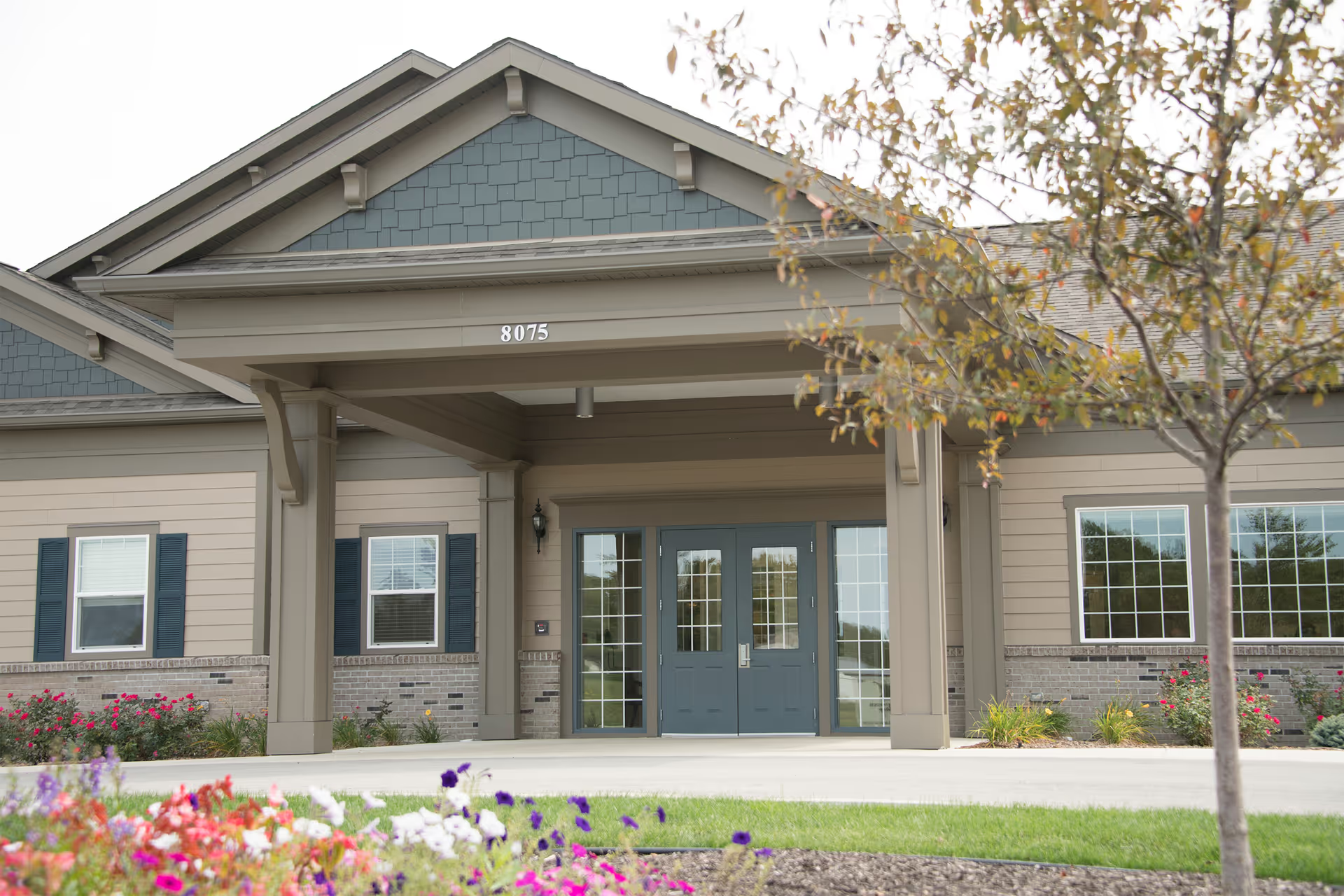
Facilities, cleanliness, dining, and activities: The building is characterized as older but clean and generally well-maintained. Review content does not provide consistent detail about dining quality or the activity program; absence of commentary on these areas means no clear pattern can be established from the available summaries. Prospective families may wish to ask the facility for recent menus, activity calendars, and evidence of ongoing maintenance investments during a visit.
Management and operational patterns: The most consistent operational weakness is centered on leadership and human-resources practices: perceived favoritism, limited career ladders, and low compensation for aides. There are also specific concerns about professional conduct among some managers; in at least one instance this dynamic prompted calls for external review. Conversely, some reviewers identify individual leaders positively, indicating variability in experiences that could reflect recent turnover or uneven supervisory practices.
What to consider as a prospective family: The facility appears to provide strong, compassionate bedside care and effective therapy services, with cleanliness and clinical competence as strengths. However, given the recurring management and staff-morale concerns, visitors should observe leadership interactions, ask about staff turnover, inquire about staff training and advancement opportunities, and request documentation of quality measures and complaint-resolution processes. Direct observation of shift changes and a conversation with both nursing leadership and front-line caregivers can help clarify whether praised bedside practices are supported by consistent managerial oversight.