Reviews of The Terrace at Ft Wayne (Brookdale/The Terrace) show a mixture of strong frontline caregiving and operational inconsistencies. Positive commentary centers on compassionate, resident-focused staff—especially in memory care—an active activities program, clean and welcoming common areas, a pleasant outdoor courtyard, and available on-site therapy services. Many reviewers describe meaningful socialization opportunities, an engaged activities director, and a small, intimate setting that helps staff know residents by name.
Care quality is a central theme with two clear trends. On one hand, families frequently praise caregivers for individualized, dementia-focused attention and responsive day-to-day support; multiple accounts cite helpful nursing staff and effective behavioral management in memory care. On the other hand, persistent concerns about staffing levels, high turnover, and uneven responsiveness appear to affect consistency of care. Reviewers describe operational gaps that have clinical implications—most notably fall-prevention practices, post-incident response, and medication-refill processes—so prospective families should request specific staffing ratios, fall-prevention protocols, and medication-administration policies during a tour.
Dining and activities receive mixed feedback. Several families praise the dining area, special events, and flexible meal choices; others describe inconsistent meal quality (overcooked textures, temperature issues, repetitive menus) and note additional a la carte charges. Activity programming is often highlighted as a strength—bingo, exercise classes, outings, and clubs are commonly mentioned—but availability and scope appear variable by day, unit, and staffing. Visitors should sample a meal, review sample menus, and attend or observe activities at different times to assess consistency.
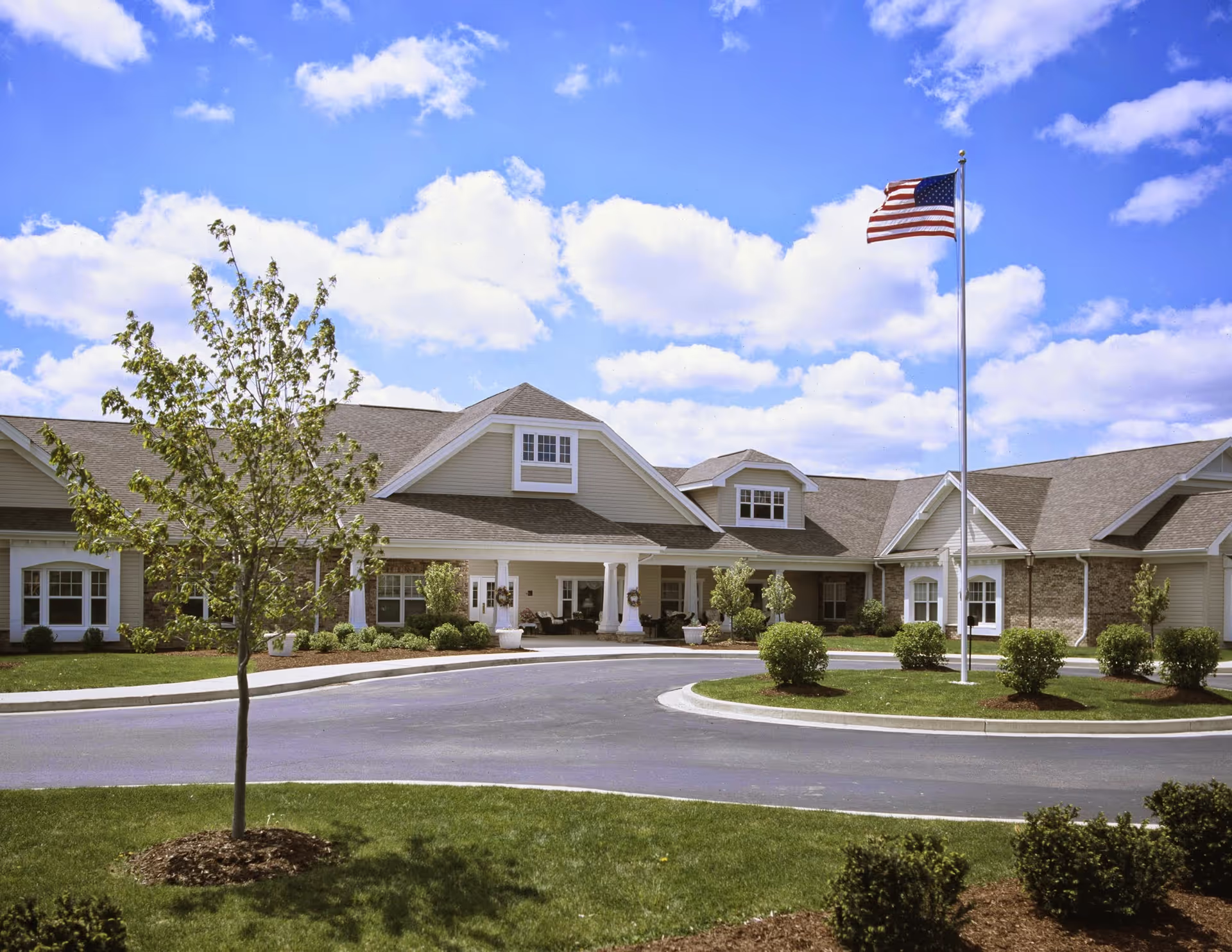
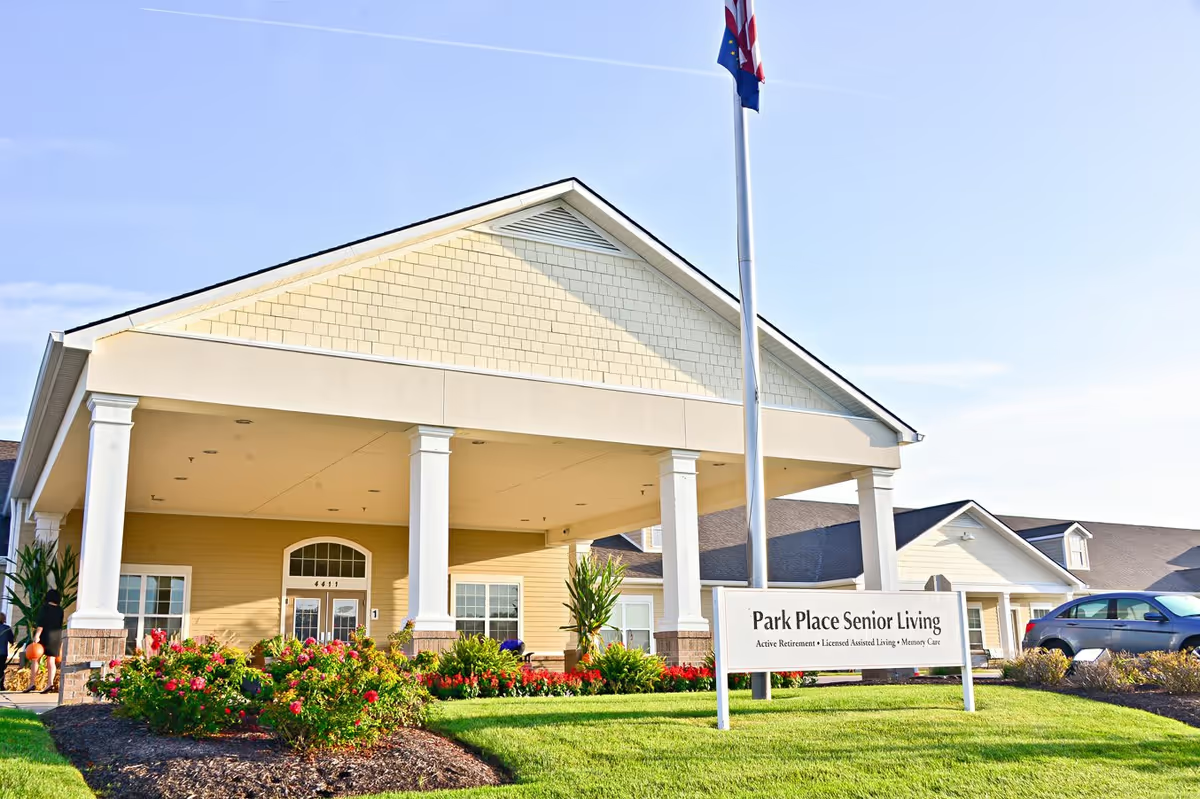
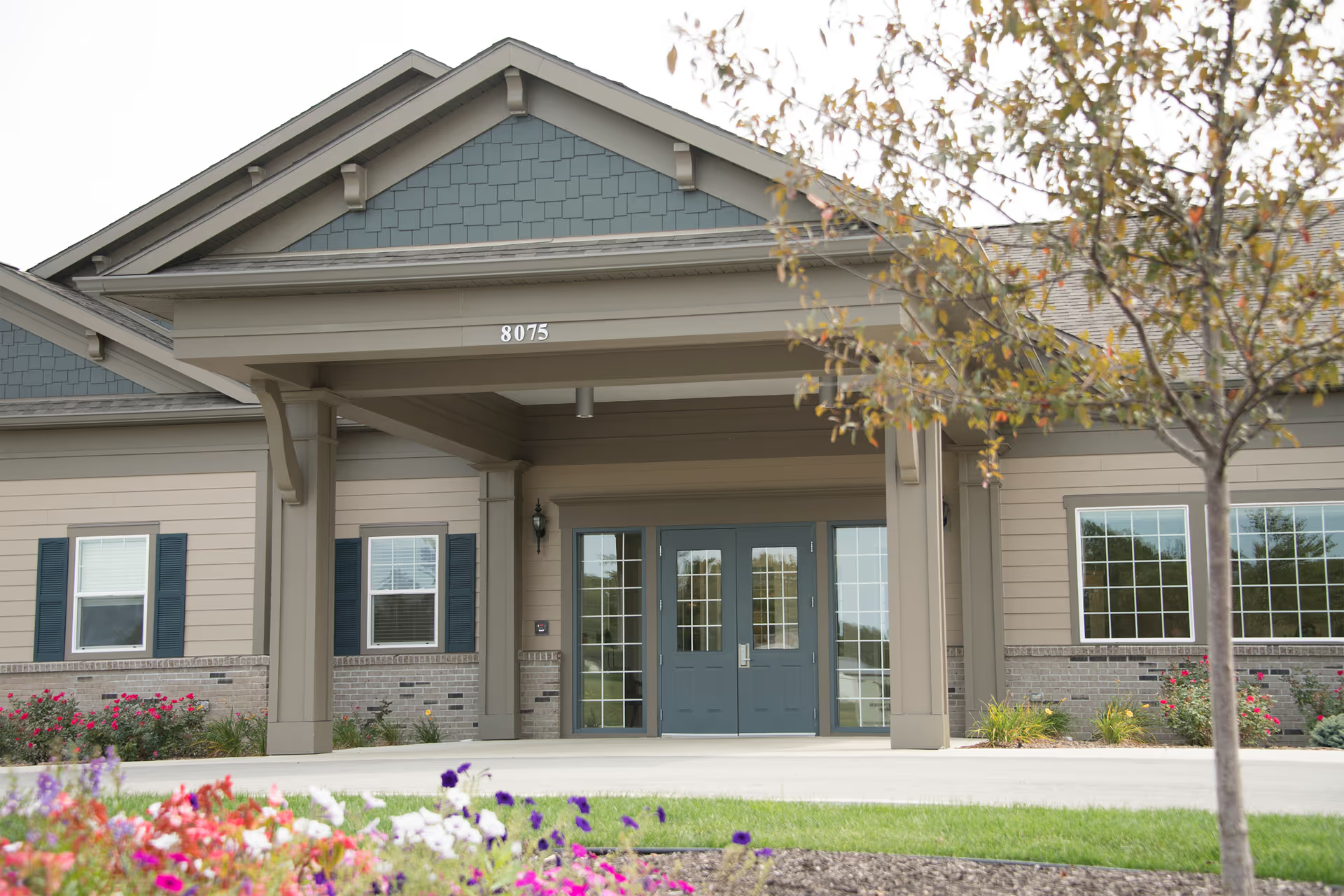
Facility condition and maintenance likewise show a split pattern. Public areas and recently renovated spaces are described as clean and attractive, and the courtyard is a repeated positive. At the same time, some reviewers report housekeeping lapses (dusting, carpeting, bathroom cleaning), isolated plumbing or fixture issues, and older room finishes with limited in-room amenities such as kitchenettes. Management notes an ongoing remodeling program and ownership/branding changes; timelines for unit updates vary.
Administrative and management matters are another recurrent topic. Reviewers cite management turnover, unclear fee breakdowns, phone-system and communication glitches, and variable responsiveness from home-office channels. While many families commend site-level staff for proactive communication, others experienced unclear billing practices or difficulty getting timely administrative answers. Prospective residents should request a clear written fee schedule, ask about recent staffing and leadership changes, and clarify how family communications are handled.
Notable patterns and recommendations: the facility’s principal strengths are its engaged caregiving teams, memory-care skillset, active programming, and pleasant communal spaces. The principal risks relate to operational consistency—staffing stability, fall prevention and incident response, medication processes, housekeeping/maintenance follow-through, and fee transparency. When evaluating this community, observe care and activities at different times of day, meet nursing leadership, review recent inspection or incident records, confirm housekeeping and maintenance schedules, sample meals, and obtain a detailed written contract and fee breakdown. These steps will help families weigh the facility’s clear interpersonal strengths against documented operational variability.