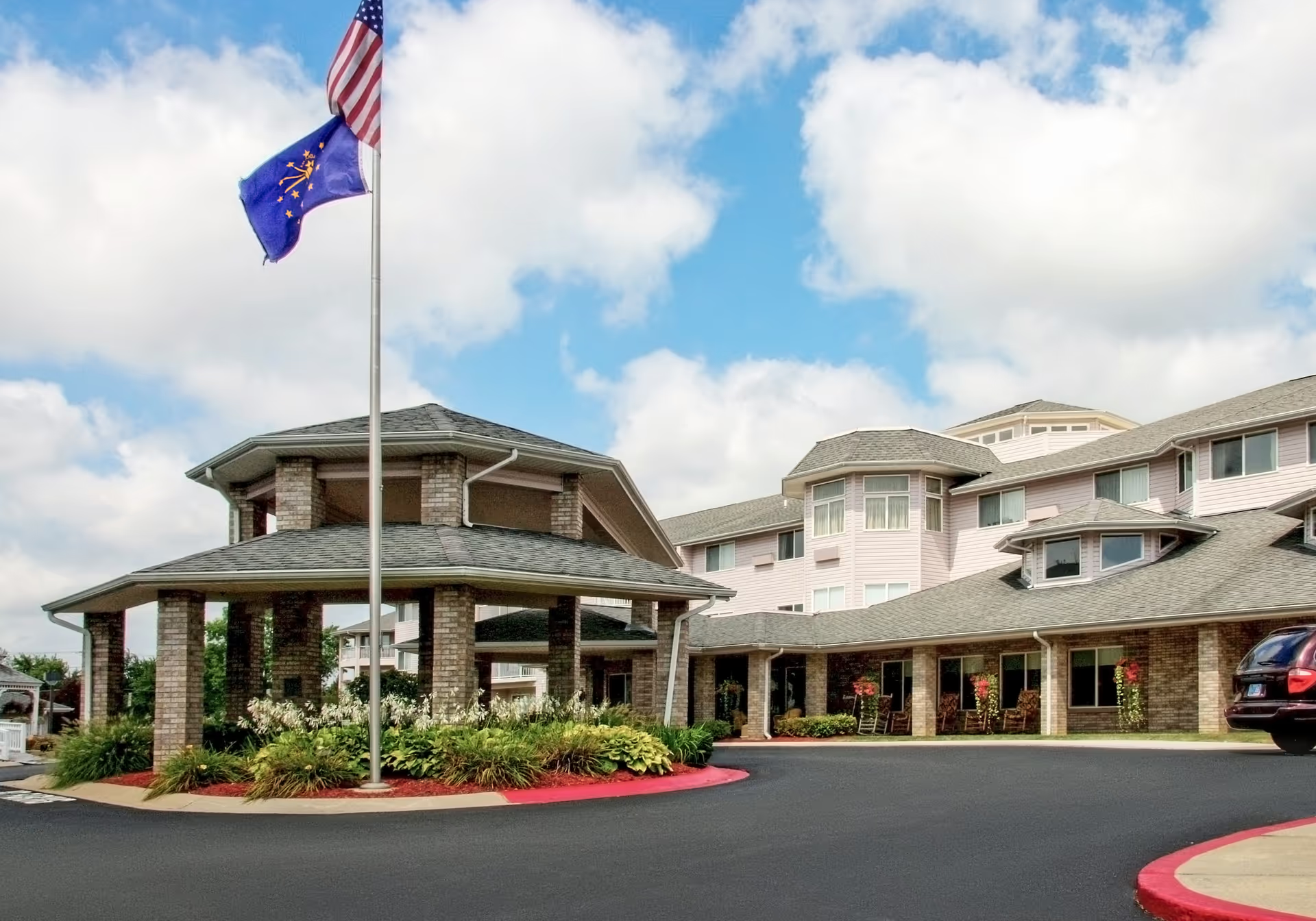
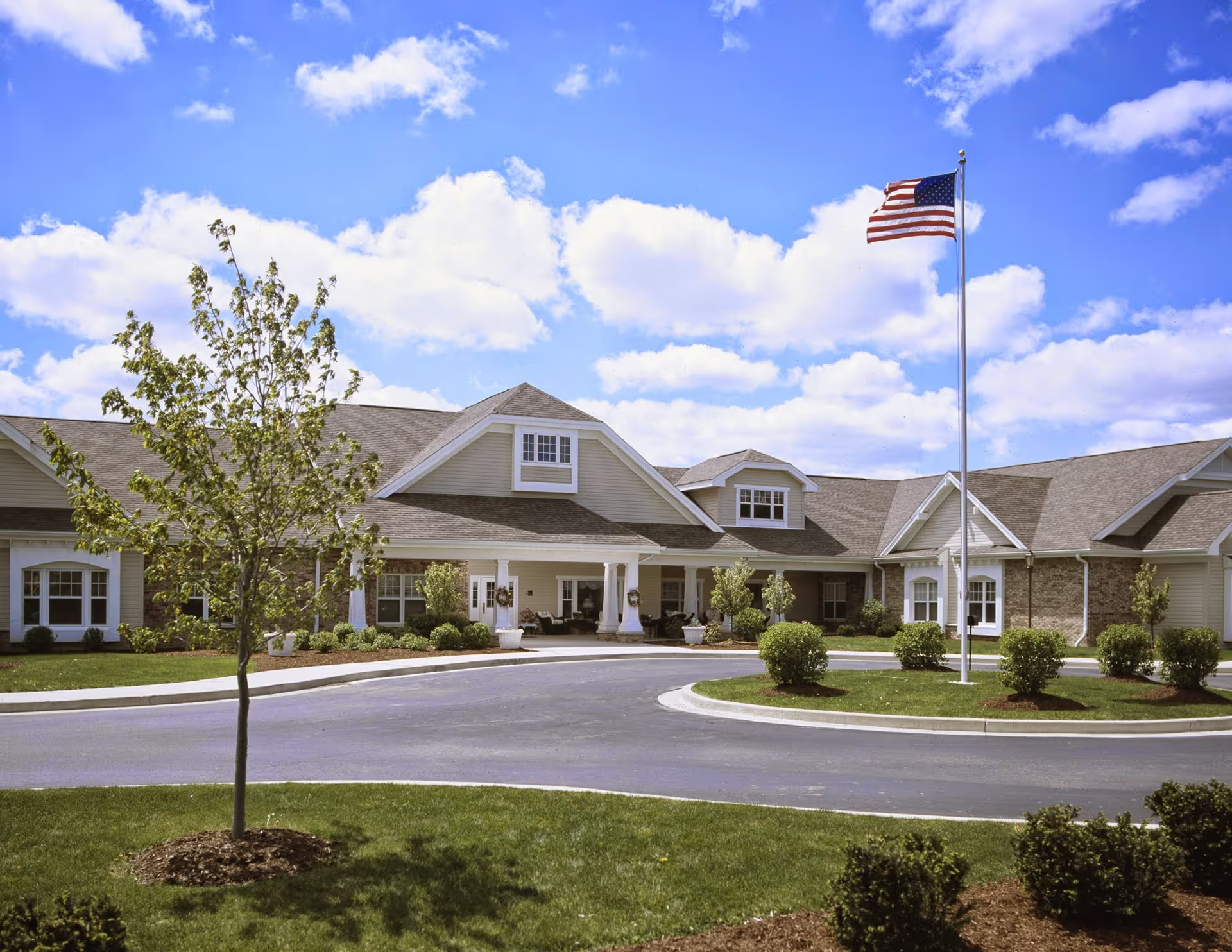
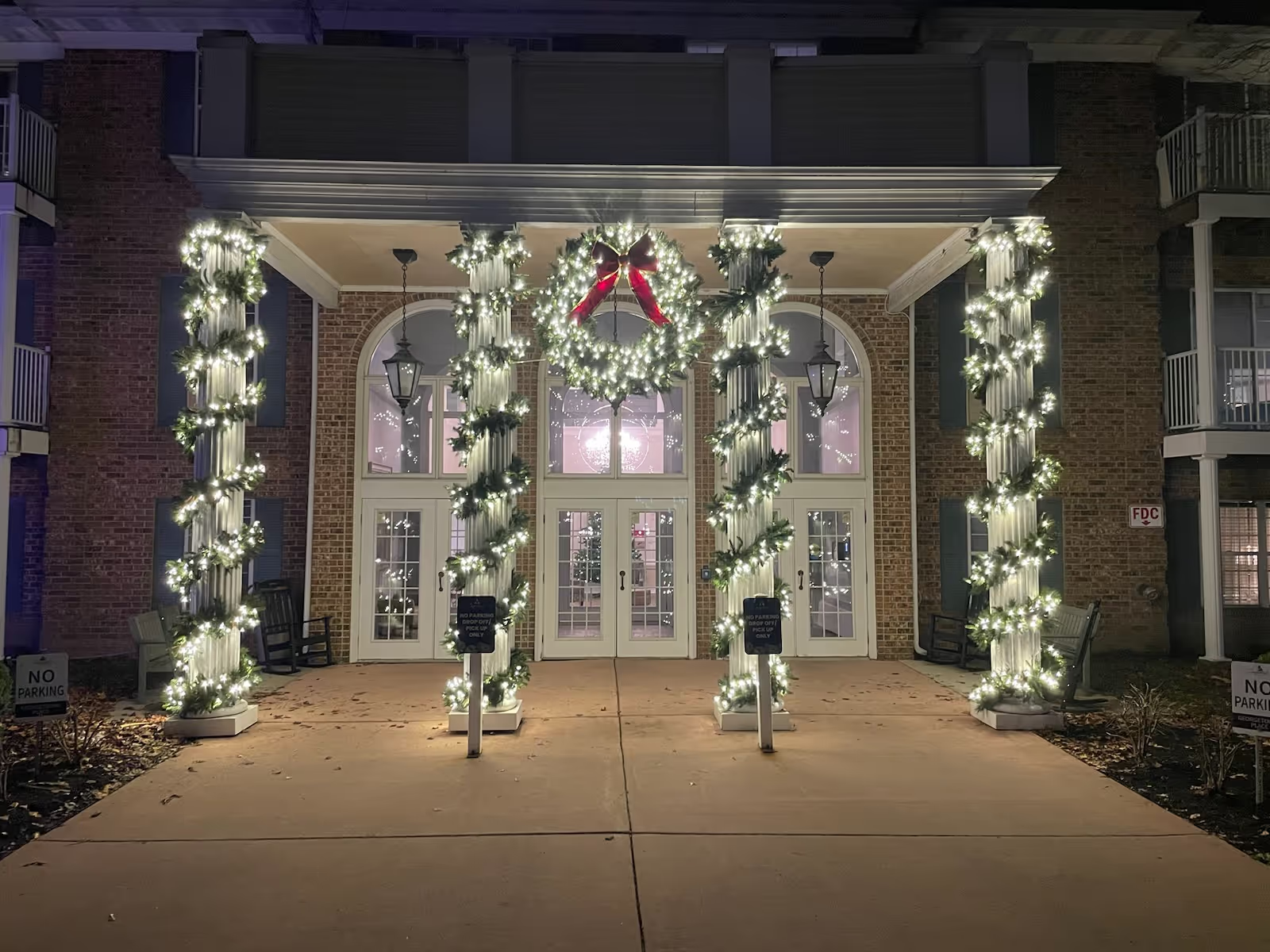
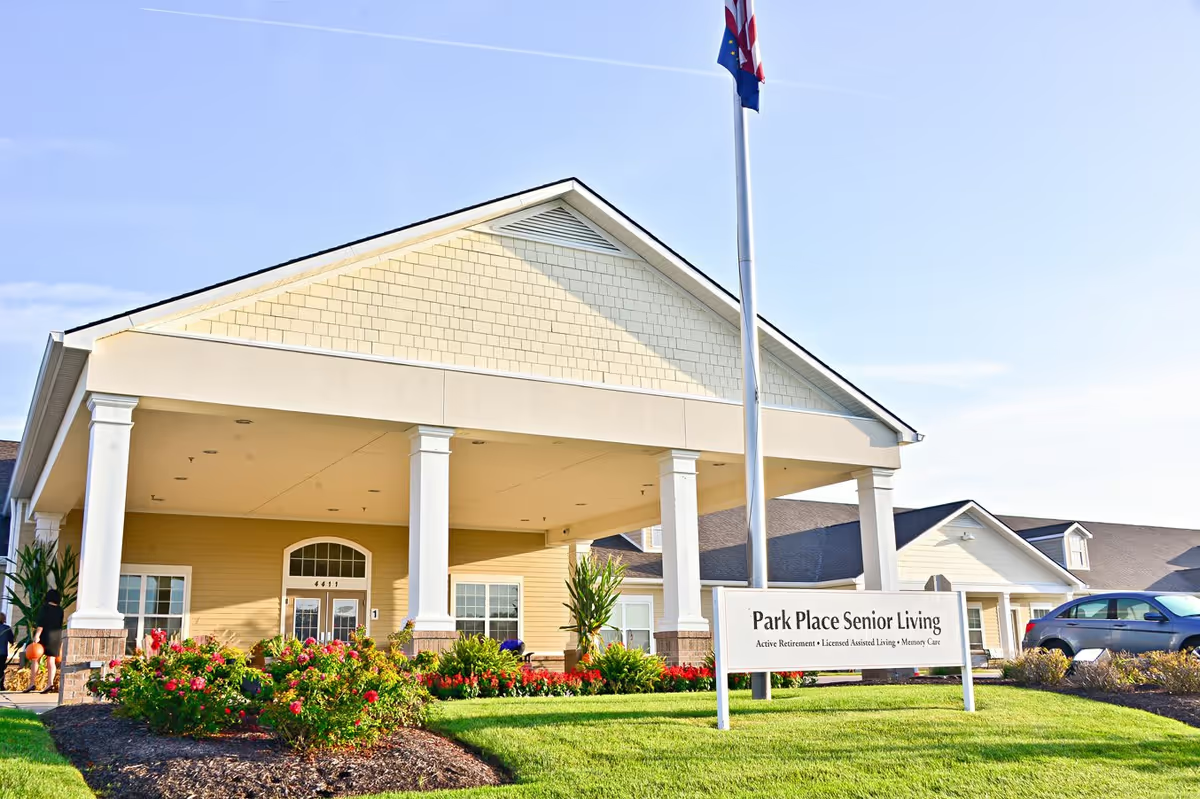
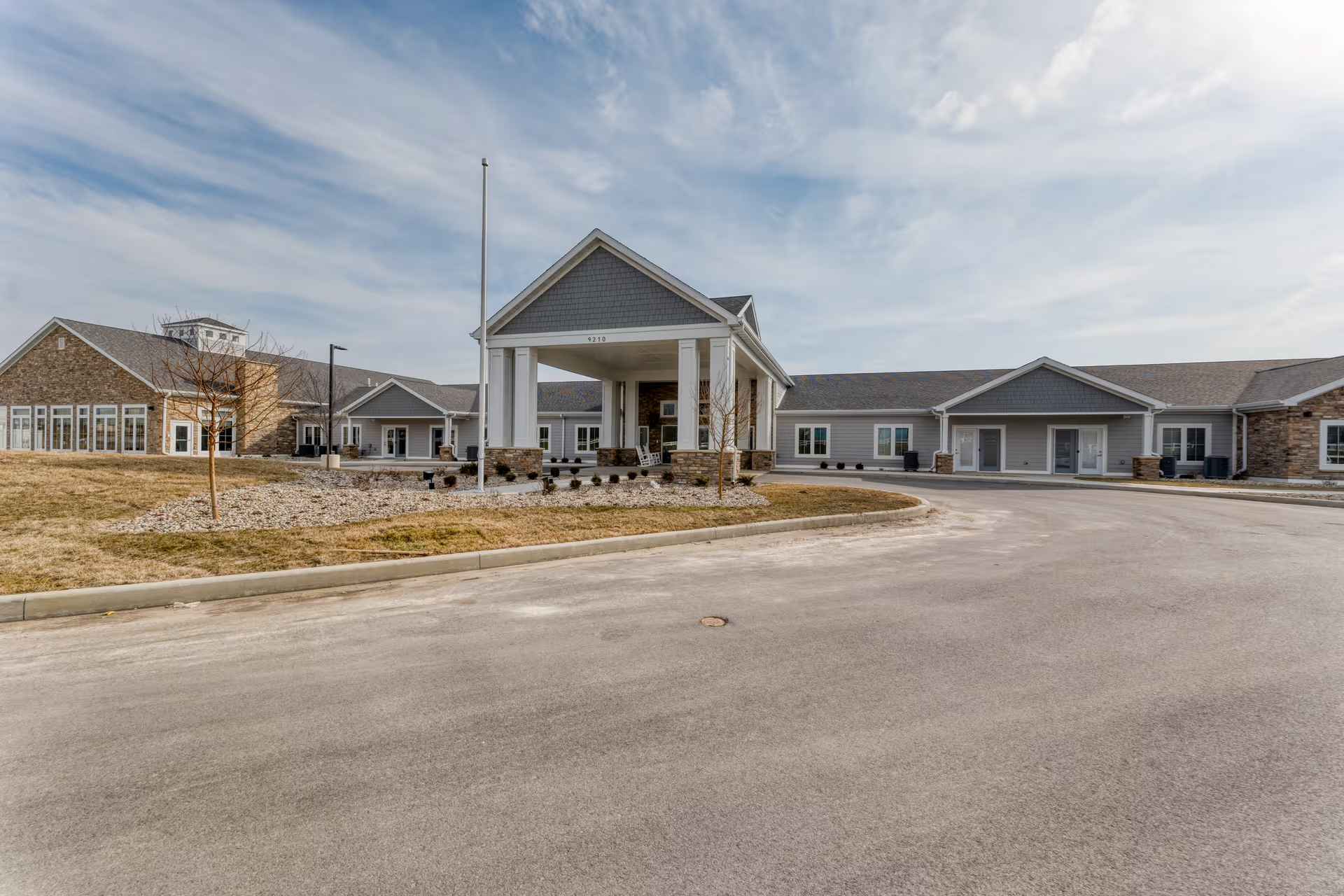
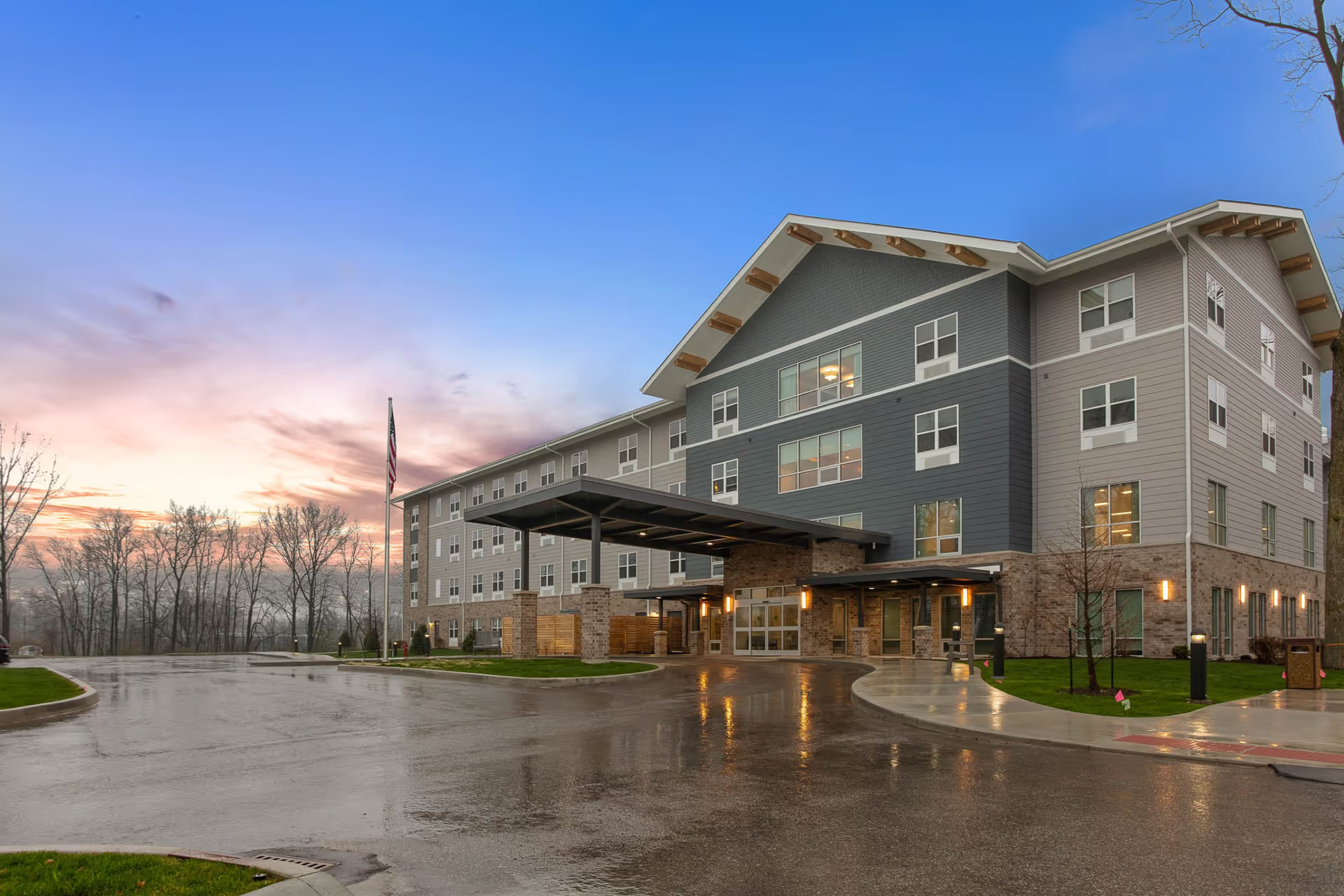
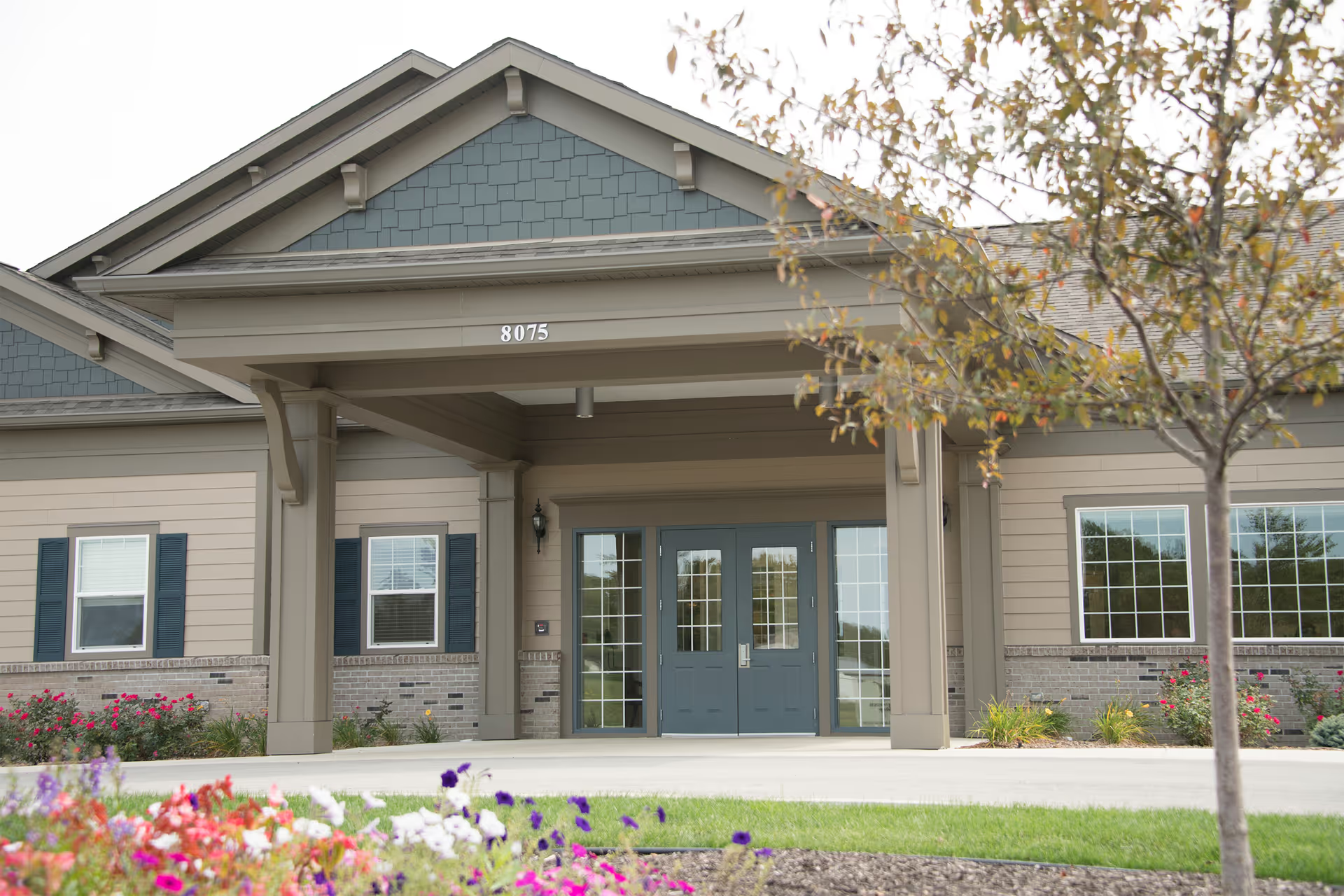
The Towne House Retirement Community presents a strong amenity and services profile: reviewers consistently highlight well-maintained, hotel-like facilities and pleasant grounds, spacious clean apartments (including two-bedroom first-floor units), multiple dining venues, on-site grooming and podiatry services, indoor parking, and a robust activities program that includes card games, bingo, billiards, and a small movie theater. The community operates as a nonprofit and many families praised its infection-control measures and the vibrancy of resident life. Rehabilitation and therapy services (including daily PT/OT for some residents) and a health center supporting transitions between care levels are noted strengths.
Staff and care quality elicit mixed but informative feedback. Numerous comments describe caring, patient, and compassionate staff, prompt responsiveness, respectful interactions, and positive outcomes in the rehab unit and during COVID-control efforts. At the same time, a set of substantive operational concerns recurs: inconsistent staffing coverage (including questions about whether clinical coverage is continuously available), gaps in medication-administration controls, and variability in adherence to individualized care plans. Several accounts point to limited supervision mechanisms for residents with cognitive impairment (reliance on call-button systems) and occasions when that approach has led to adverse outcomes. These highlight potential weakness in monitoring and resident-safety processes rather than a uniform picture of poor care.
Dining and programming are generally seen as assets. The facility offers multiple dining choices, customizable meal options, and a daily meal allowance; however, the food-service model is outsourced, and some families described variable meal quality and continuity. The activity schedule and transportation offerings (including a shopping bus and excursions) contribute positively to resident engagement and quality of life.
Management and family communication show both strengths and variability. Many reviewers praised helpful, accommodating staff and clear family communication when care needs were proactively managed. Conversely, some families experienced inconsistent communication tone, delays in addressing individualized care concerns, and perceptions of staff rudeness. Cost is another factor to weigh: several comments emphasize premium pricing.
For prospective residents and families: verify staffing ratios and clinical coverage across all shifts, request written examples of individualized care plans and medication-administration protocols, ask how residents with cognitive deficits are monitored beyond call-button systems, and sample the dining options to assess food-service continuity. Observe interaction quality during different shifts, confirm contract details about dining allowances and outsourced services, and review security and emergency-response procedures. These steps can help align expectations with the community’s strong amenities while clarifying operational areas that families have identified as inconsistent.