Overall impression: Reviews describe a facility with many strong interpersonal and clinical strengths alongside notable operational inconsistencies. Positive comments emphasize compassionate nurses, attentive night staff, and therapists who produce meaningful rehabilitation outcomes. Housekeeping and the physical environment receive repeated praise for cleanliness and upkeep, and many families characterize staff interactions as respectful, personalized, and family-like.
Care and staff: Clinical care is described as a mixture of reliably strong professional attention (especially from licensed nurses and therapists) and variability at the aide level. Physical and occupational therapy are frequently cited as effective for short-term rehab goals. Nursing staff are often described as caring and responsive, but reviewers also cited inconsistent direct-care staffing levels that correlate with variable personal-care practices. There are recurring concerns about medication timing and administration consistency that prospective families may want to discuss with the care team.
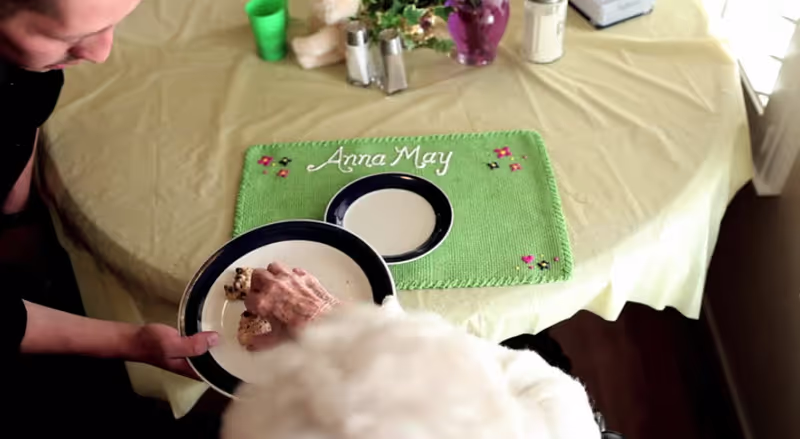
Dining and activities: Activity programming and resident engagement are viewed positively; reviewers mention regular recreational offerings that contribute to a family-like atmosphere. Dining impressions are mixed: the facility is generally clean and organized, but several reviewers noted problems with menu accuracy and uneven meal quality or delivery timing.
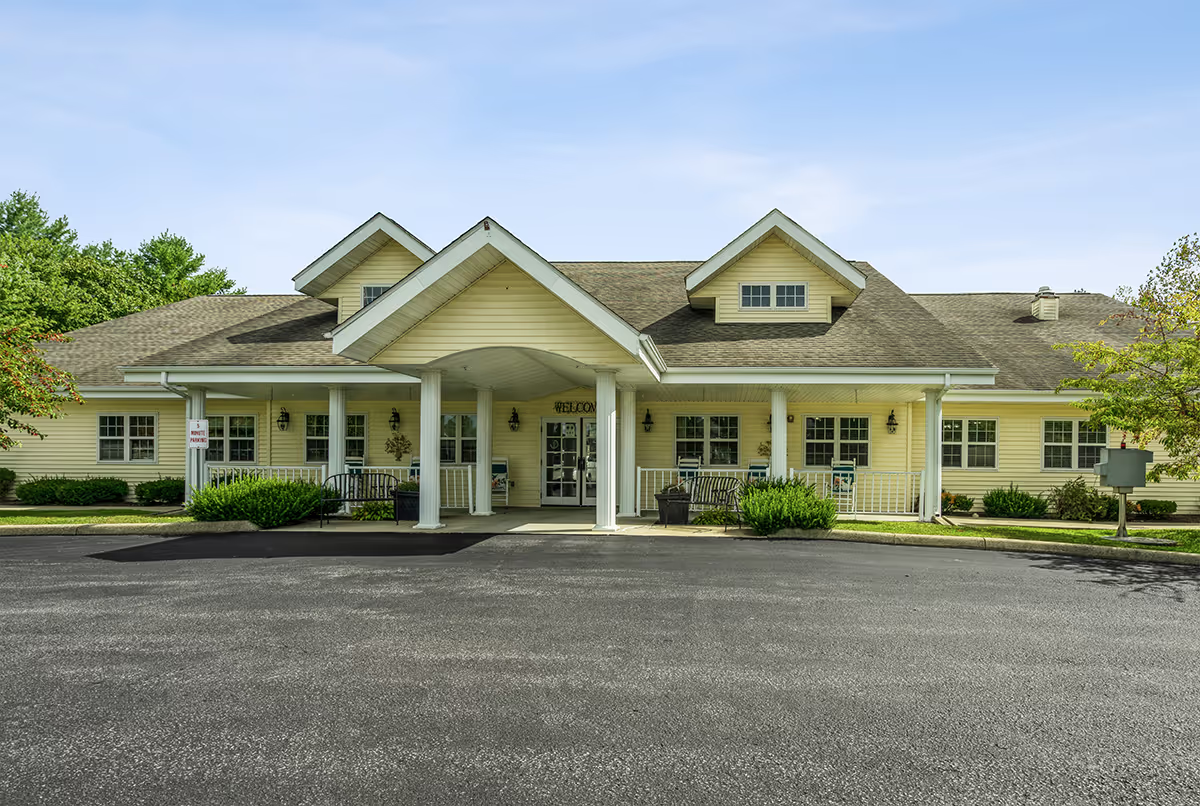
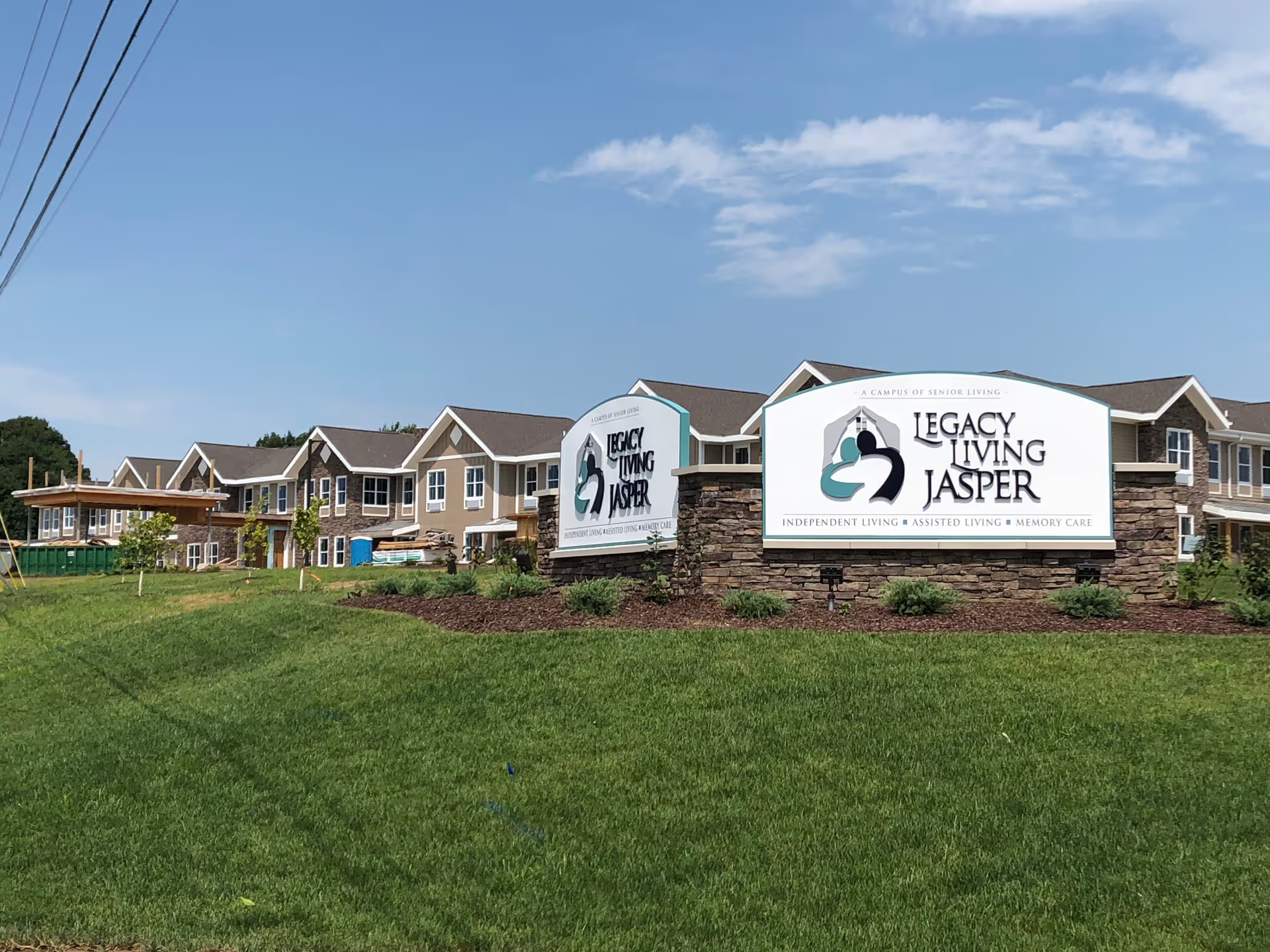
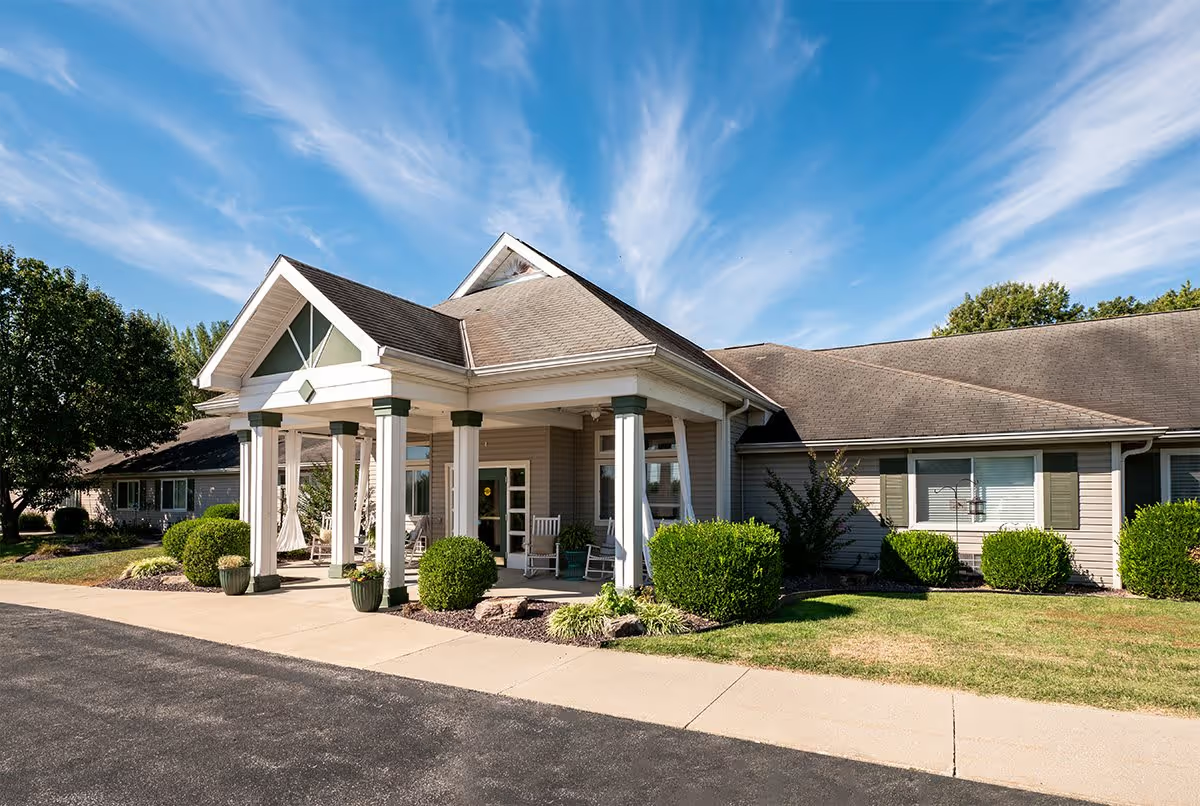
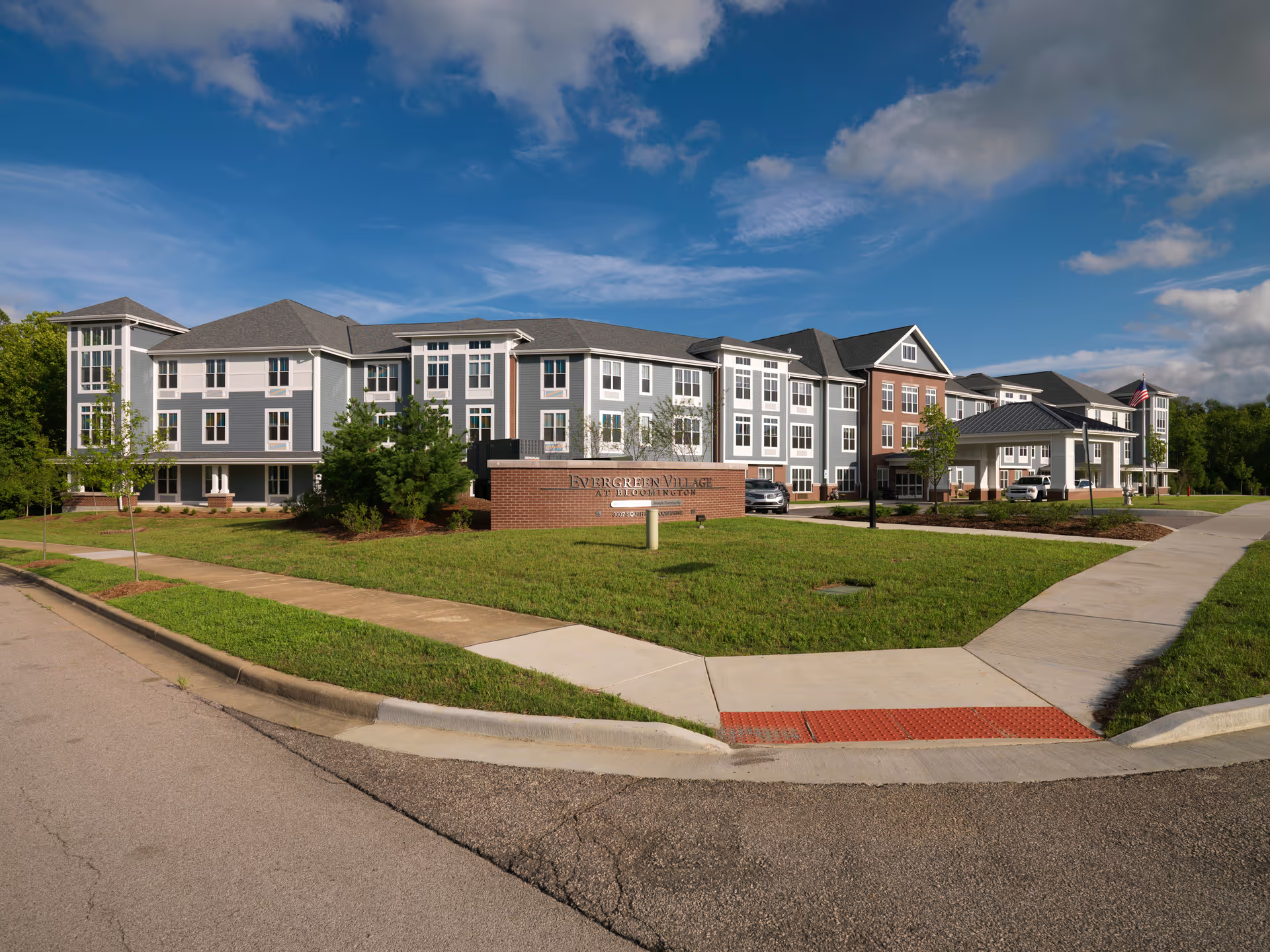
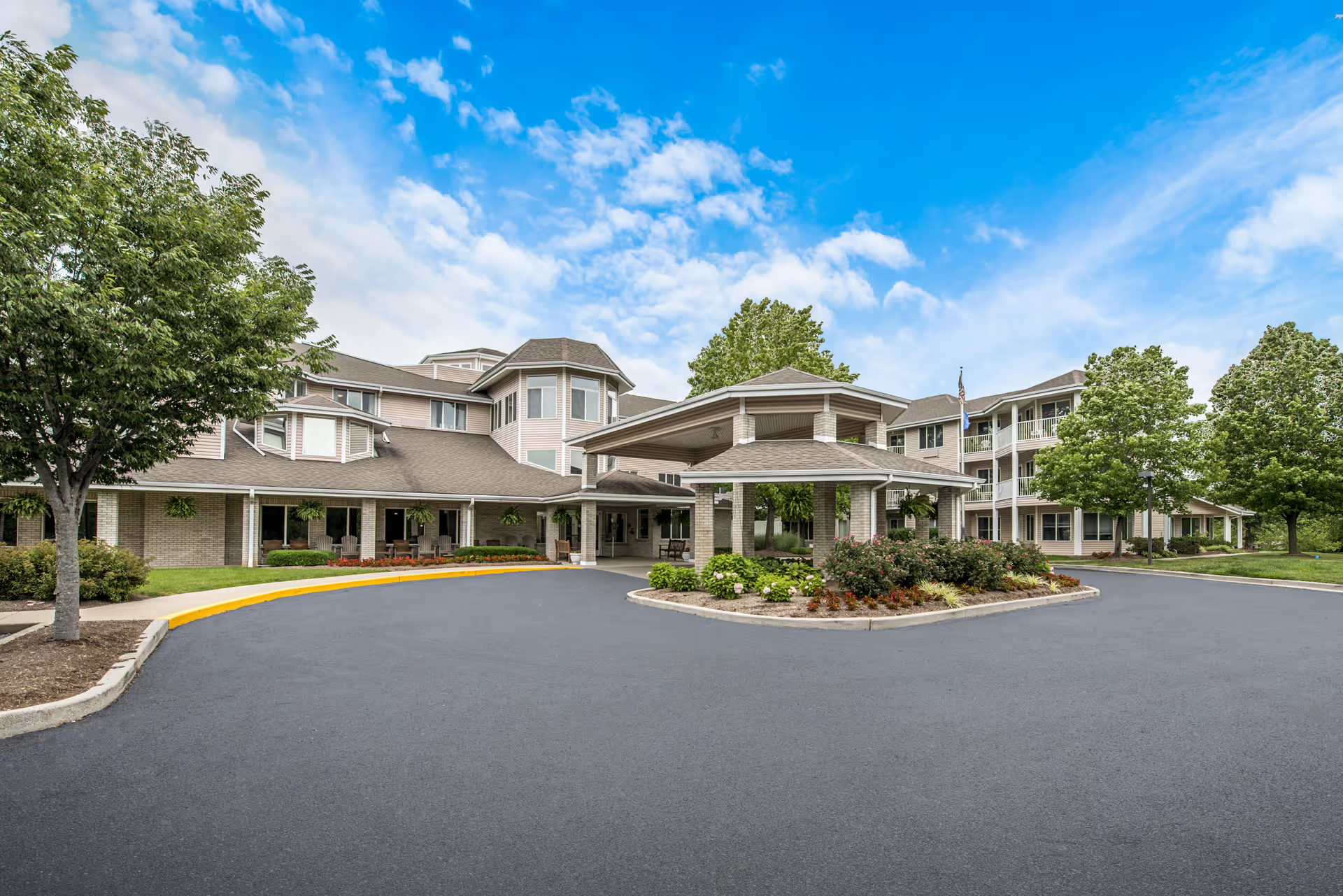
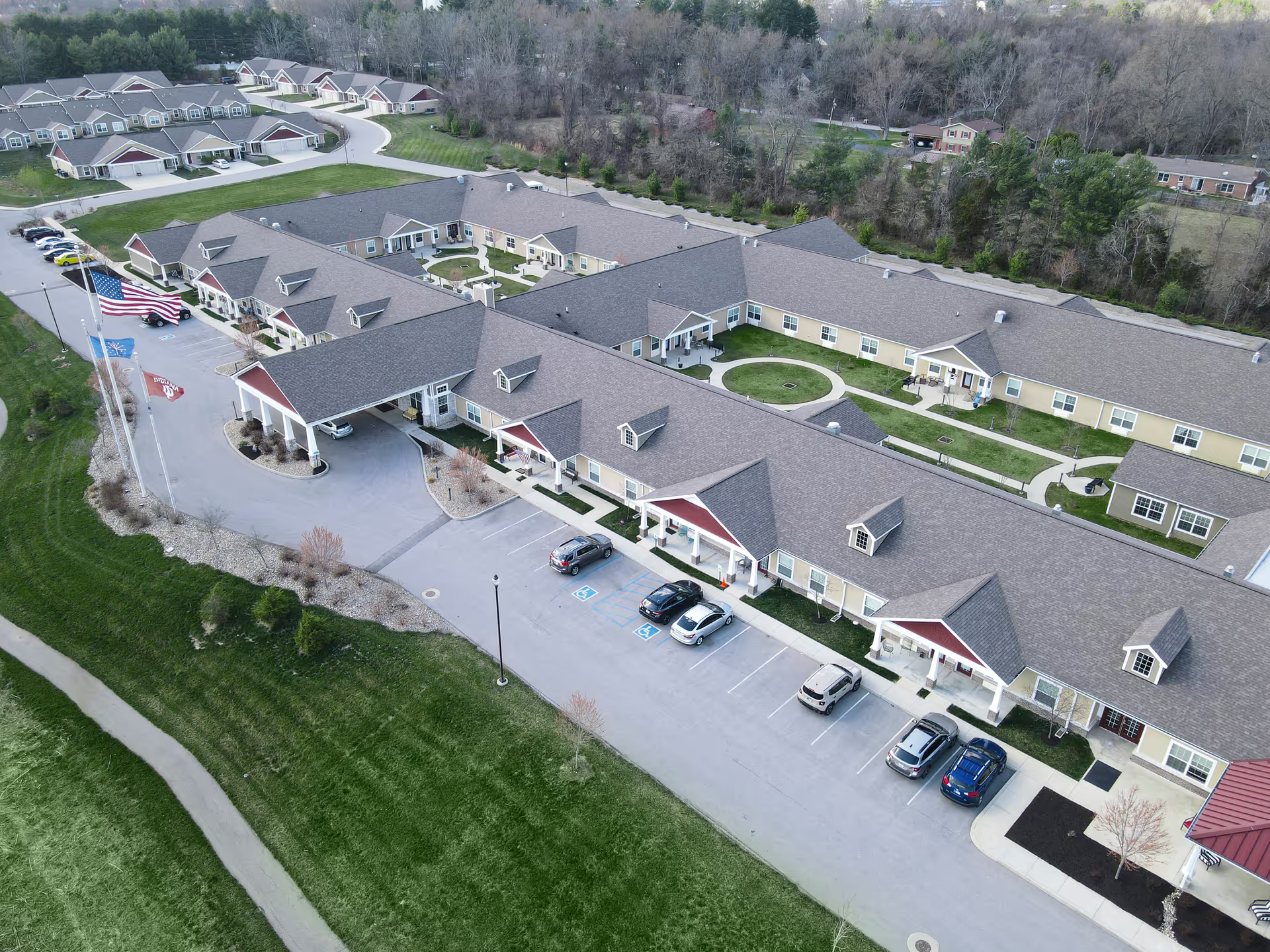
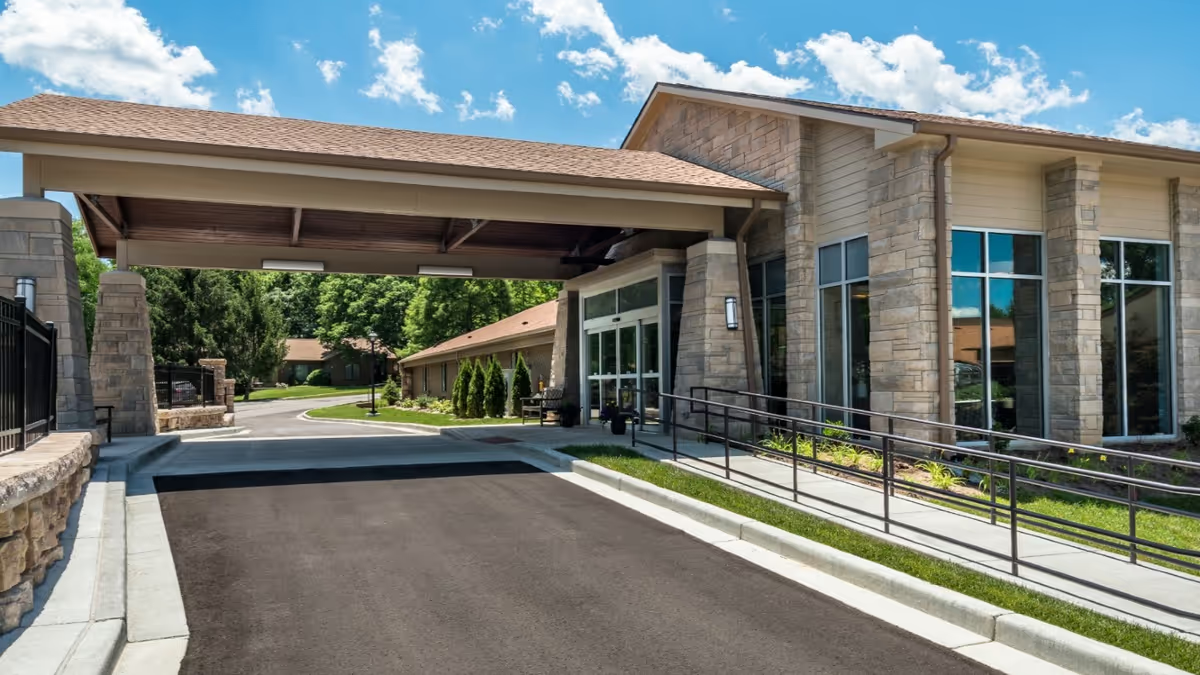
Facilities and environment: The physical environment is a consistent strength. Multiple comments highlight a neat, attractive building and well-maintained rooms and common areas. Housekeeping and dietary departments receive specific praise, which supports a generally positive impression of day-to-day facility maintenance.
Management and communication: Communication practices are uneven. Many families report open, helpful communication and regular updates, while others describe gaps in orientation (for example, how to call for help, location of amenities, or meal procedures) and periods when staff responsiveness felt limited. A small number of families raised a serious, individual concern regarding post-mortem documentation and coordination that generated significant distress; this points to a need for clearer policies and family-facing procedures around end-of-life paperwork and legal sign-off.
Notable patterns and considerations: The dominant pattern is strong interpersonal care from licensed staff and therapists combined with operational variability tied to staffing and process controls. Prospective residents and families should consider asking about current staffing ratios, how aide performance and orientation are supervised, medication-administration protocols, dementia-care approaches, meal-service procedures, and the facility’s procedures for end-of-life documentation and family communication to assess whether the operational practices match their expectations.