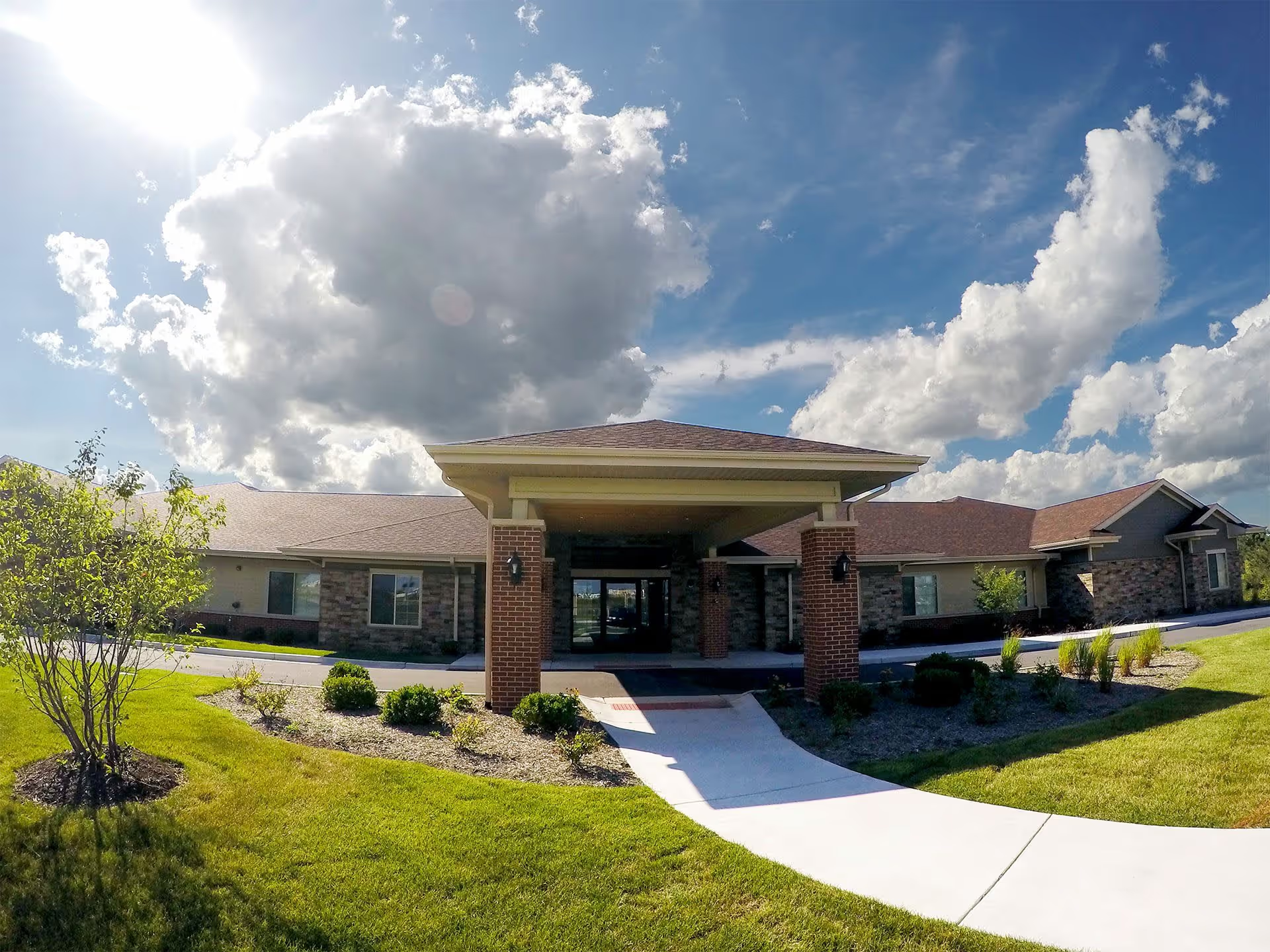
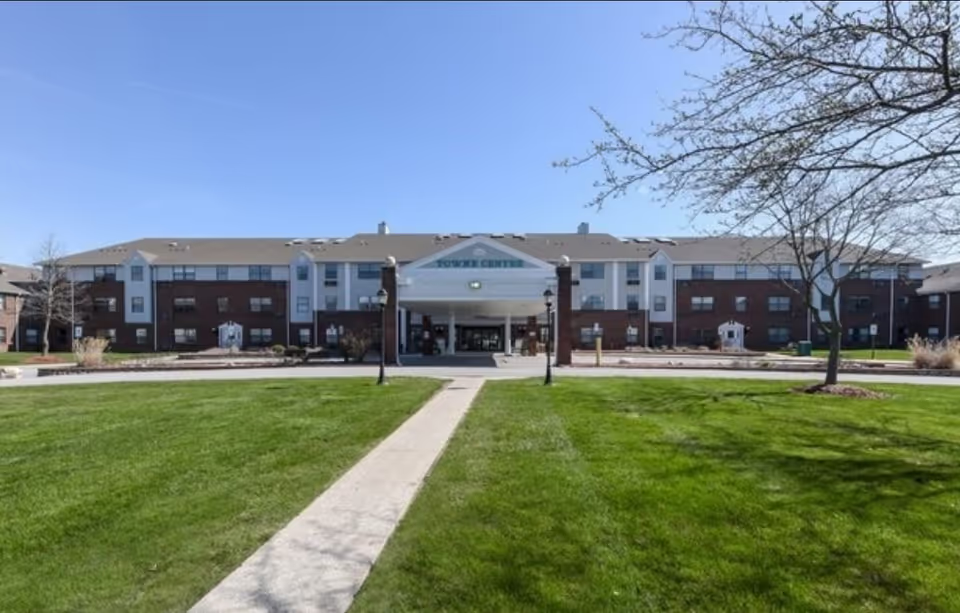
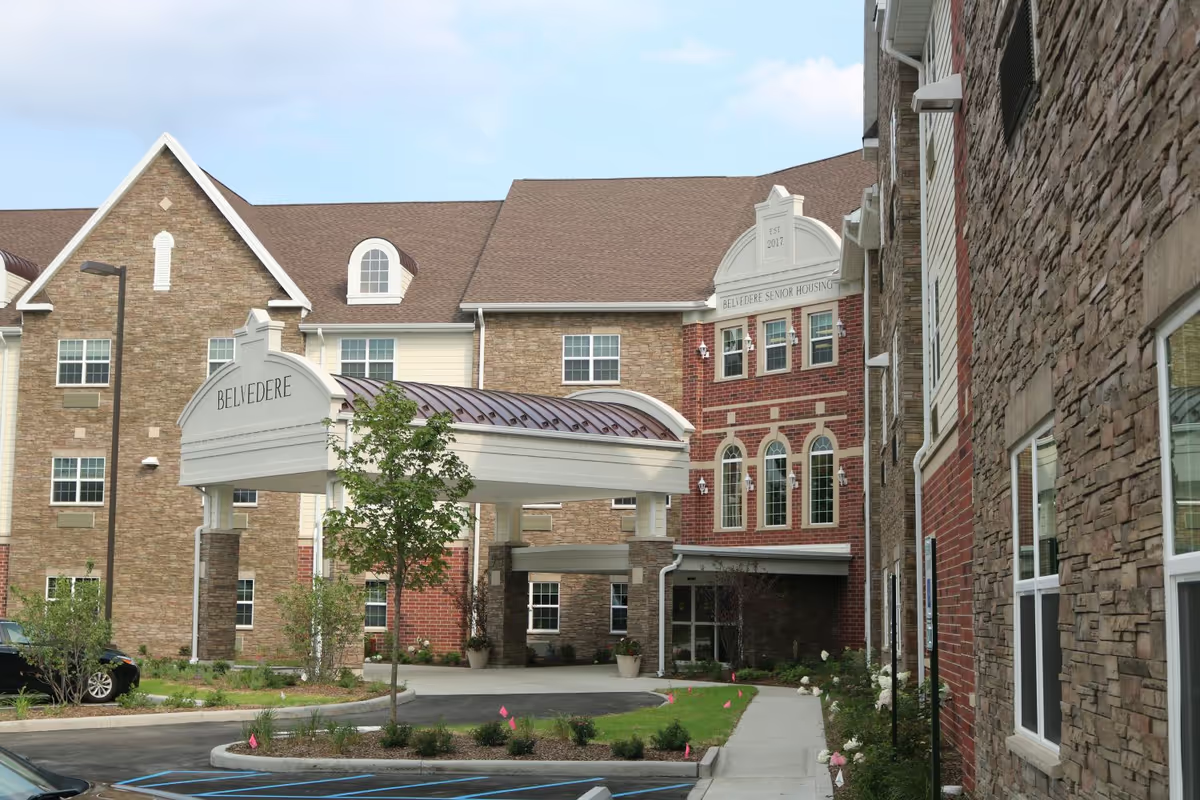
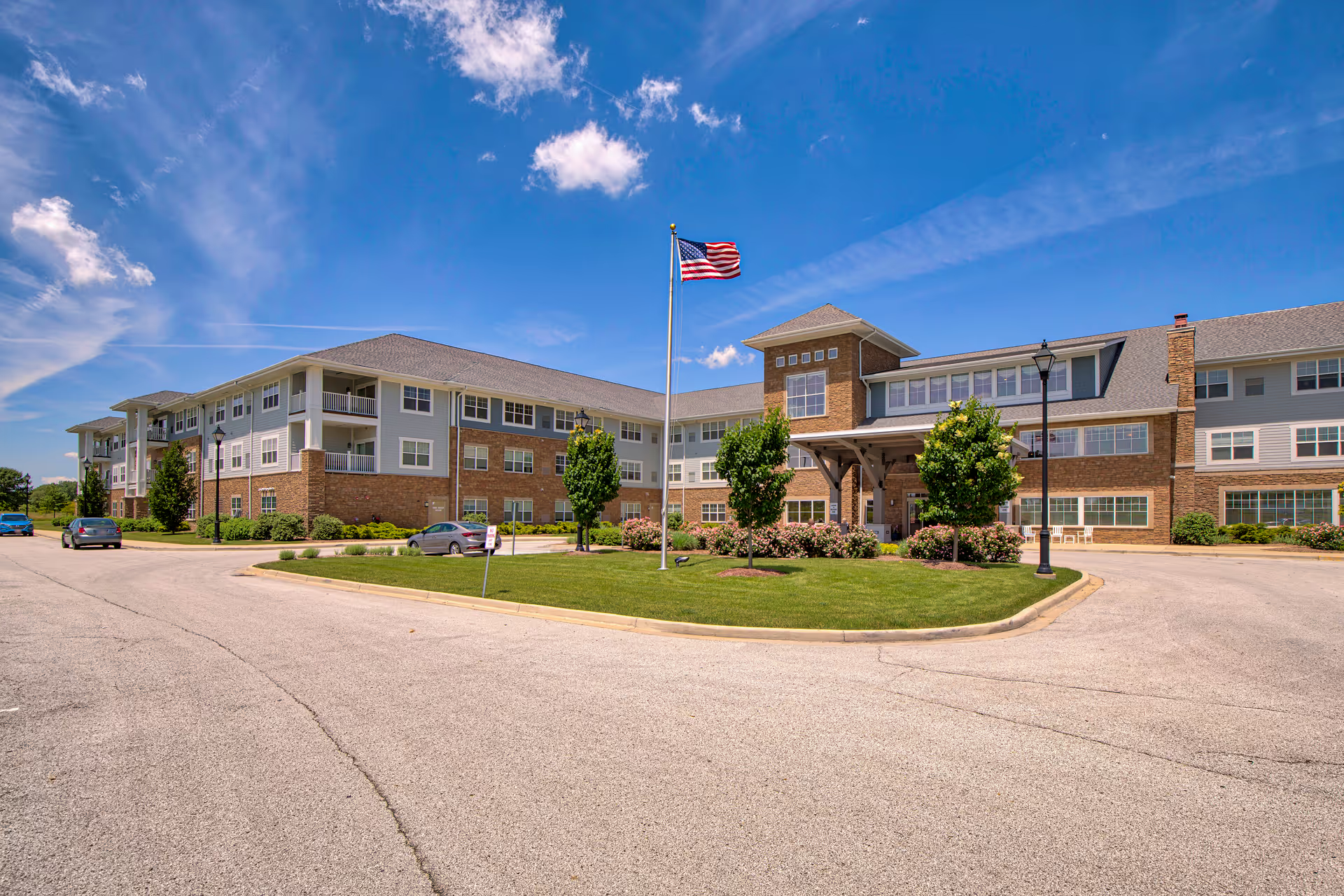
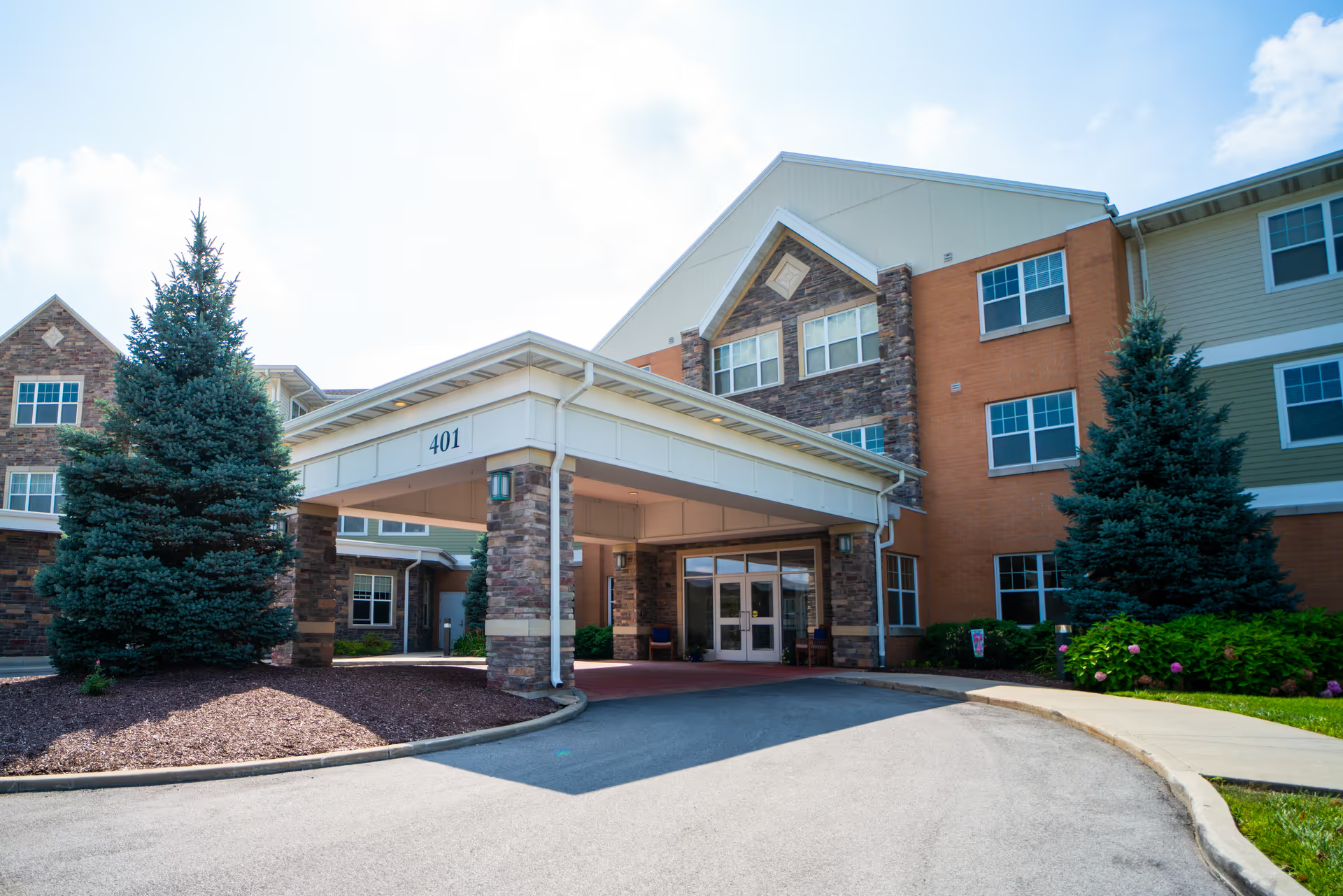
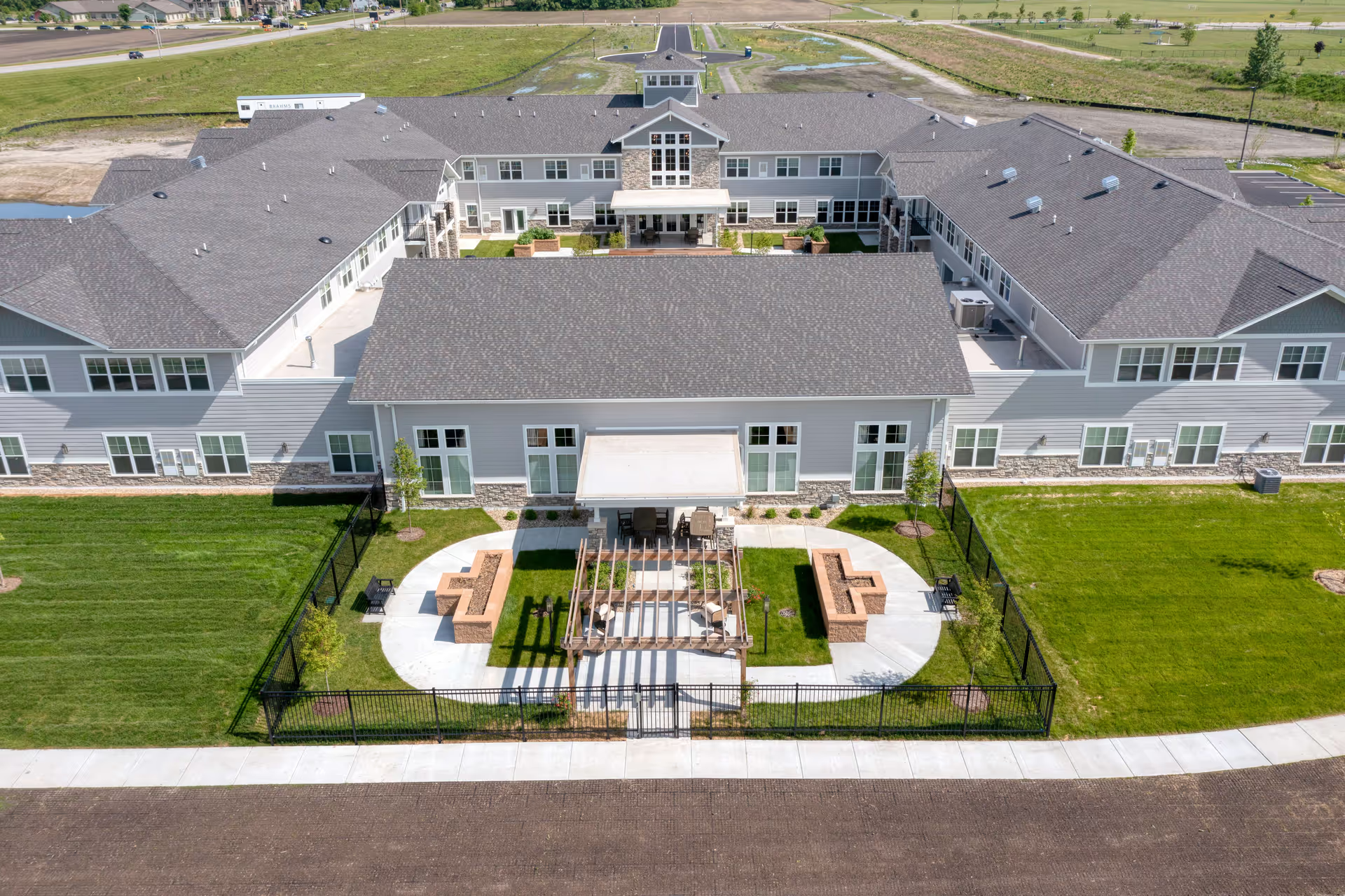
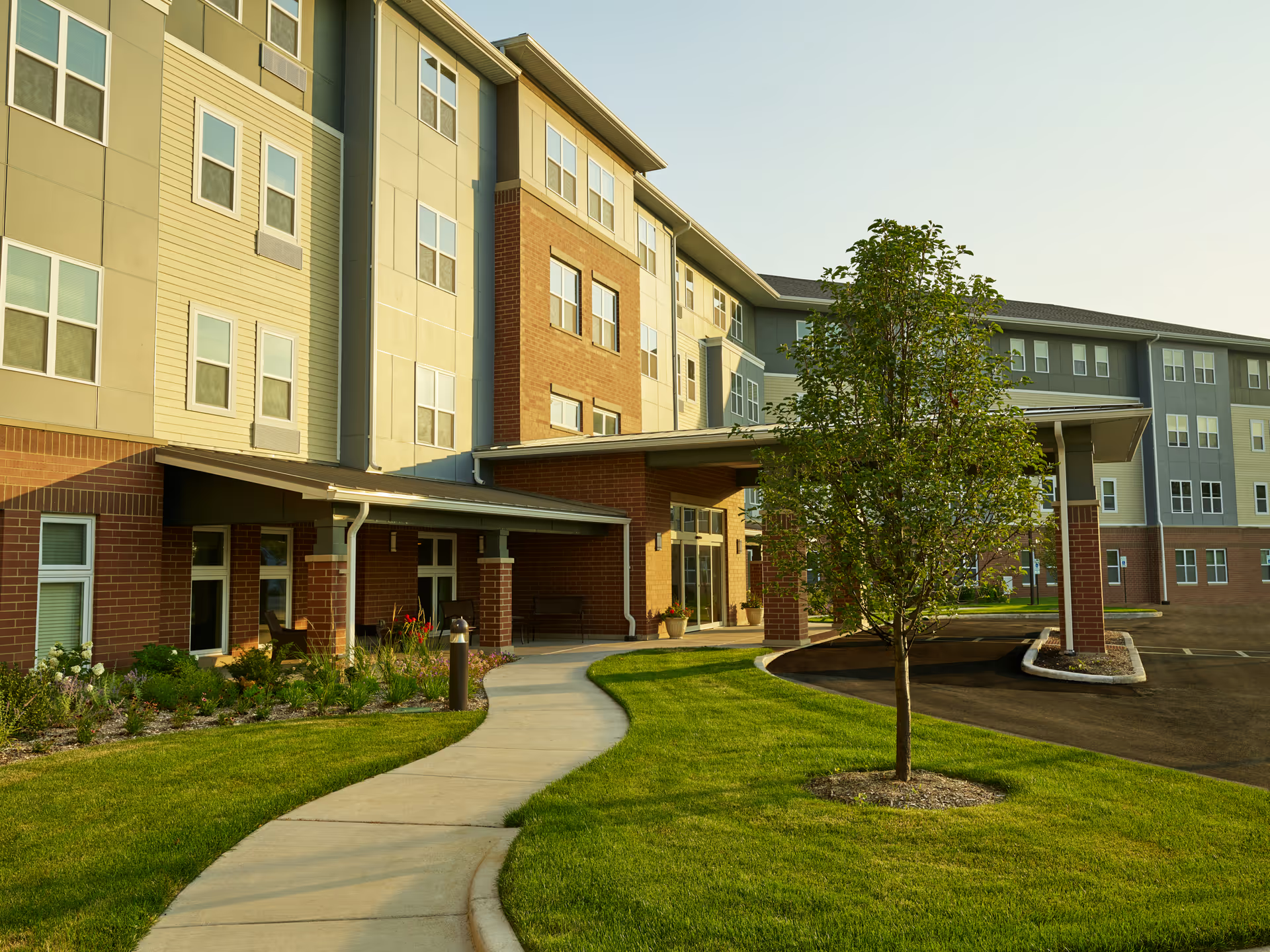
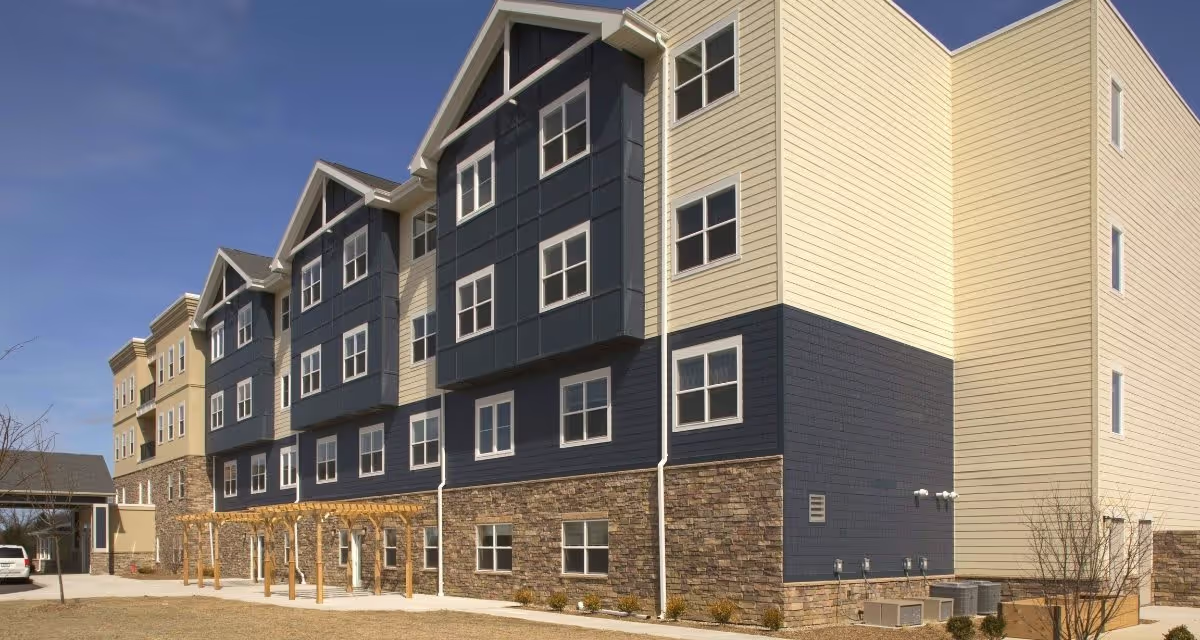
Reviews of this facility are markedly mixed, with substantial positive feedback alongside serious operational concerns. Several family members and visitors praised the appearance of the building, the friendliness of front-line staff, and active involvement from leadership (administrator, director of nursing, and social work). Those reviewers emphasize a home-like atmosphere, attentive nursing at times, and effective social-work engagement that supports family communication and resident well-being.
Care quality displays a split pattern. Positive accounts describe attentive clinical staff and residents who appear happy and clean. Conversely, numerous concerns focus on skin and wound management (including pressure-ulcer risk), ineffective or inconsistent rehabilitation outcomes, repeated hospital transfers, and delays in addressing continence needs and basic care tasks. There is also an allegation of a serious safety incident involving a bed fall; that claim suggests a need to review fall-prevention protocols and documentation. Prospective families should verify clinical procedures for skin integrity, transfer safety, incontinence care, and typical therapy outcomes.
Staff behavior and professionalism are similarly mixed. Many reviewers highlight friendly, professional interactions and a family-like tone among staff. At the same time, other accounts describe inconsistent professionalism, tone issues with staff interactions, and instances of cultural-insensitivity in name pronunciation and conduct. Several comments imply turnover or supervisory actions that have affected staff morale. These patterns point to variable staff training, supervision, and retention rather than uniformly consistent staffing practices.
Information about dining and activities is limited in the available summaries. A number of reviewers indicate resident happiness and involvement, which can be a proxy for satisfactory programming, but few specifics on meal quality, menu variety, or a structured activities calendar are provided. Families should ask for sample menus, activity schedules, and opportunities for resident participation during a visit.
Facility condition impressions vary. Some visitors describe well-kept, attractive common areas and clean interiors; others note maintenance issues and areas that appeared in disrepair during tours. Sanitation concerns and odor-related observations appear in more critical accounts, indicating potential unevenness in housekeeping and environmental maintenance across the building.
Management and administrative themes are mixed as well. Positive remarks cite visible leadership and open communication from the administrator, DON, and social worker. Negative feedback includes disputes over billing or benefit repayments and concerns about administrative conduct during personnel actions. These items suggest families should clarify billing procedures, benefit-processing policies, and escalation pathways for concerns prior to admission.
Notable patterns across the reviews are variability and inconsistency: strong experiences coexist with serious operational weaknesses. Recommended steps for prospective residents and families include conducting an in-person tour focused on care routines, observing staff–resident interactions across shifts, requesting state inspection and deficiency history, asking for current staffing ratios and typical therapy outcomes, reviewing skin-care and fall-prevention protocols, and obtaining written policies on billing and benefits. These targeted inquiries can help reconcile the mixed impressions and identify whether the facility’s strengths align with an individual resident’s needs.