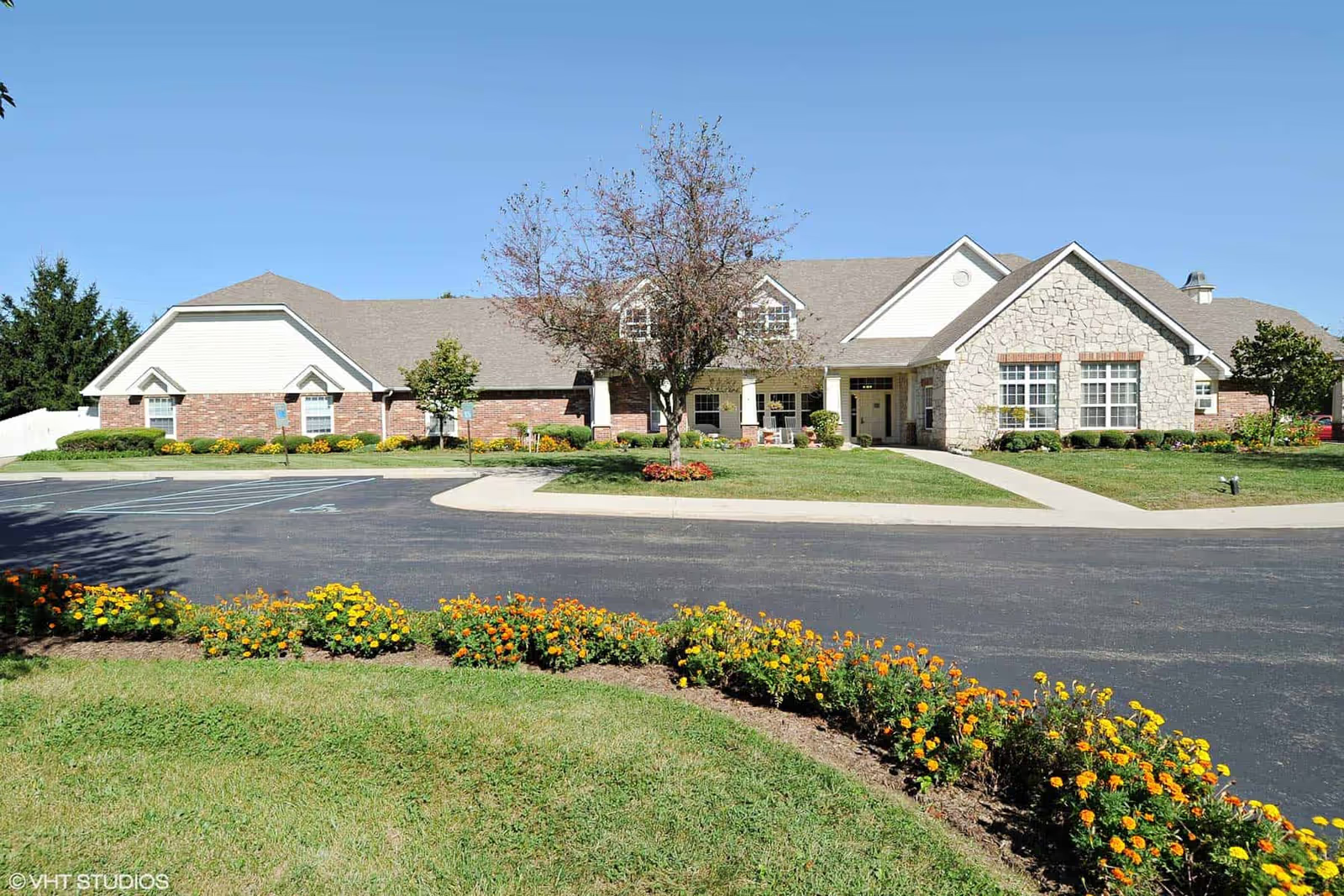
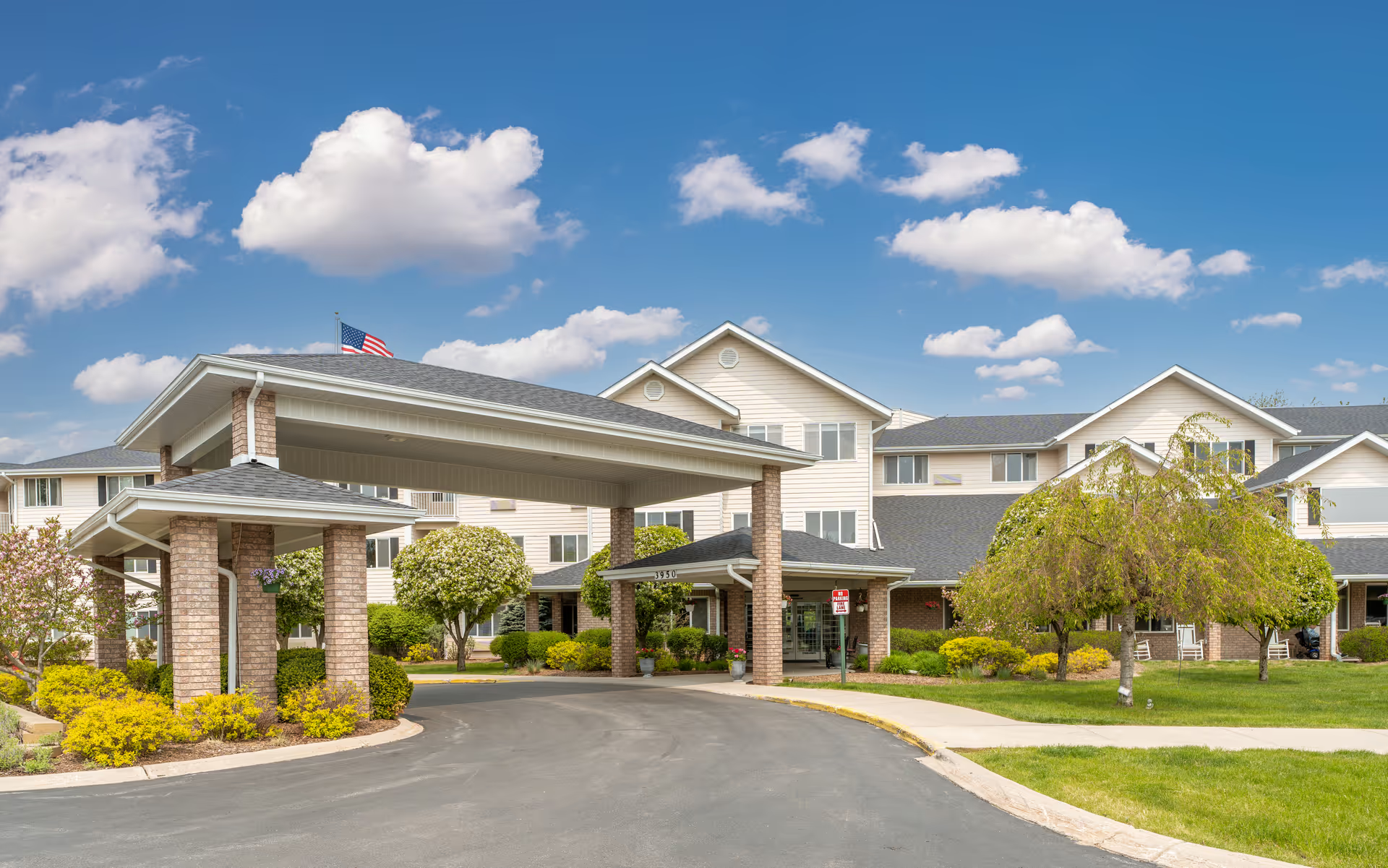
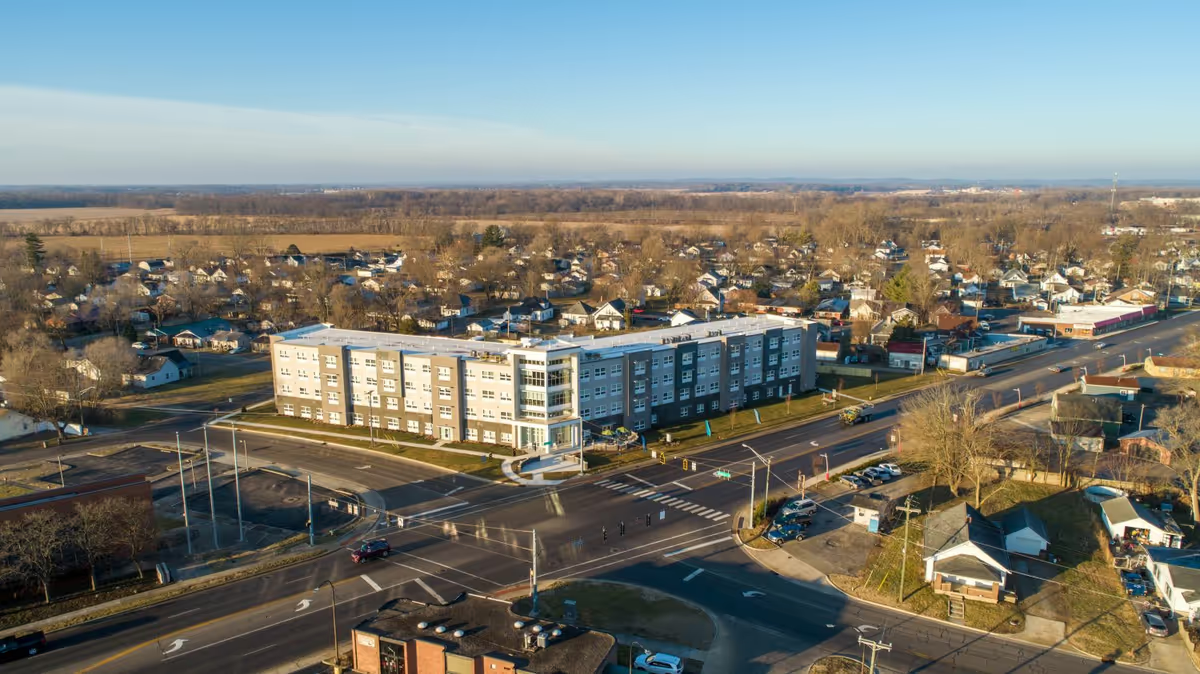
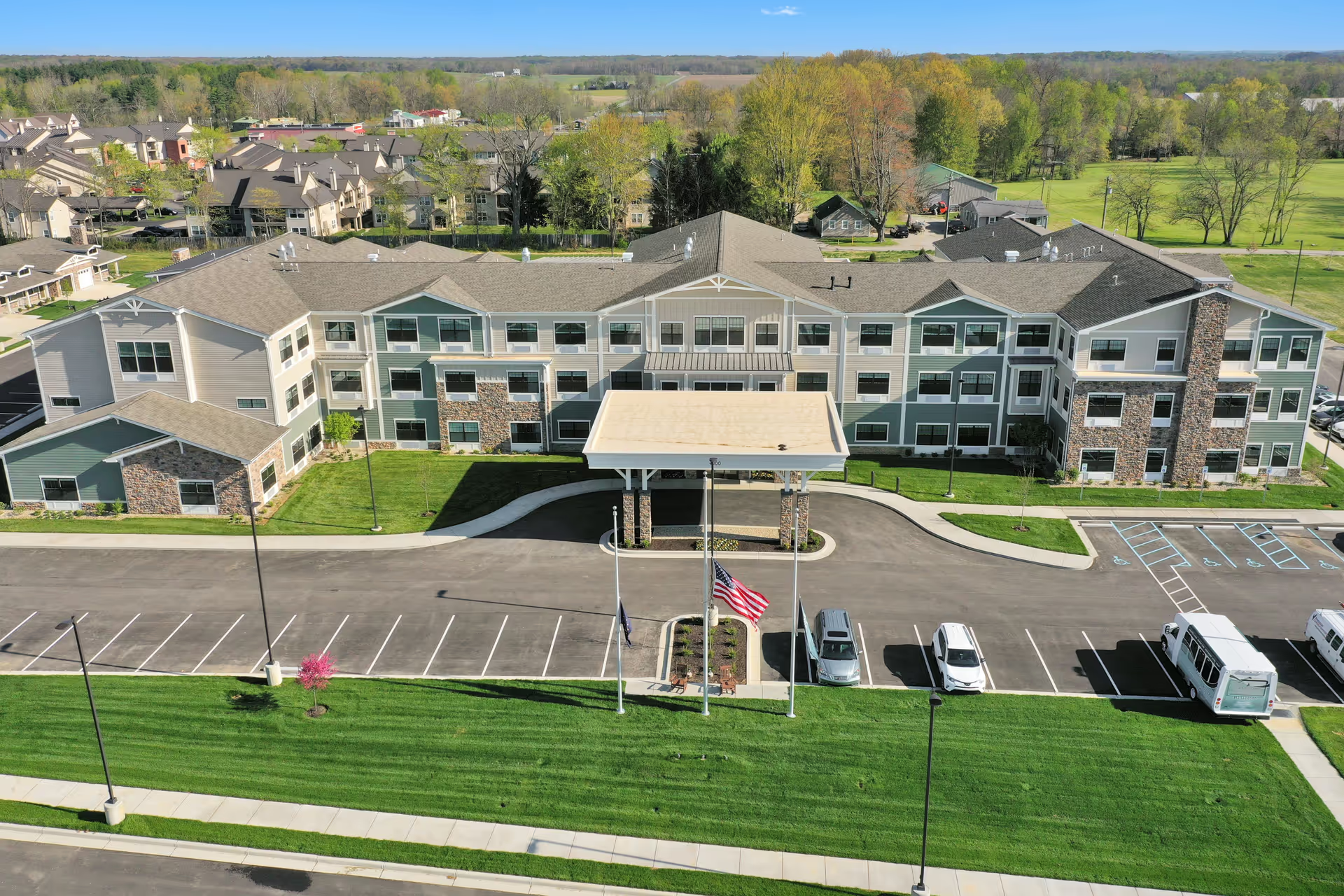
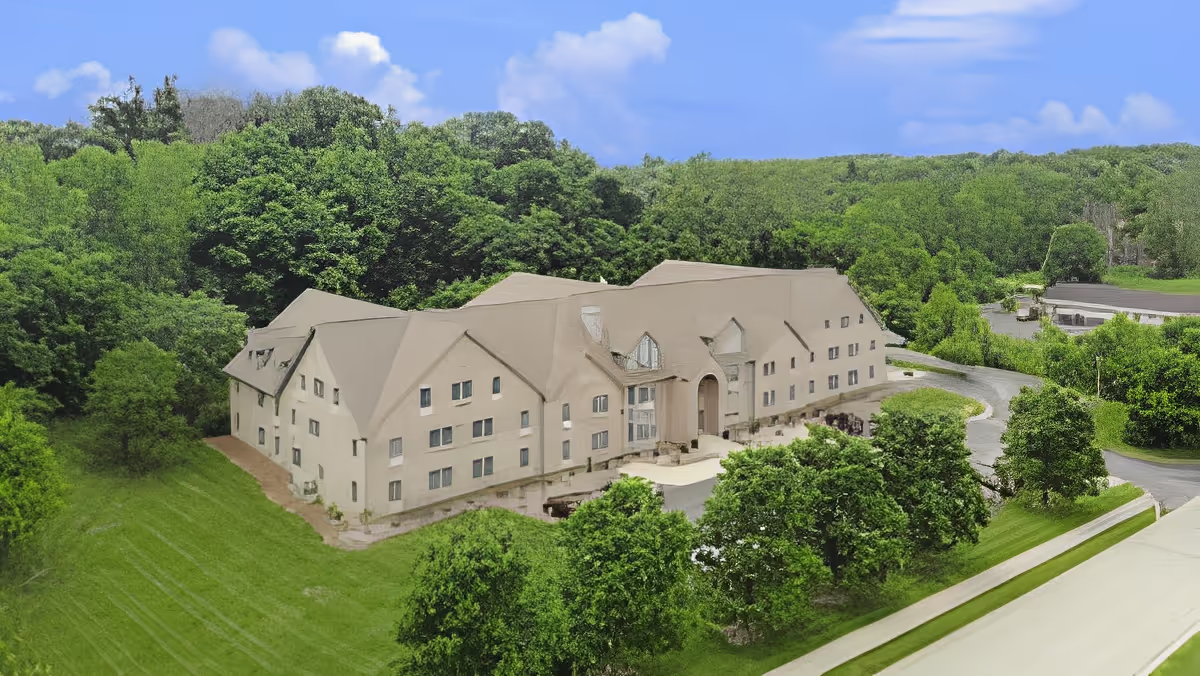
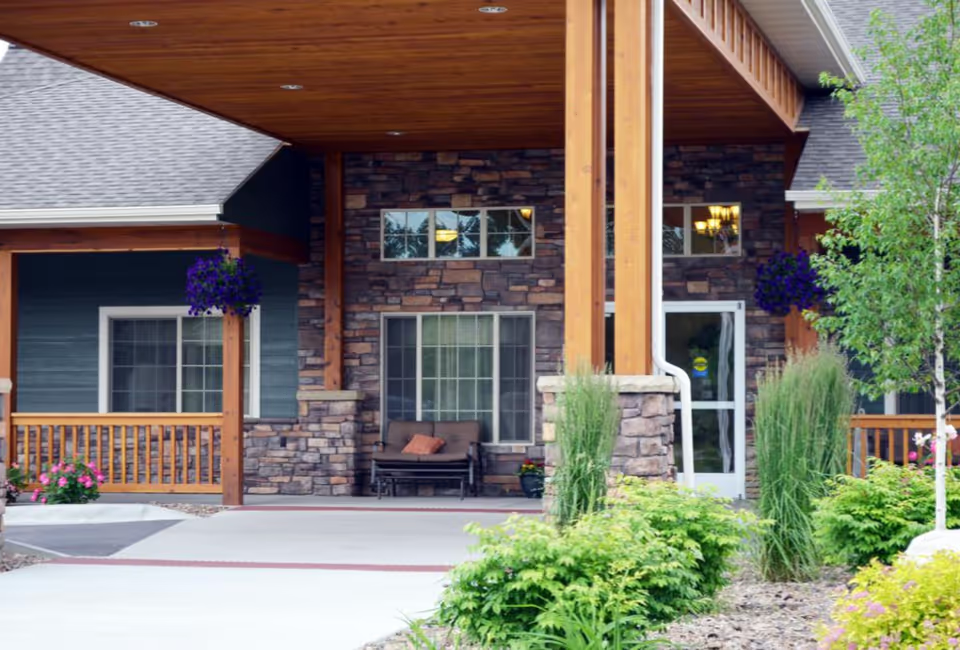
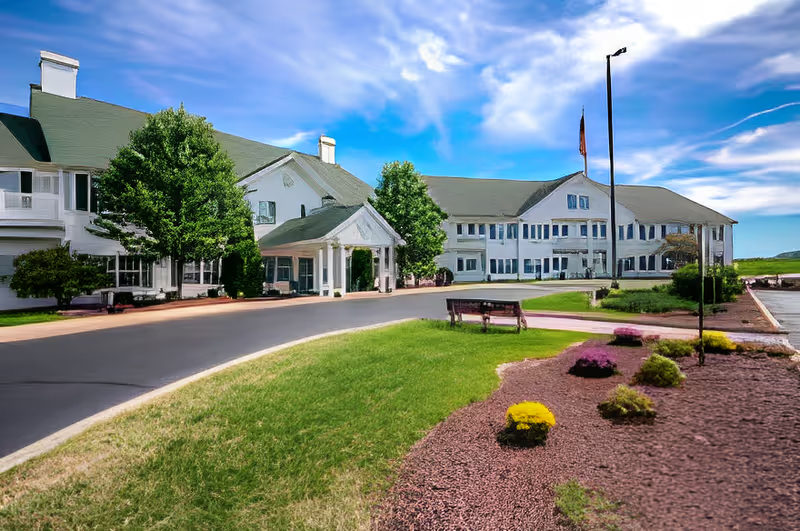
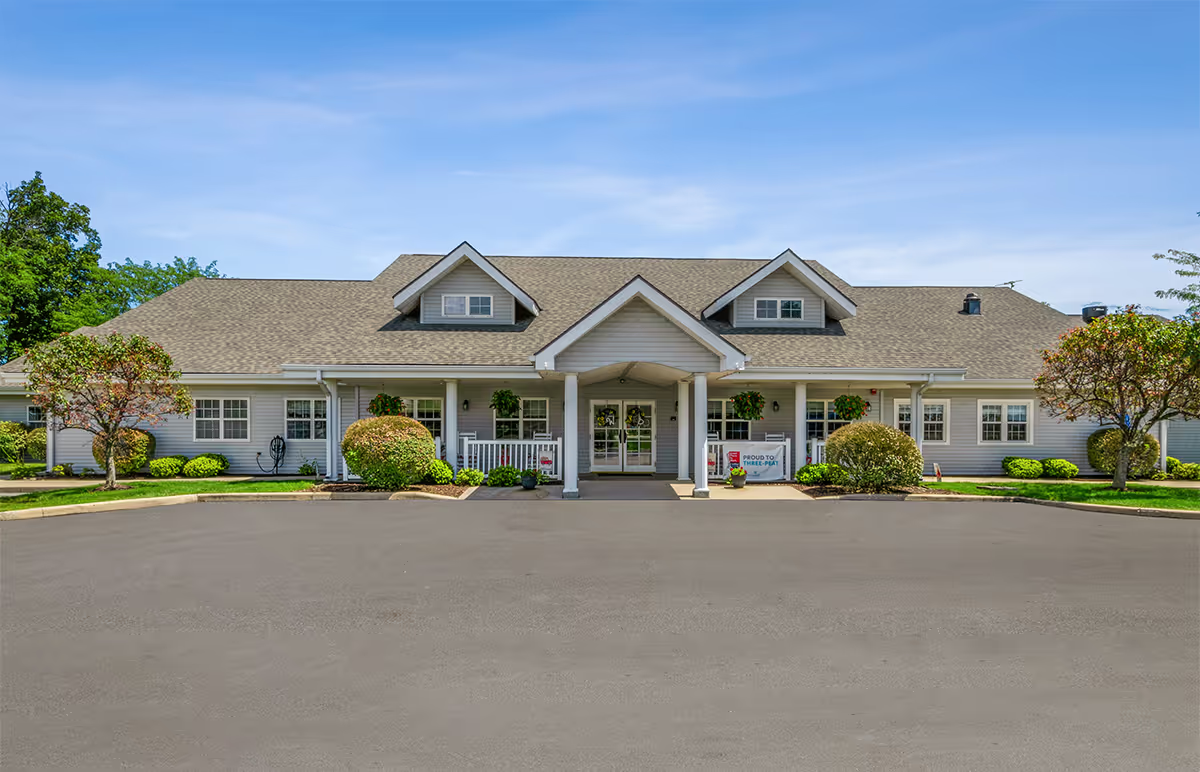
Feedback for this facility reflects a clear dichotomy between strengths in environment, programming, and compassionate individual caregivers, and operational weaknesses that affect clinical consistency and daily living support. Many comments emphasize a warm, home-like atmosphere, well-maintained grounds and interior spaces, visible efforts to make rooms pleasant (flowers, gardening), and an active social program that includes singing, a resident council, spiritual services, and community groups. Families also acknowledged professional partnerships for rehabilitation and hospice support and appreciated the facility’s pandemic precautions.
At the care-delivery level, reviews suggest meaningful variability. There are positive notes about caring nurses and hospice staff who provided attentive support, but those are counterbalanced by concerns about medication management, communication breakdowns during shift handoffs, and gaps in wound and pressure-injury care. These operational issues appear to have clinical consequences in some cases, and they point to the need for stronger protocols around medication administration, handoff communication, and skin/wound monitoring.
Staffing and responsiveness emerge as recurring operational themes. Several comments describe delayed responses to call systems, staff attention-prioritization issues, and instances where meals were left at bedside rather than integrated into routine service — all indicators of constrained staffing or workflow challenges. Reviewers also described variability in staff conduct: many staff are described as friendly and respectful, while others were characterized as disengaged or brusque. This mixed pattern suggests uneven training, supervision, or workload distribution.
Dining and housekeeping feedback is mixed. The physical facility and grounds are commonly praised, yet there are sanitation and odor-control inconsistencies reported in some common areas and concerns about meal-service continuity. Prospective families may wish to observe mealtimes and common spaces during a visit and ask about cleaning routines and odor-control protocols.
Activities and community life are clear strengths: organized social programming, resident-led council activities, spiritual services, and ties with local groups contribute to resident engagement and a sense of community. Those elements are frequently cited as reasons residents and families feel positively about daily life there.
Management and communication are areas to probe further. Reviews indicate gaps in shift handoffs, family communication at end of life, and coordination of clinical services. Asking management about staffing ratios, handoff procedures, wound-care protocols, medication-administration checks, and how they monitor response times may help clarify whether the facility’s operational controls align with family expectations.
In summary, this facility offers many positive environmental and social attributes and has staff and partners capable of compassionate care. At the same time, patterns in the feedback point to operational weaknesses—particularly in medication oversight, cleanliness consistency, staffing levels, response times, and clinical coordination—that can materially affect resident experience. Prospective residents and families should balance the facility’s strong atmosphere and programming against these operational considerations and seek specific, up-to-date information from management during tours and discussions.