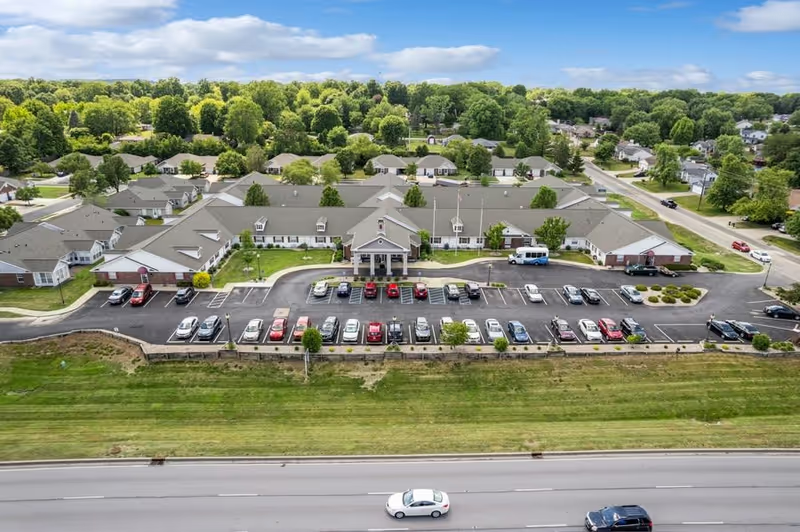
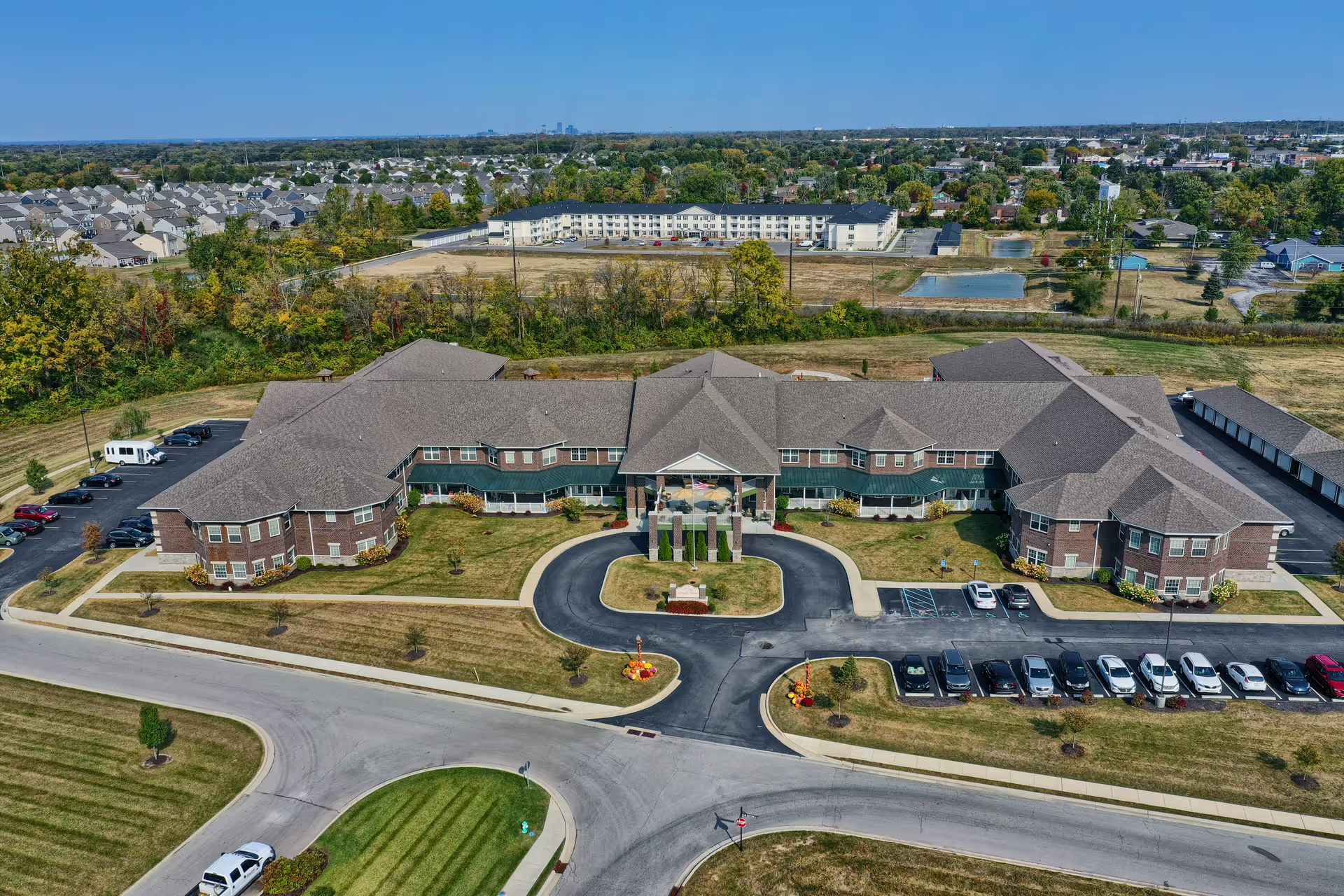
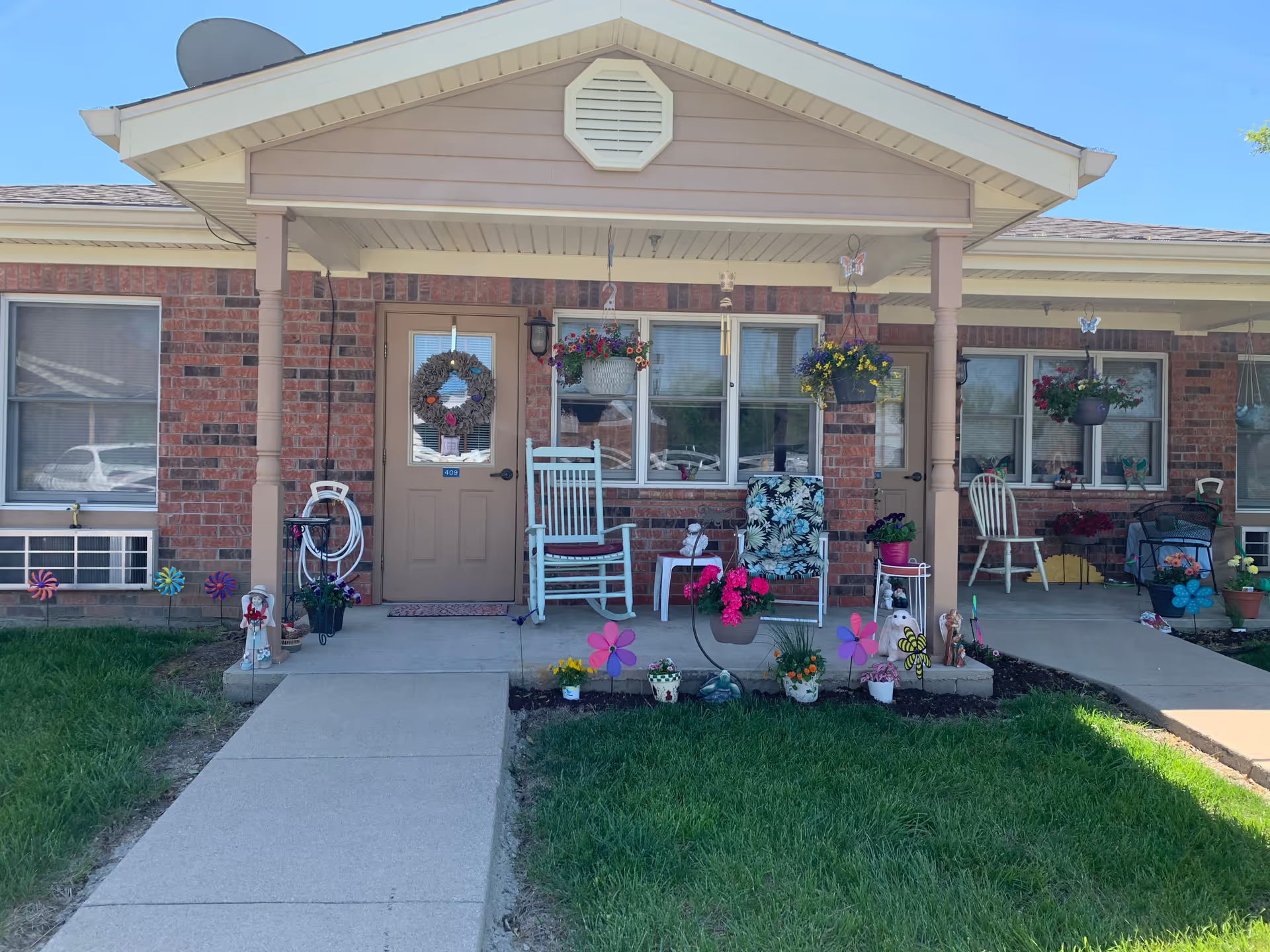
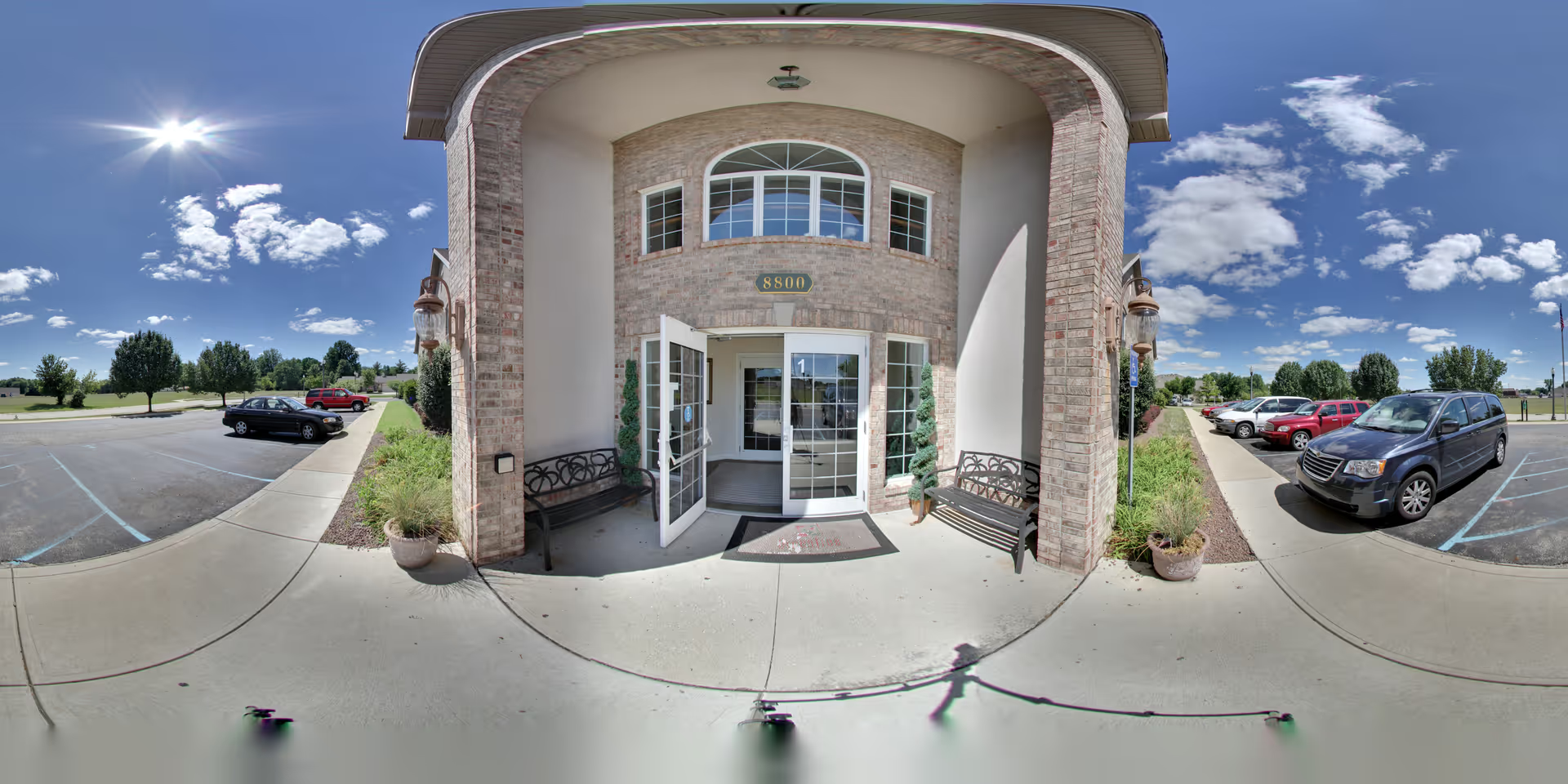
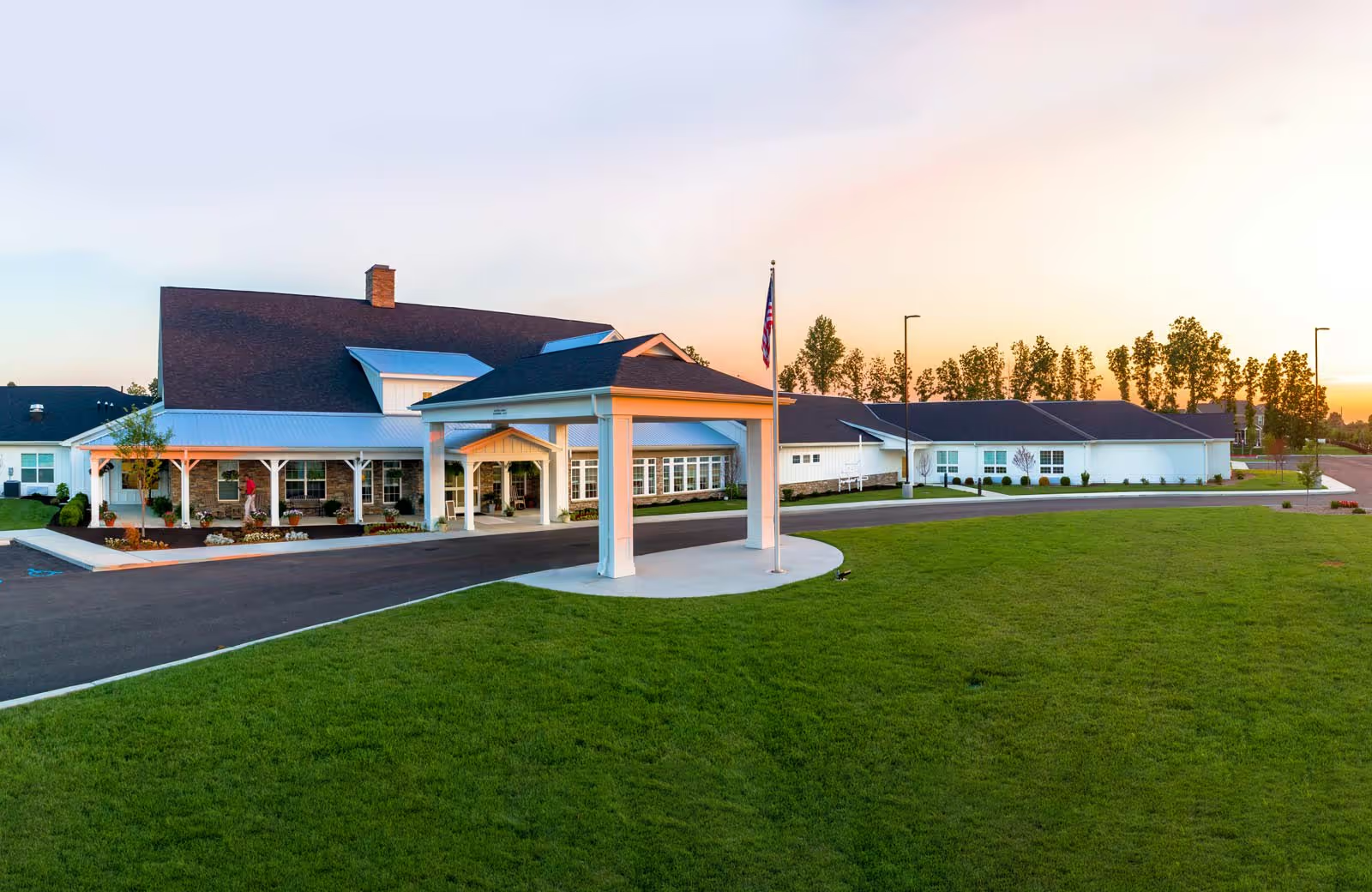
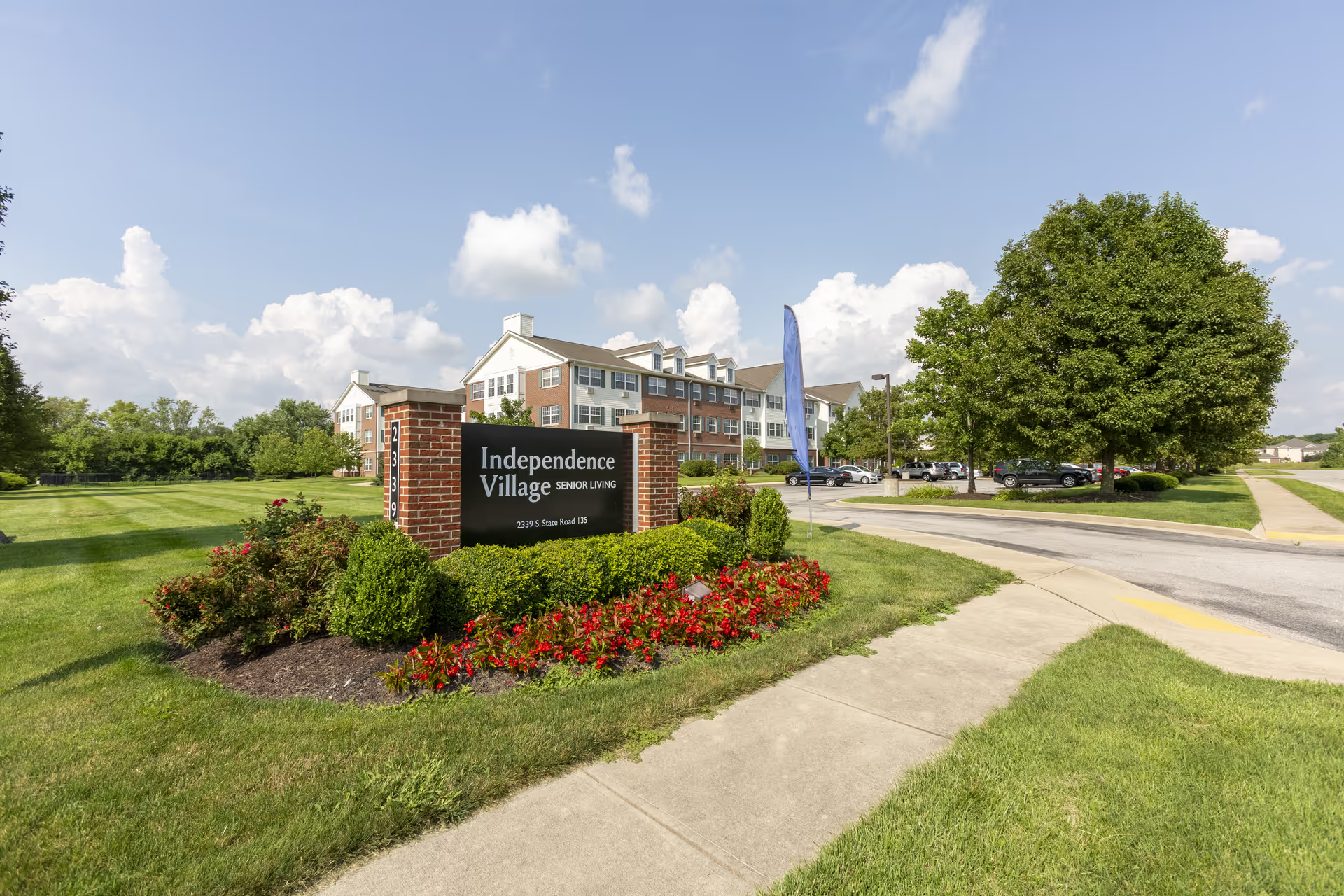
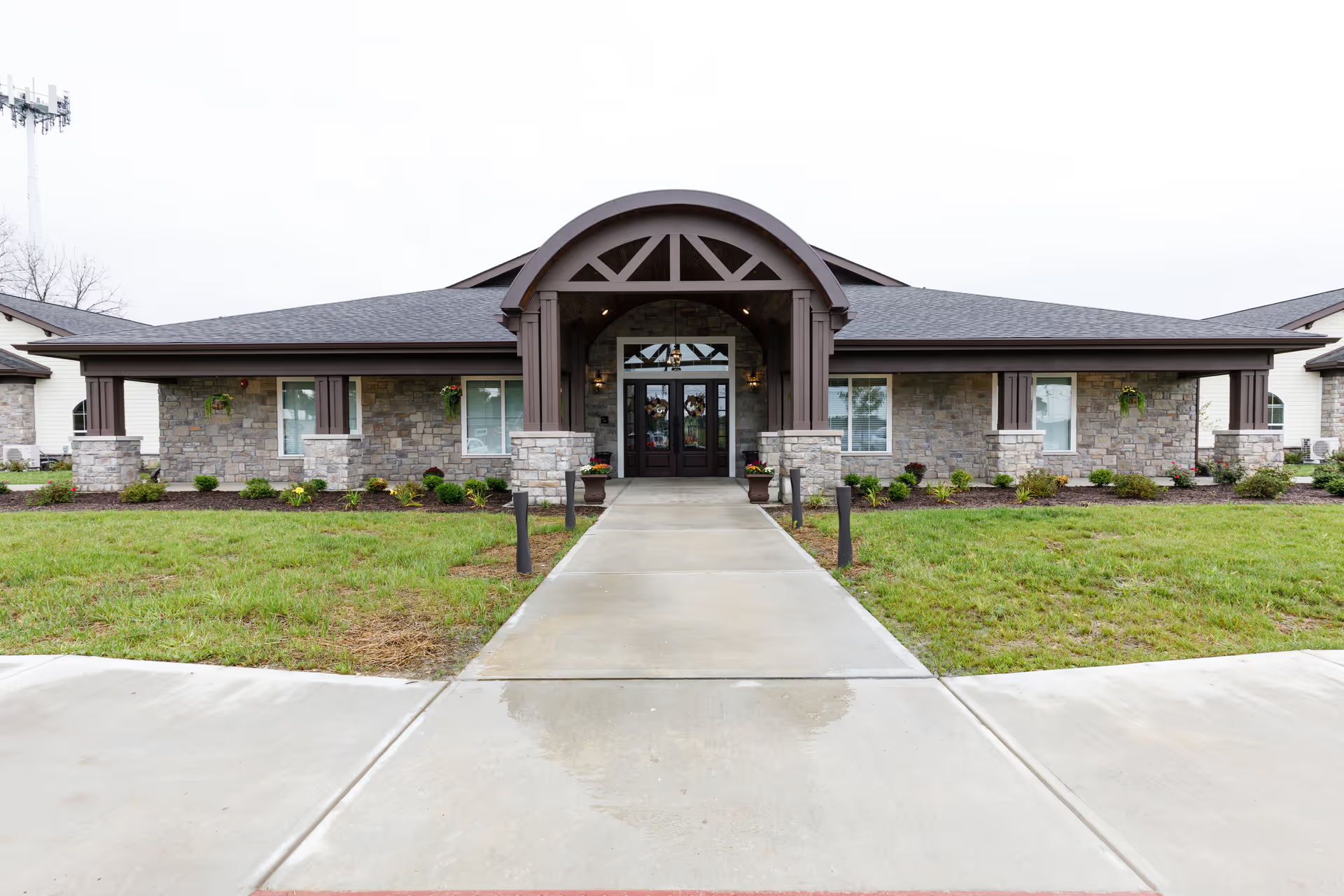
Altenheim Family-first Senior Living presents a mixed picture across reviews. Strengths center on its sub-acute rehabilitation programs and a number of consistently praised caregivers: physical, occupational, and speech therapy teams receive frequent commendation for skill and outcomes, and many CNAs and nurses are described as compassionate and engaged. The campus itself—notably its large grounds, paved walking paths, multiple dining venues, and apartment-style rooms—receives positive comments for accessibility and promoting social interaction. The facility also offers colocated services that families find convenient, including skilled nursing, memory care, dialysis access, in-house laundry, and a range of social activities from bingo and music to outings and seasonal events.
At the same time, there is a recurring pattern of operational weaknesses. Staffing levels and responsiveness are inconsistent: reviewers describe meaningful variability between weekdays, evenings, and weekends, which correlates with delayed responses to call lights and assistance requests. Several accounts point to gaps in medication administration, wound and infection-related follow-up, and inconsistent scheduling of personal-care tasks such as bathing. These clinical and care-delivery lapses appear to affect long-term placements and some transitions from rehab to long-term care more than the short-term rehab experience itself.
Dining and housekeeping show uneven performance. While some families praise the dining options and occasional strong meals, others report cold or late meals and bland offerings. Cleanliness and sanitation are described positively in many common areas but inconsistently in other units; a subset of reviewers raised pest-control concerns and housekeeping delays. Laundry and personal-property management have been cited as problem areas by families who experienced missing items or delays, and there are isolated but serious allegations concerning theft and property handling that merit careful inquiry.
Communication and management responsiveness are additional patterns to consider. Numerous families praised individual administrators, social workers, and business-office staff for being helpful and informative; however, others described poor handoffs, insufficient family communication about condition changes or appointments, and defensive or unresponsive behavior from leadership in some instances. Staff professionalism was characterized as highly variable—some front-desk and nursing staff receive strong praise, while others are described as curt or disengaged.
Practical advice for prospective residents and families: the facility has clear strengths in rehabilitation programming, community engagement, and a well-maintained campus environment in many areas. Those visiting should ask specific, operational questions about staffing ratios across shifts, call-response times and recent metrics, policies for medication administration and wound/infection management, pest-control programs, laundry/property handling procedures, and how the team manages transitions from short-term rehab to long-term care. Request to speak with therapy leaders, the charge nurse or unit manager, and social services to get a sense of current practice and oversight. Overall, Altenheim can offer strong therapy and community amenities, but families should verify current operational performance in areas that reviewers identified as inconsistent or variable.