Bethany Village Assisted Living elicits broadly positive impressions around staff, community, and the dining and activity programs, while also generating a set of recurring operational concerns that prospective residents and families should evaluate during a tour.
Care and staff: Reviewers frequently highlight compassionate, committed caregiving, with many compliments for attentive nurses and CNAs and long‑tenured staff who contribute to continuity of care. Families describe an overall welcoming, family‑like atmosphere and proactive communication from staff in many cases. At the same time, a pattern of staffing constraints appears in reviews: wait times for assistance and delays in responding to basic needs are noted. There are also specific concerns about medication provisioning and clinical responsiveness in some accounts. Overall, caregiving quality is often praised, but staffing levels and clinical processes are areas to verify with leadership.
Dining and activities: Dining receives consistently positive feedback — meals are described as good, healthy, and attractively served. The community offers a broad activity calendar including musical events and social programming that reinforce a strong sense of community. Some families reported isolated customer‑service issues with kitchen or reception staff; these should be considered alongside the generally positive impressions of food and programming.
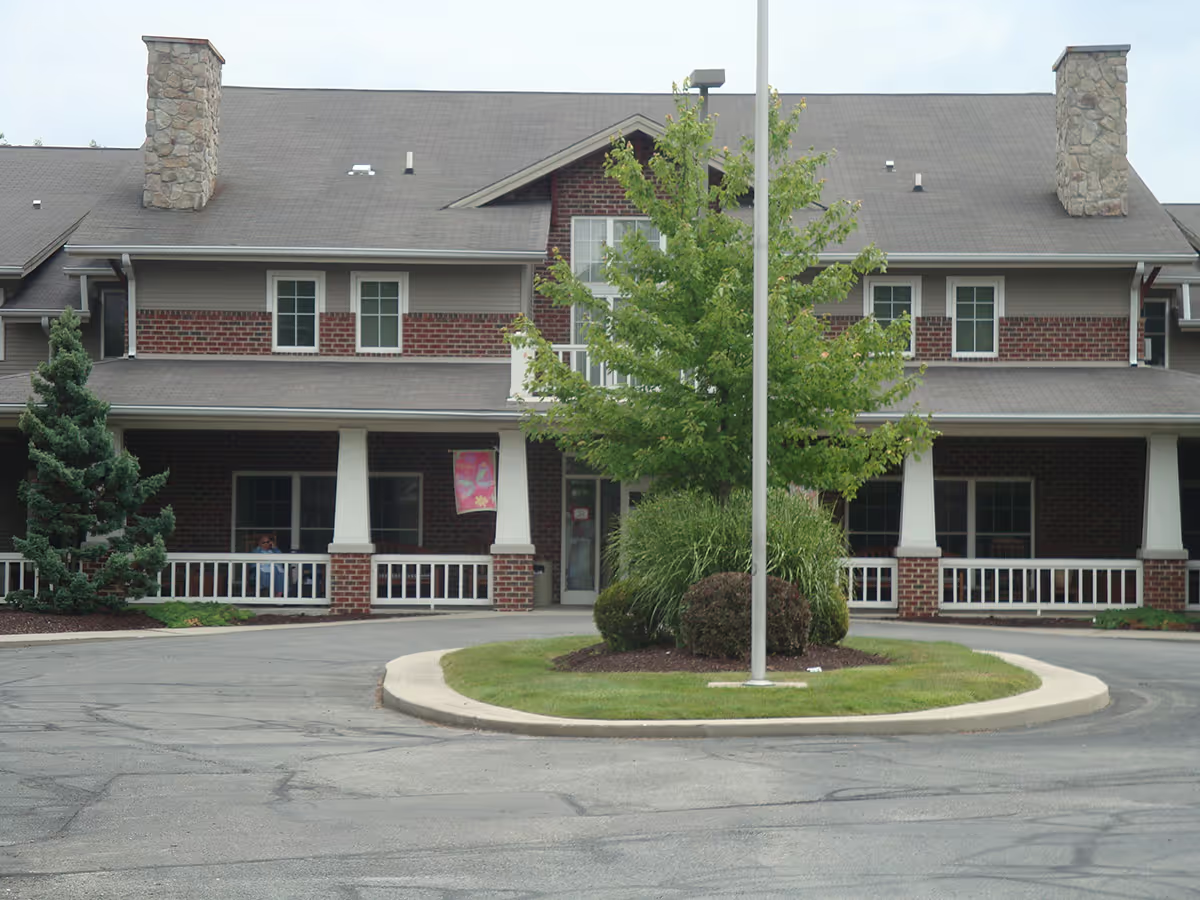
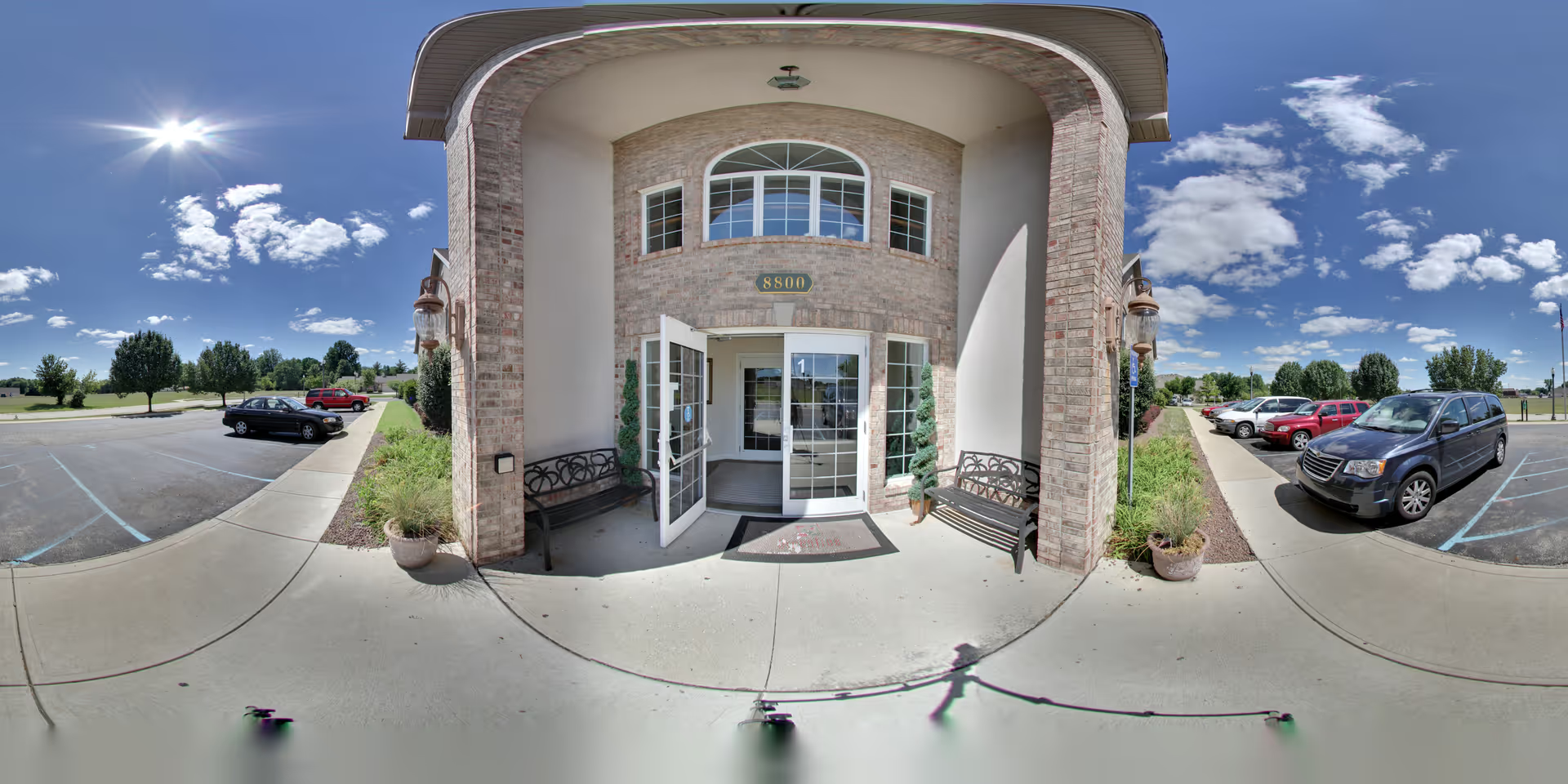
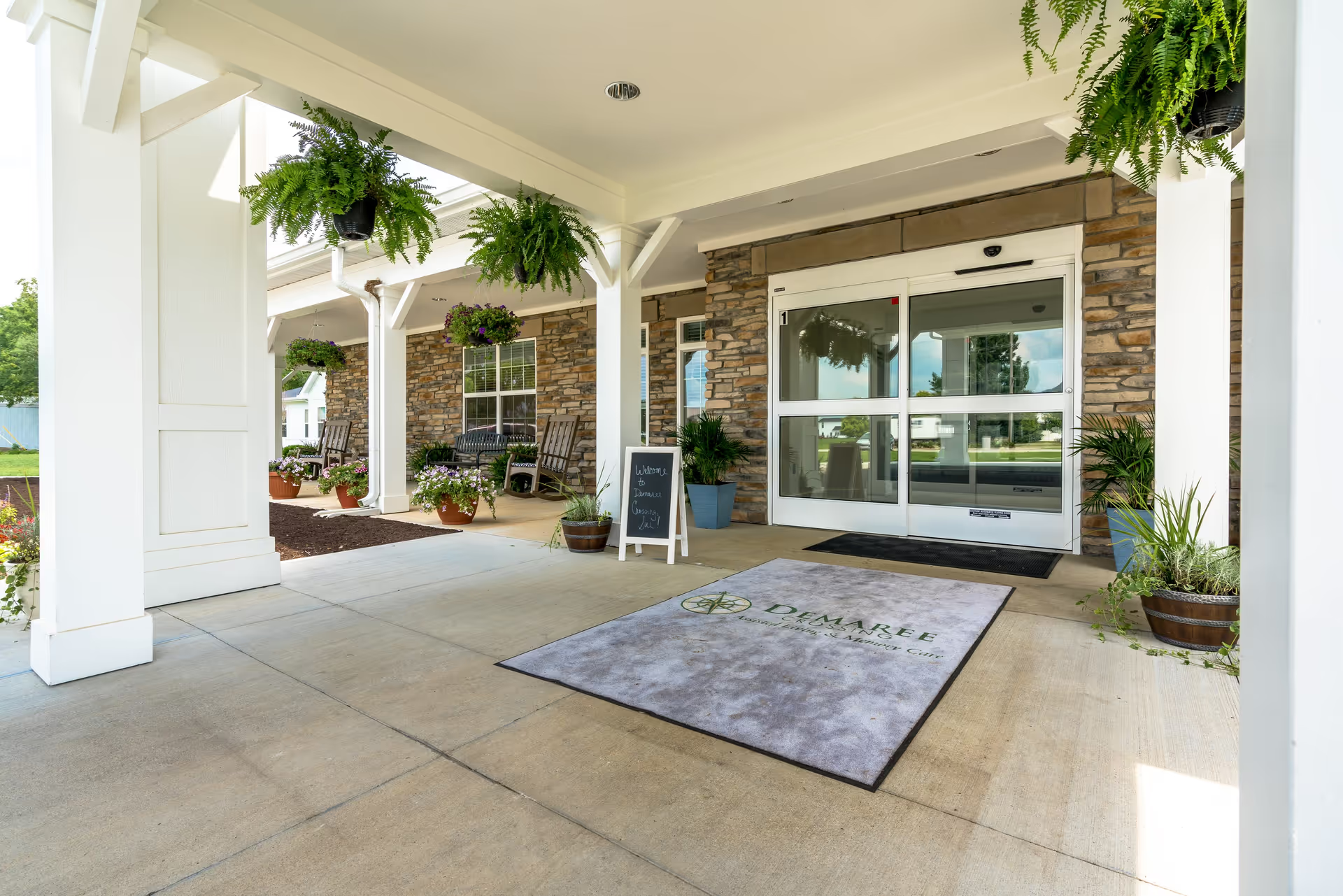
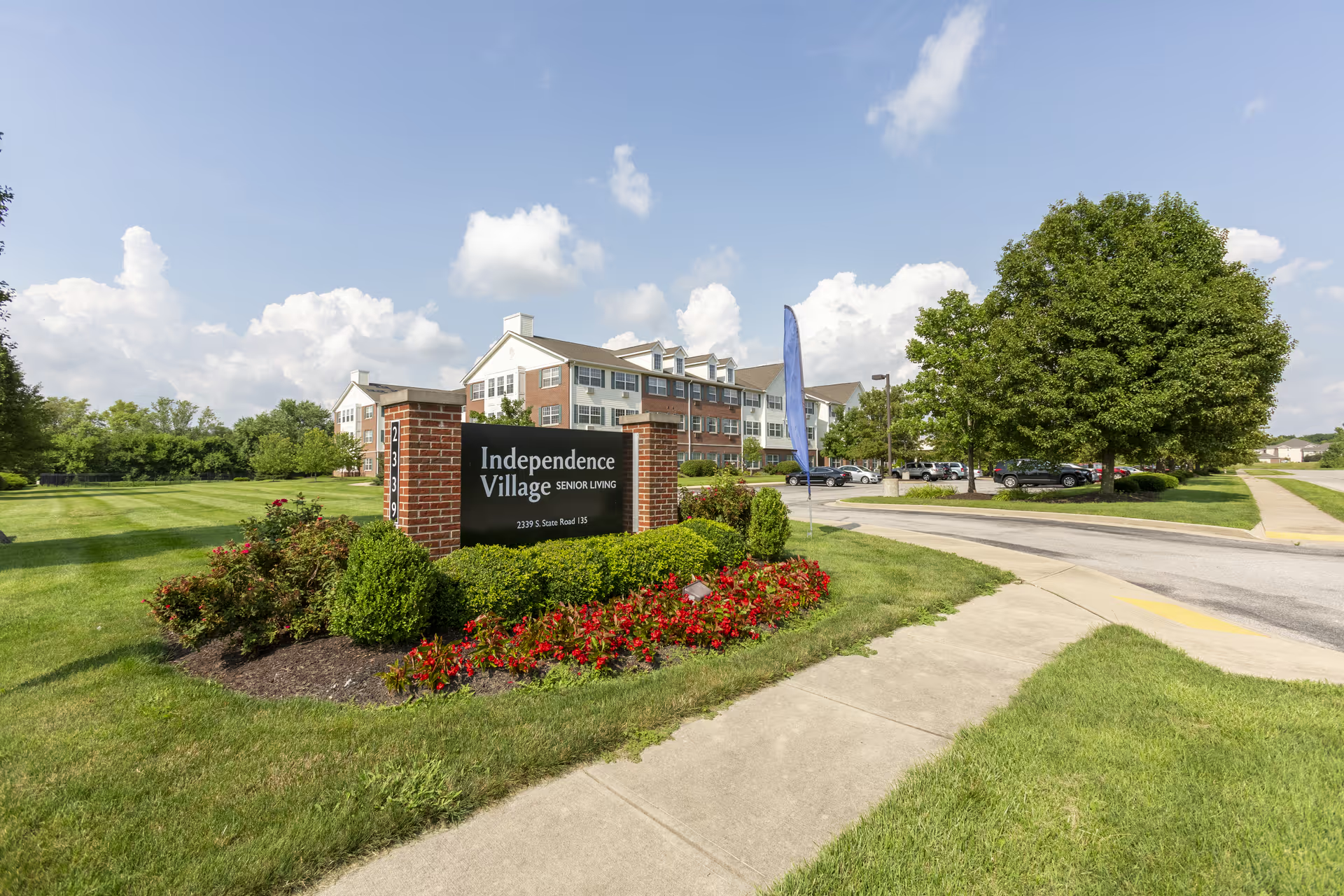
Facilities and accessibility: Many reviewers describe clean, bright, and well‑designed apartments with in‑room appliances and pleasant outdoor space. The memory‑care area receives particularly favorable remarks. Conversely, parts of the building reflect an older footprint: dated décor, smaller unit footprints, shared bathrooms in some living areas, a small/slow elevator, and congested circulation for walkers and wheelchairs were cited. Cleanliness and odor concerns were mentioned for certain common areas, indicating inconsistent housekeeping performance in places.
Management and financial practices: Several reviews praise helpful tours and approachable admissions staff. However, there are repeated concerns about management responsiveness to unresolved issues, unclear or inflexible rules, and billing or deposit practices. There is at least one serious allegation related to a discharge or eviction after insurance stopped paying; prospective families should ask for written policy details. Additional charges (for in‑room delivery, upgrades, or other services) are mentioned and contribute to perceptions of opaque fee structures.
Notable patterns and recommendations: The dominant positive themes are strong interpersonal care, an active social program, and the convenience of an on‑campus continuum of care that includes memory and nursing services. The dominant concerns involve operational consistency — especially staffing levels, clinical responsiveness, clarity around billing/contract terms, and certain facility limitations related to accessibility and unit layout. Prospective residents and families would benefit from focused questions during a visit: current staffing ratios and response‑time expectations, medication administration and clinical escalation protocols, written billing and discharge policies (including any fees), housekeeping schedules, and unit‑specific bathroom/accessibility arrangements. A tour during an activity period can provide perspective on programming and community dynamics, and comparing written policies against verbal assurances can clarify financial and operational expectations.