Overall impression: Reviews present a mixed picture. Many families and residents describe strong rehabilitation outcomes, attentive therapists, private updated rooms, and a welcoming, home-like atmosphere. At the same time, other reviewers raise serious operational concerns that suggest variability in day-to-day care and supervision.
Care quality and clinical responsiveness: The facility appears to deliver effective rehabilitative care for a large number of residents; occupational and physical therapy teams receive repeated praise for helping residents regain independence. Conversely, there are descriptions of significant clinical lapses in some cases — including delays in medication administration and delayed escalation of medical events — that point to gaps in clinical response protocols and oversight. A small set of reports reference serious post-incident concerns and involvement of external authorities; these are individual but noteworthy and underline the importance of probing the facility's incident-response and escalation procedures.
Staffing, conduct, and culture: Staffing is described as uneven. Many accounts highlight compassionate, resident-focused caregivers, long-tenured employees, and staff members who go above and beyond. Other accounts describe unprofessional or rude interactions and safety-related conduct concerns. This mix suggests variability in staff training, supervision, and continuity; families should ask about staff-to-resident ratios, turnover, and behavioral expectations when evaluating the facility.
Dining and daily living services: Several reviewers appreciate home-style meals (especially within memory care), multiple dining rooms, and regular housekeeping. However, others describe inconsistent meal quality and instances where families relied on external food sources. Questions about meal planning, special-diet accommodation, and consistency of food-service staffing would be appropriate for prospective residents.
Activities and social environment: The facility offers a broad activity program — bingo, karaoke, movies, church services, prom/family events, and outdoor seating areas — and many residents report being engaged and respected. Those seeking an active social calendar will likely find appropriate options, and administrators appear to support family-oriented events.
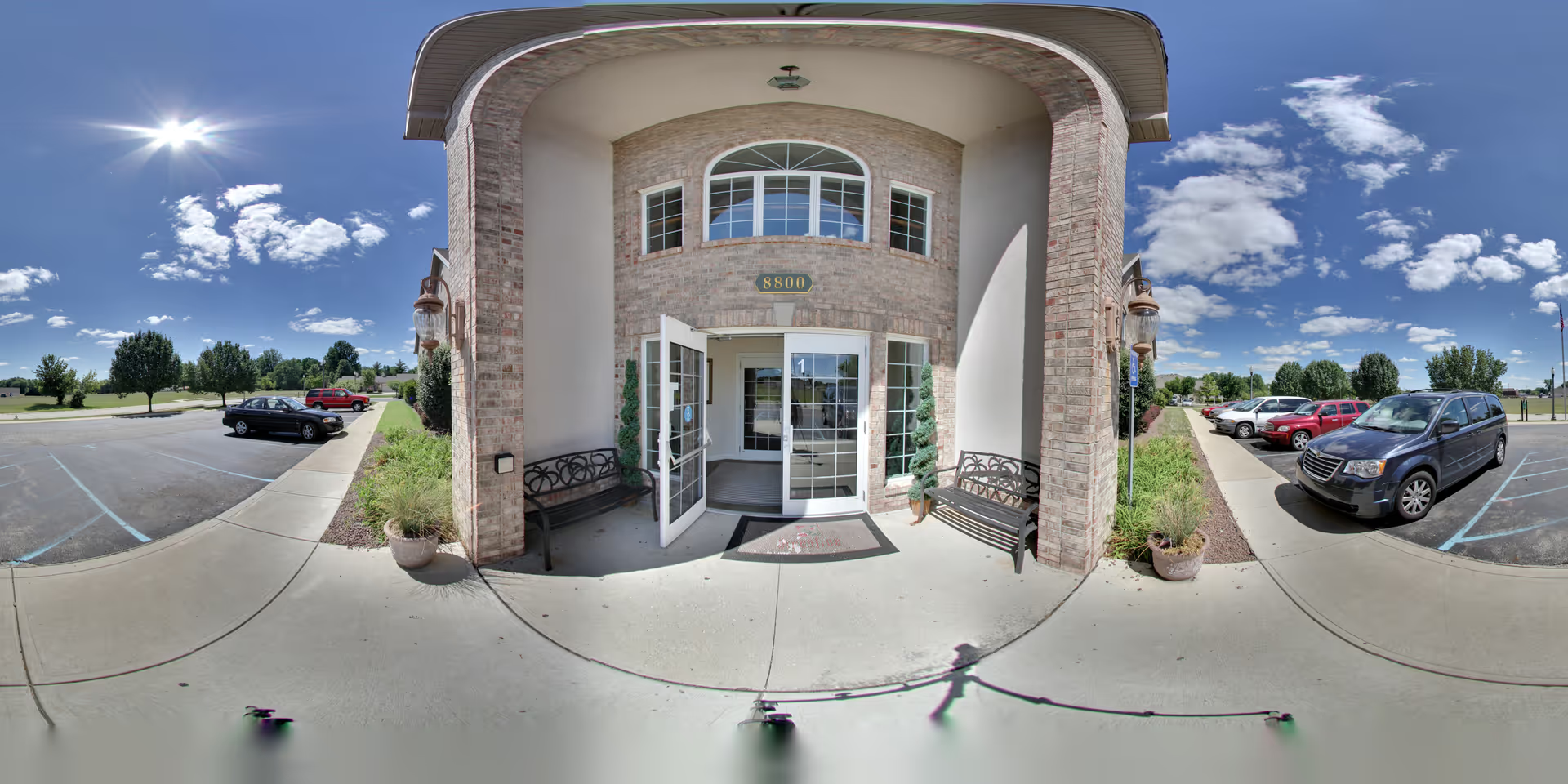
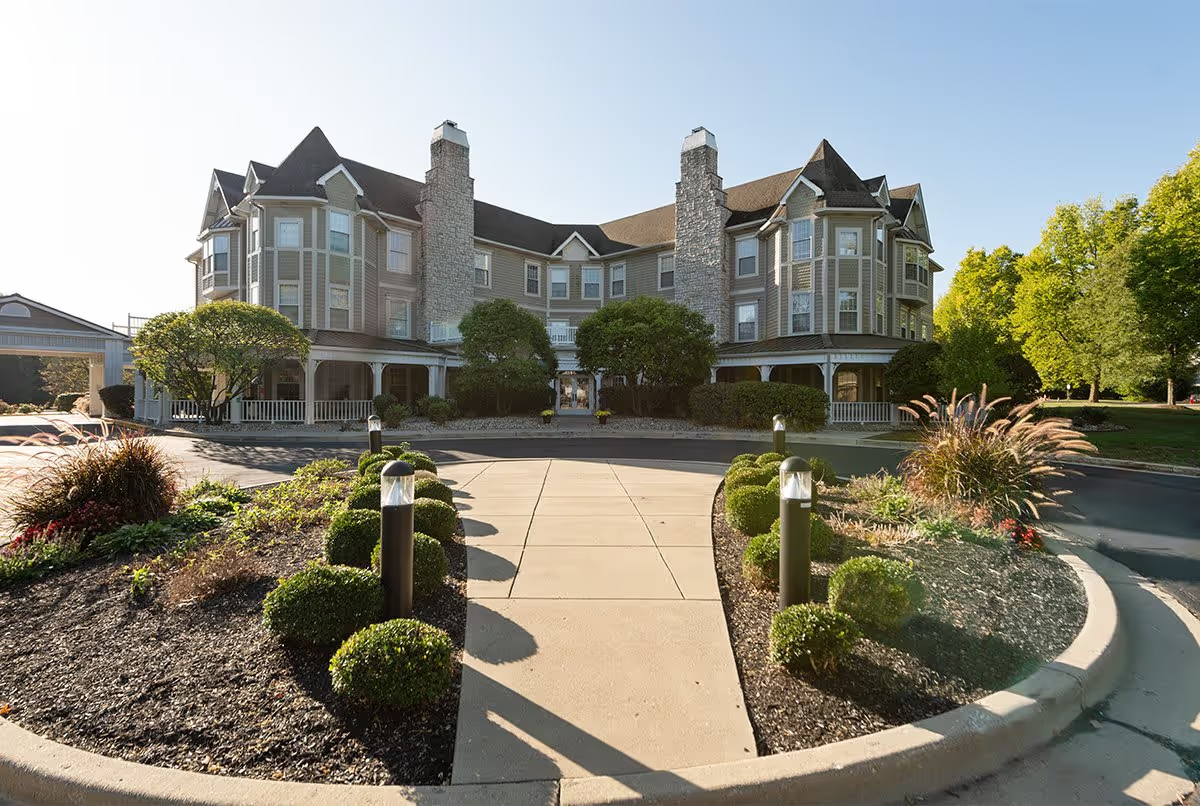
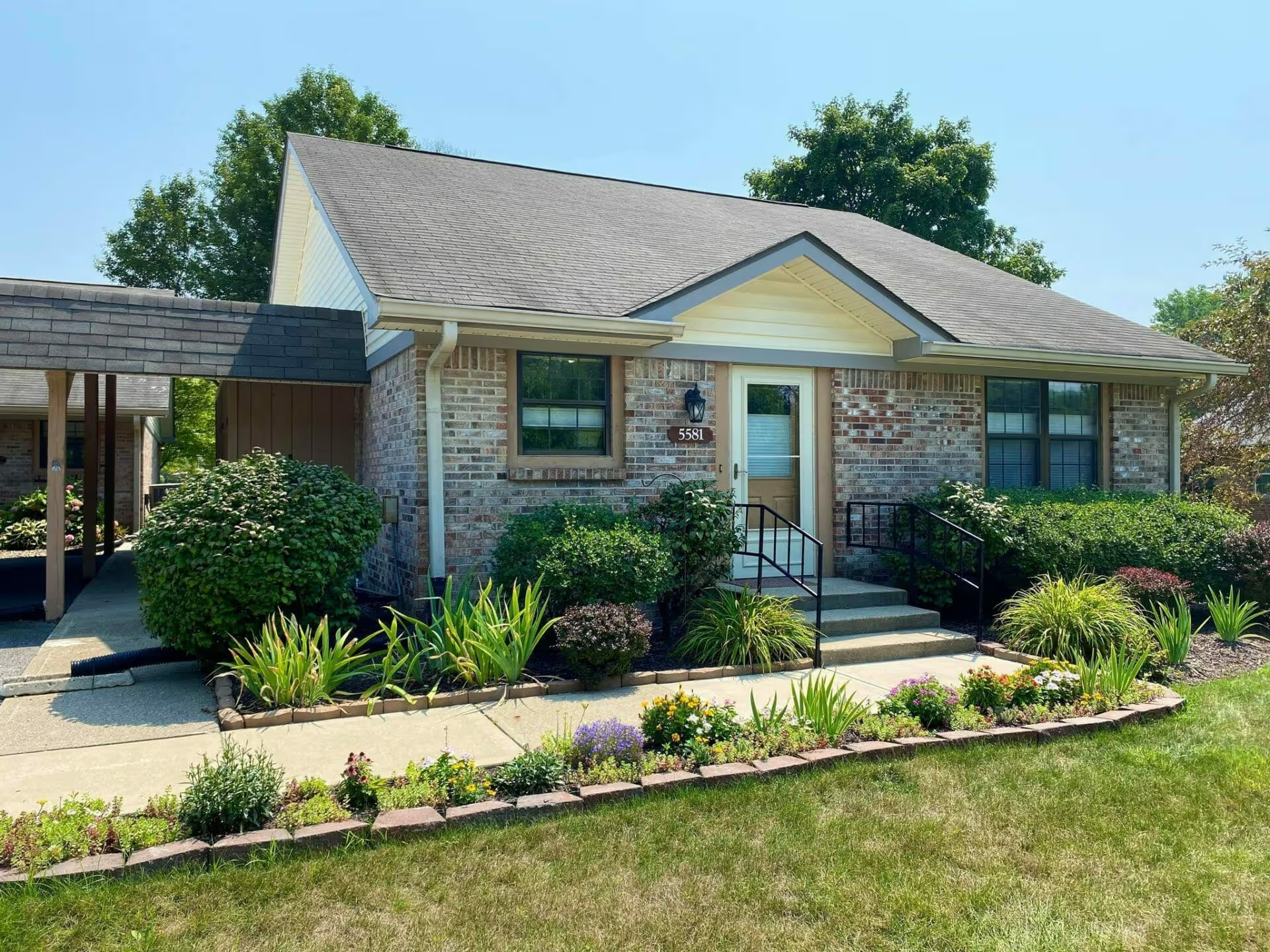
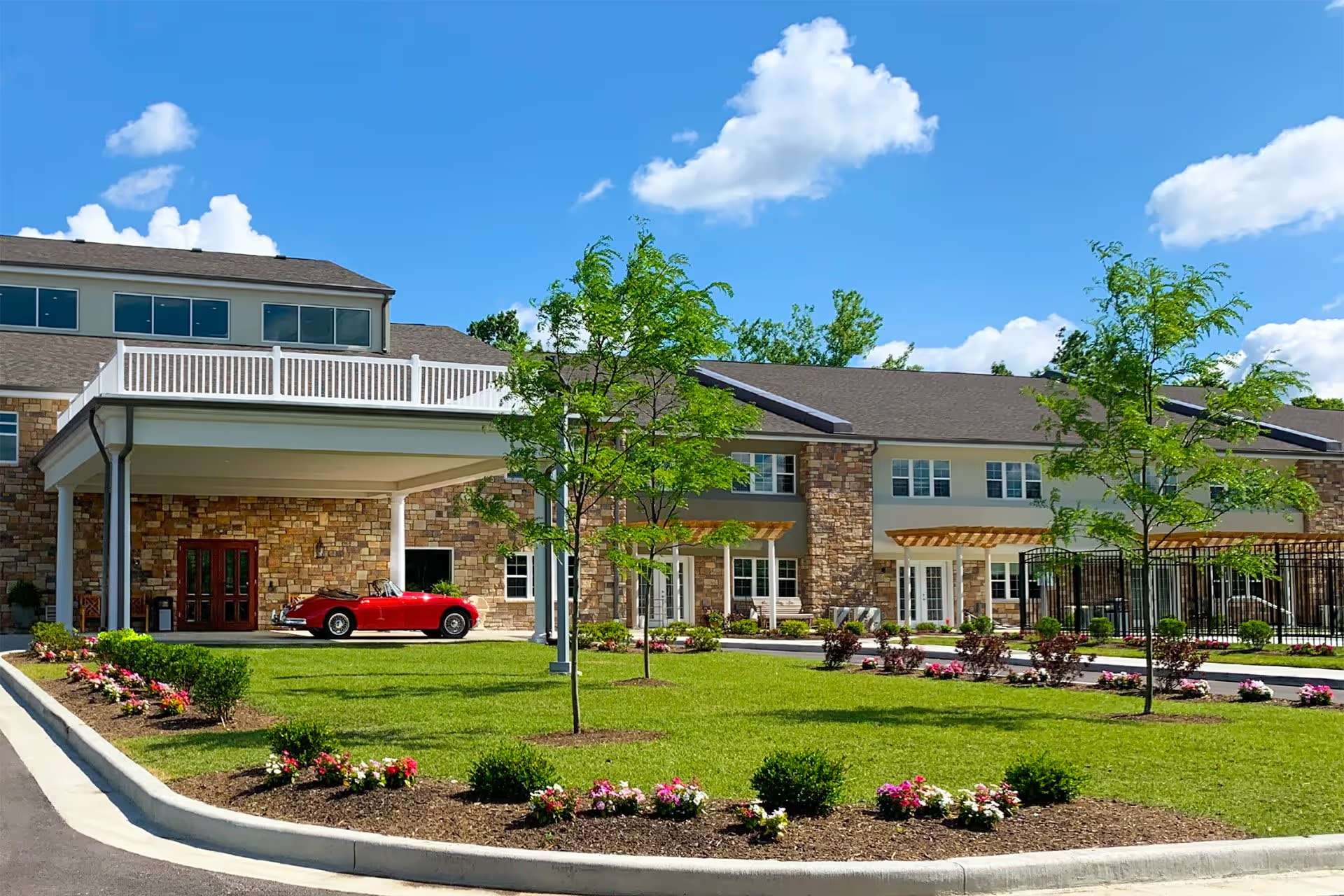
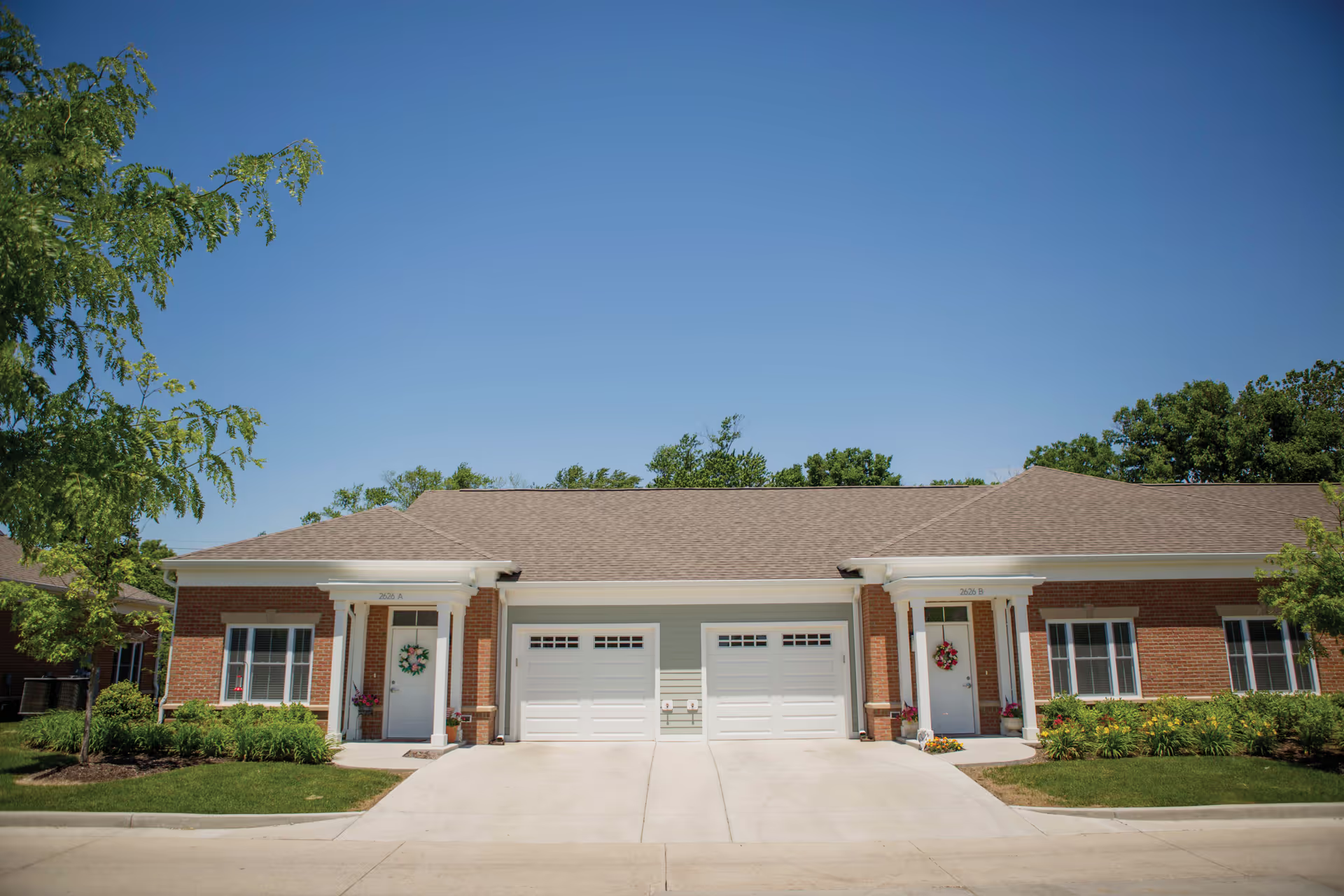
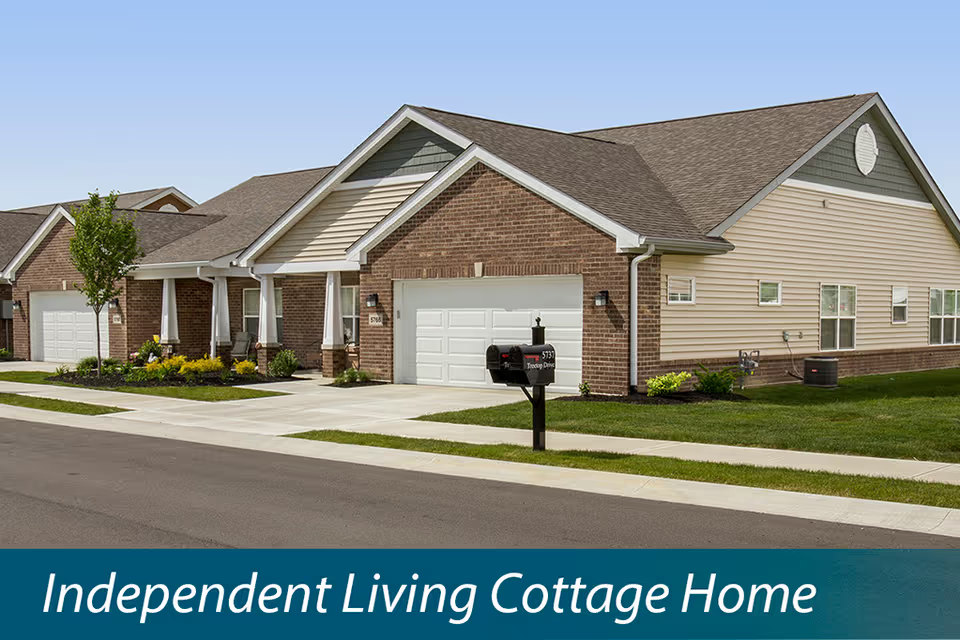
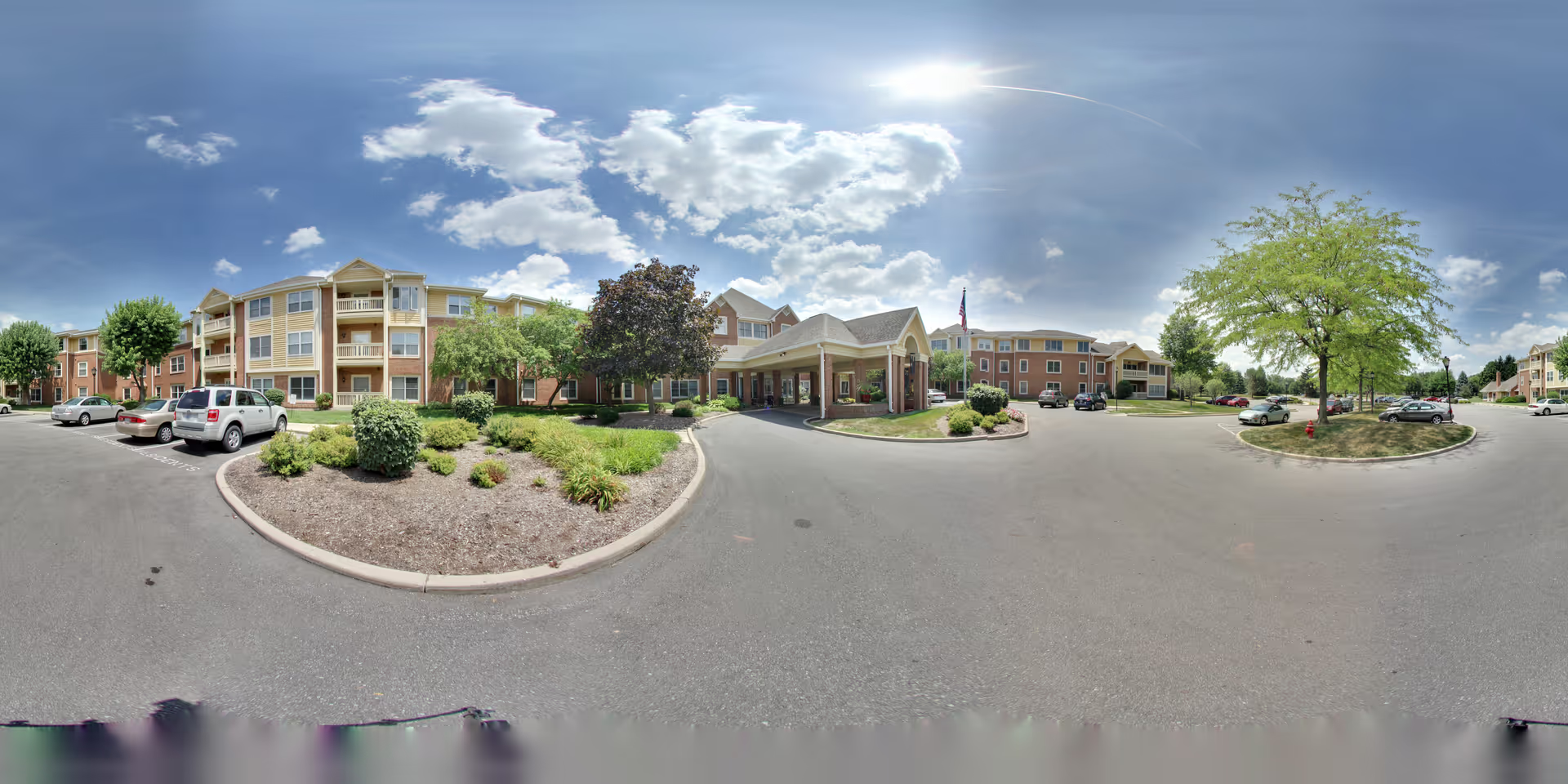
Facilities and cleanliness: Physical updates and private rooms are frequently noted positively (newly updated rooms, Hall of Heroes, spacious dining areas, decks). At the same time, there are multiple mentions of sanitation issues, pest-control concerns, and localized odor problems. These comments suggest that while much of the facility is well maintained, maintenance and environmental controls may be inconsistent across units or shifts.
Management and communication: Feedback on management is mixed. Some reviewers praise responsive administration and helpful admissions staff; others report difficulty getting satisfactory responses to complaints and inconsistent reception experiences. This suggests variable follow-through on grievances and a need for clearer family-communication processes.
Notable patterns and takeaways: The strongest, consistent positives relate to rehabilitation services, individualized caregiving by specific staff members, and facility amenities. The most significant concerns are operational: variability in staff professionalism and continuity, gaps in clinical response and medication handling, inconsistencies in personal-care practices, and intermittent environmental/sanitation issues. Prospective residents and families should conduct an in-person visit, request information on staffing ratios and turnover, review medication and incident-escalation protocols, and ask about pest-control and meal-service practices to assess how well the facility’s strengths align with their needs.