Reviews describe highly mixed experiences at this facility, with a clear pattern of strong therapeutic and interpersonal strengths offset by persistent operational shortcomings. Many families and short-stay patients praised the rehabilitation and therapy teams for helping residents recover function and return home. Reviewers also highlighted individual staff members—including nurses, therapists, activities personnel, and admissions staff—who were described as compassionate, accommodating, and effective in coordinating appointments or last-minute needs.
At the same time, clinical reliability appears inconsistent. Several accounts point to delays in responding to resident needs and call lights, variability in CNA competency, and lapses in wound and pressure-area management. Medication-management problems are noted repeatedly, including omissions and delivery gaps, which reviewers linked to safety and continuity concerns. These patterns suggest episodic deficits in staffing, supervision, or clinical processes rather than uniformly poor clinical practice.
Dining and activities present a contrast: the activities program and therapy engagement receive positive remarks, but meal quality and nutritional adequacy are described as inconsistent. Reviewers characterized some meals as unappetizing or poorly prepared, and at least a few families felt the food did not meet residents’ dietary needs.
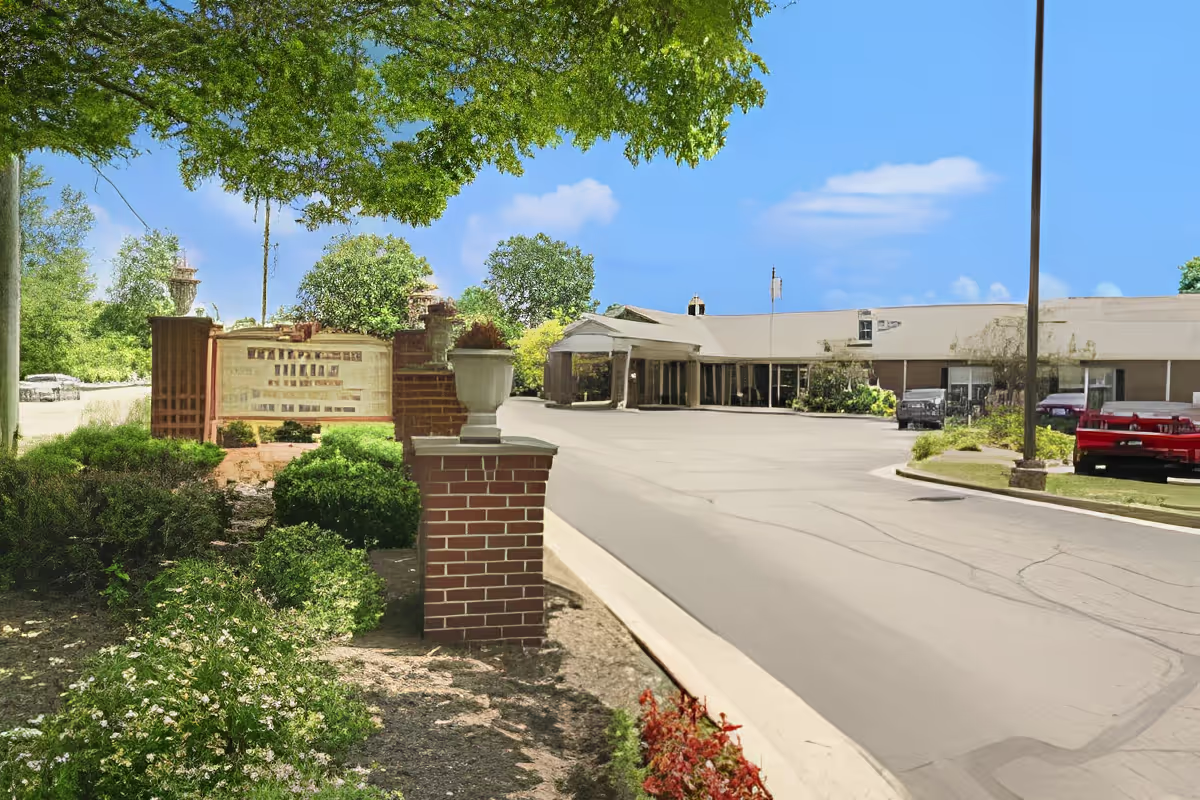
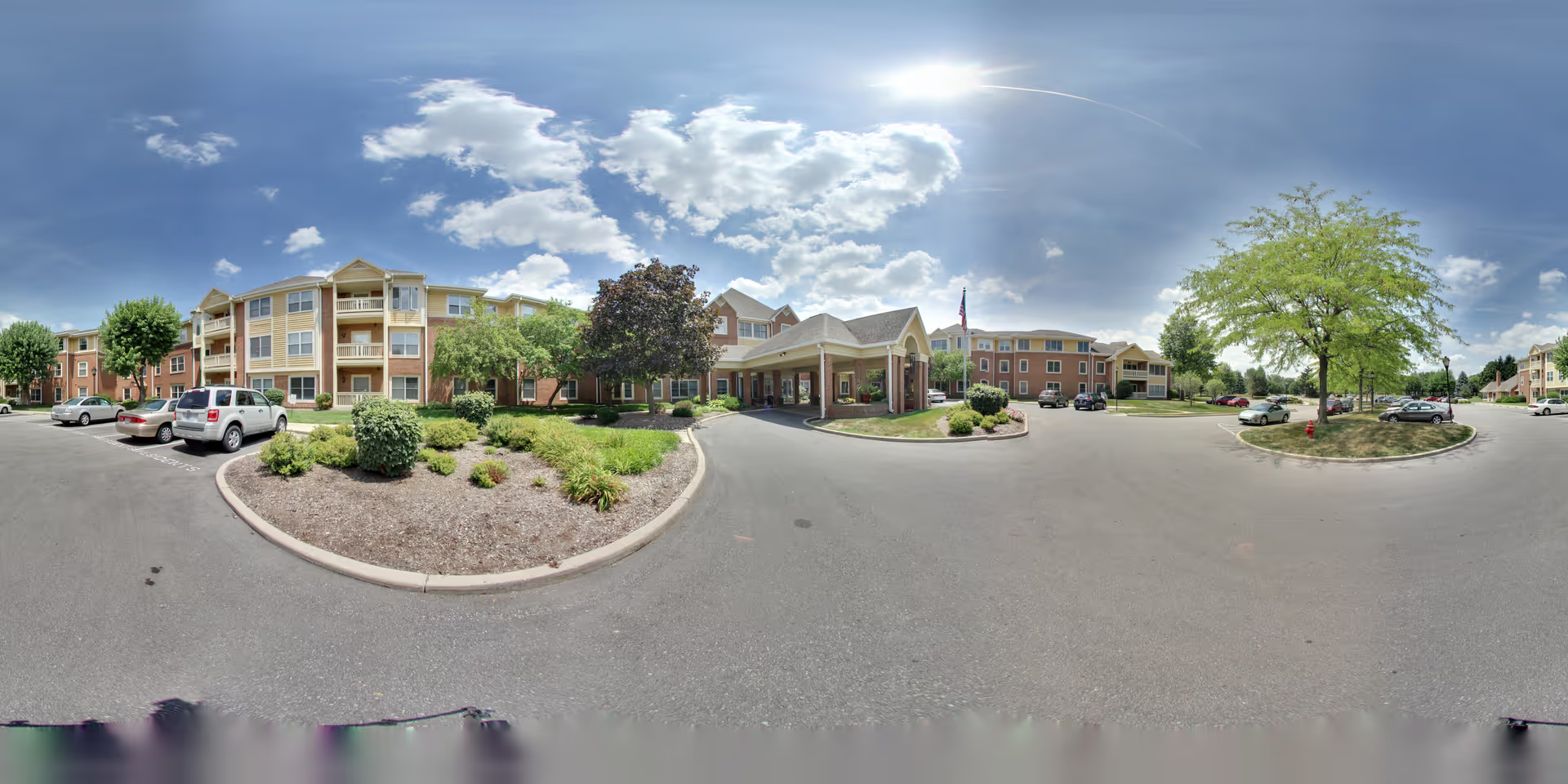
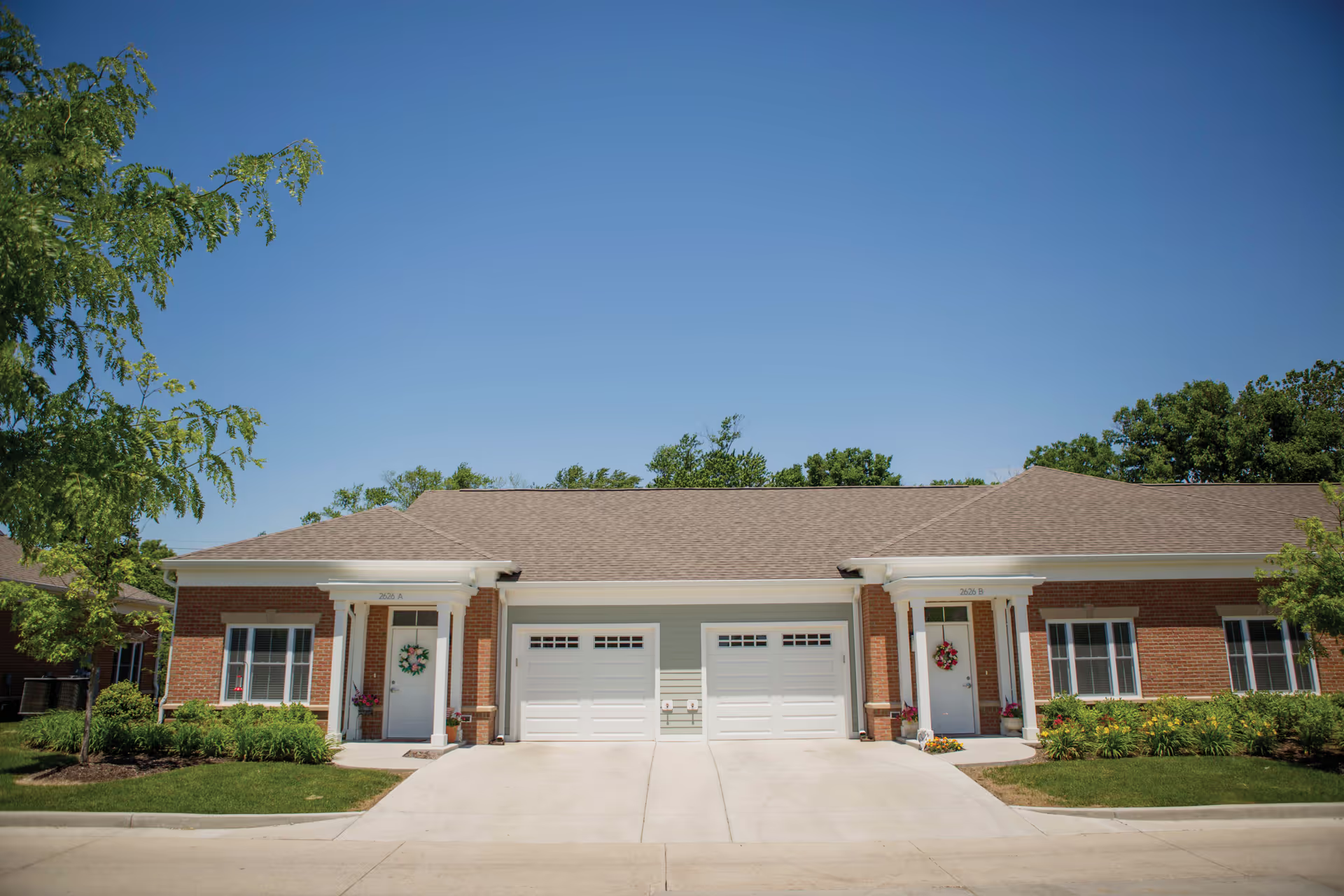
Facility condition and cleanliness emerge as another recurrent issue. Reviewers raised sanitation concerns and odor concerns in rooms and common areas, as well as pest-control concerns. Physical maintenance and grounds upkeep were also cited: damaged walls and room finishes, areas needing painting, litter on the grounds, and a parking lot in need of repaving. These environmental issues affect both resident comfort and perceptions of overall quality.
Management, communication, and administrative practices are additional areas of concern. Families described inconsistent communication from the office, delays or errors in paperwork and billing, and concerns about financial practices. There are also reports raising staff-safety and behavioral-management questions, and some families filed formal complaints with regulators. Reviewers frequently contrasted hardworking front-line staff with perceptions of weak supervision or unresponsive management.
In summary, prospective residents and families should weigh the facility’s demonstrated strengths in rehabilitation, therapy engagement, and several compassionate staff members against documented operational weaknesses: inconsistent clinical care, sanitation and maintenance shortfalls, medication and billing vulnerabilities, and variable management performance. A focused tour that includes inspection of resident rooms and common areas, direct questions about staffing levels, medication administration protocols, wound-care practices, pest control, and billing transparency will help clarify whether the facility’s strengths are likely to meet a particular resident’s needs.